Komodo-Tauchsafari
Die ultimative Komodo Tauchsafari Erfahrung
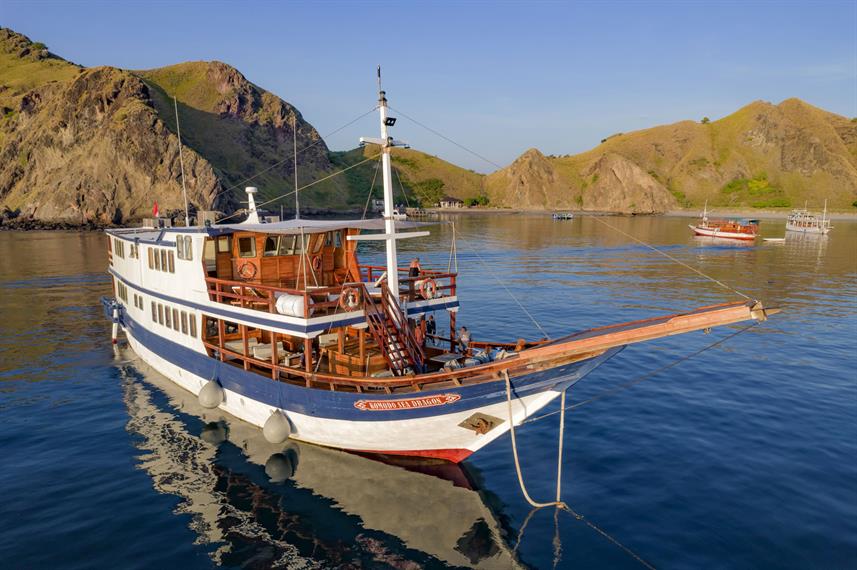
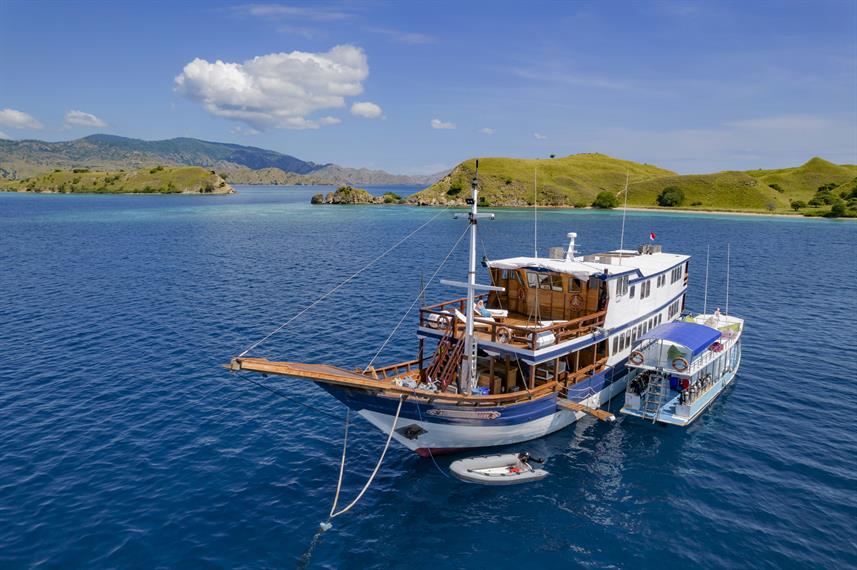
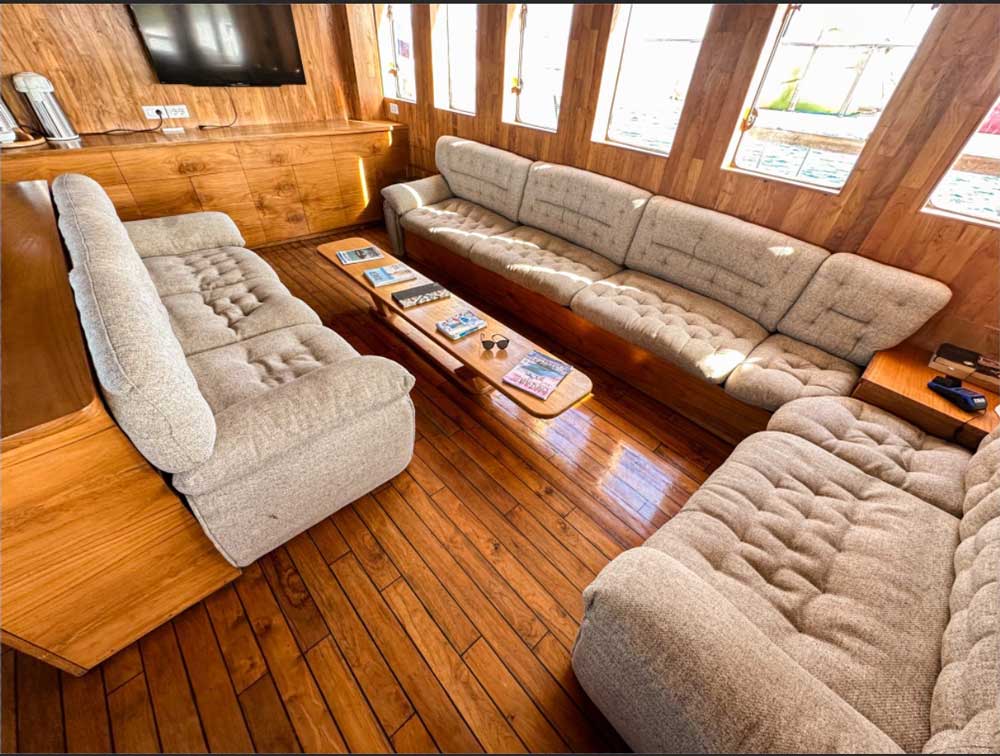
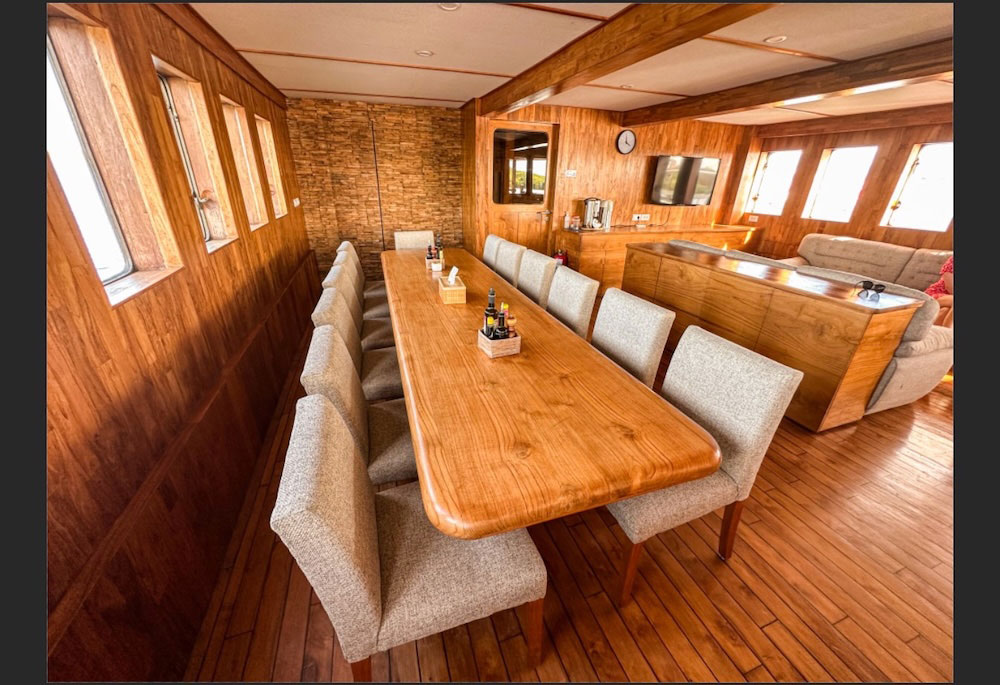
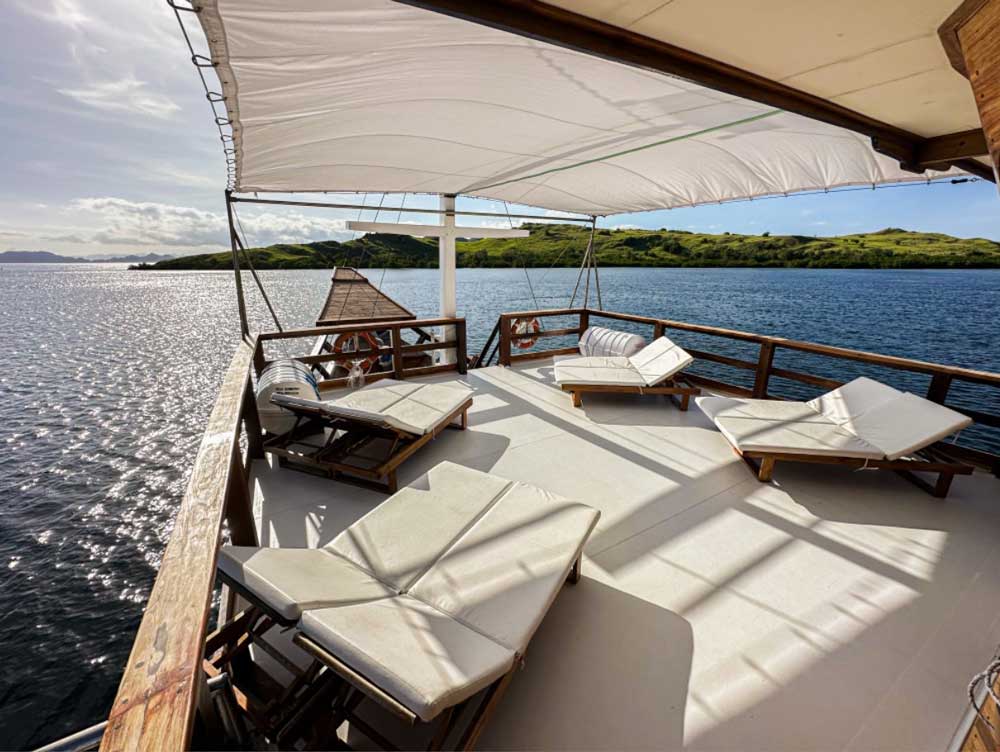
Ein Tauchsafari-Urlaub auf Komodo ist die beste Möglichkeit, die außergewöhnliche Unterwasserwelt des Komodo-Nationalparks zu erleben. Wenn Sie an Bord eines Schiffes durch den indonesischen Archipel kreuzen, haben Sie unvergleichlichen Zugang zu abgelegenen Tauchplätzen und unberührten Korallenriffen und können Mantarochen, Haien und über 1.000 Arten tropischer Fische begegnen, die dieses UNESCO-Weltkulturerbe zu einer der artenreichsten Meereslandschaften der Welt machen.
A Komodo liveaboard is the ultimate way to explore Komodo National Park, living aboard a comfortable vessel while diving world-class sites across the entire marine reserve. Unlike day trips from shore, a Komodo liveaboard lets you wake up at the dive site, explore the park’s most remote corners from north to south, and dive legendary sites like Batu Bolong, Manta Point, Crystal Rock, and Castle Rock with the intimacy that only a small-group expedition can offer.
Mit speziellen Tauchbooten, PADI-zertifizierten Tauchlehrern, All-inclusive-Vollpension und Landausflügen zu den Komodowaranen sowie Wanderungen auf der Insel Padar ist eine Tauchsafari nach Komodo weit mehr als nur ein Tauchurlaub – es ist eine umfassende Entdeckungsreise zu einem der letzten wahren Naturwunder der Erde.
Warum ein Komodo Liveaboard wählen
An Bord einer Tauchsafari auf Komodo wachen Sie direkt am Tauchplatz vor Anker auf. Ihre Tage verlaufen in einem entspannten Rhythmus: ein Tauchgang am frühen Morgen bei Sonnenaufgang, ein zweiter Tauchgang am Vormittag, Mittagessen an Deck mit Panoramablick auf das Meer, ein Nachmittagstauchgang oder ein Landausflug und Abende, an denen Sie bei frischer indonesischer und westlicher Küche Geschichten austauschen. Dank kleiner Gruppen fühlt sich jeder Moment persönlich an, egal ob Sie neben Mantarochen tauchen oder den Sonnenuntergang vom Oberdeck aus beobachten.
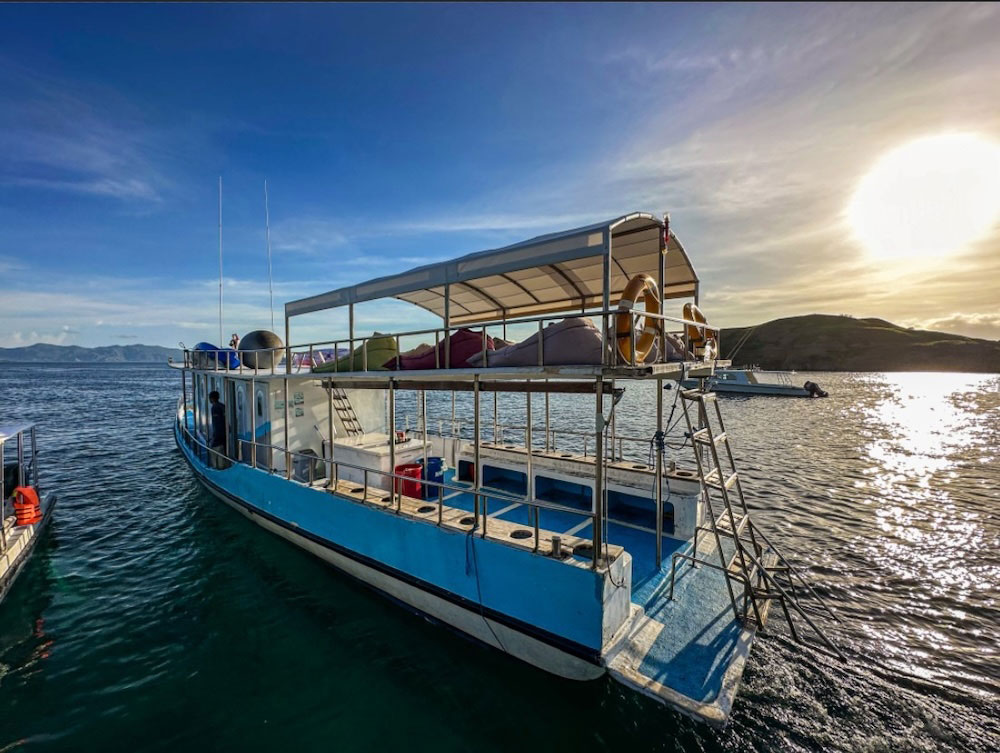
Weltklasse-Tauchplätze im Komodo-Nationalpark
Auf einer typischen Tauchsafari-Route im Komodo-Nationalpark besuchen Sie Batu Bolong, einen Riffgipfel, an dem es von Riffhaien, Riesen-Trevallys und Napoleon-Lippfischen nur so wimmelt; Manta Point, wo ozeanische Mantarochen durch Reinigungsstationen gleiten; Crystal Rock, ein unter Wasser liegender Felsen, umgeben von Schwärmen von Füsilieren und Süßlippen; Castle Rock, wo starke Strömungen Weißspitzen-Riffhaie und Adlerrochen anziehen; Shotgun, ein aufregender Strömungstauchgang durch einen engen Kanal; und Manta Alley, ein saisonaler Treffpunkt für Dutzende von Mantarochen auf Futtersuche.
Wählen Sie Ihre bevorzugte Reise
Beide Tauchsafaris gehören dem Komodo Resort und werden von diesem betrieben
Die beste Zeit für eine Tauchsafari auf Komodo
January and February bring the monsoon, with warmer surface temperatures and plankton-rich waters that trigger one of nature’s greatest spectacles: the annual manta ray migration. Hundreds of mantas gather in southern Komodo, and for experienced divers willing to brave slightly reduced visibility, this season offers encounters that are simply unforgettable. March serves as a transition month with improving conditions and fewer visitors, a hidden gem for those seeking a quieter Komodo liveaboard experience.
Mehr als nur Tauchen: Ausflüge auf der Insel Komodo
Wandern Sie auf den Gipfel der Insel Padar und genießen Sie den Panoramablick über drei halbmondförmige Buchten mit schwarzem, weißem und rosa Sand. Verbringen Sie einen Nachmittag mit Schwimmen am Pink Beach, einem von nur sieben rosa Sandstränden weltweit, wo die korallenfarbene Küste auf kristallklares Schnorchelwasser trifft. Beobachten Sie in der Abenddämmerung Tausende von Flughunden, die von der Insel Kalong aus ihren Flug antreten, und erkunden Sie versteckte Mangrovenlagunen, die nur wenige Besucher jemals zu Gesicht bekommen. Diese Momente voller Naturwunder zwischen den Tauchgängen machen eine Komodo-Tauchsafari zu einem wahrhaft unvergesslichen Erlebnis.
Anreise nach Komodo, Reise nach Labuan Bajo
Die Tauchsaison auf Komodo – Ein monatlicher Leitfaden
Meeresfauna im Komodo-Nationalpark
Komodo-Insel-Touren: Sehenswürdigkeiten an Land
Auch wenn das Tauchen die Hauptattraktion einer Komodo-Tauchsafari ist, sind die in jedes Programm eingebauten Landausflüge ebenso unvergesslich. Die Inseln des Komodo-Nationalparks sind oberhalb der Wasserlinie ebenso wild und spektakulär wie unter Wasser und bieten Landschaften, Begegnungen mit Wildtieren und kulturelle Erlebnisse, die man sonst nirgendwo auf der Welt findet.
Schnorcheln auf einem Komodo-Tauchsafari-Boot
Planung Ihrer Tauchsafari auf Komodo – Praktische Tipps
Eine sorgfältige Planung hilft Ihnen dabei, das Beste aus Ihrem Tauchsafari-Erlebnis auf Komodo herauszuholen. Hier finden Sie praktische Informationen, die sowohl erfahrene Reisende als auch Erstbesucher vor der Buchung beachten sollten.
Häufig gestellte Fragen
What is a Komodo liveaboard?
A Komodo liveaboard is a multi-day boat trip that takes you through Komodo National Park in Indonesia, allowing you to dive, snorkel, and explore remote islands while living aboard a comfortable vessel. Unlike day trips from shore, a liveaboard gives you access to the park’s most remote and pristine dive sites, with all meals, accommodation, and diving included.
When is the best time for a Komodo liveaboard trip?
Komodo liveaboard trips run year-round, with each season offering unique experiences. April through December is the high season, with warm waters of 26–29°C, visibility up to 30 meters, and calm seas ideal for diving all areas of the park. January and February bring the monsoon, but this is paradoxically the best time for manta ray encounters, as hundreds gather in southern Komodo for plankton-rich waters.
What dive sites will I visit on a Komodo liveaboard?
A Komodo liveaboard typically visits legendary dive sites including Batu Bolong (a pinnacle teeming with reef sharks and Napoleon wrasse), Manta Point (where oceanic mantas gather at cleaning stations), Crystal Rock (massive schools of fusiliers and sweetlips), Castle Rock (white-tip reef sharks and eagle rays in strong currents), Shotgun (a thrilling drift dive through a narrow channel), and Manta Alley (seasonal manta feeding grounds).
Do I need to be an experienced diver to join a Komodo liveaboard?
Some diving experience is recommended for most Komodo liveaboard itineraries, as many sites feature strong currents. An Advanced Open Water certification is ideal. However, our liveaboard maintains a 4:1 diver-to-guide ratio and our PADI dive masters tailor each dive to the group’s experience level. Certified Open Water divers are welcome on select itineraries with calmer sites.
How long is a typical Komodo liveaboard trip?
Komodo liveaboard trips typically range from 4 days / 3 nights to 8 days / 7 nights. Shorter trips cover the central and northern dive sites of Komodo National Park, while longer itineraries allow you to explore the entire park from north to south, including remote southern sites and extended time at manta cleaning stations.
What is included in a Komodo liveaboard trip?
A Komodo liveaboard typically includes full-board meals (breakfast, lunch, dinner, and snacks), drinking water, tea and coffee, cabin accommodation with en-suite bathroom and air conditioning, all scheduled dives with tanks and weights, dive guide services, cabin towels, and use of the sun deck, lounge, and onboard facilities. National park entrance fees, equipment rental, nitrox, alcoholic beverages, soft drinks, and gratuities are usually additional.
Can non-divers join a Komodo liveaboard?
Yes, a Komodo liveaboard is excellent for non-divers and snorkelers. While divers explore underwater, snorkelers are guided to the best spots on the reef. The itinerary also includes land excursions such as trekking to see Komodo dragons on Komodo and Rinca islands, hiking Padar Island for panoramic views, and visiting Pink Beach, one of only seven pink sand beaches in the world.
What marine life will I see on a Komodo liveaboard?
Komodo National Park is one of the most biodiverse marine environments on earth. Expect to encounter giant oceanic manta rays, reef manta rays, white-tip and black-tip reef sharks, sea turtles, Napoleon wrasse, giant trevally, eagle rays, moray eels, octopus, cuttlefish, nudibranchs, frogfish, and schools of thousands of fusiliers, sweetlips, and barracuda. Seasonal visitors include mobula rays, hammerhead sharks, and whale sharks.
How do I get to the Komodo liveaboard departure point?
Komodo liveaboard trips depart from Labuan Bajo, the gateway town to Komodo National Park on the island of Flores. Labuan Bajo has its own airport (Komodo Airport, LBJ) with direct flights from Bali (1.5 hours), Jakarta, and Surabaya. If you are staying at Komodo Resort, our team will arrange your transfer to the liveaboard on departure day.
What should I pack for a Komodo liveaboard trip?
Essential items include your dive certification card and logbook, reef-safe sunscreen (SPF 50+), a rashguard or wetsuit (3mm recommended for cooler southern sites), a waterproof camera or GoPro, personal medications and seasickness remedies, comfortable clothing for warm tropical evenings, a hat and sunglasses, and a small dry bag for land excursions. Most Komodo liveaboards provide towels, toiletries, and full diving equipment for rental.
Kontakt aufnehmen
Haben Sie eine Frage? Wir würden uns freuen, von Ihnen zu hören. Schicken Sie uns eine Nachricht und wir werden Ihnen so schnell wie möglich antworten.
Kontakt