Leitfaden zur Meeresfauna von Komodo
Wir haben diesen Feldführer für Taucher verfasst, die die wahren Fakten über die Meeresfauna von Komodo erfahren möchten, von Zwergseepferdchen bis hin zu Ozeanmantas, damit Sie wissen, was Sie erwartet, bevor Sie sich rückwärts von unserem Boot ins Wasser stürzen.
Das Herz des Korallendreiecks
Warum die Meeresfauna von Komodo so lebendig wirkt
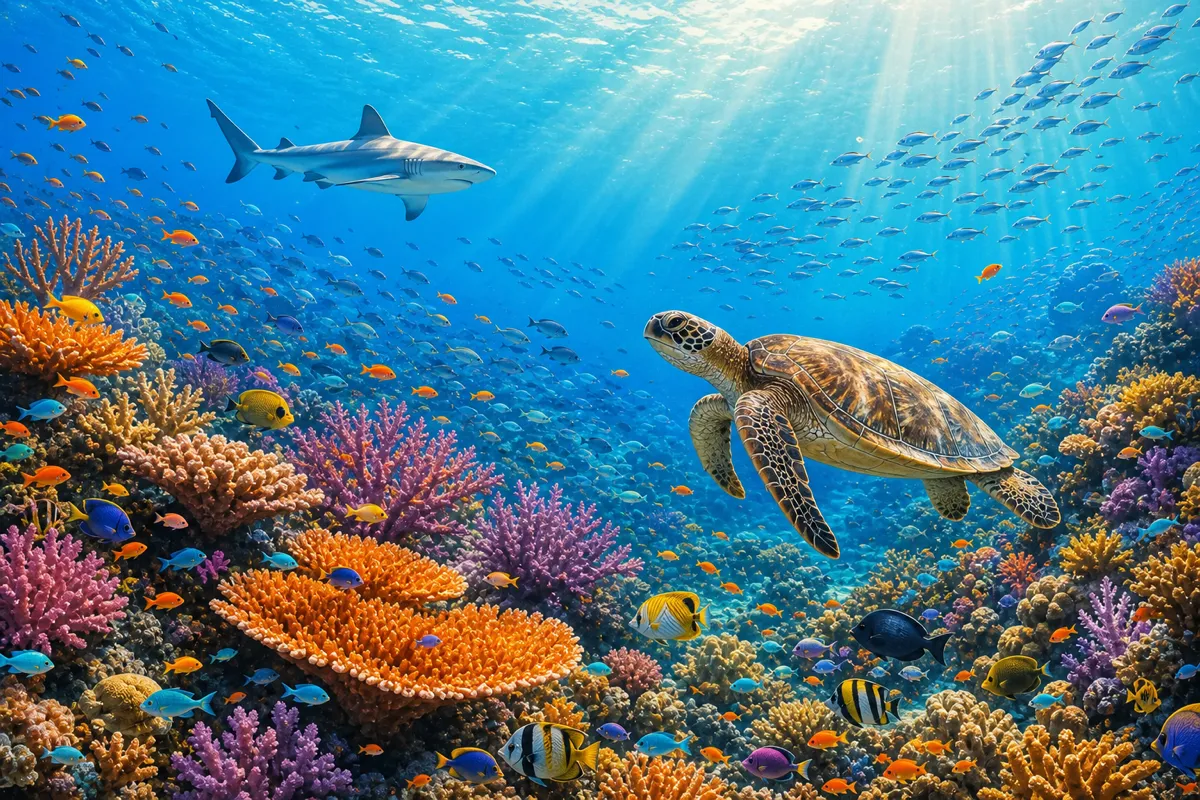
Komodo liegt dort, wo der Indische Ozean und der Pazifik durch enge Meerengen miteinander verbunden sind und dabei Nährstoffe umwälzen, die alles vom Zooplankton bis hin zu Schwärmen von Makrelen ernähren. Wissenschaftler haben hier mehr als tausend Fischarten katalogisiert, die sich über Schwämme, Seefächer und Korallengärten in einer von der UNESCO geschützten Meereslandschaft verteilen, die wir stolz als unseren „Hinterhof“ bezeichnen.
Ganz gleich, ob Sie Ihre erste Reise planen oder für eine weitere Saison mit Tauchgängen in der Unterwasserwelt von Komodo zurückkehren, wenden Sie sich zunächst an das Team unseres Tauchzentrums auf Komodo und informieren Sie sich anschließend auf unserer Komodo-Tauchplattform über Boote, Kurse und Tagesprogramme.
Raubtiere des Meeres
Haie und Rochen
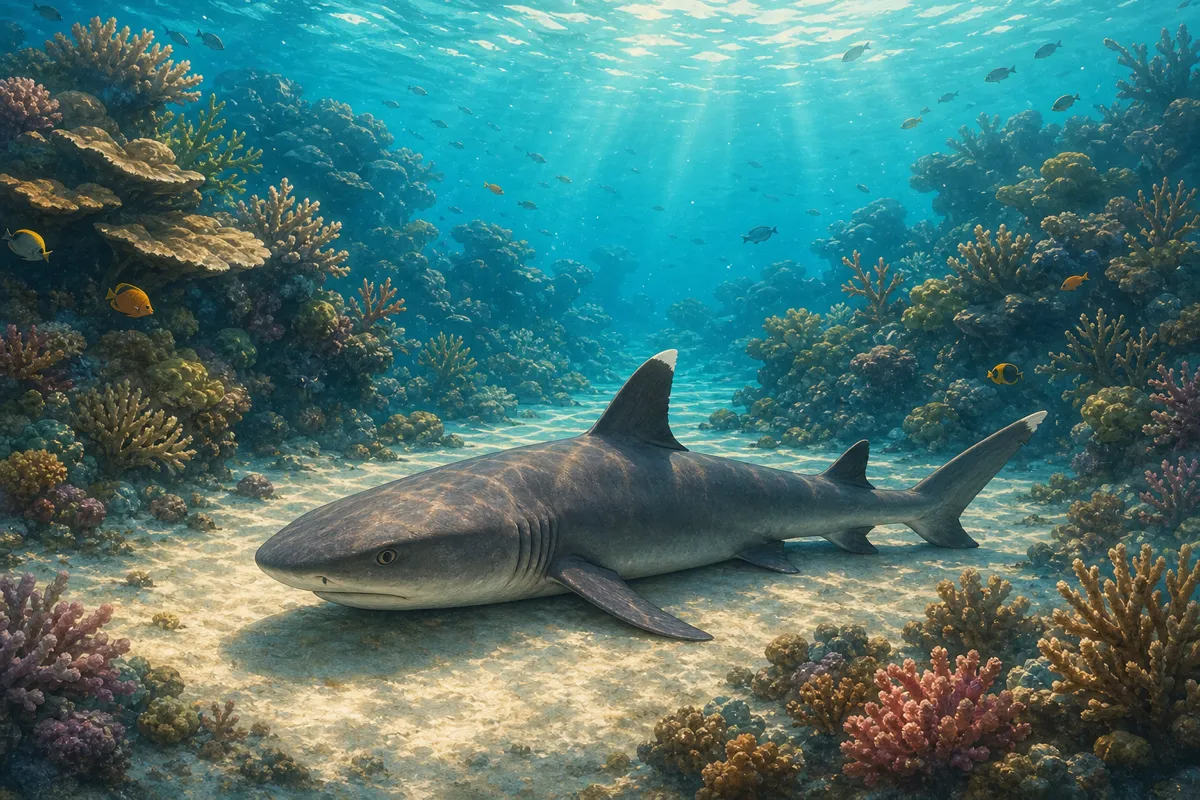
Von Bambushaien, die sich unter Felsvorsprüngen verstecken, bis hin zu Riffmantas, die sich an Reinigungsstationen drängen, die Meeresfauna von Komodo in dieser Gruppe hält Weitwinkel-Fotografen auf fast jeder Reise auf Trab. Wir stimmen die Besuche der Kanäle und Riffspitzen auf die Gezeiten ab, damit Sie ruhig im Wasser schweben können, während Graue Riffhaie auf Patrouille sind, Mobula-Rochen in Formation vorbeiziehen und der „Manta Point“ die Manta-Show bietet, die auf jeder Wunschliste steht. Aufgrund der schieren Dichte an Riffhaien und jagenden Stachelmakrelen in der Wassersäule lieben wir auch „Castle Rock“, „Batu Bolong“ und „Shotgun“, wenn Strömungen herrschen.
Jäger im offenen Wasser
Pelagische Fische
Nährstoffreiche Auftriebsströmungen locken Schwärme von Riesen-Trevallys, Hundezahn-Thunfischen und Barrakudas zu denselben Riffen, an denen sich Süßlippen und Doktorfische zu Tausenden versammeln. Wir beobachten, wie Napoleon-Lippfische an den Reinigungsstationen bei Batu Bolong vorbeigleiten und Bumphead-Papageienfische bei morgendlichen Strömungstauchgängen an Korallen knabbern. Wenn Sie uns fragen, was Sie beim Tauchen auf Komodo für den Adrenalinkick sehen sollten, verweisen wir auf strömungsgepeitschte Unterwasserfelsen wie Castle Rock, Crystal Rock und Shotgun, wo Makrelen in der Sonne glitzern und die gesamte Nahrungskette in voller Aktivität zu sein scheint.
Tiere & Farben
Makro-Leben
Die Unterwasserwelt beim Tauchen auf Komodo besteht nicht nur aus großen Tieren. Auf langsamen, flachen Tauchgängen halten wir Ausschau nach Nacktschnecken, Skorpionfischen und Anglerfischen, die sich im Riff verstecken. „Cannibal Rock“ bietet sowohl große als auch kleine Meereslebewesen: Unter geeigneten Bedingungen teilen sich Stachelmakrelen, Barrakudas und Bambushaie das Riff mit Makro-Lebewesen. „Siaba Besar“ bleibt ein ruhiger Zufluchtsort für Nahaufnahmen, mit Anglerfischen, Geisterpfeifenfischen und den kleineren Wundern, die Komodo zu einem Favoriten im Korallendreieck machen.
Anmutige Schwimmer
Reptilien und Schildkröten
Grüne Meeresschildkröten und Karettschildkröten gleiten an den Bommies bei Tatawa Besar entlang und ruhen sich auf dem Sand bei Siaba Besar aus, während sich gebänderte Seeschlangen auf der Suche nach Beute wie Bänder durch das Riff schlängeln. Komodowarane gehören zwar nicht zur Unterwasserfauna, doch kein seriöser Reiseführer zur Meeresfauna von Komodo lässt sie außer Acht: Wir besuchen die Inseln Rinca und Komodo im Rahmen von Landausflügen, damit Sie erstklassiges Tauchen mit der Beobachtung der berühmten Reptilien des Parks an Land verbinden können.
Ein lebendiges Riff-Mosaik
Leben am Riff
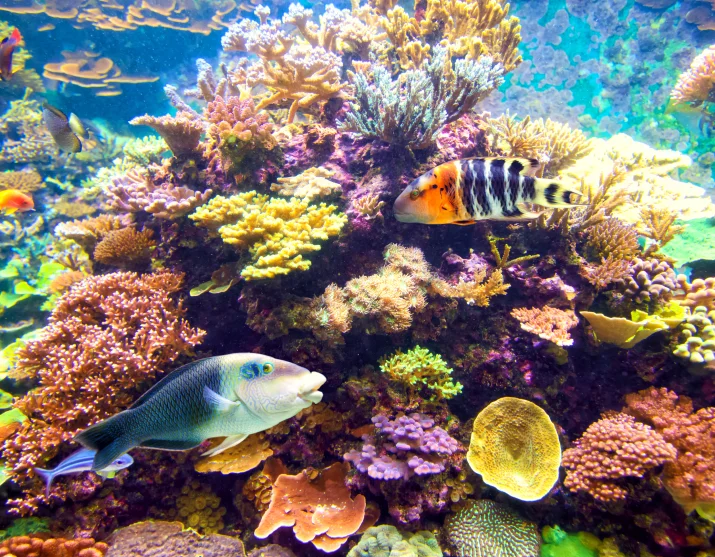
Weichkorallengärten, Seefächer und Schwärme von Anthias prägen die Postkartenmotive, die Sie wahrscheinlich bereits mit Indonesien verbinden. Clownfische bewachen Anemonen in zehn oder mehr Farbvarianten, Süßlippen drängen sich unter Überhängen, und Riesenmuscheln pulsieren entlang der Strömungslinien. Von Batu Bolong bis Tatawa Besar schmücken Seelilien und Seeäpfel die Hänge und erinnern uns daran, warum diese von der UNESCO gelistete Unterwasserlandschaft in die Geschichte jedes Tauchers gehört.
Planen Sie Ihre Höhepunkte
Wo Sie was sehen können
Diese Übersicht bietet einen praktischen Überblick darüber, was Sie beim Tauchen auf Komodo an unseren acht beliebtesten Tauchplätzen erwarten können. Strömungen und die Jahreszeit bestimmen zwar letztendlich den Ablauf, doch unsere Tauchguides nutzen Tabellen wie diese jede Woche, wenn sie die Taucher den jeweiligen Riffen zuordnen.
| Kategorie | Batu Bolong | Castle Rock | Crystal Rock | Manta Point | Siaba Besar | Shotgun | Tatawa Besar | Cannibal Rock |
|---|---|---|---|---|---|---|---|---|
| Haie und Rochen | ||||||||
| Pelagische Fische | · | · | ||||||
| Makro-Leben | · | · | · | · | ||||
| Schildkröten und Seeschlangen | · | · | · | |||||
| Riffgärten und Fischschwärme |
Die richtige Zeit für Ihre Reise
Saisonale Begegnungen
Das ganze Jahr über
Schildkröten, Weißspitzen-Riffhaie und dichte Rifffischgemeinschaften stehen bei unseren Briefings unabhängig vom Monat stets auf dem Programm. Wenn Sie beim Tauchen auf Komodo zuverlässig Meereslebewesen beobachten möchten, ohne sich an ein enges Zeitfenster halten zu müssen, können wir einen Zeitplan rund um klassische Riffe und ruhige Tauchplätze zusammenstellen.
Trockenzeit: April bis November
Ruhigere Meere und kristallklares Wasser bringen Weitwinkelaufnahmen und pelagische Fischschwärme optimal zur Geltung. Oft kombinieren wir am selben Tag Besuche der nördlichen und zentralen Riffe, wenn die Gezeiten günstig sind, sodass Sie sowohl große Meeresbewohner als auch intakte Rifflandschaften in strahlendem Licht erleben können.
Manta-Saison: November bis Februar
Planktonblüten locken Riffmantas, Ozeanmantas und Mobula-Rochen zu Reinigungsstationen und Strömungskanälen. In solchen Momenten lachen wir gemeinsam mit unseren Gästen, die kaum glauben können, wie viele Tiere in ein einziges Bild passen, insbesondere am „Manta Point“ und an den von Strömungen geprägten Tauchplätzen im Süden.
Übergang März, November
In den Übergangsmonaten können sich manta-freundliche Gewässer mit zunehmender Sichtweite verbinden, und zu jeder Jahreszeit wird von Zeit zu Zeit ein vorbeiziehender Walhai gesichtet. Wir bleiben bei der Planung unserer Bootsausflüge flexibel, damit Sie einen Eindruck von beiden Stimmungen gewinnen können, sobald die Bedingungen vielversprechend erscheinen.
Unterwasserfahrzeuge
Tipps zum Fotografieren
Weitwinkel
Nehmen Sie ein Fischaugen- oder ein geradliniges Weitwinkelobjektiv mit, wenn Sie Mantas, Haie und Rifflandschaften das gesamte Bild ausfüllen lassen möchten. Zwei Blitzgeräte helfen dabei, Sonnenstrahlen und blaues Wasser auszugleichen, insbesondere wenn wir an Reinigungsstationen nach oben fotografieren. Zu unseren beliebtesten Weitwinkel-Tauchplätzen zählen Manta Point, Batu Bolong und Castle Rock.
Makro
Nehmen Sie ein 60-mm- oder 100-mm-Makroobjektiv sowie eine Fokussierlampe für Nacktschnecken, Skorpionfische und gut getarnte Anglerfische mit. Wir bewegen uns langsam, atmen leise und lassen die Motive auf uns zukommen. Der „Cannibal Rock“ eignet sich hervorragend für beide Objektive: große Stachelmakrelen für Weitwinkelaufnahmen und kleine Lebewesen in den Schwämmen für Makroaufnahmen. „Siaba Besar“ bleibt unser spezielles Makro-Paradies.
Begleiten Sie uns unter Wasser
Sind Sie bereit, die Meeresfauna von Komodo kennenzulernen?
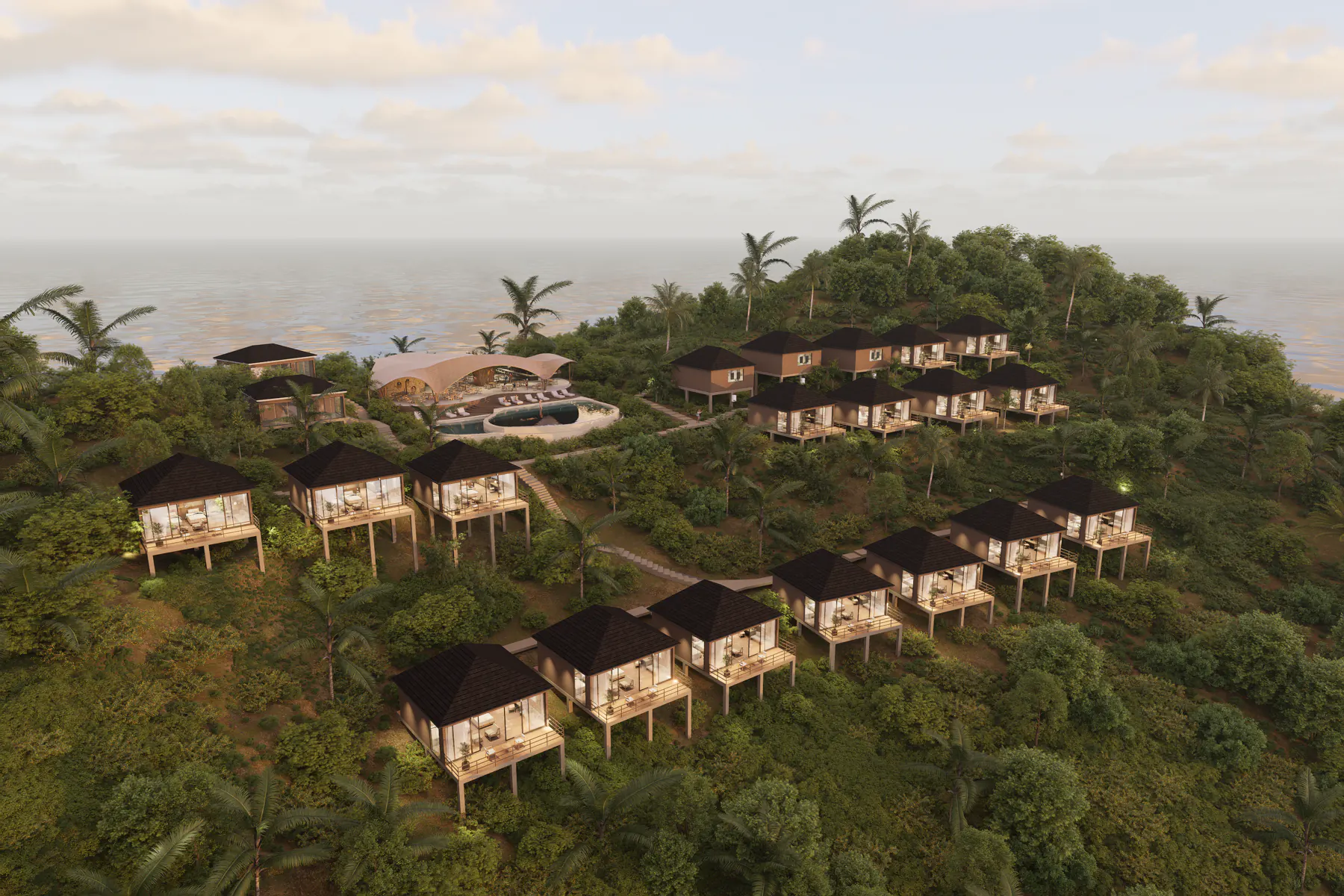
Buchen Sie einen Bungalow, unternehmen Sie mehrere Tauchgänge mit unserem PADI-Team oder verlängern Sie Ihre Reise auf einem Tauchsafari-Schiff, wenn Sie noch mehr Zeit mit den Arten verbringen möchten, über die Sie gerade gelesen haben.
Häufig gestellte Fragen
Fragen zur Meeresfauna
Welche Meereslebewesen werden wir auf Komodo am häufigsten sehen?
In einer typischen Tauchwoche auf Komodo können Sie mit Anthias und Falterfischen in großer Zahl, gesunden Hart- und Weichkorallen, Schildkröten an vielen flachen Tauchplätzen, Weißspitzen-Riffhaien an Strömungskanten sowie einer je nach Gezeiten wechselnden Vielfalt an Rochen und pelagischen Fischen rechnen. Wir passen unsere Einweisungen individuell an die Meeresfauna an, die an diesem Tag vor Komodo zu sehen ist, und halten uns nicht an eine allgemeine Checkliste.
Wann ist die Saison für Mantarochen beim Tauchen auf Komodo?
Riff- und Ozeanmantas sind das ganze Jahr über anzutreffen, doch von November bis Februar versammeln sich oft die größten Gruppen an den Reinigungsstationen. Außerhalb dieser Monate planen wir dennoch Touren zum „Manta Point“ und auf die südlichen Routen, sobald die Vorhersagen Plankton- und Strömungsverhältnisse anzeigen, die Mantas besonders schätzen.
Gibt es auf Komodo gefährliche Meereslebewesen?
Komodo ist ein wilder Ort, doch bei respektvollem Tauchen bleibt das Risiko gering. Wir geben Ihnen klare Einweisungen zu Blauring-Kraken, Seeschlangen und saisonalen Quallen und vermitteln Ihnen, wie Sie sich in der Nähe von Haien und Rochen ruhig verhalten, damit die Tiere eine entspannte Körpersprache beibehalten. Folgen Sie Ihrem Tauchguide, achten Sie auf Ihren Auftrieb, und die Tiere werden Sie in der Regel mit ruhigen Vorbeigleiten statt mit Aufregung belohnen.
Welcher Tauchplatz eignet sich am besten für die Unterwasserfotografie?
Für Weitwinkelaufnahmen von Großtieren empfehlen wir Ihnen Manta Point, Batu Bolong und Castle Rock. Cannibal Rock ist vielseitig: Hier finden Sie große Trevallies und Barrakudas für Weitwinkelaufnahmen sowie Makro-Lebewesen in den Schwämmen. Siaba Besar ist unsere erste Wahl für reine Makro-Tauchgänge. Falls Sie nur wenige Tage Zeit haben, teilen Sie uns bitte im Voraus Ihre Kameraausrüstung mit, damit wir die Tauchplätze auf Ihre Objektivauswahl abstimmen können.
Wie viele Fischarten leben im Komodo-Nationalpark?
Wissenschaftler verzeichnen im gesamten Park mehr als tausend Fischarten, und durch neue Erhebungen werden der Liste immer noch weitere Arten hinzugefügt. Selbst bei einem einzigen Tauchgang an einem Riffgipfel wie dem „Batu Bolong“ können Sie innerhalb einer Stunde Dutzende von Familien registrieren, wenn die Strömung sanft genug ist, um dort verweilen zu können.
Können auch Anfänger die großen Tiere sehen?
Ja. Open-Water-Taucher können regelmäßig Mantas am „Manta Point“, Schildkröten bei „Siaba Besar“ und „Tatawa Besar“ sowie Fischschwärme in überschaubaren Tiefen beobachten. Die stärksten Strömungen heben wir uns für erfahrene Gruppen auf, doch wir möchten auf keinen Fall, dass sich jemand von den Meereslebewesen rund um Komodo ausgeschlossen fühlt.
Erfahren Sie mehr
Verwandte Seiten
Tauchen auf Komodo
Unser umfassender Überblick über das Tauchen im Komodo-Nationalpark, von Strömungstauchgängen bis hin zur Organisation vor Ort.
Erfahren Sie mehr
Tauchplätze auf Komodo
Karten, Wassertiefen und Wissenswertes zu den acht herausragenden Sehenswürdigkeiten, die wir mit dem Boot besuchen.
Erfahren Sie mehr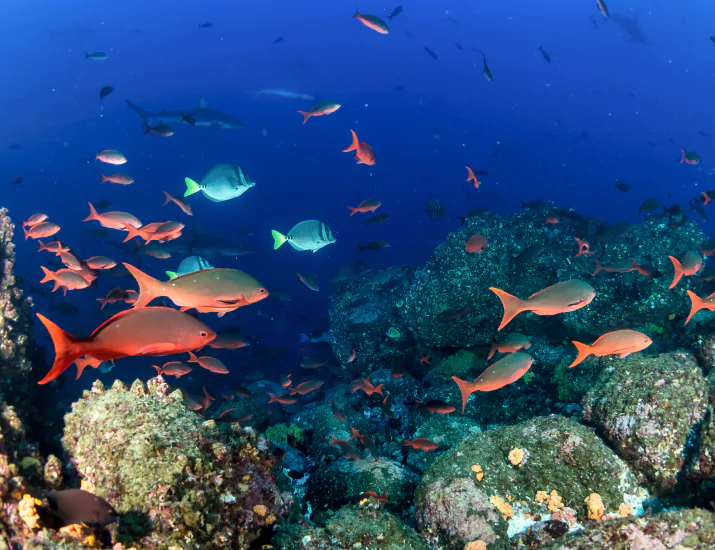
Tauchbedingungen
Informationen zu Sichtverhältnissen, Strömungen und Wassertemperaturen auf Monatsbasis, damit Sie den richtigen Neoprenanzug einpacken können.
Erfahren Sie mehr