Komodo Diving
Explore one of the world’s most extraordinary underwater ecosystems, where manta rays soar, sharks patrol pristine reefs, and every dive reveals something unforgettable.
World-Class Diving
Why Komodo Is a Diver’s Paradise
Nestled within a UNESCO World Heritage Site, Komodo National Park spans over 1,700 square kilometers of marine-protected waters that harbor some of the richest biodiversity on the planet. The convergence of the Indian and Pacific Oceans creates nutrient-rich upwellings that feed an astonishing food chain, from microscopic plankton to the largest rays in the ocean.
Our PADI 5-Star dive center on Sebayur Island sits at the heart of this marine wonderland. With over 30 dive sites reachable within 10 to 60 minutes by boat, we offer everything from gentle reef explorations for beginners to adrenaline-pumping drift dives that will challenge even the most seasoned divers. This is Komodo diving at its finest.
What Makes Komodo Diving Special
The Experience
Three Ways to Dive Komodo
Whether you crave the rush of current-swept pinnacles, dream of flying alongside giant mantas, or love hunting for the tiniest critters, Komodo diving delivers it all within a single trip.
Drift Dive the Currents
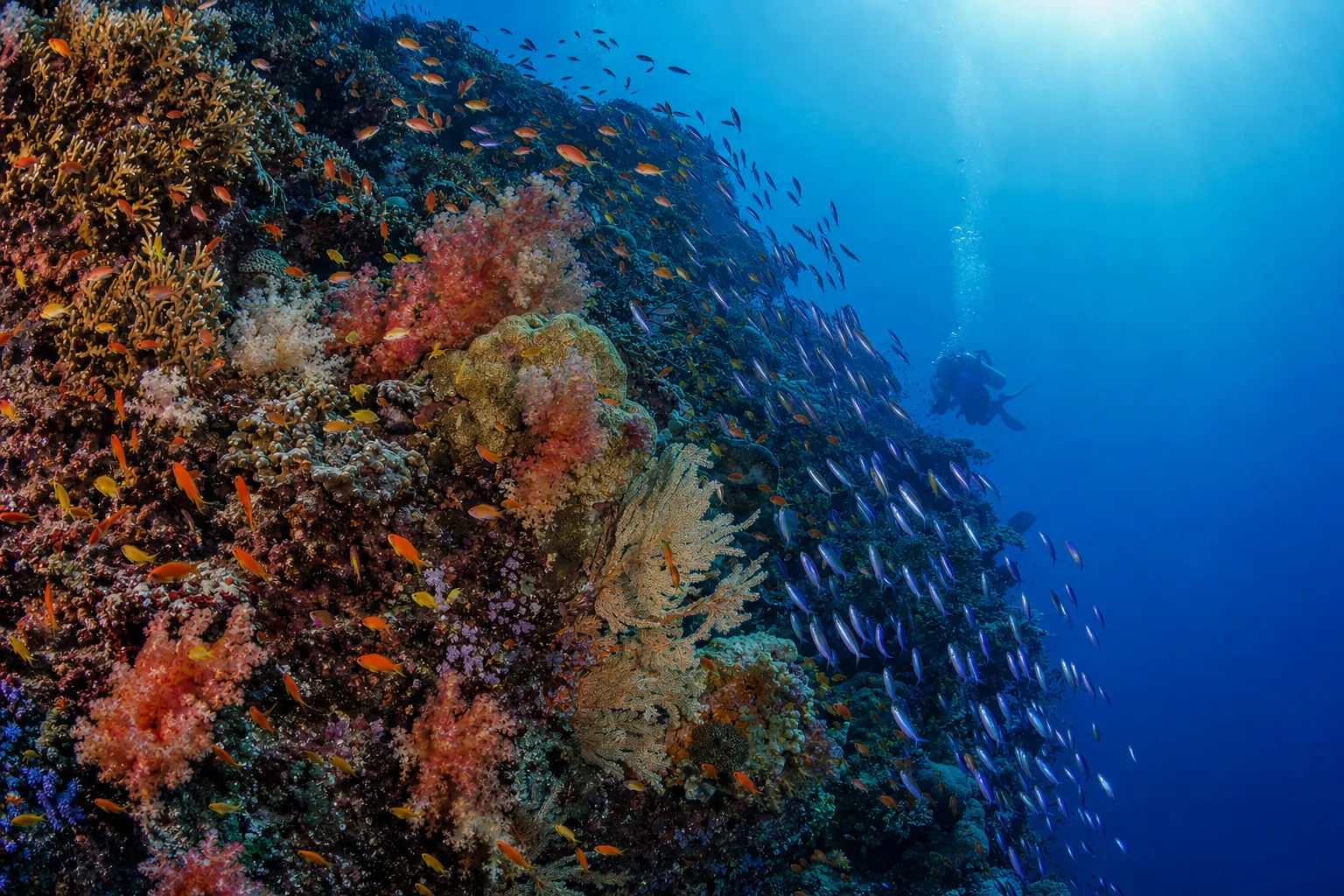
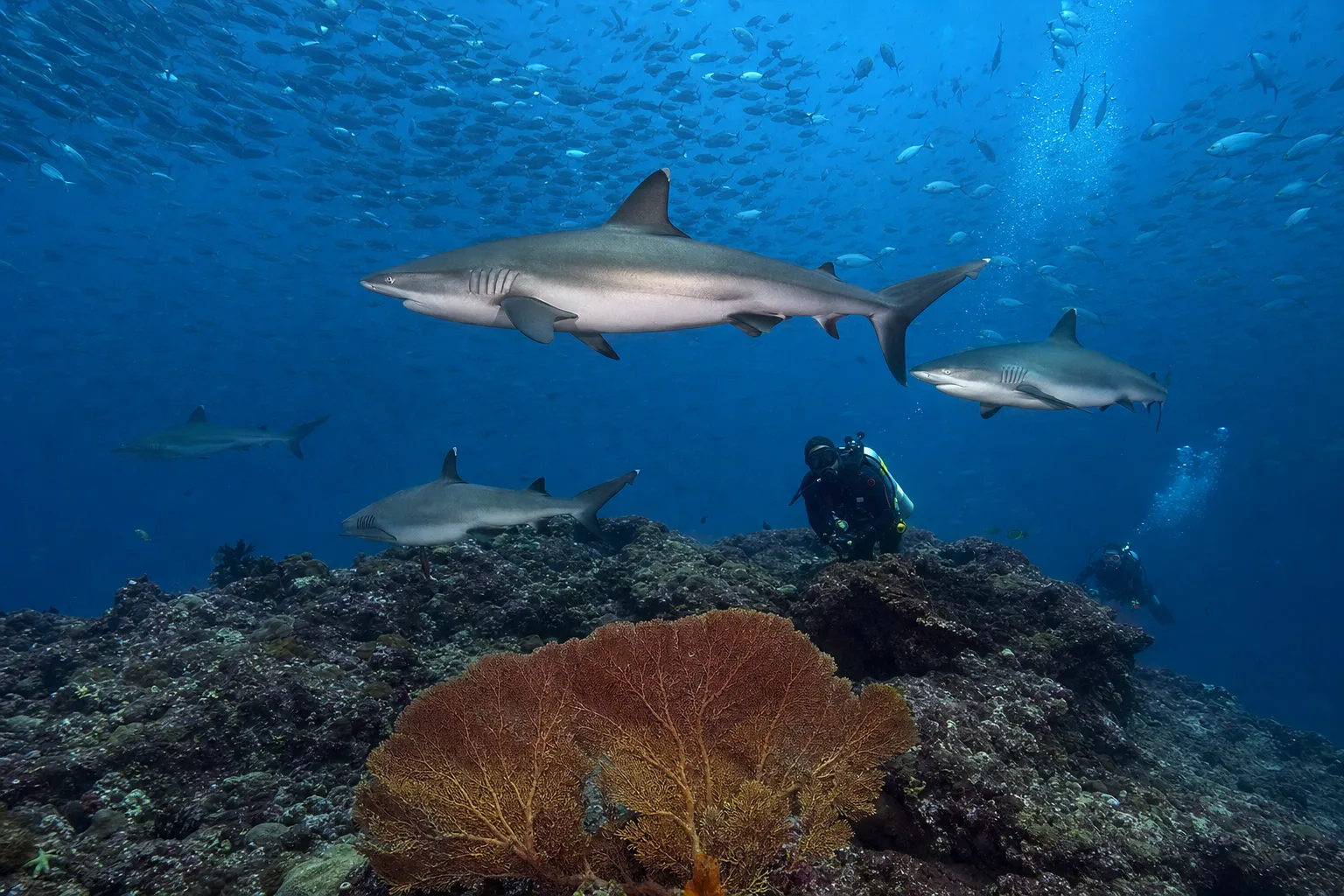
Komodo's legendary currents sweep you along walls exploding with color. Sites like Batu Bolong, Shotgun, and Castle Rock deliver heart-pounding drift dives where sharks, giant trevallies, and massive schools of fish appear from the blue.
Manta Ray Encounters
Komodo is one of the few places on Earth where you can reliably dive with both reef and oceanic manta rays. At Manta Point, Mawan, and Manta Alley, these gentle giants glide overhead at cleaning stations, sometimes dozens at a time.
Incredible Marine Diversity
Calm sites like Siaba Besar and Cannibal Rock offer everything from large trevallies, barracudas, and bamboo sharks to scorpionfish, nudibranchs, and frogfish hiding in the reef. When conditions suit, macro enthusiasts find treasures on every surface.
Dive Sites
Top Dive Sites in Komodo
From adrenaline-pumping drift dives at current-swept pinnacles to peaceful macro explorations on shallow reefs, Komodo National Park delivers world-class diving for every level and interest.
Batu Bolong
IntermediateKomodo's crown jewel, a tiny pinnacle erupting with soft corals, where giant trevallies hunt, Napoleon wrasse cruise by, and reef sharks patrol the blue. The coral coverage here is unlike anything else in the park.
Learn MoreCastle Rock
AdvancedA submerged pinnacle battered by nutrient-rich currents that bring white-tip reef sharks, grey reef sharks, massive schools of surgeonfish, and occasional eagle rays sweeping through.
Learn MoreCrystal Rock
AdvancedCastle Rock's neighboring pinnacle in the Lintah Strait, swept by the same nutrient-rich currents that attract white-tip reef sharks, grey reef sharks, giant trevallies, and massive schools of surgeonfish and fusiliers.
Learn MoreManta Point
All LevelsThe legendary cleaning station where reef and oceanic mantas with wingspans up to 5 meters glide overhead. During peak season, divers witness "manta storms" of 30+ individuals at once.
Learn MoreSiaba Besar
BeginnerCalm, shallow waters perfect for new divers and macro photographers. Home to frogfish, seahorses, nudibranchs, and blue-ringed octopus hiding among the coral bommies.
Learn MoreShotgun
AdvancedNamed for the exhilarating current that shoots divers over a wall at thrilling speed. Mantas and sharks play in these nutrient-rich flows, making every dive an adrenaline rush.
Learn MoreTatawa Besar
All LevelsA stunning drift dive along sloping reefs painted in soft corals. Green turtles rest on ledges, reef sharks patrol overhangs, and swim-throughs add exploration to every dive.
Learn MoreCannibal Rock
All LevelsA Horseshoe Bay gem with both large and small marine life: giant trevallies, barracudas, king mackerels, and bamboo sharks share the reef with scorpionfish, nudibranchs, and frogfish hiding in vibrant encrusting sponges.
Learn MoreBest Time to Visit
Komodo Diving Season Calendar
Komodo is a year-round diving destination with peak conditions from April to October. Manta rays move between northern and southern sites seasonally, so every month offers something remarkable.
| Month | Water Temp | Visibility | Currents | Highlight |
|---|---|---|---|---|
| January | 28°C | 10–15m | Moderate | Manta migration season |
| February | 28°C | 10–15m | Moderate | Manta migration season |
| March | 29°C | 15–20m | Moderate | Improving visibility |
| April | 29°C | 20–25m | Moderate | Season begins |
| May | 28°C | 20–30m | Moderate | Peak visibility |
| June | 27°C | 20–25m | Variable | Mantas in south |
| July | 26°C | 15–25m | Variable | Pelagic encounters |
| August | 25°C | 15–25m | Variable | Pelagic action |
| September | 25°C | 15–25m | Variable | Excellent conditions |
| October | 26°C | 20–25m | Moderate | Excellent all-round |
| November | 27°C | 15–20m | Moderate | Manta migration begins |
| December | 28°C | 10–20m | Moderate | Manta migration season |
Recommended months for Komodo diving
Low season, best time for diving and snorkeling with mantas
Conditions
Water Conditions & Gear
Temperature
24–30°C (75–86°F)
Visibility
10–30m (33–100ft)
Currents
Mild to variable, site dependent
Best Visibility
April – October
Thermoclines
Common in south, can drop to 22°C
Wetsuit
3mm shorty or full (5mm for south)
Certification
Open Water minimum, Advanced recommended
Nitrox
Available and recommended for repetitive dives
Marine Life
What You’ll See Diving in Komodo
From giant manta rays to tiny pygmy seahorses, Komodo’s nutrient-rich waters support an extraordinary range of marine life. Plus the legendary Komodo dragons on guided land treks.
Sharks & Rays
- White-tip reef sharks
- Grey reef sharks
- Bamboo sharks
- Reef manta rays
- Giant oceanic manta rays
- Mobula rays
- Eagle rays
Pelagics
- Giant trevally
- Napoleon wrasse
- Dogtooth tuna
- Barracuda schools
- Bumphead parrotfish
Macro Life
- Pygmy seahorses (Bargibanti & Denise)
- Nudibranchs (200+ species)
- Frogfish
- Blue-ringed octopus
- Flamboyant cuttlefish
Reptiles & Turtles
- Green sea turtles
- Hawksbill turtles
- Komodo dragons (land)
- Banded sea snakes
Reef Life
- Pristine soft coral gardens
- Gorgonian sea fans
- Anthias clouds
- Sweetlips
- Clownfish (10+ species)
Getting Started
How to Dive Komodo
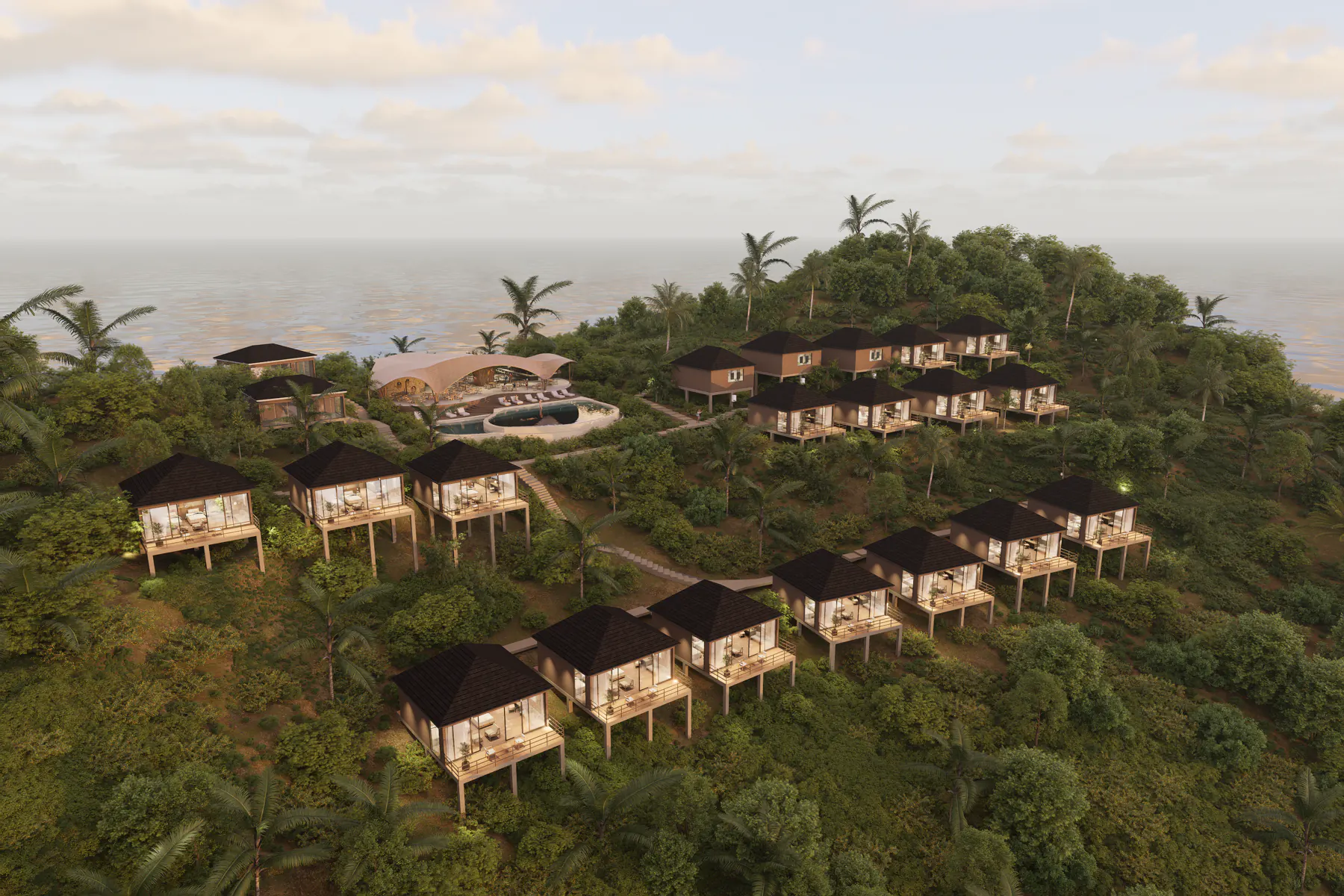
There are two ways to experience Komodo diving with us. Stay at our resort on Sebayur Island and enjoy daily boat trips to the best sites, returning each evening to the comfort of your bungalow, restaurant, and spa.
Or join one of our liveaboard expeditions aboard the Komodo Sea Dragon or King Neptune for multi-day diving cruises that reach remote sites and maximize your time underwater with 3–4 dives daily.
Fly to Labuan Bajo (LBJ) with daily flights from Bali (1.5 hrs), Jakarta, and other Indonesian cities. We provide boat transfers to the resort.
Insider Tips
Tips for Diving in Komodo
Book During Shoulder Season
April–May and October offer the best balance of excellent diving conditions, fewer crowds, and better accommodation rates. Peak season (July–September) books out months in advance.
Respect the Currents
Komodo's currents bring the nutrients that make diving here extraordinary, but they demand respect. Always follow your dive guide's briefing, carry a surface marker buoy, and never fight the flow.
Bring Underwater Camera Gear
From wide-angle manta encounters to macro critter hunts, Komodo delivers incredible photography opportunities. A GoPro works, but a proper housing with strobes will capture the reef's true colors.
Combine Diving with Land Adventures
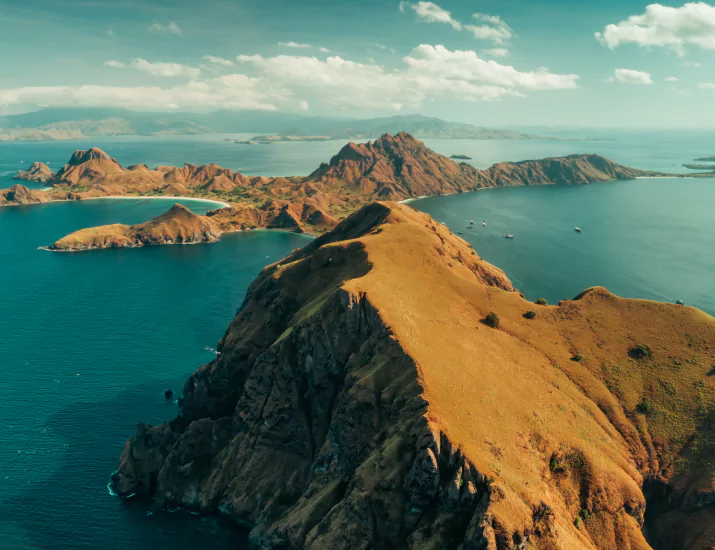
Don't miss the Komodo dragon treks on Rinca or Komodo Island, the sunrise hike at Padar Island, or the unique Pink Beach. Our resort arranges all land excursions between dive days.
Start Your Adventure
Ready to Dive Komodo?
Book your stay at Komodo Resort or join a liveaboard expedition. World-class diving, pristine reefs, and unforgettable marine encounters await.
FAQ
Frequently Asked Questions
What is the best time to dive in Komodo?
Komodo is diveable year-round. The dry season (April–November) brings calmer seas and 20–30m visibility, making it ideal for most divers. December–February is wet season with reduced visibility, but this is when massive manta ray migrations occur, and you can encounter 50–100 mantas at Manta Point or Mawan in a single dive.
Is Komodo diving suitable for beginners?
Absolutely. Sites like Siaba Besar, Kanawa Island, and parts of Tatawa Besar offer calm waters and shallow reefs perfect for newly certified divers. Our PADI 5-Star dive center provides guided dives with a maximum 4:1 diver-to-guide ratio, ensuring safety and personalized attention at every level.
What marine life will I see diving in Komodo?
Komodo delivers an extraordinary range: reef and oceanic manta rays, white-tip and grey reef sharks, giant trevallies, Napoleon wrasse, green and hawksbill turtles, pygmy seahorses, frogfish, over 200 nudibranch species, and pristine coral gardens with thousands of reef fish species. On land excursions, you'll also see the legendary Komodo dragons.
How do I get to Komodo for diving?
Fly to Labuan Bajo (LBJ) on Flores island. Direct flights operate daily from Bali (1.5 hours), Jakarta, and other Indonesian cities. From Labuan Bajo, our resort provides boat transfers to Sebayur Island (30 minutes). Alternatively, join one of our liveaboard trips that depart directly from Labuan Bajo harbor.
Should I dive from a resort or a liveaboard?
Both are excellent choices. Our resort on Sebayur Island offers daily boat trips to the best dive sites with the comfort of returning to your bungalow each evening. Our liveaboards, Komodo Sea Dragon and King Neptune, let you reach remote sites and maximize dive time with 3–4 dives per day. Many guests combine both for the ultimate Komodo experience.
How strong are the currents in Komodo?
Currents range from gentle to very strong depending on the site and tide. Sites like Batu Bolong and Shotgun can have powerful currents that make them thrilling drift dives but require experience. Our dive guides time every dive to match tidal conditions and group divers by experience level. Beginners are always taken to calmer sites.
What certification do I need for Komodo diving?
PADI Open Water (or equivalent) is the minimum for most sites. However, we strongly recommend Advanced Open Water certification to access the best drift dives at Castle Rock, Crystal Rock, and Shotgun. Our dive center offers courses from Discover Scuba to Divemaster, so you can upgrade your certification during your stay.
Are Komodo National Park fees included?
National park entrance fees are separate from dive packages and are paid on-site. Fees vary for domestic and international visitors and can change annually. Our team will advise you on current fees when you book. Liveaboard trips typically include park fees in the trip price.
Explore More
Continue Your Komodo Adventure
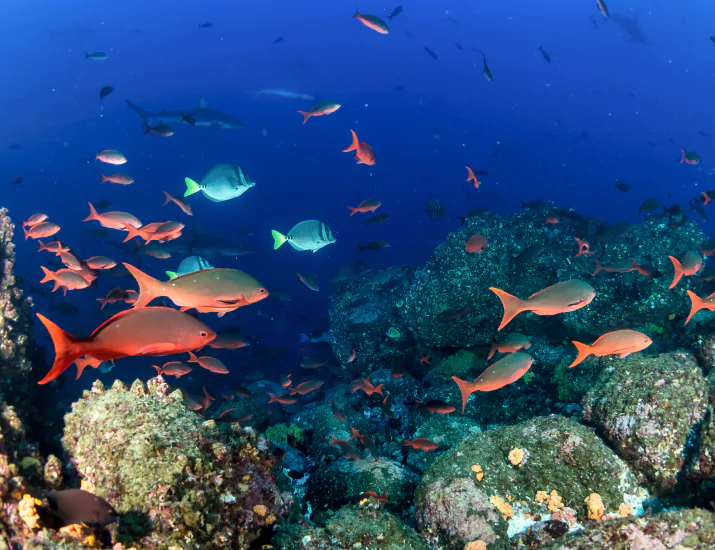
Komodo Dive Sites
Interactive map and comparison table for all 8 top dive sites in Komodo National Park.
Learn MoreDiving Conditions
Month-by-month guide to water temperature, visibility, currents, and gear.
Learn More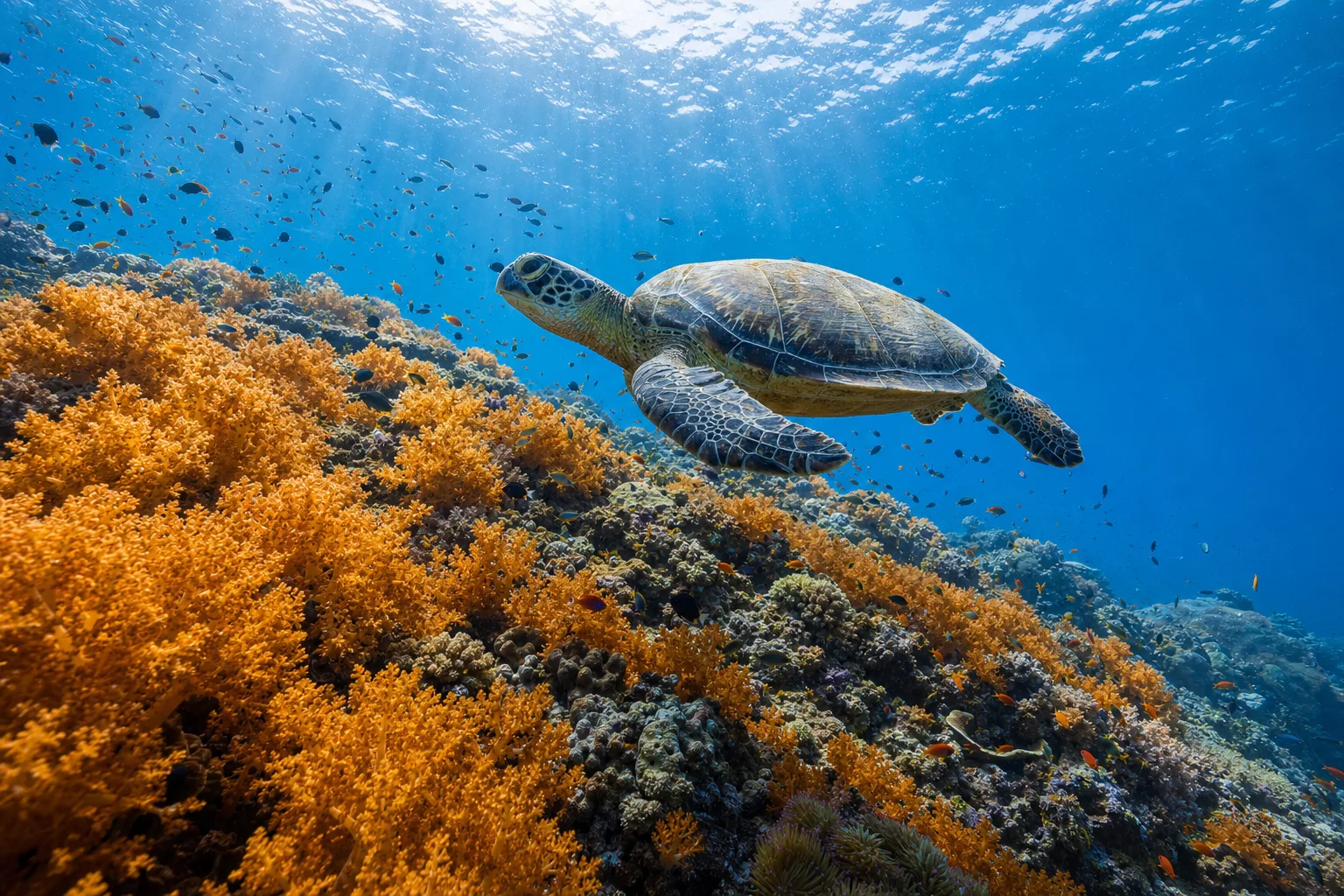
Marine Life Guide
Every species you can encounter on your Komodo dives, from mantas to nudibranchs.
Learn More
Komodo Dive Center
Our PADI 5-Star dive center with courses, equipment, and guided daily dive trips.
Learn More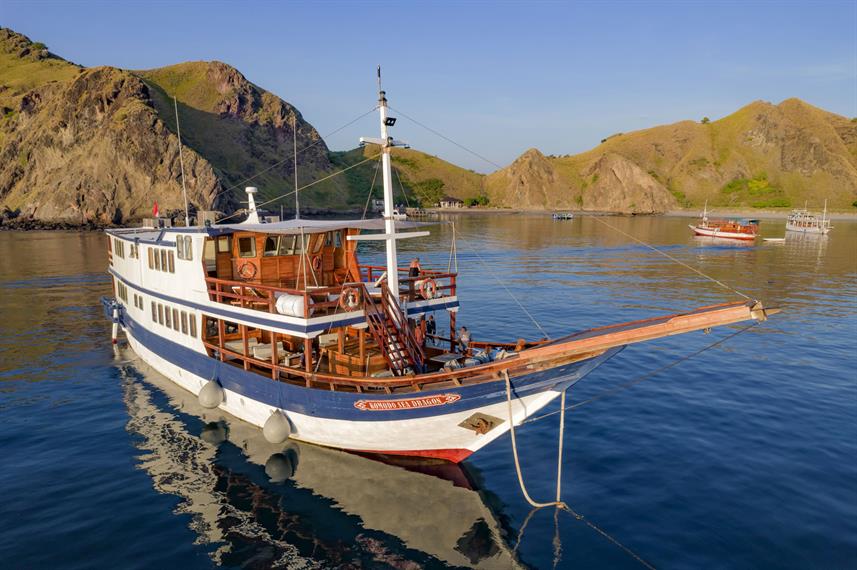
Komodo Liveaboard
Multi-day diving cruises aboard Komodo Sea Dragon exploring the best remote sites.
Learn More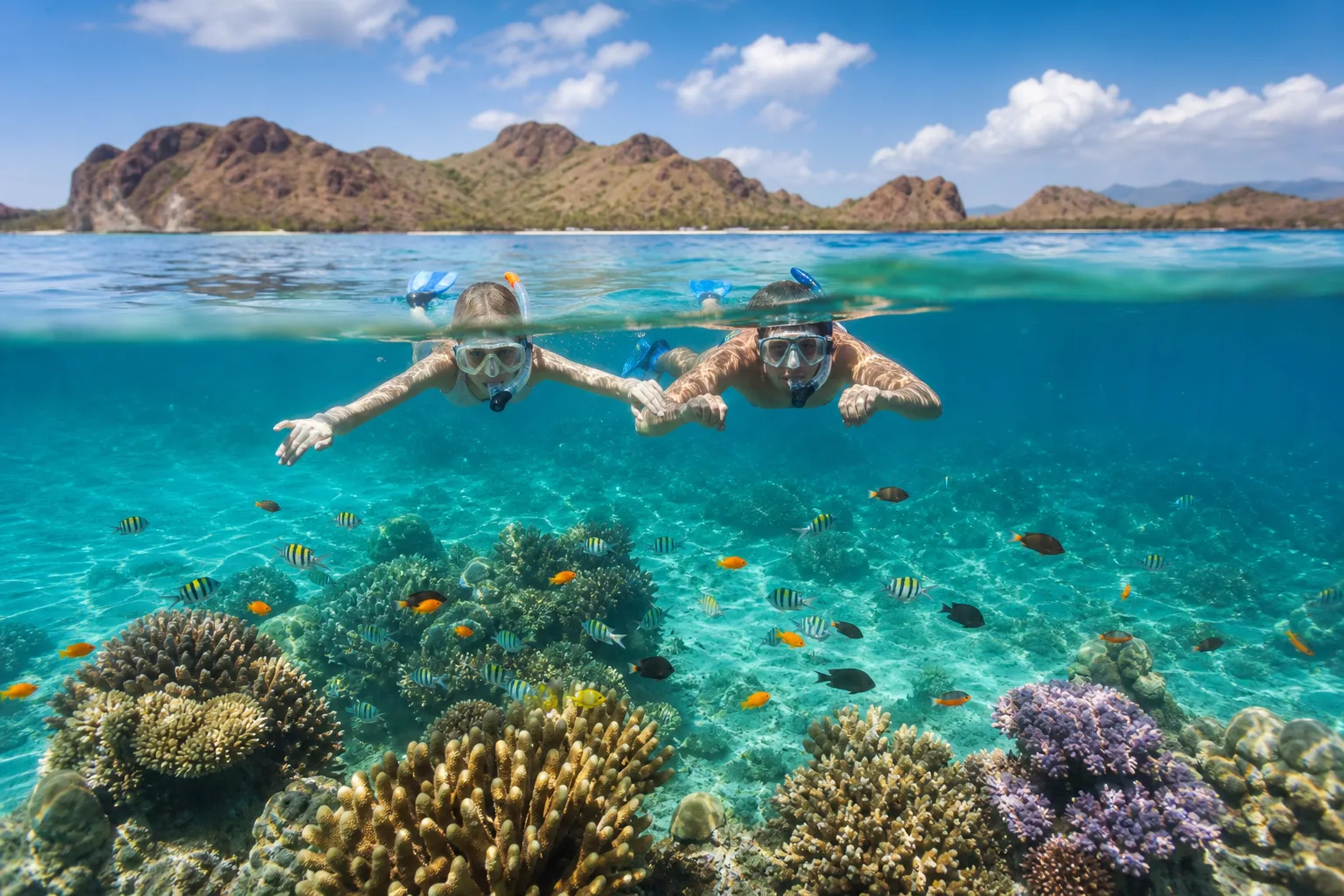
Komodo Snorkeling
Experience Komodo's vibrant underwater world without a dive certification.
Learn More