Indonésie Liveaboard
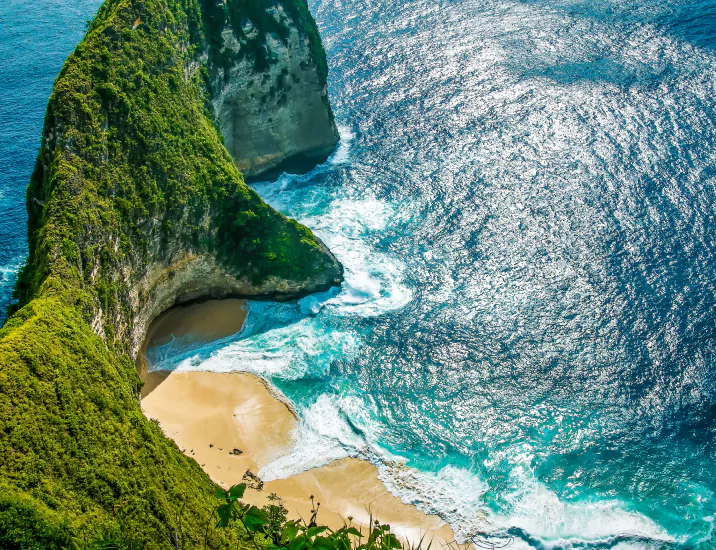
Les meilleures destinations de croisière en Indonésie : Komodo, Raja Ampat et la mer de Banda
Les croisières de plongée constituent le meilleur moyen de découvrir le monde sous-marin de l'Indonésie, car elles permettent aux plongeurs de passer beaucoup de temps à explorer différents sites sans devoir retourner à terre tous les jours. La durée la plus courante d'une croisière est le célèbre itinéraire de huit jours et sept nuits. Cependant, vous pouvez trouver des croisières allant jusqu'à 11 jours et dix nuits, en particulier pour les sites de plongée les plus éloignés et les plus inaccessibles, comme Serua dans la mer de Banda.

Quelles sont les 3 meilleures destinations pour les croisières en Indonésie ?
Les principales destinations de plongée en Indonésie sont Komodo, Raja Ampat et la mer de Banda, mais il ne fait aucun doute que l'exploration des sentiers battus est impressionnante, comme Maumere, Alor ou Wakatobi. Lorsque vous choisissez votre bateau de croisière, l'idéal est de toujours considérer l'un des bateaux de croisière de luxe, car ils touchent généralement tous les sites de plongée les plus éloignés.
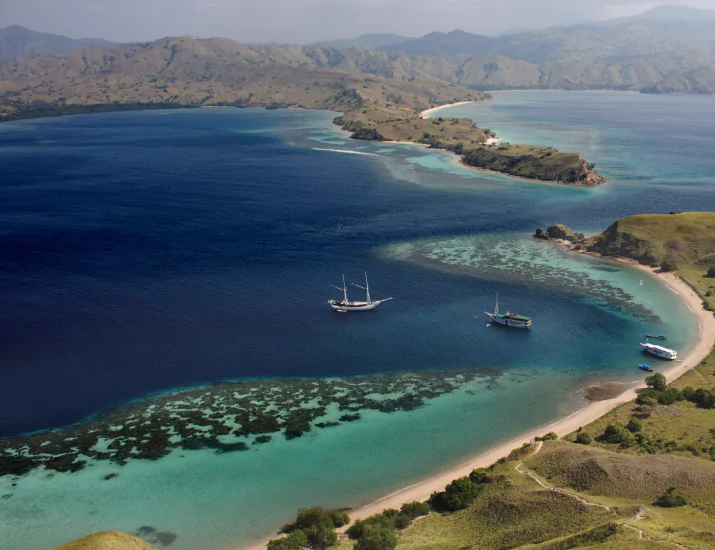
Komodo
Pour choisir la meilleure croisière de plongée pour votre aventure à Komodo, plusieurs facteurs sont à prendre en compte, tels que la taille du bateau, ses équipements et la qualité du service. Parmi les meilleures croisières de la région, on trouve le Mermaid I et II, qui proposent des cabines luxueuses et des ponts spacieux pour se détendre entre les plongées, ainsi que le Damai I et II, réputés pour leur service exceptionnel et leur cuisine gastronomique.
Parmi les autres options de croisières de premier plan dans la région, on trouve la flotte Siren, qui propose une gamme d'itinéraires de plongée et des installations de premier ordre, ainsi que l'Arenui, qui offre une expérience de plongée plus intime et personnalisée. En fin de compte, le meilleur bateau de croisière pour votre voyage dépendra de vos préférences et de votre budget. Quoi qu'il en soit, quelle que soit l'option que vous choisirez, vous vivrez sans aucun doute une aventure de plongée inoubliable dans le parc national de Komodo.
Observer les dragons de Komodo dans leur habitat naturel
Observer les dragons de Komodo dans leur milieu naturel est une expérience unique qui met en valeur la beauté sauvage de ces reptiles ancestraux. Ces créatures remarquables peuvent atteindre 3 mètres de long et peser jusqu'à 68 kg, alliant agilité, force et discrétion. En parcourant le terrain accidenté du parc, vous découvrirez la biologie et le comportement des dragons, ainsi que leur rôle dans l'écosystème local. De plus, votre guide, un garde forestier, vous présentera les efforts de conservation importants mis en place pour protéger les dragons de Komodo et leur habitat.
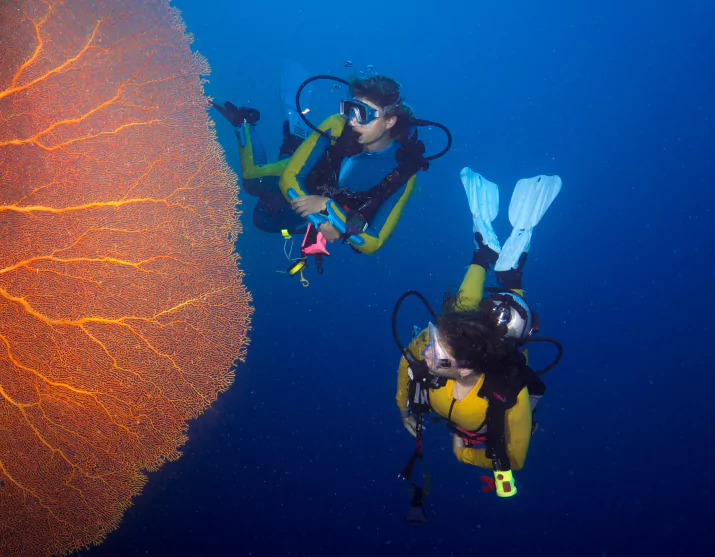
Plongée en apnée et plongée sous-marine
Les forts courants dans certaines zones du parc créent les conditions idéales pour la plongée en dérive, vous permettant de glisser au fil de l'eau et d'observer la vie aquatique sans effort. Les eaux autour du parc offrent d'excellentes possibilités de plongée avec tuba et de plongée sous-marine, avec une eau cristalline et une grande diversité d'espèces marines, notamment des raies manta et des tortues de mer, ainsi que des récifs coralliens colorés. Les sites de plongée les plus populaires sont Batu Bolong, Castle Rock et Manta Point.
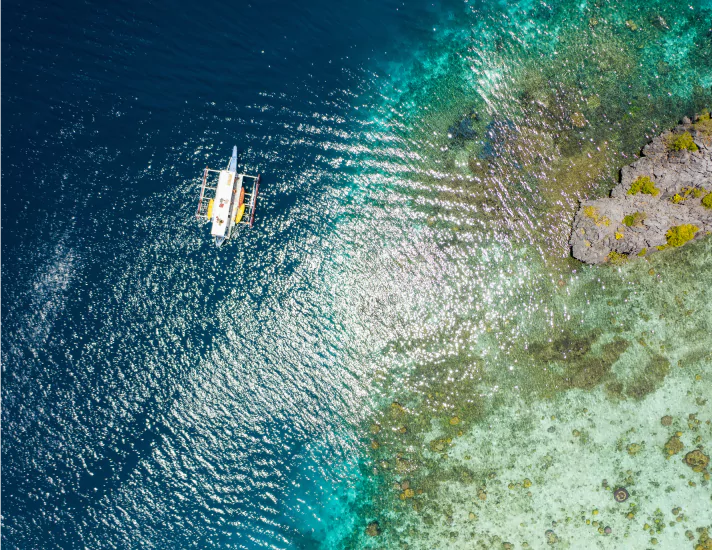
Explorer les îles environnantes
Le parc national est célèbre non seulement pour sa faune unique, comme le dragon de Komodo, mais aussi pour ses paysages naturels époustouflants. Les îles sont recouvertes de forêts denses, et de nombreux sentiers de randonnée mènent à des points de vue incroyables et à des cascades. De plus, les eaux entourant les îles abritent l'une des faunes marines les plus diversifiées au monde, ce qui en fait un paradis pour les plongeurs et les amateurs de snorkeling.
Visiter le parc national de Komodo est une expérience vraiment inoubliable et une destination incontournable pour quiconque se rend en Indonésie.
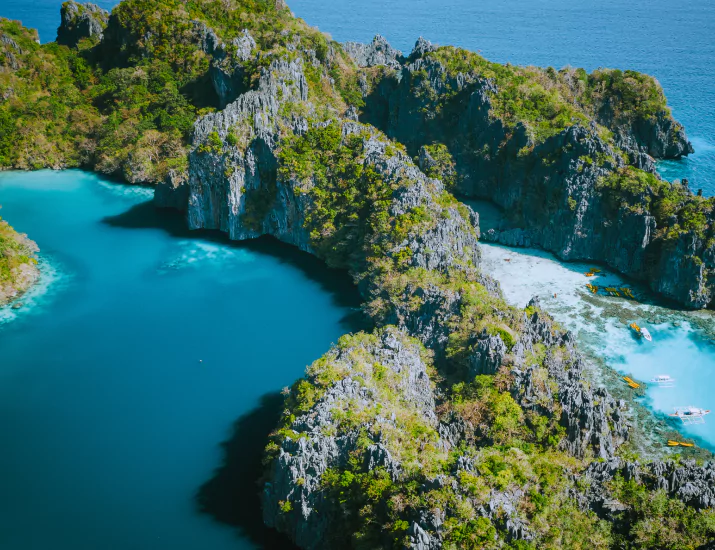
Aventures sous-marines sublimes
Le parc national est célèbre non seulement pour sa faune unique, comme le dragon de Komodo, mais aussi pour ses paysages naturels époustouflants. Les îles sont recouvertes de forêts denses, et de nombreux sentiers de randonnée mènent à des points de vue incroyables et à des cascades. De plus, les eaux entourant les îles abritent l'une des faunes marines les plus diversifiées au monde, ce qui en fait un paradis pour les plongeurs et les amateurs de snorkeling.
Visiter le parc national de Komodo est une expérience vraiment inoubliable et une destination incontournable pour quiconque se rend en Indonésie.
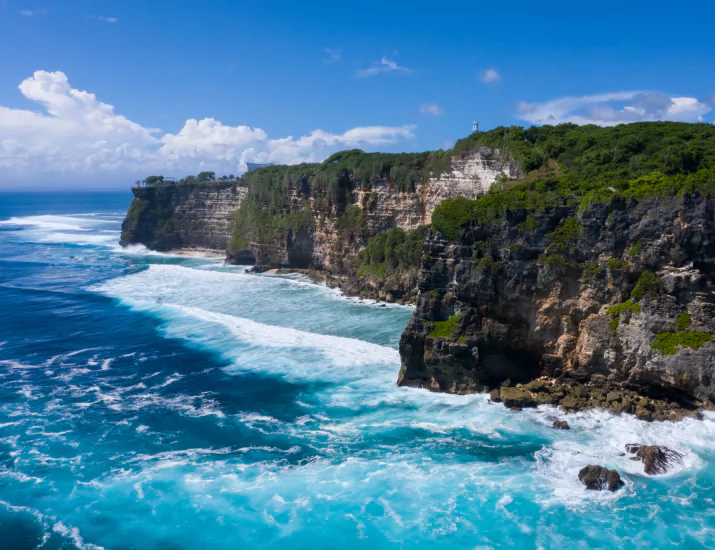
Raja Ampat
Outre sa beauté naturelle, Raja Ampat, situé dans l'est de l'Indonésie, est également riche en culture et en histoire. La région est habitée par le peuple autochtone papou, qui vit en harmonie avec l'environnement naturel depuis des siècles. Les visiteurs peuvent découvrir leurs coutumes, leurs traditions et leur mode de vie en échangeant avec les habitants et en visitant des villages traditionnels.
Dans l'ensemble, Raja Ampat, en Indonésie, est une destination unique et époustouflante qui offre une expérience incomparable aux plongeurs comme aux amoureux de la nature.
Voici trois activités recommandées pour profiter au maximum de votre séjour :
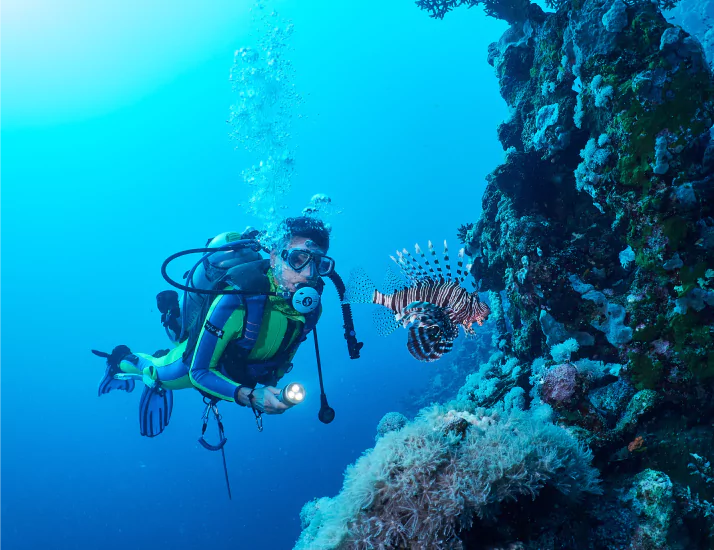
Plongée et plongée en apnée
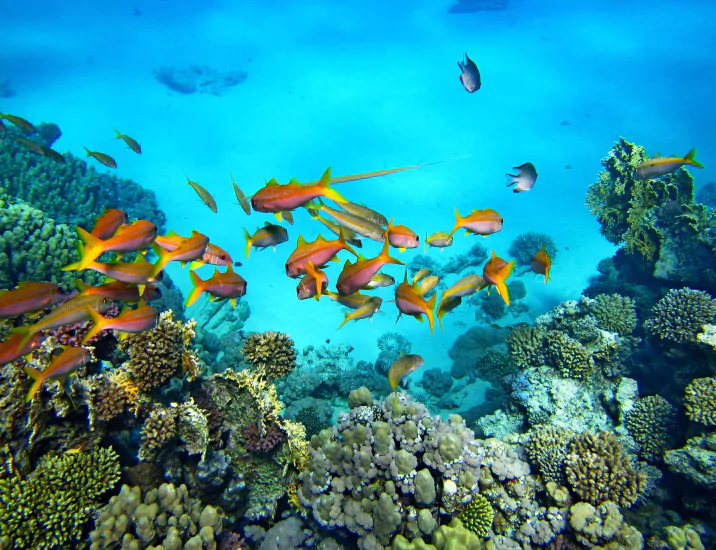
Le paysage sous-marin de Raja Ampat est un véritable régal pour les yeux des plongeurs et des amateurs de snorkeling. L'archipel offre des sites de plongée uniques, allant de parois abruptes et de cavernes à des pinacles sous-marins et des jardins de corail peu profonds. Les eaux riches en nutriments de Raja Ampat, en Indonésie, abritent un écosystème sain qui favorise le développement de formations coralliennes dures et mous, créant ainsi une toile de fond aux couleurs époustouflantes pour vos aventures sous-marines.
Sur l'île
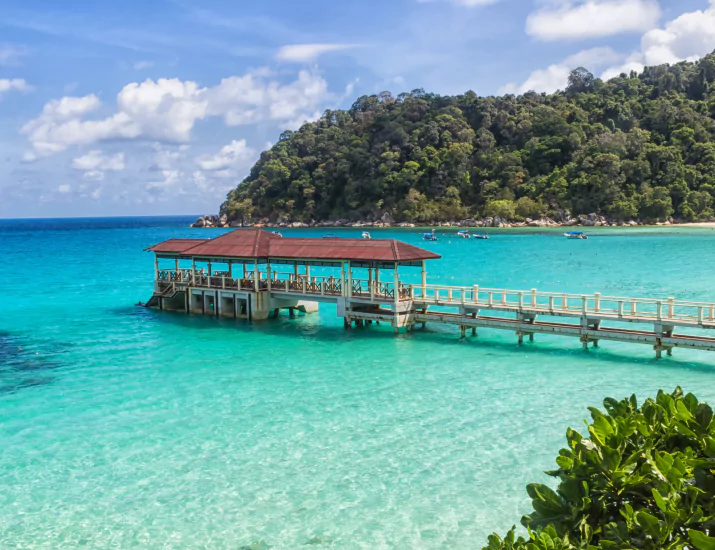
Chaque île de Raja Ampat offre une expérience unique, des plages de sable blanc immaculées aux jungles tropicales luxuriantes. Au fil de vos déplacements d'une île à l'autre, prenez le temps de vous immerger dans la culture locale en échangeant avec les communautés autochtones accueillantes, réputées pour leur chaleureuse hospitalité. Participez à des activités traditionnelles telles que le tissage, la cuisine ou la pêche, et découvrez leurs coutumes et leur mode de vie.
Observation des oiseaux
Alors que vous vous imprégnez de cet environnement serein, n'oubliez pas d'emporter des jumelles et un appareil photo pour immortaliser ces moments inoubliables. Imprégnez-vous de la beauté naturelle de Raja Ampat, en Indonésie, et laissez ses merveilles aviaires vous laisser un souvenir impérissable.
N'oubliez pas de respecter l'environnement et la culture locaux lors de votre visite à Raja Ampat, en Indonésie, en suivant toujours les pratiques du tourisme durable.
Mer de Banda
Si les requins-marteaux constituent l'attraction principale, les eaux entourant les îles Banda abritent également de superbes récifs coralliens, qui offrent des sites de plongée uniques pour les amateurs de macrophotographie. On peut également y observer des requins à pointe blanche, des requins à pointe grise et l'étonnant requin-renard.
De plus, la région possède une histoire riche, avec des forts de l'époque coloniale et des plantations d'épices qui permettent de se plonger dans le passé. Dans l'ensemble, les îles Banda offrent une expérience de plongée unique et inoubliable à ceux qui souhaitent explorer les sites de plongée moins fréquentés d'Indonésie et rencontrer certaines des créatures les plus impressionnantes de l'océan.
Voici trois activités populaires à faire dans la région :
Plongée sous-marine et plongée en apnée
Explorer l'île
circuit d'île en île dans la mer de Banda est aussi l'occasion de découvrir la riche histoire de la région et son importance lors du commerce des épices. Ces îles étaient autrefois la seule source mondiale de noix de muscade et de macis, ce qui a attiré les commerçants européens et a conduit à un passé tumultueux. De plus, au fil de votre exploration, vous découvrirez des vestiges de l'architecture coloniale, d'anciens forts et des musées historiques qui vous donneront un aperçu du passé de la région. La cuisine locale est également un atout majeur, car vous aurez l'occasion de déguster de délicieux plats mêlant influences indonésiennes et néerlandaises.
Observation de la faune et des oiseaux
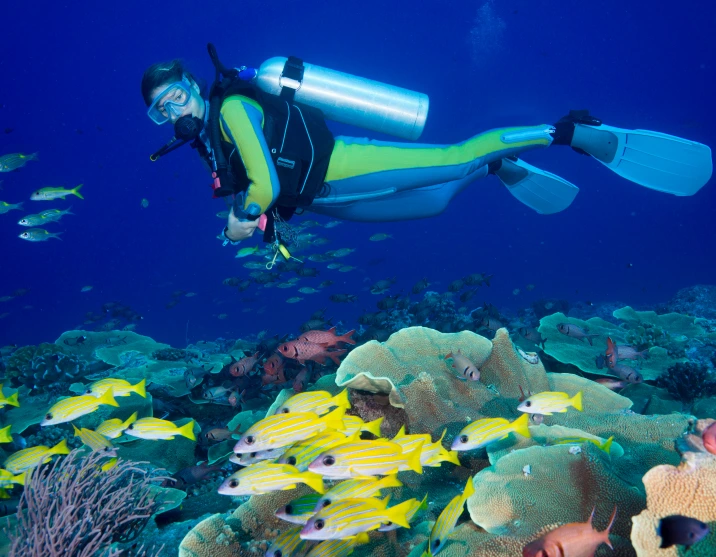
De plus, la région offre une expérience sous-marine unique alliant aventure et détente. Elle est également réputée pour son abondance de poissons pélagiques et de grands animaux marins, tels que les requins-marteaux, les requins-baleines et les dauphins, offrant aux plongeurs la chance d'observer ces créatures majestueuses de près. De plus, l'éloignement de la mer de Banda garantit que bon nombre de ses sites de plongée restent peu fréquentés et peu organisés, vous permettant ainsi de vous immerger pleinement dans la beauté du monde sous-marin.
Que dois-je savoir sur la plongée sous-marine en Indonésie ?
Connaître la meilleure période pour plonger en Indonésie
Comme la température de l'eau en Indonésie peut varier en fonction de la saison et du site de plongée, il est essentiel d'emporter un équipement adapté aux conditions locales. Par exemple, alors que la température de l'eau à Komodo est généralement chaude toute l'année, celle de Raja Ampat peut varier de très agréable à chaude selon la période de l'année. En se renseignant sur la saison de plongée optimale dans une région spécifique et en préparant leurs bagages en conséquence, les plongeurs peuvent optimiser leur confort et profiter pleinement de leur expérience de plongée en Indonésie.
Connaître les exigences en matière de certification de plongée
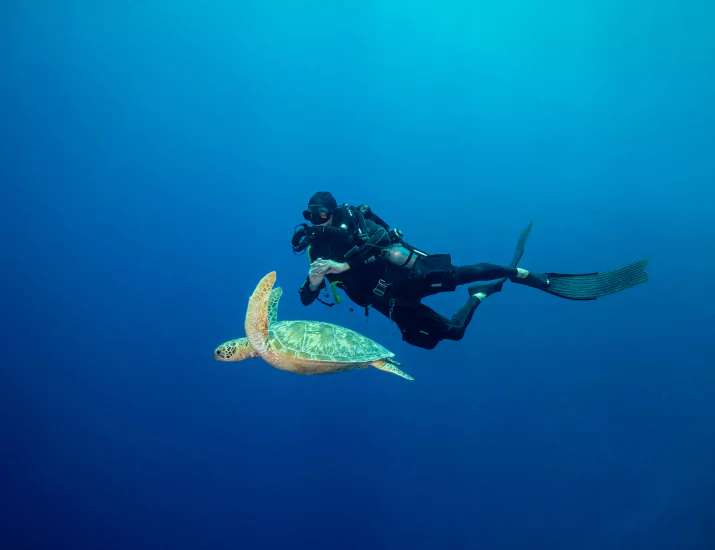
La plongée dépend toujours de l'expérience du plongeur ainsi que de son niveau de certification. Il est essentiel de tenir compte du niveau d'expérience requis lors de la planification d'un voyage de plongée en croisière en Indonésie. Toutes les compagnies de croisière exigent au minimum une certification Advanced Open Water avec au moins 25 plongées enregistrées. Il est essentiel de se renseigner sur les exigences spécifiques de chaque voyage et de s'assurer que vous disposez des certifications appropriées pour les plongées que vous allez effectuer, car certains sites de plongée présentent de forts courants frontaux et descendants qui ne conviennent pas aux plongeurs débutants.
Comment choisir sa croisière en Indonésie
Que vous choisissiez de réserver votre voyage auprès d'une agence de voyage en ligne telle que Neptune Liveaboard, il y a quelques éléments que vous devez vérifier au préalable :
- Les informations techniques du bateau : tonnage, nombre de cabines, approvisionnement en eau.
- Les équipements de sécurité du bateau : radeaux de sauvetage, GPS, GPS pour plongeurs, etc.
- Les photos du bateau et des cabines.
Mais surtout, les avis sont essentiels et doivent servir de base à votre décision finale. Les avis ne mentent jamais, et vous devriez vérifier les agences de voyage en ligne sur Google ou TripAdvisor.
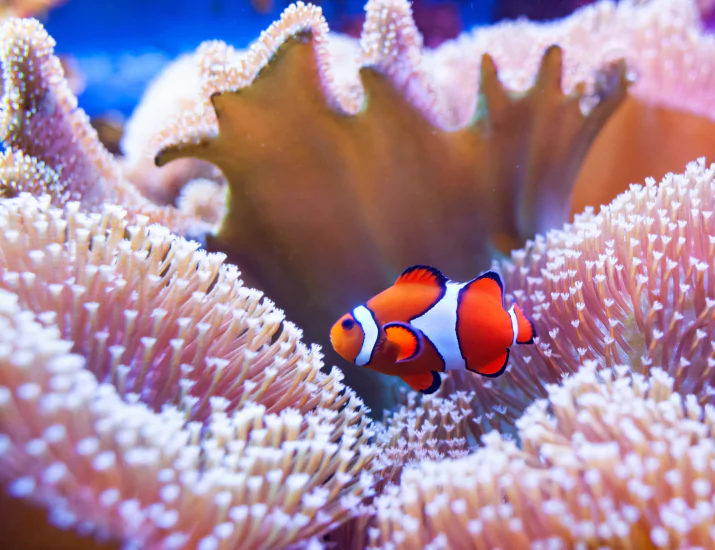
Savoir ce qu'il faut emporter à bord d'un bateau de croisière en Indonésie
Si vous possédez votre propre équipement de plongée, il est toujours conseillé de l'emporter avec vous. Les bateaux de croisière proposent la location de matériel de plongée moyennant un supplément, avec ou sans ordinateur de plongée.
Enfin, emportez suffisamment de vêtements pour la durée du voyage ou vérifiez auprès de l'organisateur s'il propose un service de blanchisserie. L'approvisionnement en eau est limité à bord des bateaux de croisière, et certains ne sont pas équipés de systèmes de dessalement.
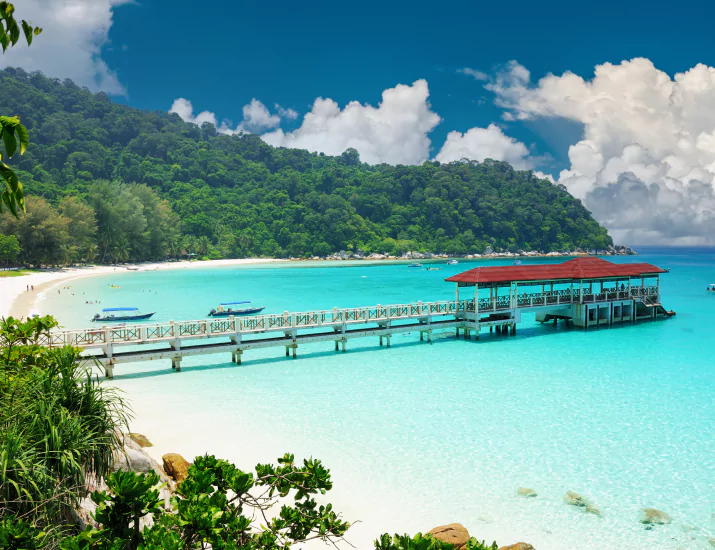
Dernières réflexions sur l'Indonésie Liveaboard
Un voyage à bord d'un bateau en Indonésie offre l'occasion de découvrir le mélange unique d'aventure, de culture et de détente qu'offre le pays, ce qui en fait une destination incroyable non seulement pour les plongeurs, mais aussi pour les non-plongeurs. Les visiteurs peuvent explorer des plages pittoresques, des jungles luxuriantes et des temples historiques, et s'immerger dans les arts et la cuisine locale animés. Que vous voyagiez en solo, entre amis ou en famille, un voyage en bateau en Indonésie offre des opportunités de plongée inégalées, des paysages à couper le souffle et une hospitalité chaleureuse, ce qui en fait une destination incontournable pour tout voyageur à la recherche d'une expérience vraiment inoubliable.
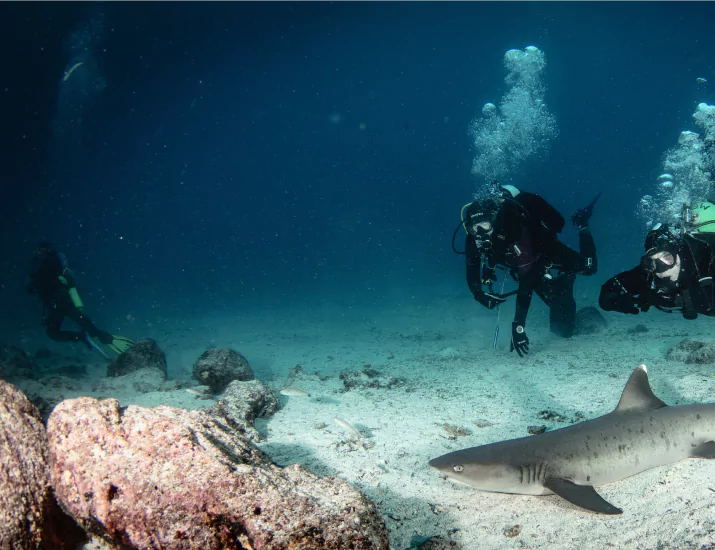
La durabilité dans la plongée à bord d'embarcations indonésiennes
En adoptant des pratiques respectueuses de l'environnement, comme l'utilisation de produits d'entretien biodégradables, la mise en place de systèmes de gestion des déchets et le soutien aux efforts de conservation locaux, les opérateurs de maisons flottantes préservent non seulement l'environnement marin, mais garantissent également sa durabilité à long terme. De plus, sensibiliser les clients aux pratiques de plongée responsables, qui consistent notamment à éviter tout contact avec les récifs coralliens et à ne pas perturber la vie marine, est un élément essentiel d'un mode de vie durable à bord des maisons flottantes. Grâce à une collaboration visant à protéger l'écosystème marin, les exploitants de maisons flottantes et leurs résidents peuvent contribuer à préserver la beauté naturelle et la biodiversité du monde sous-marin indonésien pour les générations futures.
Planification de votre voyage à bord d'un bateau de croisière en Indonésie
Les options de croisière en Indonésie sont si nombreuses qu'il peut être difficile de planifier un voyage. Les facteurs à prendre en compte sont les suivants :
 Les sites de plongée que vous souhaitez visiter.
 La durée du voyage.
 Le type de navire.
 Le niveau d'expérience requis.
Travailler avec une agence de voyage ou un opérateur de plongée réputé peut vous aider à vous assurer que votre expérience de croisière répond à vos attentes.
Capturer la photo sous-marine parfaite lors de votre voyage à bord d'une embarcation indonésienne
En consacrant suffisamment d'efforts pour se préparer et s'équiper correctement, les photographes peuvent capturer des images époustouflantes du monde sous-marin indonésien et créer des souvenirs durables de leur expérience à bord d'un navire.
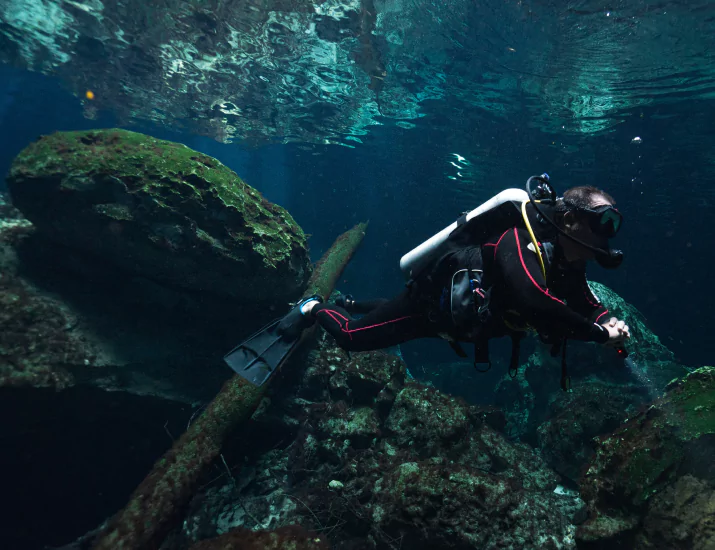
Sécurité de la plongée sur les bateaux de croisière indonésiens
En étant préparés, attentifs et prudents, les plongeurs peuvent contribuer à assurer leur sécurité et celle des autres à bord tout en profitant d'une plongée en croisière incroyable et inoubliable en Indonésie.
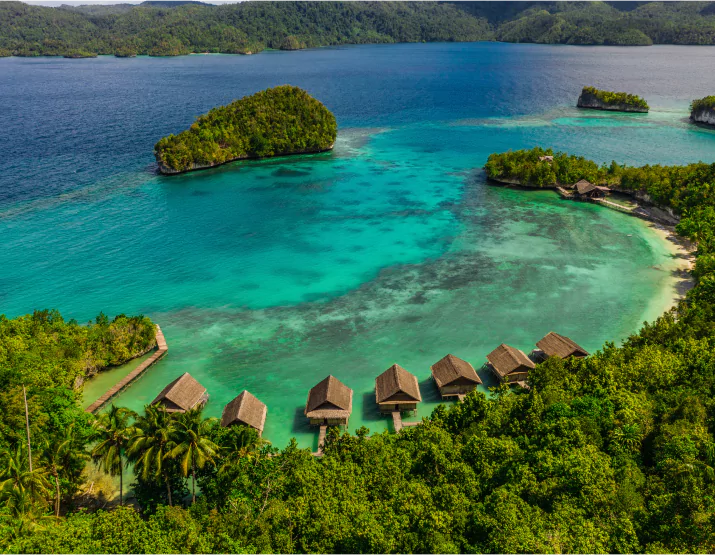
Explorer l'Indonésie au-delà de la plongée en bateau
Il existe de nombreuses autres façons de découvrir la beauté sous-marine de l'Indonésie, comme le snorkeling, l'apnée et la plongée sous-marine depuis le rivage. Les côtes indonésiennes sont parsemées de plages magnifiques et de centres de plongée de classe mondiale qui offrent un accès facile aux écosystèmes sous-marins vibrants du pays.
Quelle que soit la façon dont vous choisissez d'explorer les merveilles naturelles de l'Indonésie, il est important de se rappeler que le tourisme responsable est essentiel pour préserver l'environnement et la culture uniques du pays. En choisissant des opérateurs écologiques et socialement responsables, vous pouvez vous assurer que votre voyage profite aux communautés locales et à l'environnement naturel.
Il offre une expérience vraiment inoubliable qui combine le frisson de l'exploration sous-marine avec la beauté des paysages naturels et la richesse culturelle de l'Indonésie.
Questions fréquemment posées sur la plongée en Indonésie
Quelle est la meilleure période pour plonger en Indonésie ?
Les saisons de plongée en Indonésie sont les suivantes :
Komodo - avril à août
Raja Ampat - novembre à mars
Quelle est l'expérience recommandée pour plonger en Indonésie ?
Les débutants et les plongeurs non certifiés peuvent pratiquer la plongée en Indonésie. Cependant, pour les bateaux de croisière, il est fortement recommandé d'être titulaire d'un certificat Advanced Open Water et d'avoir effectué au moins 25 plongées.
Qu'est-ce qu'un bateau de croisière en Indonésie ?
Un bateau de croisière en Indonésie est un type de bateau qui fournit l'hébergement, les repas et les excursions de plongée ou de snorkeling pour explorer la diversité de la vie marine des nombreuses îles et récifs d'Indonésie.
Quelles sont les meilleures périodes de l'année pour partir à bord d'un bateau de croisière en Indonésie ?
La meilleure période pour partir en croisière en Indonésie dépend de la région et de vos intérêts. En général, la saison sèche, d'avril à octobre, est une période populaire pour la plongée et le snorkeling.
Quels types de vie marine puis-je m'attendre à voir lors d'une croisière en Indonésie ?
L'Indonésie abrite une incroyable variété de vie marine, notamment des récifs coralliens colorés, des poissons tropicaux, des requins, des tortues et même des raies manta et des requins-baleines dans certaines régions.
Quelle est la durée habituelle d'un voyage en Indonésie à bord d'un bateau de pêche ?
Les voyages en Indonésie à bord d'un bateau de croisière peuvent durer de quelques jours à plusieurs semaines, en fonction de l'itinéraire et de la région que vous visitez.
Comment se passe l'hébergement sur un bateau de croisière en Indonésie ?
L'hébergement sur les bateaux de croisière indonésiens peut varier, mais en général, les cabines sont confortables et équipées de l'air conditionné, de salles de bains privées et d'espaces de rangement.
Combien de personnes sont généralement présentes sur un bateau de croisière en Indonésie ?
Le nombre de personnes à bord d'une croisière en Indonésie varie, mais la plupart des bateaux peuvent accueillir entre 10 et 20 personnes.
Comment est la nourriture sur un bateau de croisière en Indonésie ?
La nourriture sur les bateaux de croisière indonésiens est généralement fraîchement préparée et variée, avec un mélange de cuisine indonésienne et occidentale. Les végétariens et autres régimes alimentaires peuvent généralement être pris en compte avec un préavis.
Prendre contact
Vous avez une question ? Nous sommes ravis de vous entendre. Envoyez-nous un message et nous vous répondrons dans les plus brefs délais.
Nous contacter