Casa   > Komodo Liveaboard

Komodo Liveaboard

The Ultimate Komodo Liveaboard Experience

Assicurazione subacquea gratuita su tutti i viaggi

Abbiamo collaborato con DiveAssure per fornire un'assicurazione gratuita contro gli infortuni subacquei per l'intero viaggio in liveaboard. Applicabile solo alle prenotazioni dirette.

Assicurazione subacquea gratuita

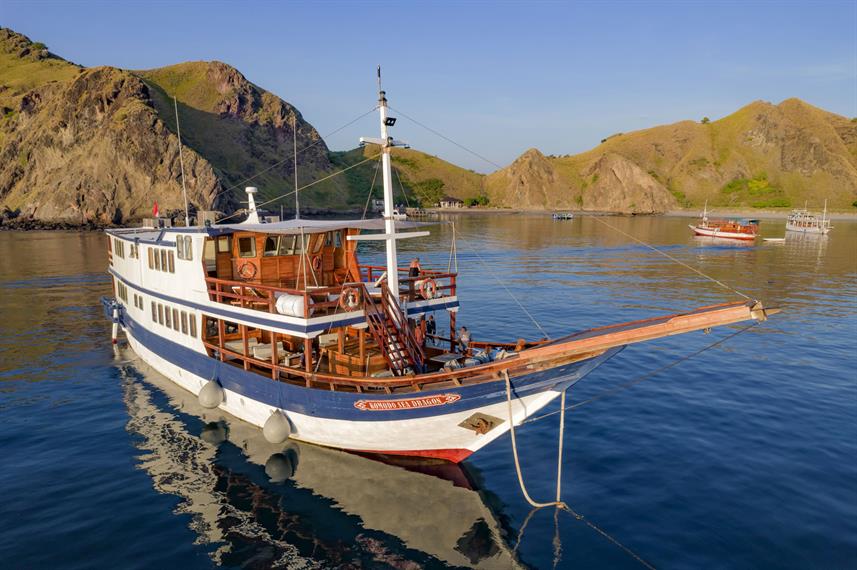
A Komodo liveaboard is the ultimate way to experience the extraordinary underwater world of Komodo National Park. Living aboard a vessel as you cruise through the Indonesian archipelago gives you unmatched access to remote dive sites, pristine coral reefs, and encounters with manta rays, sharks, and over 1,000 species of tropical fish that make this UNESCO World Heritage Site one of the most biodiverse marine environments on the planet.


A Komodo liveaboard is the ultimate way to explore Komodo National Park — living aboard a comfortable vessel while diving world-class sites across the entire marine reserve. Unlike day trips from shore, a Komodo liveaboard lets you wake up at the dive site, explore the park's most remote corners from north to south, and dive legendary sites like Batu Bolong, Manta Point, Crystal Rock, and Castle Rock with the intimacy that only a small-group expedition can offer.


With dedicated diving tenders, PADI-certified dive masters, all-inclusive full-board dining, and land excursions to see Komodo dragons and trek Padar Island, a Komodo liveaboard trip is far more than a dive vacation — it is a complete exploration of one of the last true natural wonders on earth.


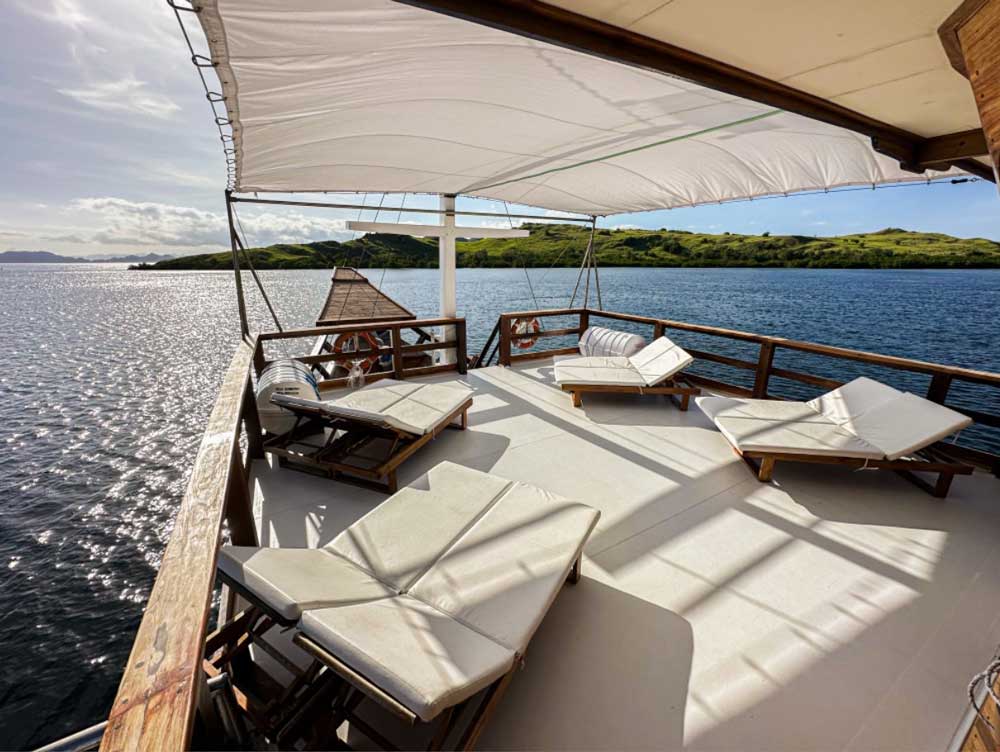
Guests relaxing on the sun deck of a Komodo liveaboard at sunset

Why Choose a Komodo Liveaboard

A Komodo liveaboard offers advantages that no shore-based dive operation can match. You gain access to the full breadth of Komodo National Park — from the nutrient-rich channels of Central Komodo to remote southern reefs that most visitors never reach. There are no crowded day boats, no long commutes across open water, and no rushing between sites.

Aboard a Komodo liveaboard, you wake up anchored at the dive site. Your days follow a relaxed rhythm: early morning dive at dawn, a second dive mid-morning, lunch on deck with panoramic ocean views, an afternoon dive or land excursion, and evenings spent sharing stories over fresh Indonesian and Western cuisine. With small groups, every moment feels personal — whether you are diving alongside manta rays or watching the sunset from the top deck.

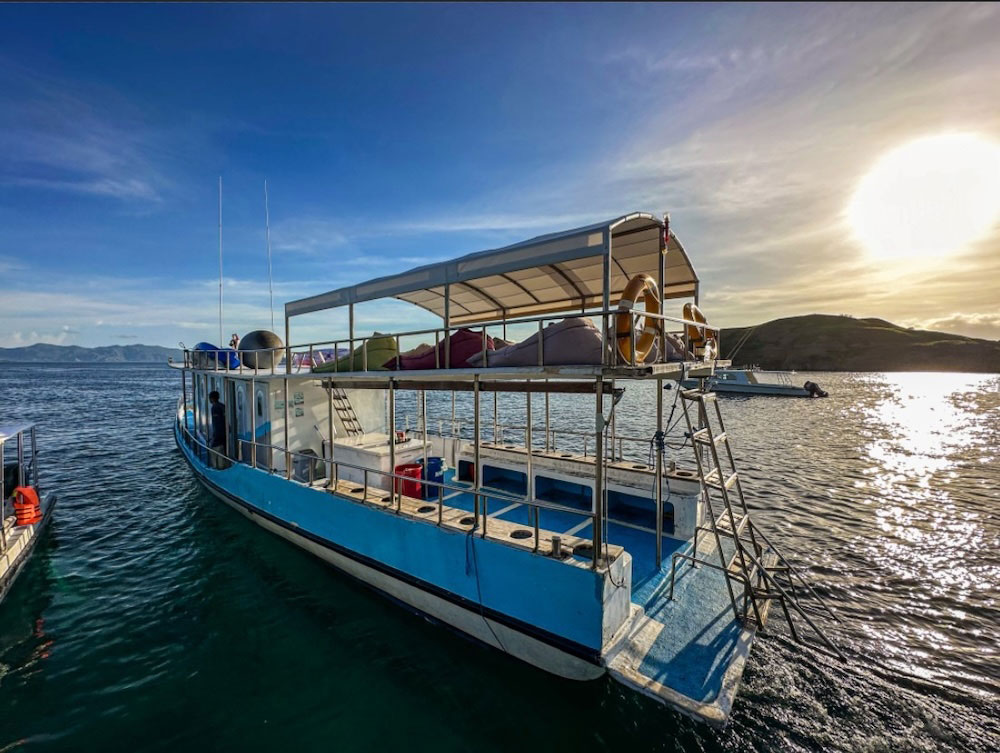
Divers on a tender boat heading to a dive site in Komodo National Park

World-Class Dive Sites in Komodo National Park

Komodo National Park is consistently ranked among the top five dive destinations on earth, and a Komodo liveaboard is the only way to experience all of it. The park spans 1,733 square kilometers of marine-protected waters where powerful currents deliver nutrient-rich upwellings that sustain an extraordinary density of marine life.

On a typical Komodo liveaboard itinerary, you will visit Batu Bolong — a pinnacle teeming with reef sharks, giant trevally, and Napoleon wrasse; Manta Point — where oceanic manta rays glide through cleaning stations; Crystal Rock — a submerged pinnacle surrounded by walls of fusiliers and sweetlips; Castle Rock — where strong currents attract white-tip reef sharks and eagle rays; Shotgun — a thrilling drift dive through a narrow channel; and Manta Alley — a seasonal gathering place for dozens of feeding mantas.

Scegliete il vostro viaggio preferito

Both liveaboards are owned and operated by Komodo Resort

Data di inizio
Itinerario
Prezzo
Selezionare
26
MAR
Komodo National Park (Labuan Bajo - Labuan Bajo)
5 Days/4 Nights
Offerta speciale
1.890 -25%
1.418
Disponibile
01
APR
Komodo National Park (Labuan Bajo - Labuan Bajo)
5 Days/4 Nights
Offerta speciale
1.890 -20%
1.512
Disponibile
07
APR
Komodo National Park (Labuan Bajo - Labuan Bajo)
8 Days/7 Nights
Offerta speciale
3.024 -10%
2.722
Soltanto 4 spot rimasti!
16
APR
Komodo National Park (Labuan Bajo - Labuan Bajo)
6 Days/5 Nights
Offerta speciale
2.268 -10%
2.042
Soltanto 2 spot rimasti!
23
APR
Komodo National Park (Labuan Bajo - Labuan Bajo)
8 Days/7 Nights
Offerta speciale
3.024 -10%
2.722
Soltanto 4 spot rimasti!
01
MAG
Komodo National Park (Labuan Bajo - Labuan Bajo)
6 Days/5 Nights
Starting From
2.268
ESAURITO
26 MAR
Komodo National Park (Labuan Bajo - Labuan Bajo)
5 Days/4 Nights
Offerta speciale
1.890
-25%
1.418
Disponibile
01 APR
Komodo National Park (Labuan Bajo - Labuan Bajo)
5 Days/4 Nights
Offerta speciale
1.890
-20%
1.512
Disponibile
07 APR
Komodo National Park (Labuan Bajo - Labuan Bajo)
8 Days/7 Nights
Offerta speciale
3.024
-10%
2.722
Soltanto 4 spot rimasti!
16 APR
Komodo National Park (Labuan Bajo - Labuan Bajo)
6 Days/5 Nights
Offerta speciale
2.268
-10%
2.042
Soltanto 2 spot rimasti!
23 APR
Komodo National Park (Labuan Bajo - Labuan Bajo)
8 Days/7 Nights
Offerta speciale
3.024
-10%
2.722
Soltanto 4 spot rimasti!
01 MAG
Komodo National Park (Labuan Bajo - Labuan Bajo)
6 Days/5 Nights
A partire da
2.268
ESAURITO
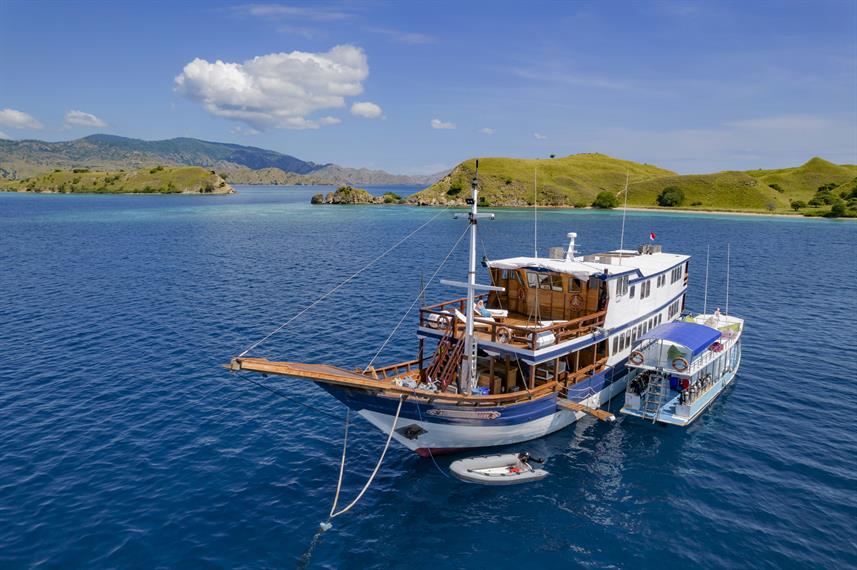
Komodo liveaboard sailing through turquoise waters in Komodo National Park

Best Time for a Komodo Liveaboard Trip

Komodo liveaboard trips operate year-round, and every season brings something special. April to December is the high season — water temperatures range from 26–29°C, visibility extends to 30 meters, and calm seas make it ideal for exploring every corner of the park. The southern dive sites around Horseshoe Bay and Manta Alley are at their best during these months.

January and February bring the monsoon, with warmer surface temperatures and plankton-rich waters that trigger one of nature's greatest spectacles: the annual manta ray migration. Hundreds of mantas gather in southern Komodo, and for experienced divers willing to brave slightly reduced visibility, this season offers encounters that are simply unforgettable. March serves as a transition month with improving conditions and fewer visitors — a hidden gem for those seeking a quieter Komodo liveaboard experience.

Komodo dragon on the shore with liveaboard in the background

Beyond Diving — Komodo Island Excursions

A Komodo liveaboard experience extends far beyond the underwater world. Between dives, our itineraries include guided land excursions that bring you face-to-face with the legendary Komodo dragons on Komodo Island and Rinca Island — the only places on earth where these ancient predators roam in the wild.

Trek to the summit of Padar Island for panoramic views across three crescent-shaped bays of black, white, and pink sand. Spend an afternoon swimming at Pink Beach, one of only seven pink sand beaches in the world, where the coral-tinted shoreline meets crystal-clear snorkeling waters. Watch thousands of flying foxes take flight at dusk from Kalong Island, and explore hidden mangrove lagoons that few visitors ever see. These moments of natural wonder between dives are what make a Komodo liveaboard trip truly unforgettable.

How to Get to Komodo — Travelling to Labuan Bajo

All Komodo liveaboard trips depart from Labuan Bajo, a small but rapidly growing port town on the western tip of Flores island in East Nusa Tenggara, Indonesia. Labuan Bajo serves as the gateway to Komodo National Park and has become one of Indonesia's most popular travel destinations in its own right, with a growing selection of hotels, restaurants, and dive shops lining its waterfront harbour.

Getting to Labuan Bajo is straightforward. Komodo Airport (LBJ) receives daily direct flights from Bali (Ngurah Rai International Airport, DPS) — a journey of approximately 1 hour and 15 minutes. Multiple airlines operate this route, including Garuda Indonesia, Batik Air, Lion Air, Wings Air, and NAM Air. Direct flights are also available from Jakarta (Soekarno-Hatta) at around 2.5 hours, and from Surabaya (Juanda) at roughly 1.5 hours. During peak season (July–September), additional charter and seasonal routes may operate from other Indonesian cities.

Komodo Airport is small but modern, located just 10 minutes by car from the harbour where liveaboards are moored. Most liveaboard operators, including Komodo Resort, arrange complimentary airport transfers on departure day. If you are arriving a day early — which we recommend to avoid the stress of same-day connections — Labuan Bajo offers accommodation ranging from budget guesthouses to luxury hillside resorts with panoramic harbour views.

For international visitors, Indonesia offers visa-free entry for citizens of over 90 countries for stays of up to 30 days. Citizens of other countries can obtain a Visa on Arrival (VOA) at major Indonesian airports, including Bali, for approximately USD 35. Your passport must be valid for at least six months from the date of arrival. We recommend checking the latest Indonesian immigration requirements before booking your flights, as visa policies can change.

Many guests choose to combine their Komodo liveaboard trip with a stay at Komodo Resort, arriving a few days before the liveaboard departure to relax, dive the house reef, enjoy spa treatments, and acclimatise to the tropical climate. Our team handles the seamless transfer between the resort and the liveaboard, so you can focus entirely on enjoying your holiday.

Komodo Liveaboard Seasons — A Month-by-Month Guide

One of the most common questions from guests planning a Komodo liveaboard trip is: when is the best time to go? The honest answer is that every season in Komodo National Park offers something remarkable. The park lies at the convergence of the Indian Ocean and the Flores Sea, creating a unique marine environment where conditions shift throughout the year — and each shift brings different marine encounters.

April to June marks the beginning of the dry season. Winds calm, visibility steadily improves from 15 to 25 meters, and water temperatures settle around 26–28°C. The southern manta season is winding down, but the northern dive sites — Batu Bolong, Crystal Rock, Castle Rock — are coming into their prime. These months offer an excellent balance of good conditions and fewer crowds, making them ideal for divers who prefer a quieter experience.

July to September is peak season. The seas are at their calmest, visibility regularly reaches 25–30 meters, and water temperatures hover around 27–29°C. Every dive site in the park is accessible, and the underwater landscape is at its most vibrant. This is the most popular period for Komodo liveaboard trips, and itineraries often sell out three to six months in advance. If you plan to travel during peak season, early booking is essential.

October and November serve as a transition period. The first rains appear, but diving conditions remain excellent. Visibility stays between 15 and 25 meters, and the gradual increase in plankton begins to attract larger pelagic visitors. These months are a hidden gem — fewer tourists, lower prices, and the exciting anticipation of manta season beginning in the south.

December to March brings the wet season and the monsoon. While rain is more frequent and southern seas can be rougher, this period is paradoxically the best time for manta ray encounters. Plankton-rich upwellings in southern Komodo attract hundreds of manta rays to feeding and cleaning stations at Manta Alley and Manta Point. Water temperatures are warm at 28–30°C, and while visibility may drop to 10–15 meters in some areas, the sheer density of marine life more than compensates. Many experienced divers consider the wet season the most thrilling time to dive Komodo.

Currents are a defining feature of diving in Komodo National Park year-round. The powerful tidal exchanges between the Indian and Pacific Oceans create nutrient-rich currents that sustain the park's extraordinary biodiversity. These currents range from gentle to strong depending on the site, tide, and moon phase. Experienced dive guides plan every dive around current conditions, selecting sites and entry points to ensure safe and spectacular dives for all experience levels.

Marine Life in Komodo National Park

Komodo National Park sits at the heart of the Coral Triangle, the global epicentre of marine biodiversity. This vast region spanning Indonesia, the Philippines, Malaysia, Papua New Guinea, the Solomon Islands, and Timor-Leste contains over 75% of all known coral species and more than 3,000 species of reef fish. Within this already extraordinary region, Komodo stands out as one of the richest marine environments on the planet — a place where the density and variety of life underwater is truly staggering.

The undisputed stars of Komodo are the manta rays. Two species inhabit the park: the reef manta ray (Mobula alfredi) and the larger oceanic manta ray (Mobula birostris), which can reach wingspans of over 7 meters. Mantas are encountered year-round at cleaning stations where small cleaner wrasses remove parasites from their gills and skin. During the wet season (December–March), aggregations of 50 or more mantas are not uncommon at sites like Manta Alley and Manta Point, where they gather in plankton-rich waters to feed.

Sharks are a common sight on almost every dive. White-tip reef sharks rest on sandy ledges and patrol the reef edges, while black-tip reef sharks cruise the shallows. Grey reef sharks are frequent visitors to current-swept pinnacles like Castle Rock and Crystal Rock. During the cooler months, lucky divers may encounter hammerhead sharks in the deeper blue waters beyond the reef. Whale sharks are rare but documented visitors, particularly in the nutrient-rich channels between islands.

Beyond the megafauna, Komodo's reefs teem with a mesmerising diversity of smaller creatures. Macro enthusiasts will find pygmy seahorses clinging to sea fans, ornate ghost pipefish hiding among crinoids, blue-ringed octopus in rubble fields, and a kaleidoscope of nudibranchs — from the tiny Shaun the Sheep nudibranch to the dramatic Spanish dancer. Frogfish in every colour lurk on sponges, and cuttlefish display hypnotic colour changes during their mating displays.

The coral reefs themselves are among the healthiest in Southeast Asia. Over 260 species of reef-building coral have been recorded in the park, creating vast underwater gardens that support thousands of species of invertebrates and fish. Schools of thousands of fusiliers, surgeonfish, and anthias swirl above the reef in a living wall of colour. Napoleon wrasse, giant sweetlips, bumphead parrotfish, and moray eels of every size are regular residents. Eagle rays glide past in formation, sea turtles rest on coral bommies, and at night, the reef transforms as Spanish dancers, crabs, shrimp, and nocturnal predators emerge from their hiding places.

Komodo Island Tours — What to See on Land

While diving is the primary draw of a Komodo liveaboard, the land excursions woven into every itinerary are equally memorable. The islands of Komodo National Park are as wild and dramatic above the waterline as they are below, offering landscapes, wildlife encounters, and cultural experiences that you simply cannot find anywhere else on earth.

Komodo Island is the largest island in the park and the original home of the Komodo dragon — the world's largest living lizard, growing up to 3 meters long and weighing over 70 kilograms. Ranger-guided treks through the island's dry savannah take you past dragon nesting sites, water holes where dragons congregate, and through forests where wild deer, water buffalo, and wild boar — the dragon's primary prey — graze cautiously. The rangers are deeply knowledgeable about dragon behaviour and ensure a safe viewing distance at all times.

Rinca Island offers a similar experience with some notable advantages. The island is closer to Labuan Bajo, the dragons are often encountered closer to the ranger station, and the treks tend to be shorter and less strenuous. Many experienced guides consider Rinca the better island for dragon encounters, as the animals are frequently seen near the kitchen area of the ranger station, attracted by the smell of food. The trek also passes through diverse habitats — mangrove forest, dry grassland, and tropical woodland — offering excellent birdwatching opportunities.

Padar Island has become one of the most photographed locations in all of Indonesia. The 30-minute hike to the summit rewards you with a breathtaking 360-degree panorama of three crescent-shaped bays — one with black volcanic sand, one with pristine white sand, and one with the distinctive pink sand that Komodo is famous for. Most liveaboard itineraries schedule the Padar hike at sunrise, when the light is golden and the air is cool. It is a moderately steep climb on a well-maintained trail, and the views from the top are worth every step.

Pink Beach (Pantai Merah) is one of only seven pink sand beaches in the world. The distinctive rose-coloured sand is created by fragments of red organ-pipe coral (Tubipora musica) mixing with white sand. The beach is fringed by shallow reef that offers exceptional snorkeling directly from shore — colourful coral gardens, clownfish, parrotfish, and sea turtles are regularly spotted in waist-deep water. It is one of the most relaxing stops on any Komodo liveaboard itinerary.

Kalong Island provides one of the park's most spectacular natural shows. At dusk, thousands of giant flying foxes (fruit bats with wingspans of up to 1.5 meters) emerge from the mangrove trees and take flight across the sunset sky in a dark, swirling cloud. Liveaboards typically anchor nearby and guests watch the spectacle from the deck with drinks in hand — a truly unforgettable experience that bridges the gap between a day of diving and an evening of relaxation.

Snorkeling on a Komodo Liveaboard

Komodo National Park is not just a world-class diving destination — it is equally spectacular for snorkeling. The park's warm, clear waters, shallow reefs, and abundant marine life make it one of the best snorkeling destinations in Southeast Asia, and a Komodo liveaboard ensures you visit the finest spots that are impossible to reach on day trips from shore.

Several sites on a typical Komodo liveaboard itinerary are specifically chosen for their snorkeling quality. Pink Beach offers shallow coral gardens teeming with tropical fish just meters from the shoreline. Siaba Island is famous for its resident sea turtles — snorkelers regularly swim alongside green and hawksbill turtles grazing on seagrass beds. Kanawa Island features a pristine house reef with excellent visibility, colourful soft corals, and clouds of damselfish. And the Taka Makassar sandbar — a strip of white sand that appears at low tide surrounded by turquoise water — is one of the most photogenic snorkeling locations in Indonesia.

One of the most thrilling snorkeling experiences in Komodo is swimming with manta rays. At sites like Manta Point, where the water is shallow enough for snorkelers, these gentle giants glide just below the surface as they feed on plankton. Watching a manta ray with a 4-meter wingspan pass silently beneath you is an experience that stays with you for a lifetime.

On a Komodo liveaboard, snorkelers are guided by experienced crew members who know the best entry points, current conditions, and where to find the most marine life. Full snorkeling equipment — mask, snorkel, fins, and wetsuit — is available for rental onboard. No previous experience is required, making a Komodo liveaboard an excellent choice for families, couples with mixed diving and non-diving interests, and anyone who wants to experience the magic of Komodo's underwater world without a scuba certification.

Planning Your Komodo Liveaboard Trip — Practical Tips

Careful planning will help you get the most out of your Komodo liveaboard experience. Here are the practical details that seasoned travellers and first-time visitors alike should know before booking.

Trip duration: For first-time visitors, a 4-day / 3-night itinerary offers an excellent introduction, covering the central and northern dive sites of the park including Batu Bolong, Crystal Rock, and Castle Rock. Experienced divers and those who want the full Komodo experience should consider a 6-day / 5-night or longer itinerary, which covers the entire park from north to south, including the remote southern manta sites, extended time at the best dive locations, and more land excursions.

What to bring: Pack your dive certification card and logbook, reef-safe sunscreen (SPF 50+) — conventional sunscreens containing oxybenzone and octinoxate damage coral reefs — a rashguard for sun protection, and a 3mm wetsuit (5mm if visiting during the cooler months of July–September when thermoclines can drop water temperatures to 22°C at depth). A waterproof camera or GoPro is essential for capturing manta encounters. Bring personal medications, seasickness remedies (patches or tablets), a hat, polarised sunglasses, and a small dry bag for land excursions. Most liveaboards provide towels, toiletries, and full diving equipment for rental.

Health and safety: The nearest recompression chamber is located in Bali (Sanglah Hospital), approximately 1.5 hours by air from Labuan Bajo. We strongly recommend purchasing comprehensive dive travel insurance that covers hyperbaric treatment and emergency evacuation — providers like DAN (Divers Alert Network) and World Nomads offer specialised dive coverage. If you are prone to seasickness, begin taking medication the evening before departure. The waters between islands can be choppy, particularly during the monsoon months.

Currency and payments: The local currency is the Indonesian Rupiah (IDR). Labuan Bajo has several ATMs and money changers, but availability can be unreliable — we recommend carrying sufficient cash for onboard extras (drinks, equipment rental, tips) before boarding. Most liveaboard operators accept credit card payments for the trip booking itself, but onboard purchases and tips are typically cash only.

Connectivity: Mobile data coverage (4G) is available in Labuan Bajo and within range of the main islands, but signal drops when sailing to remote parts of the park. Some liveaboards, including ours, offer onboard Wi-Fi, though speeds are limited. Consider this a welcome opportunity to disconnect and fully immerse yourself in the experience.

Tipping: Tipping the crew is customary and greatly appreciated. A general guideline is USD 10–15 per guest per day, distributed among the crew at the end of the trip. Your cruise director will provide guidance on tipping etiquette.

Booking timing: Komodo liveaboard trips during peak season (July–September) regularly sell out 3 to 6 months in advance. If you have specific dates in mind, we recommend booking as early as possible. Shoulder season months (April–June and October–November) offer more availability and often better value, with diving conditions that rival the peak months.

Komodo Liveaboard FAQ

Everything you need to know before booking your Komodo liveaboard trip.

Per saperne di più FAQs
What is a Komodo liveaboard?
A Komodo liveaboard is a multi-day boat trip that takes you through Komodo National Park in Indonesia, allowing you to dive, snorkel, and explore remote islands while living aboard a comfortable vessel. Unlike day trips from shore, a liveaboard gives you access to the park's most remote and pristine dive sites, with all meals, accommodation, and diving included.
When is the best time for a Komodo liveaboard trip?
Komodo liveaboard trips run year-round, with each season offering unique experiences. April through December is the high season, with warm waters of 26–29°C, visibility up to 30 meters, and calm seas ideal for diving all areas of the park. January and February bring the monsoon, but this is paradoxically the best time for manta ray encounters, as hundreds gather in southern Komodo for plankton-rich waters.
What dive sites will I visit on a Komodo liveaboard?
A Komodo liveaboard typically visits legendary dive sites including Batu Bolong (a pinnacle teeming with reef sharks and Napoleon wrasse), Manta Point (where oceanic mantas gather at cleaning stations), Crystal Rock (massive schools of fusiliers and sweetlips), Castle Rock (white-tip reef sharks and eagle rays in strong currents), Shotgun (a thrilling drift dive through a narrow channel), and Manta Alley (seasonal manta feeding grounds).
Do I need to be an experienced diver to join a Komodo liveaboard?
Some diving experience is recommended for most Komodo liveaboard itineraries, as many sites feature strong currents. An Advanced Open Water certification is ideal. However, our liveaboard maintains a 4:1 diver-to-guide ratio and our PADI dive masters tailor each dive to the group's experience level. Certified Open Water divers are welcome on select itineraries with calmer sites.
How long is a typical Komodo liveaboard trip?
Komodo liveaboard trips typically range from 4 days / 3 nights to 8 days / 7 nights. Shorter trips cover the central and northern dive sites of Komodo National Park, while longer itineraries allow you to explore the entire park from north to south, including remote southern sites and extended time at manta cleaning stations.
What is included in a Komodo liveaboard trip?
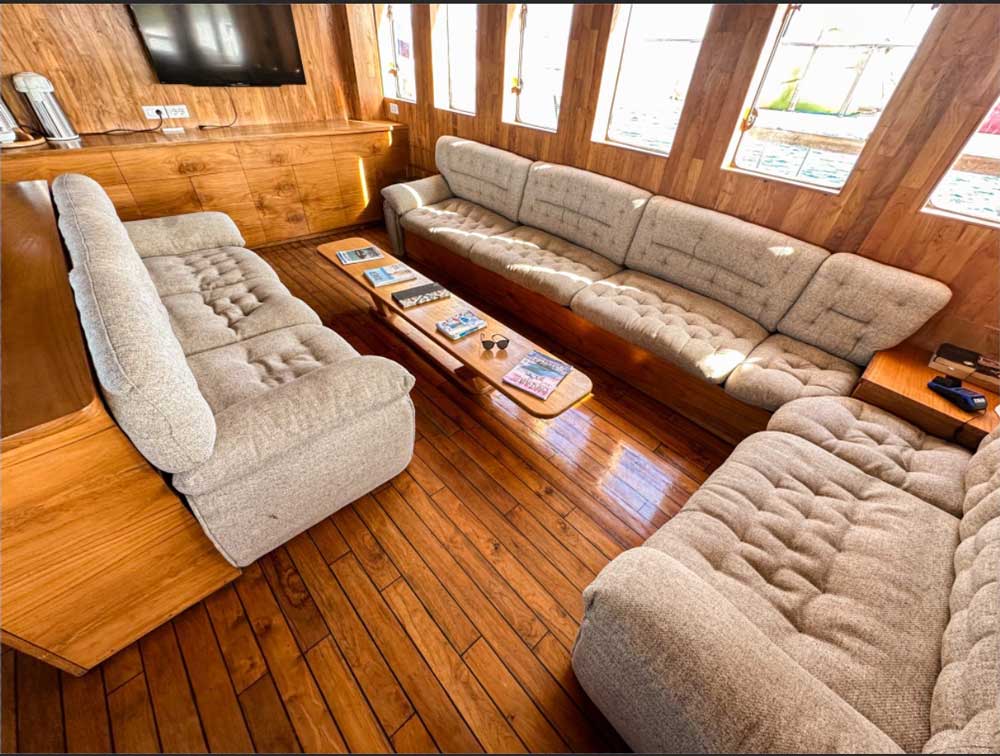
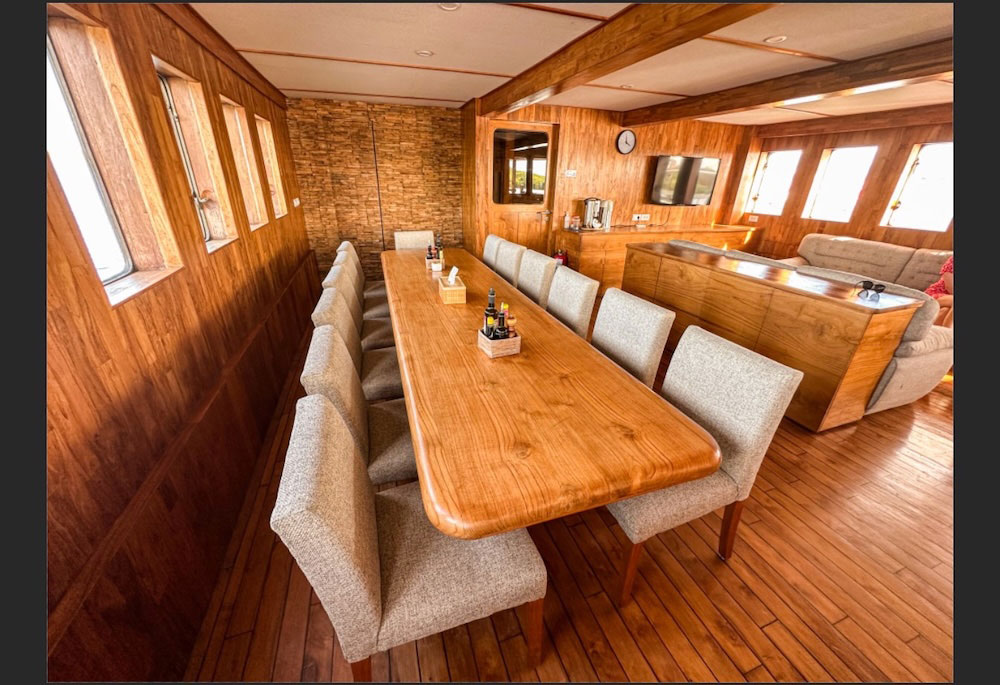
A Komodo liveaboard typically includes full-board meals (breakfast, lunch, dinner, and snacks), drinking water, tea and coffee, cabin accommodation with en-suite bathroom and air conditioning, all scheduled dives with tanks and weights, dive guide services, cabin towels, and use of the sun deck, lounge, and onboard facilities. National park entrance fees, equipment rental, nitrox, alcoholic beverages, soft drinks, and gratuities are usually additional.
Can non-divers join a Komodo liveaboard?
Yes, a Komodo liveaboard is excellent for non-divers and snorkelers. While divers explore underwater, snorkelers are guided to the best spots on the reef. The itinerary also includes land excursions such as trekking to see Komodo dragons, hiking Padar Island for panoramic views, and visiting Pink Beach — one of only seven pink sand beaches in the world.
What marine life will I see on a Komodo liveaboard?
Komodo National Park is one of the most biodiverse marine environments on earth. Expect to encounter giant oceanic manta rays, reef manta rays, white-tip and black-tip reef sharks, sea turtles, Napoleon wrasse, giant trevally, eagle rays, moray eels, octopus, cuttlefish, nudibranchs, frogfish, and schools of thousands of fusiliers, sweetlips, and barracuda. Seasonal visitors include mobula rays, hammerhead sharks, and whale sharks.
How do I get to the Komodo liveaboard departure point?
Komodo liveaboard trips depart from Labuan Bajo, the gateway town to Komodo National Park on the island of Flores. Labuan Bajo has its own airport (Komodo Airport, LBJ) with direct flights from Bali (1.5 hours), Jakarta, and Surabaya. If you are staying at Komodo Resort, our team will arrange your transfer to the liveaboard on departure day.
What should I pack for a Komodo liveaboard trip?
Essential items include your dive certification card and logbook, reef-safe sunscreen (SPF 50+), a rashguard or wetsuit (3mm recommended for cooler southern sites), a waterproof camera or GoPro, personal medications and seasickness remedies, comfortable clothing for warm tropical evenings, a hat and sunglasses, and a small dry bag for land excursions. Most Komodo liveaboards provide towels, toiletries, and full diving equipment for rental.
An unhandled error has occurred. Reload 🗙