
Since 1991, Komodo Island has been a UNESCO World Heritage Site because it is the only place in the world where you may view Komodo dragons living in the wild. This far-off Indonesian archipelago in East Nusa Tenggara offers experiences that can't be seen anywhere else on Earth. For example, you may witness the biggest lizard species seek for food or swim with gentle giants like manta rays in beautiful waters.
This articles talks about things to do Komodo Island and the other islands in Komodo National Park that may be reached from the gateway town of Labuan Bajo. This book is for you whether you're an adventure traveler looking to explore the undersea world, a wildlife lover wanting to spot prehistoric predators, or just planning your vacation to Indonesia. Knowing what to expect on each of these islands will help you make the most of your time in one of the most biodiverse areas on Earth.
The best things to do in Komodo are to go on guided hikes to see Komodo dragons on Komodo and Rinca Island, hike Padar Island for amazing views at sunrise, snorkel the pink sand shores of Pink Beach, swim with manta rays at Manta Point, and hop from island to island to see beautiful beaches all over the archipelago.
This guide will show you:
- How to safely meet Komodo dragons with park rangers
- The best marine adventures, along with gear suggestions for scuba diving and snorkeling
- Scenic overlooks with 360-degree views of blue waters
- Cultural information about the people that live on the islands
- Useful advice on how to plan for costs, scheduling, and tour bookings
Understanding Things To Do Komodo Island
The 29 islands that make up Komodo National Park are located between Flores Island and Sumbawa in eastern Indonesia. The national park was created in 1980 to protect the Komodo dragon from extinction. Now, it protects about 3,000 of these top predators on its major islands. Travelers need to know how this park is laid out because each island offers a different experience, from seeing dragons to diving in world-class places. This is important especially for the first visit Komodo National Park.
The Three Main Islands
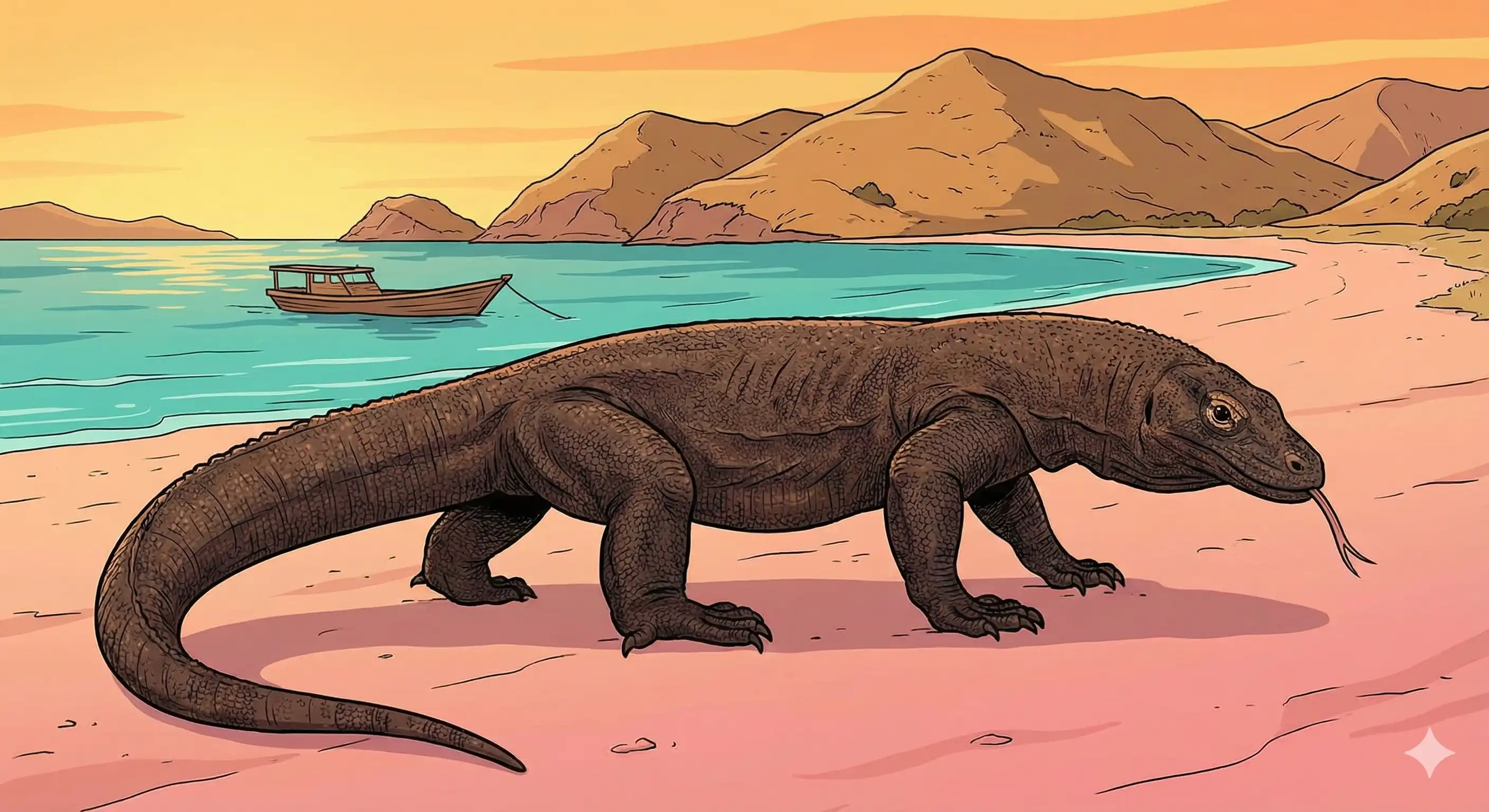
The park is named after Komodo Island, which is also the best place to see dragons. There are three hiking trails on the island. The first is a short 30-minute loop near the ranger station where young dragons climb trees to get away from adult dragons that eat them. The second is a medium 1.5-hour hike through savanna grasslands past watering holes where adults hunt. The third is a long 3-hour hike through thick forest to high points. Visitor facilities include ranger stations, minimal bathrooms, and spaces set aside for taking pictures.
Most boat trips leave from Labuan Bajo and include stops at more than one island in a single day or over several days. Knowing how these islands are connected will help you plan your trip better for your next visit Komodo National Park
Rinca Island Alternative
Rinca Island is closer to Labuan Bajo (about 2 hours by boat compared to 3–4 hours to Komodo) and has more dragon encounters because there are more of them in more accessible areas. Because the fields and mangroves are dry and grassy, dragons can be seen in large numbers, especially during the dry season when water is hard to find.
Many experienced travelers would rather see dragons in Rinca than Komodo, even though Komodo has longer treks and the honor of being on the island that shares its name. Your choice typically relies on how much time you have and whether your komodo tour includes one or both places.
Essential Island Activities and Wildlife Encounters
Now that we know where the park is, the true adventure starts with hands-on activities on these amazing islands. Every activity, from meeting dragons in person to seeing unusual coral formations, shows why this place should be on everyone's bucket list.
Meeting the Komodo Dragons
When you go to Komodo National Park, the best thing to do is go on a guided Komodo dragon trek. A park ranger with a forked stick must be with each group. These trained guides keep tourists safe and teach them about dragon behavior, ecology, and the species' 30-year lifespan. The highlight of things to do Komodo island.
Expect to see dragons that are up to 3 meters (10 feet) long, weigh more than 70 kilograms, and have poisonous bites that are made worse by toxic proteins that shock their prey. Rangers keep a safe distance of at least 3 to 4 meters because dragons can run at speeds of up to 20 km/h for brief periods of time. The ranger fees for each group are about 80,000 IDR, and visitors must have the right shoes for trekking; open-toed sandals are not allowed.
During the dry season (April to October), when dragons gather near rare watering spots, sightings are at their highest. In addition to the famed reptiles, hikes show Timor deer, wild water buffalo, and more than 140 bird species, such as cockatoos and megapodes.
Pink Beach Exploration
There are only seven pink sand beaches in the world, and Pink Beach on Komodo Island is one of them. Simply just another reason to visit Komodo National Park. The unique blush color comes from red coral pieces (Foraminifera and Tubipora musica organ pipe corals) mingling with white sand. This makes the shoreline look like it came from another world against turquoise waters.
You may see amazing coral reefs with parrotfish, angelfish, and sea turtles by snorkeling right off the shore at Pink Beach, easy-to-reach waters. Komodo sits in the Coral Triangle, which is home to more than 260 types of coral and 1,000 types of fish. This helps the underwater life here. include your snorkeling gear for a longer trip, but make sure to include reef-safe sunscreen. Chemical sunscreens might hurt the corals that make the pink hue.
Tip for taking pictures: The pink color looks best when the sand is wet, so take pictures along the waterline in the middle of the morning for the best color saturation.

Padar Island Sunrise Hike
Padar Island has the most photographed panoramic view in all of Indonesia. It is a 360-degree panorama of three beaches with varying colors of sand (white, black, and golden) surrounded by steep ridgelines that drop into emerald lagoons.
You have to ascend about 195 steps and high grassy hills for 30 to 45 minutes. When the ground is wet in the early morning, it's very important to wear the right hiking shoes. There are no Komodo dragons on Padar, so this hike is safe for families and lets you focus on taking pictures of the scenery instead of watching for animals.
To get the famous sunrise picture, you typically need to book a day trip that departs at 6AM from Labuan Bajo. Getting there before other groups means you can see everything well and the lighting is better when the first rays of light hit the savanna hills. The crazy views from the top make getting up early worth it. This one picture shows why UNESCO named Komodo National Park a World Heritage Site.
Tip to visit Padar Island: Staying at Komodo Resort compared to anywhere else, significantly minimizes the boat trip (approximately 2 hours in a day) with added comfort and fun.
Marine Adventures and Underwater Activities
The islands above the waterline are only half of the experience. Komodo's turbulent currents from the Indian Ocean upwelling bring nutrient-rich waters to the surface. These waters support some of the most beautiful marine ecosystems on Earth.
Swimming with Manta Rays at Manta Point
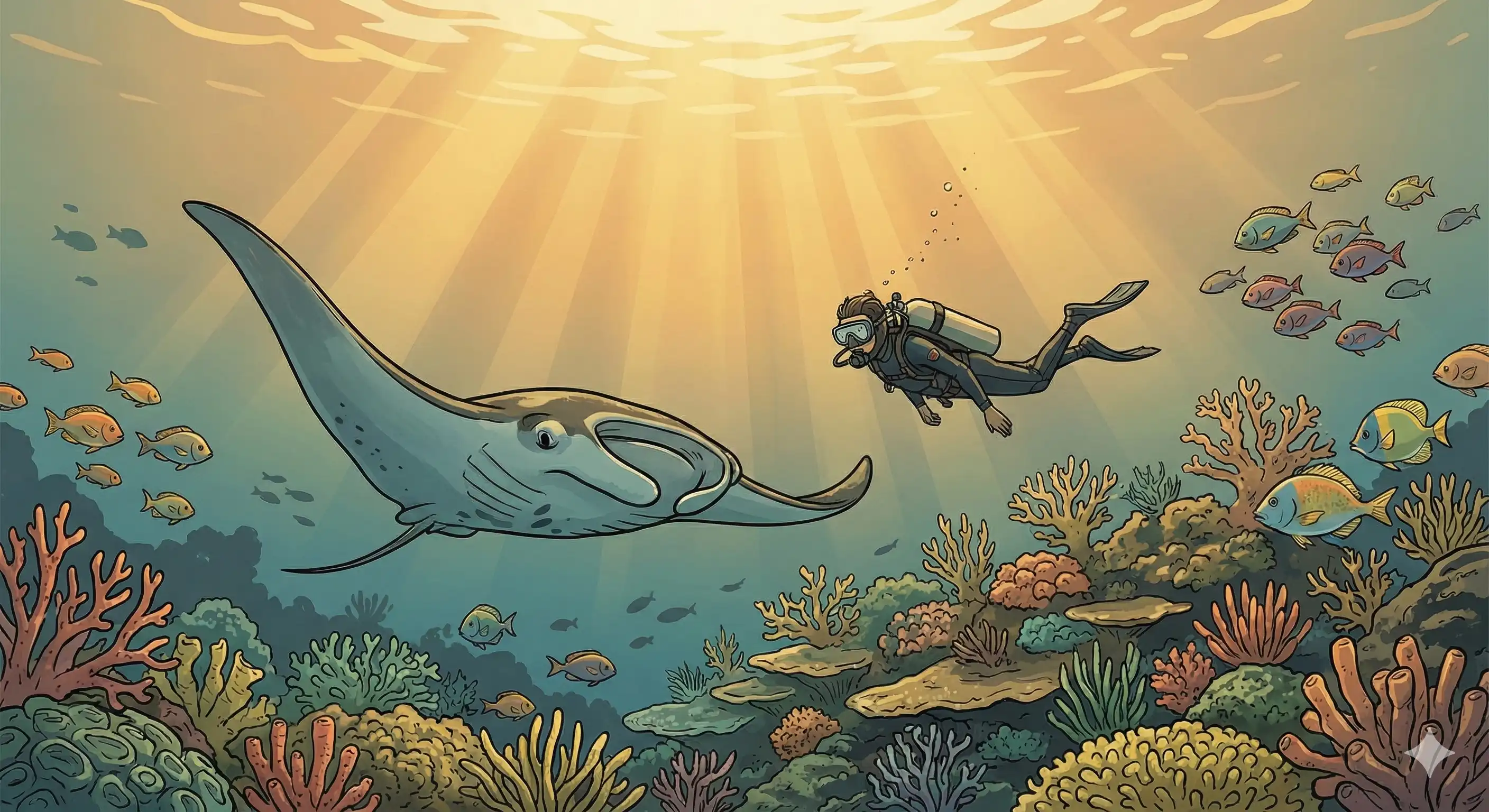
At Manta Point, which is close to Komodo Island, cleaner wrasses clean reef manta rays (Mobula alfredi) by removing parasites from their bodies. These delicate giants have wingspans of 4 to 6 meters and glide down the water column in a beautiful underwater ballet, making this experience one of the top reasons to visit Komodo National park.
Best practices for manta encounters:
- To prevent scaring rays, quietly enter the water from the boat.
- Stay floating horizontally instead of stepping vertically.
- Stay at least 3 meters away—let the mantas come to you.
- Don't use flash photography because it can change how animals eat.
- Don't ever try to touch or chase the animals.
The best time to see mantas is from December to March, although you can see them all year round, with about 70% success rates when the water is calm. These filter-feeders are not dangerous to people, even during mating season. Their reputation as gentle giants is well-deserved.
Diving and Snorkeling Hotspots
Komodo has some of the best scuba diving spots in the world, however some of them have strong currents (5–7 knots in some spots), thus you need to be an experienced diver to go there.
The Komodo dive sites that require Advanced Open Water certification are: Castle Rock, Castle Rock, Shotgun (found in North Komodo). A minimum number of logged dives is also required, typically 25-50 dives. These dive sites also cannot be visited on just any day due to the unpredictable weather and frequent stronger than normal currents.
| Site | Difficulty | Highlights | Best For |
|---|---|---|---|
| Batu Bolong | Advanced | Dolphins, mantas, the best dive site | Certified divers |
| Castle Rock | Advanced | White-tip reef sharks, eagle rays, schooling barracuda | Certified divers |
| Kanawa Island | Beginner | Turtles, stingrays, 50m visibility | Snorkelers, new divers |
| Crystal Rock | Advanced | Pelagic species, dramatic coral formations | Photography |
| Manta Point | All levels | Manta ray encounters at cleaning stations | Snorkelers and divers |
Kanawa Island's snorkeling is great for people who don't dive. The waters are so clear that you can see sea turtles, colorful coral reefs, and tropical fish without even putting your face in the water. The bay's protection takes care of any worries, making it a great place for families.
Island Hopping Adventures
Day trips to other islands and Komodo liveaboard tours let you see the full range of the Komodo National Park beyond the main islands. Standard itineraries include a number of stops:
Kelor Island is a short 15-minute climb to a viewpoint on a mountaintop that looks out over white sand beaches and other islands nearby. The clean beach has quiet, shallow waters that are great for swimming and relaxing between more active activities.
Kanawa Island is a private island with beachfront cottages. You can go jetty snorkeling there, where you could see sea turtles, stingrays, and even dolphins in coves that are safe from reefs. Staying overnight lets you look at the stars with very little light pollution.
At low tide, Taka Makassar seems like a beautiful sandbar rising out of blue waters. It's a fantastic place to swim that looks amazing from a drone's point of view.
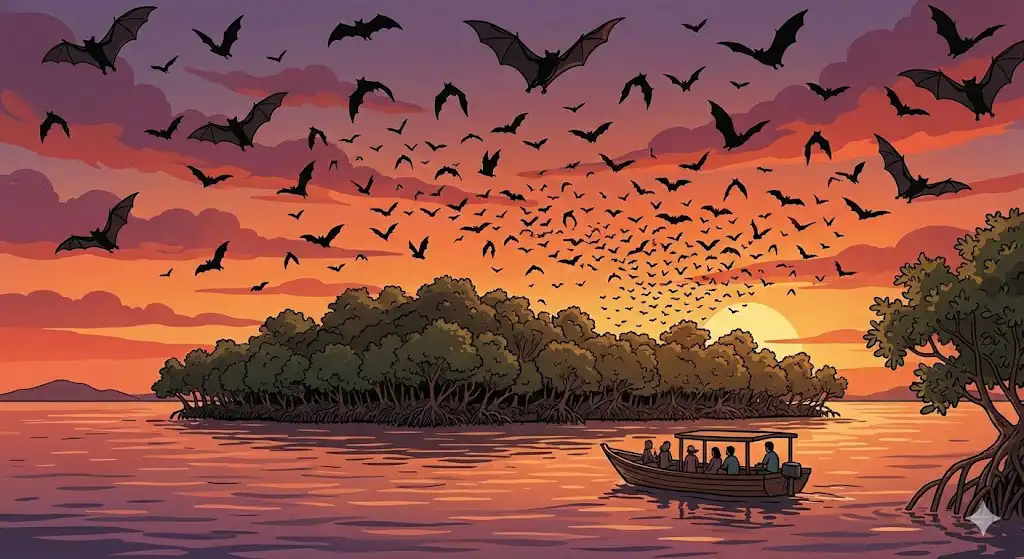
There is nothing else like the natural show on Kalong Island. At nightfall, more than 100,000 flying foxes (giant fruit bats) leave the mangroves in loud groups to look for food on Flores Island. The eerie migration against fiery skies is something you won't want to miss. The best way to see it is from anchored boats. Plan your tour so that you get there about 30 minutes before dusk, when the bats depart their homes.
Common Challenges and Solutions
Every great place to visit has its own set of logistical problems. Planning ahead for these problems will make things go more smoothly across the archipelago.
Weather and Sea Conditions
During the monsoon season (November to April), the seas get choppier, which cancels 20–30% of boat trips and makes it harder to see underwater (10 meters). For the best conditions, calmer waters, 20–40 meters of visibility, and consistent trip schedules, visit between April and December, when it is dry. Always check the weather again before you go, because squalls might happen in the afternoon even during the dry season.
Ironically, the monsoon low and rainy season is also the best time to see the Manta Rays as this period is the Manta migration season. Just imagine you're in the water with 100 manta rays around you.
Park Fees and Hidden Costs
Entry fees depend on the days of the week, public holidays and the activity such as Komodo diving, excursions or snorkeling. For foreign visitors, new entrance fees have been introduced separately from the park entrance tickets, which are found at Padar and Komodo islands. Attention these fees are payable in cash and cannot be pre-booked.
When you book excursions with Labuan Bajo operators, be sure you know exactly what is included and what you will have to pay when you get there. The cost of a day tour can be as low as $90 for a basic package or as much as $736 for a multi-day liveaboard trip that can fit 4 to 12 people.
Dragon Safety Concerns
When visitors observe the rules, dragon attacks happen only five times a decade, and no one has died since 1974. Always stay with your assigned group and one ranger, follow all directions right away, don't make unexpected movements or run, and never turn your back on dragons that you can see. The rangers' forked sticks work well to move animals that are coming toward them.
This may come as a surprise but one of the best safety tips for visiting the Komodo dragons: don't get too close.
Bring bug spray to keep bugs away and enough water for hikes in 70–90% humidity.
Conclusion and Next Steps
Komodo Island has truly life-changing experiences that you can't get anywhere else. These include prehistoric predators, pink coral beaches, manta ray encounters, and breathtaking views across an archipelago of exquisite natural beauty. The trip to this far-off part of Indonesia is worth it because of the world-class diving, rare animals, and varied landscapes.
To make your visit happen:
- Book Komodo Resort for the best location or Labuan Bajo accommodation as an alternative but with longer day boat trips.
Labuan Bajo town serves as the gateway with direct flight connections from Bali (approximately one hour flight) and ferries from surrounding islands - Reserve 3-4 days of tours to properly explore the Komodo park.
- Pack snorkelling gear, reef-safe sunscreen, hiking shoes, and lightweight breathable clothing
- Visit during dry season for optimal conditions across all activities
For travelers seeking extended adventures, consider combining Komodo with overland Flores Island exploration featuring traditional villages and jungle waterfall treks, or obtaining scuba diving certifications in Labuan Bajo before tackling advanced sites like Crystal Rock, Castle Rock and Shotgun in the North of Komodo National Park.
Additional Resources
Practical packing checklist:
- Hiking shoes with ankle support
- Reef-safe sunscreen and bug spray
- Snorkelling gear (rentals available but personal equipment preferred)
- Waterproof camera or housing
- Light layers for early morning boat departures
- Cash for park fees and tips
Current regulations (verify before travel):
- Park entry: 150,000-350,000 IDR depending on nationality
- Ranger fees: 80,000 IDR per group
- Camera fees: 50,000 IDR at some locations
- No single-use plastics permitted since 2023
- Reef-safe sunscreen required
Getting there: Labuan Bajo Airport (LBJ) has direct flights from Bali-Denpasar (1 hour), Jakarta, and a few more Indonesian cities. Most boat cruises leave from the main harbor in Labuan Bajo, and most companies will pick you up at your accommodation. Komodo Resort provides daily trips to the national park for diving, snorkeling and excursions.