
The best time to visit Komodo National Park is during Komodo season, when the park's fauna, diving conditions, and scenery change dramatically with the seasons. This UNESCO World Heritage Site covers several islands in eastern Indonesia and has very clear wet and dry tropical cycles. These cycles directly affect when you may see manta rays, see Komodo dragons at their most active, and have the best visibility underwater.
This article is for adventure travelers, scuba divers, and wildlife watchers who are considering a trip to Komodo National Park. It covers both the dry season (April to October) and the wet season (November to March). Knowing these seasonal patterns is important because the right time to go can mean the difference between seeing dragons fight during mating season or not seeing them at all, swimming with whale sharks, or getting there after migratory windows close.
April to June and September to November are the greatest times to visit Komodo. The weather is nice, there are lots of animals, there aren't many people, and you can get the best marine experiences without having to pay peak season prices.
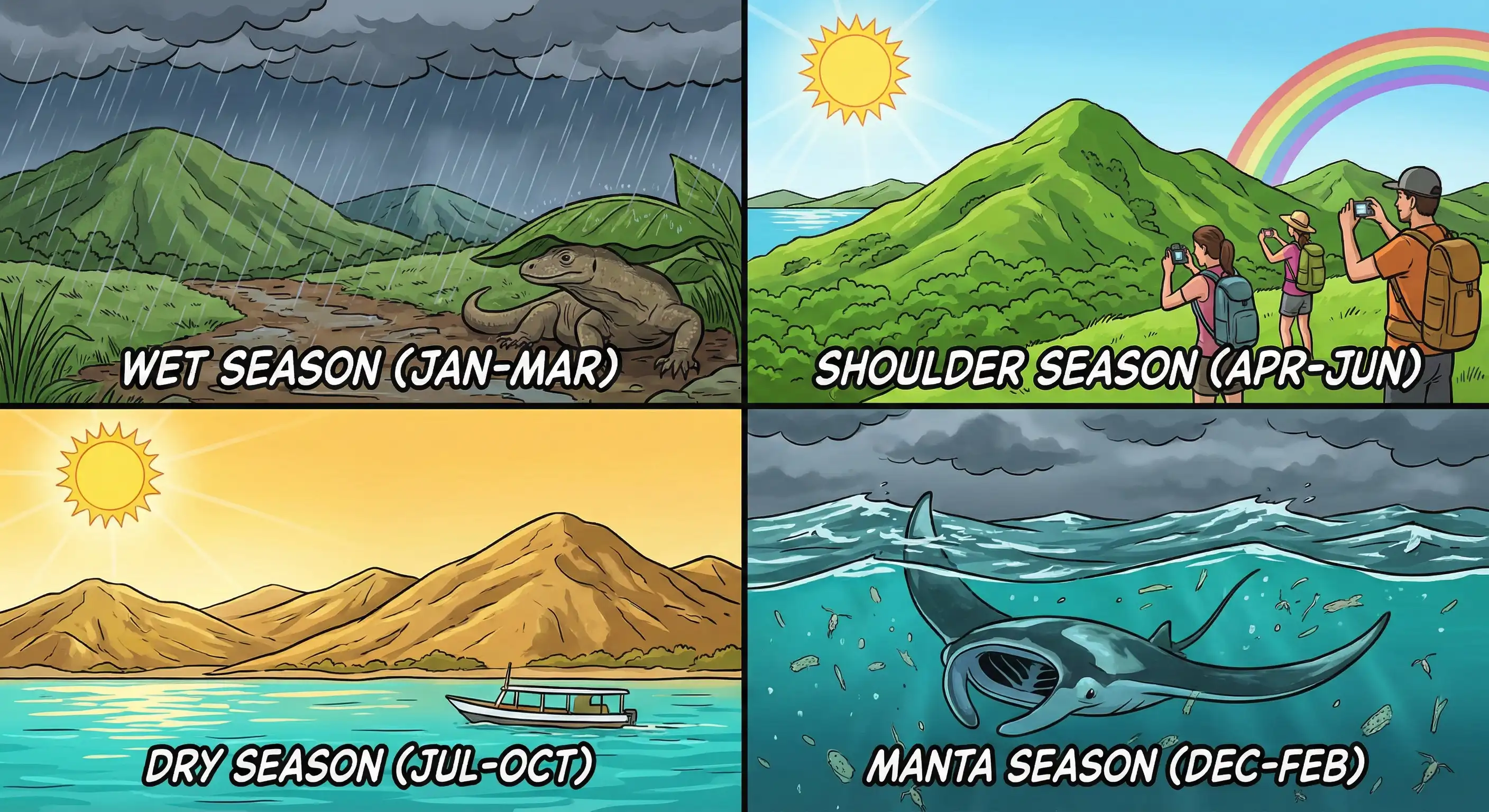
Understanding Komodo’s Season and Weather
The Komodo region has a semi-arid tropical climate with two distinct seasons that affect all park activities, from walking to ranger stations to diving in isolated areas. This national park has clear dry and rainy phases that change the way the land, sea, and animals behave in a big way, unlike tropical places that are always humid.
Knowing this climate base has a direct effect on your safety and happiness. During some months, rough waves make it hard to get to some islands, and changes in water temperature affect where marine life gathers. Planning around these trends will let you see the most animals while avoiding the most weather problems.
Dry Season Fundamentals
The dry season lasts from April to October and has little rain, calm seas, and temperatures between 22 and 32 degrees Celsius. The daily weather reports mostly show blue sky, and the savannah landscapes turn golden-brown, making Padar Island's famous vistas and Pink Beach shorelines great places to take pictures.
This time of year has the most reliable weather for activities on land and in the sea. When the weather is calm, dive boats can get to almost all Komodo dive sites, even the hard ones like Castle Rock and Crystal Rock. Hiking trails are still open without muck, and at the best spots, you can often see more than 25 meters underwater. Dragons gather around watering holes that are getting smaller, which is why sightings around ranger stations are so common.
Wet Season Dynamics
From November to March, the rainy season delivers afternoon rainfall, periodic rain, and changed landscapes. The hills change from golden to lush landscapes with bright green plants, making the sight look very different from what it does in the dry season.
During this time, plankton blooms add nutrients to the water, which brings in huge numbers of filter-feeding species like manta rays to Komodo seas. Even though strong seas often make it hard to get to exposed spots, the rainy season has several great benefits: fewer people, much lower prices, and the best time to see manta rays. Understanding how the wet season changes the same places helps explain why some experienced divers choose to dive during these months.
The wet season changes the behavior of animals on land and in the water, which creates unique chances that need to be looked at in more detail in the next section.
For a lot of snorkelers and divers, this is the greatest time to see the Komodo Dragons in Komodo National Park and Komodo Island.
Seasonal Wildlife and Marine Life Patterns
Because of the climate, several species follow predictable seasonal patterns that knowledgeable visitors can use to have amazing experiences. The Coral Triangle is a great place to dive all year round, but going when certain species are most active makes the experience much better.
Komodo Dragon Activity Seasons
The best time to see dragons is from April to October, especially in the early morning when these cold-blooded creatures are thermoregulating in open locations. During the dry season, dragons gather around the few surviving water sources, which makes it very easy to see them on Rinca Island and Komodo Island.
During mating season, which lasts from July to August, animals show behaviors that are very rare. Male animals, who usually live alone, aggressively look for females and fight fiercely, using tail whipping and wrestling to show who is in charge. These meetings sometimes happen around groups of dragons that are feeding on dead animals. These groups are rare because dragons usually live alone. Females may save sperm for up to six months, which is an evolutionary change that makes sure the time is right for having babies.
Hatchlings come out of their eggs between mid-February and April, which is when there are a lot of insects that are good food for young animals. This small window of time gives you a chance to see baby dragons that are in danger. This is amazing because females only lay one clutch of 15 to 30 eggs per year after 7 to 9 months of incubation.
Manta Ray Migration Patterns
There are two different populations of manta rays in the Komodo region. These populations move in predictable ways throughout the year that every serious diver should know about. From November to April, manta rays gather in the waters around Komodo. This is because plankton blooms that are high in nutrients make places like Mawan and Manta Point great places for them to consume.
During the Komodo season from March to October, activities move to north and central Komodo, where cleaning stations draw mantas on a regular basis. These places let divers watch little fish clean the rays' huge bodies by removing parasites. Mantillas love going back to these places over and over again.
If you choose the right dive sites for the season, you can see mantas when diving in Komodo for most of the year.
Whale Shark and Pelagic Encounters
It's not common to encounter Whale Sharks when you go to Komodo, but from April to June, you might get lucky and see them. This is because certain plankton blooms draw these gentle giants to Komodo waters. These encounters are still less common than seeing mantas, but they are worth it for people who are willing to dive Komodo at the right times.
The larger pelagic scene includes reef sharks that can be seen all year, ocean sunfish that mostly show up in warmer seas from August to October, and sometimes Mobula rays and Eagle rays. Experienced divers who want to catch huge fish organize their trips around these overlapping times.
The most important seasonal overlaps for a wide range of wildlife are:
- September-November: Active mantas, late-season dragons, excellent diving conditions
- April-May: Transitioning mantas, post-wet season lush landscapes
- July-August: Peak dragon mating, optimal weather, highest marine life diversity
These patterns directly affect how we plan for each month, which we will look at next with specific suggestions for each time period.
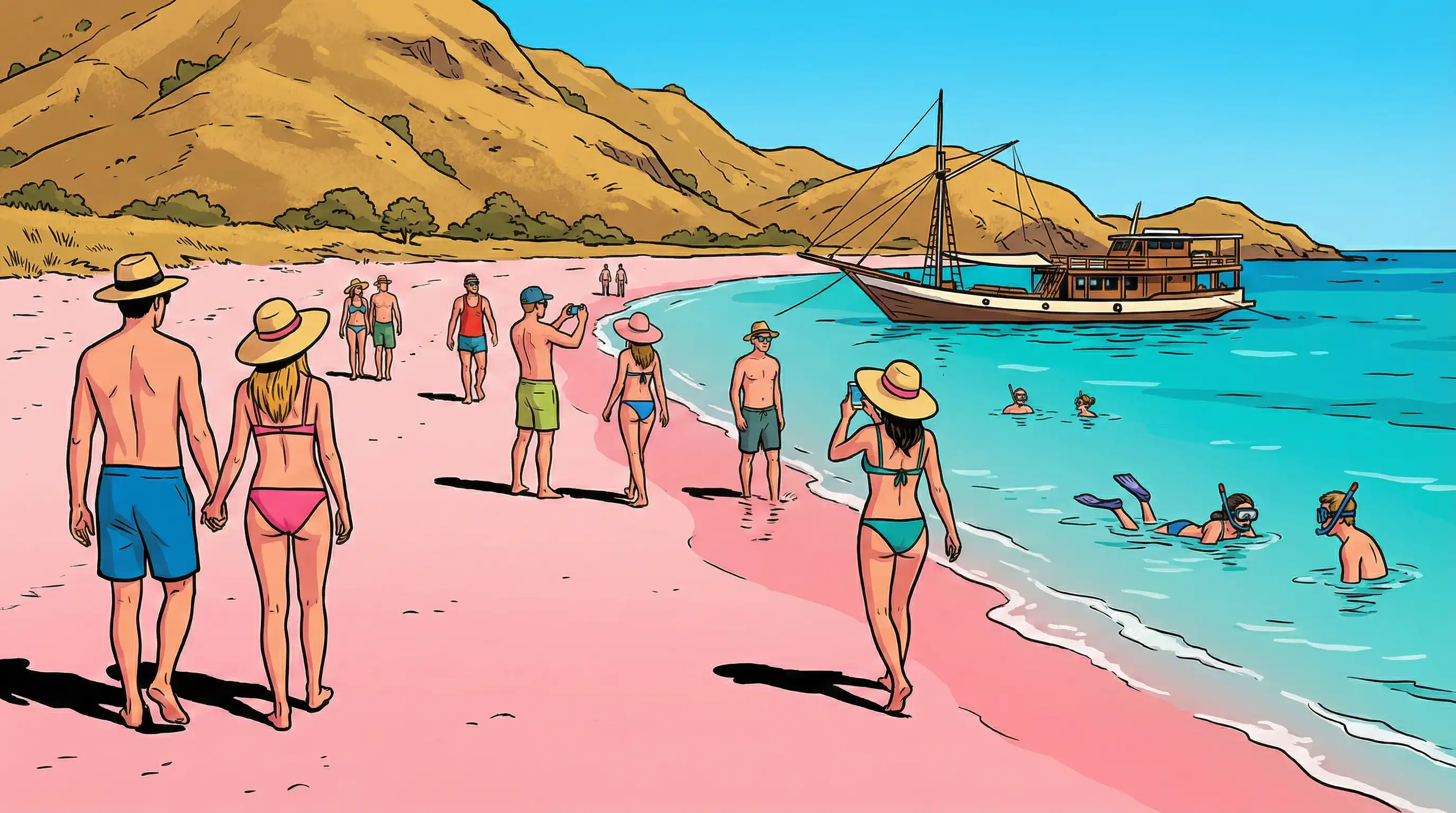
Monthly Planning Guide and Seasonal Comparisons
When you look at the wildlife basics above month by month, they turn into real-life booking options. Depending on your budget, what kinds of animals you like, or how much you want to avoid crowds, each season has its own pros and cons.
Peak Komodo Season Months
During peak season, you need to book 3 to 6 months in advance to get good places to stay in Labuan Bajo and spots on popular diving trip itineraries. Knowing what each window has to offer helps explain why certain months cost more than others, or it shows that other months have hidden worth
April to June: The Best Time After Rain This shoulder season combines the lush landscapes left behind by recent rains with better marine conditions. Whale sharks are at their best during these months, and manta rays move north. Komodo dragons stay active near sources of water, and coral gardens are very clear after the wet season when nutrients cycle through. Prices are still reasonable compared to the busiest tourist season, and there are fewer crowds, so you may book when you choose.
July and August are the busiest months for tourists. When the weather is perfect, the more people come, which drives up prices for hotels, dive boats, and park fees. This is the time of year when dragons mate, which is the only time you can see fighting rites. It's also the best time to get to all dive sites, including the hard ones. Strong gusts sometimes hit open areas, but in general, the weather is good for all kinds of activities.
The Secret Season is from September to November. A lot of people think now is the greatest time to go to Komodo because the weather is nice and there aren't too many people. Manta sightings are still great, dragon activity is still steady, and experienced divers may go to secluded areas without having to compete with others. Prices go down from their highs in July and August, but the weather stays dry.
December to March: Wet Season Value The rainy season delivers huge discounts often 30–40% off peak rates, while also bringing the highest numbers of manta rays to Komodo National Park. Heavy rain usually comes in bursts in the afternoon, so mornings are free for activities. This time of year is good for budget-conscious travelers who would rather see manta rays than have perfect weather, but some distant places can't be reached when the waves are rough.
Seasonal Activity Comparison
| Factor | Dry Season (Apr-Oct) | Wet Season (Nov-Mar) |
|---|---|---|
| Weather | Blue skies, calm seas | Afternoon rains, variable |
| Dragon Activity | Peak near watering holes | Consistent, nesting season |
| Manta Locations | North Komodo, Central Komodo | South Komodo peak |
| Diving Conditions | Best visibility, all sites accessible | Variable visibility, some closures |
| Crowd Levels | High (July-Aug peak) | Fewer tourists |
| Pricing | Premium | Discounted |
| Landscape | Golden savannah | Lush green hills |
This comparison shows that there is no one "best" season, simply the greatest times for certain priorities. People who want to see dragons mating are okay with crowds in July and August, and people who want to see manta rays are okay with the trade-offs that come with the wet season.
These seasonal facts make certain problems that we can forecast and solve, as seen below.

Common Seasonal Challenges and Solutions
Every Komodo season has its own problems that can be lessened by careful planning. When you expect these problems, they turn into tolerable annoyances instead of potential frustrations.
Weather Disruptions During Wet Season
Rain in the afternoon and strong gusts might make it hard to do things that were planned, especially when trying to go to exposed dive sites and faraway islands.
Plan important activities for the morning when the weather is usually better for all activities to make your rainy season plans more flexible. During this time, pick dive sites in the south. They are still more sheltered than those in the north, but it's not simple to get there because it's so far away. Bring waterproof gear for your electronics and check the weather every day to make sure your plans are still good. Diving companies in Labuan Bajo may change their routes depending on the weather, so being flexible lets you visit any spots that are safe to do so.
Peak Season Overcrowding
During the months of July and August, there are a lot of people visiting ranger stations, dive sites, and other services, which makes prices go up.
For visits during the busiest times of year, book your hotels and dive trips 4 to 6 months in advance. Choosing September or October gives you almost the same circumstances but with a lot less tourists. This shoulder season is a great deal. Go to less well-known diving sites like Sandy Bottom or coral gardens that don't get as much attention as well-known ones like Manta Point. Go to Padar Island's famed vistas early in the morning, before the day-trippers from Labuan Bajo arrive.
Marine Life Visibility Challenges
Plankton blooms are important for filter-feeding species, but they also make it harder to see underwater. This means that there are trade-offs between having a lot of marine life and being able to see clearly.
Knowing how this relationship works changes expectations in the right way. Manta rays are drawn to places with lots of plankton in the water. When the water is less clear, it means that mantas are eating, which is when they like to gather. Diving with incoming tides and in the morning typically makes things easier to see, especially in places with a lot of nutrients. Talk to your dive operator about the current conditions before picking a location. Local guides who have been doing this for a long time know where there is clear visibility and marine life activity on any particular day. Using reef-safe sunscreen is one way to be a responsible tourist and safeguard the coral systems that support this whole ecosystem.
These methods turn seasonal troubles into manageable issues instead of problems that ruin trips.
Conclusion and Next Steps
Choosing the best time to visit Komodo depends on your own preferences, such as excellent weather, seeing certain animals, staying within your budget, or avoiding crowds. There is no one time that has everything, but knowing when to go to Komodo Island can help you get the most out of what matters most to you.
Komodo National Park is the only place where the world's largest lizards live in the wild and where amazing marine life may be found at pristine diving sites. It rewards tourists all year round, but it pays those who know the most the most.
Immediate next steps:
- Determine your primary priorities: dragon mating behavior (July-August), whale sharks (April-June), manta rays (November-April in south Komodo), or balanced experiences (September-November)
- Book accommodations in Labuan Bajo and nearby Flores 3-6 months ahead for peak season, 1-2 months for wet season
- Contact dive operators like Scuba Junkie for current marine conditions and site recommendations
- Check weather patterns two weeks before departure for final itinerary adjustments
Some additional things you might want to look into include the specialized diving seasons for Komodo on other islands in the area, cultural festivals on Flores, and multi-island trips that go from Komodo to Bali or other places in Indonesia.
Additional Resources
Monthly Weather and Marine Life Reference:
- April-June: 26-29°C water temp, whale sharks present, mantas transitioning north, 20-30m visibility
- July-August: 25-28°C water temp, peak season all species, best visibility
- September-November: 26-29°C water temp, south Komodo mantas returning, excellent conditions
- December-March: 27-30°C warmer waters, south Komodo manta peak, variable visibility
Recommended Planning Resources:
- Dive operators based in Labuan Bajo for current site conditions and booking
- Komodo National Park official guidelines for conservation protocols
- Flores tourism board for combining dragon viewing with cultural experiences
Conservation Guidelines:
- Maintain minimum distances from dragons at ranger stations
- Use reef safe sunscreen at all dive sites and beaches
- Follow responsible tourism practices regarding wildlife interactions
- Support park conservation fees that fund ranger programs protecting this irreplaceable ecosystem