Luxury Boat Komodo Tours: What the Term Actually Covers
Komodo National Park is made up of three main islands, Komodo, Rinca and Padar, plus a scatter of smaller ones including Sebayur and Seraya where the island resorts sit. Almost nothing in the park is reachable by road. Everything happens by boat, which is why the vessel you choose shapes the trip more than any other decision you make.
At the top end you are paying for four things, and it is worth knowing which of them you actually care about. Space is the first: cabin size, deck area, and how many people share the boat. A twelve-guest boat and a twenty-six-guest boat can carry the same star rating and deliver completely different weeks. Crew ratio is the second, because attentive service is a headcount question before it is a training question. Build quality is the third, covering stabilisers, generator noise, water makers and how the boat handles a lively crossing. Range is the fourth, and the most underrated: a boat with fuel, tenders and permits to reach the southern sites can go where day boats from Labuan Bajo simply cannot.
What luxury does not buy you is control of the ocean. Currents here are driven by tide, wind arrives when it arrives, and the best crews plan around both rather than pretending otherwise. Any operator promising a fixed list of dive sites on fixed days is selling you a brochure, not an itinerary.
Our Own Boats: Komodo Sea Dragon and King Neptune
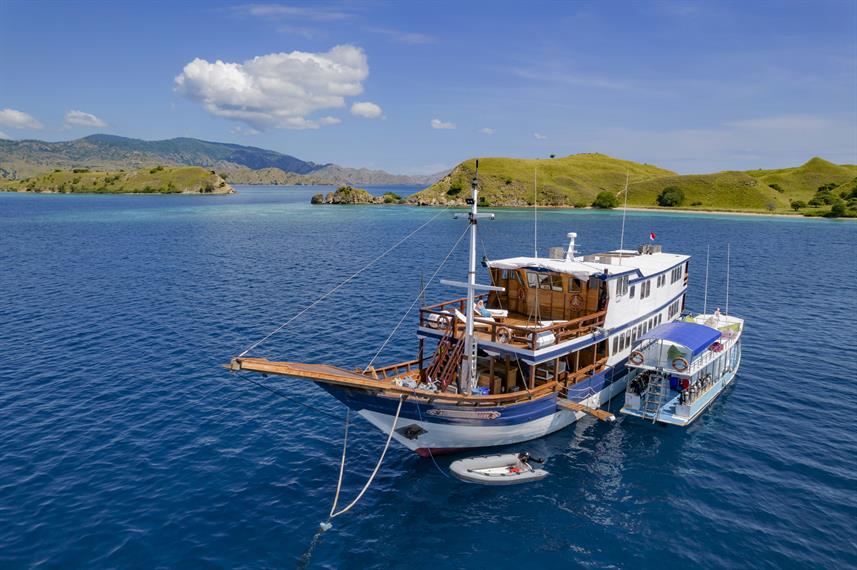
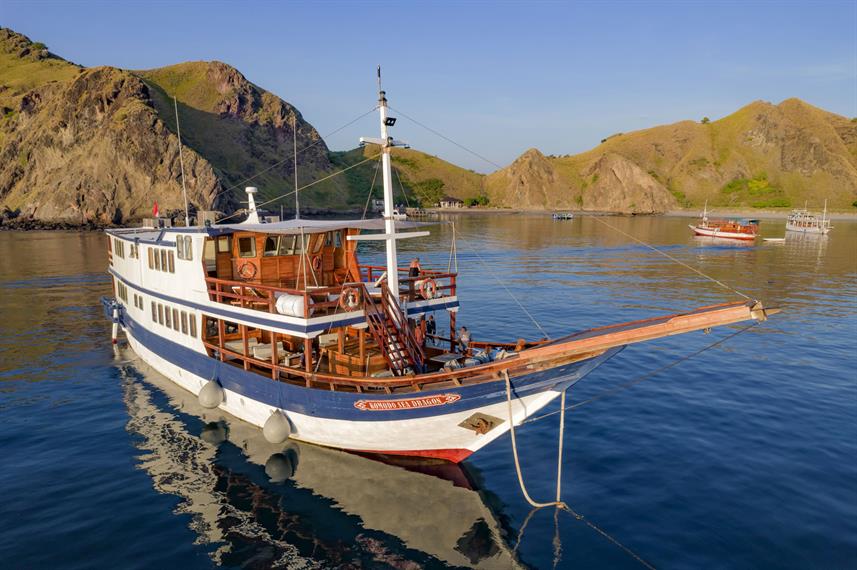
Our own boats answer different briefs. The Komodo Sea Dragon is a traditional wooden phinisi running six cabins for a maximum of twelve guests, which is the number we keep coming back to as the sweet spot for Komodo. Twelve guests means two dive groups rather than four, one tender rotation rather than three, and a briefing that finishes before the current changes.
King Neptune is our five-star liveaboard and ranges more widely across Indonesia, sailing Komodo alongside Raja Ampat and the Banda Sea. If you are combining Komodo with a second region in one trip, that is the boat to look at, because repositioning voyages open up itineraries a Komodo-only vessel never offers.
There is also the Neptune One, run by Neptune Liveaboards under the same Neptune World family as Komodo Resort, which sails the Bali-to-Komodo route over ten days and nine nights by way of Lombok, Moyo Island, Satonda, Sumbawa and Gili Banta, from USD 3,550 per person. It enters the park from the west, which is the direction the early expeditions came from and a very different first sight of Komodo than a speedboat out of Labuan Bajo. Our Bali to Komodo guide covers that voyage and the faster alternatives.
Both are dive boats first. That sounds obvious and it is not: plenty of handsome charter yachts in Labuan Bajo were built for sunset cruising and have a compressor bolted on afterwards. The difference shows up in the details, in whether there is a dedicated rinse tank, whether the tender can pick up a drifting group quickly, and whether the guides have dived Batu Bolong on that particular tide a hundred times before.
Cabins and Layout
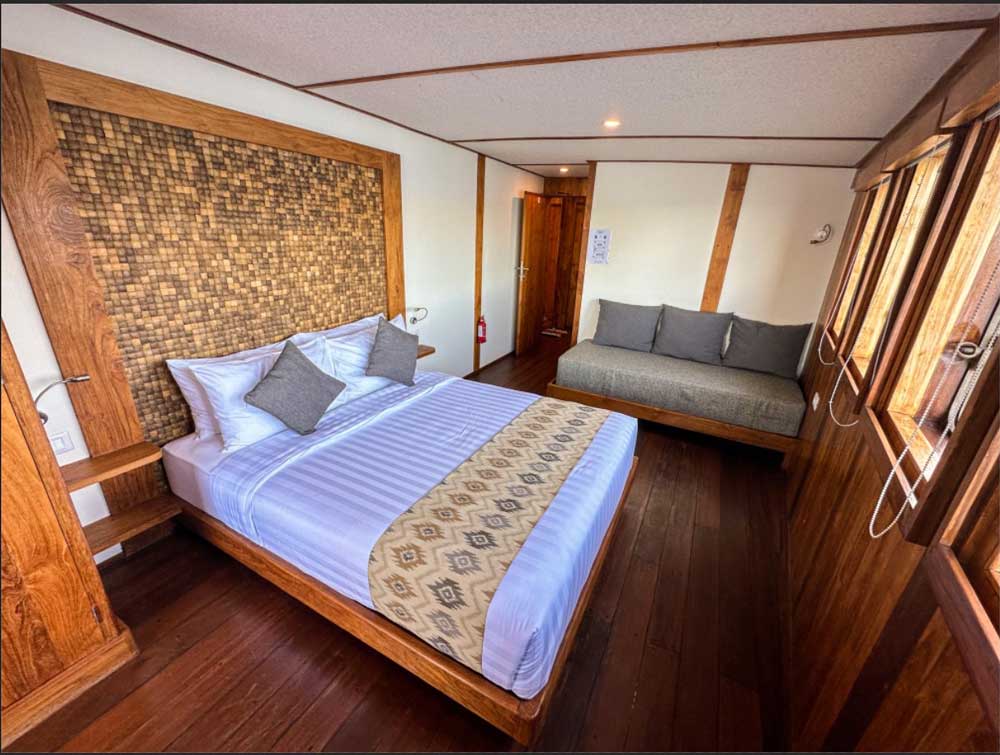
On the Sea Dragon, the main deck double is the largest room, with a king-size bed, a convertible sofa bed that makes triple occupancy or a family workable, an en-suite bathroom, a writing desk, reading lights and a furnished private balcony. The twin cabins are laid out for two, with sea views, en-suite bathrooms, two single beds, a desk, reading lamps and air conditioning throughout.
Two practical notes that matter more than square metres. Cabin position affects sleep: lower cabins are cooler and quieter under way but sit closer to the engine, while upper cabins get better light and more movement in a swell. And the convertible sofa beds are genuinely useful for families, which is worth asking about early because there are only so many of them on a twelve-guest boat.
Onboard: Saloon, Dining and the Sun Deck
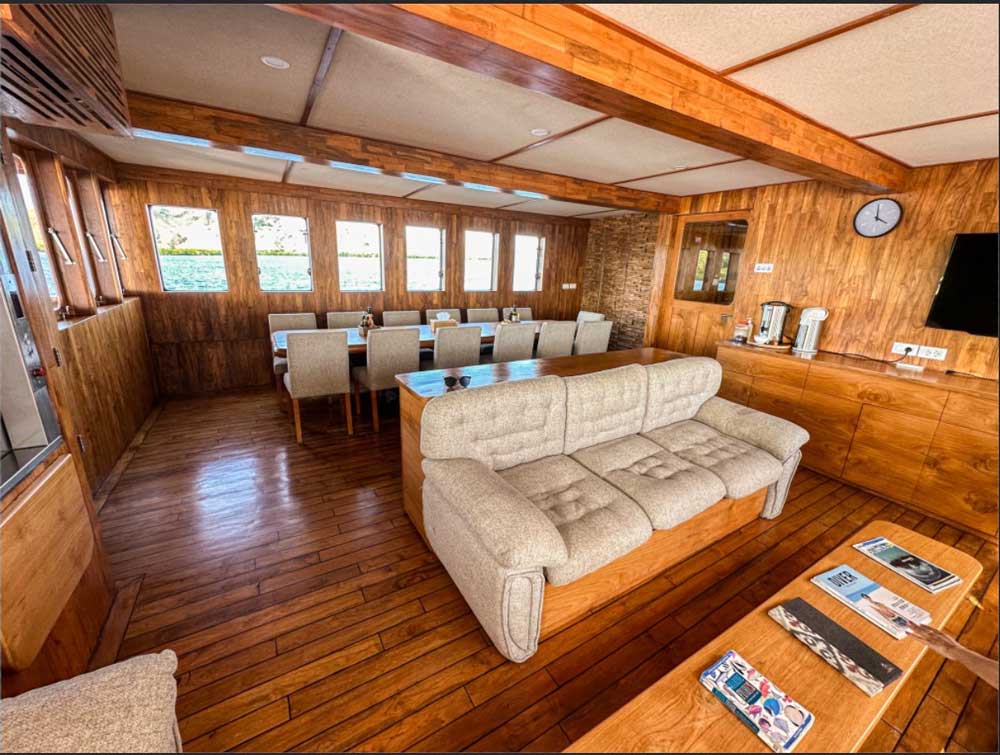
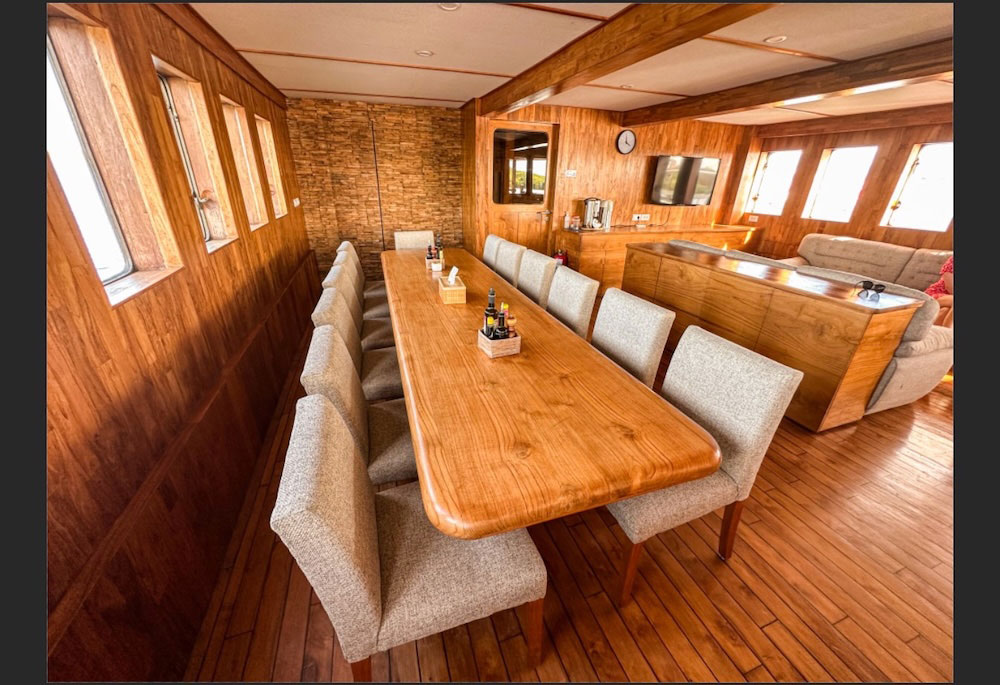
Between dives you spend your time in three places. The air-conditioned saloon is where briefings happen, where cameras get cleaned and where people read through the flat part of the afternoon. The dining area serves fresh meals cooked aboard, and on a boat this size the kitchen can accommodate allergies and preferences properly rather than approximately, provided you tell us before departure rather than at the table.
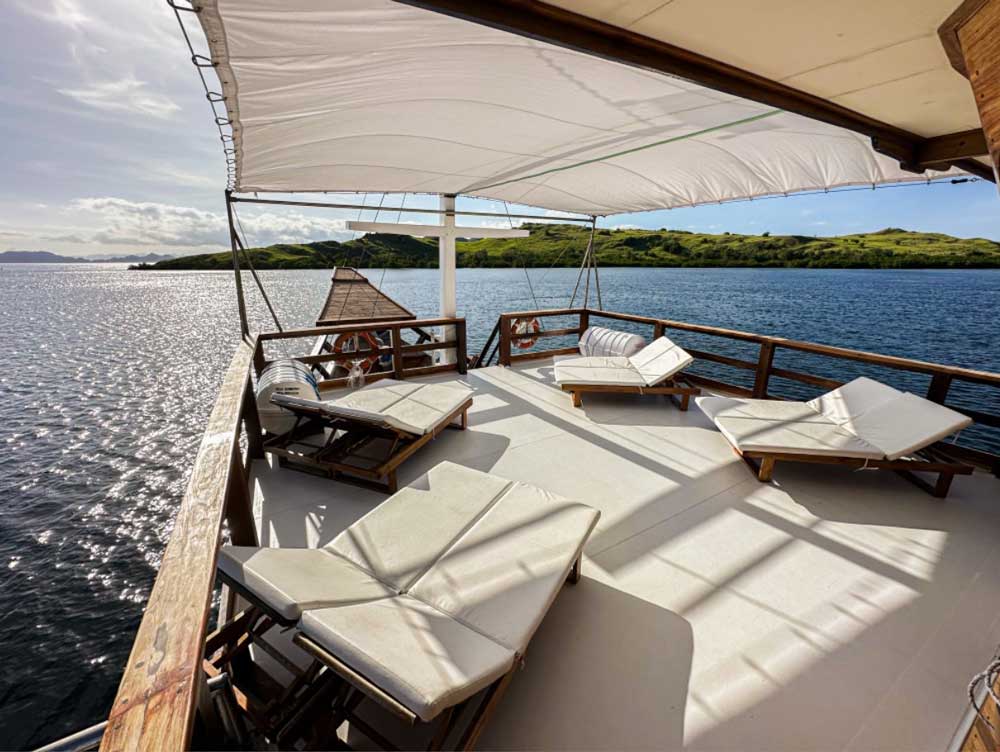
The shaded sun deck is where most guests actually end up. It faces the islands, it catches the breeze at anchor, and it is where the day between the third dive and dinner disappears. A boat with a poor sun deck feels much smaller than its cabin count suggests, which is why it is worth looking at photographs of deck space rather than only bedrooms when you compare vessels.
The Dive Deck and the Tender
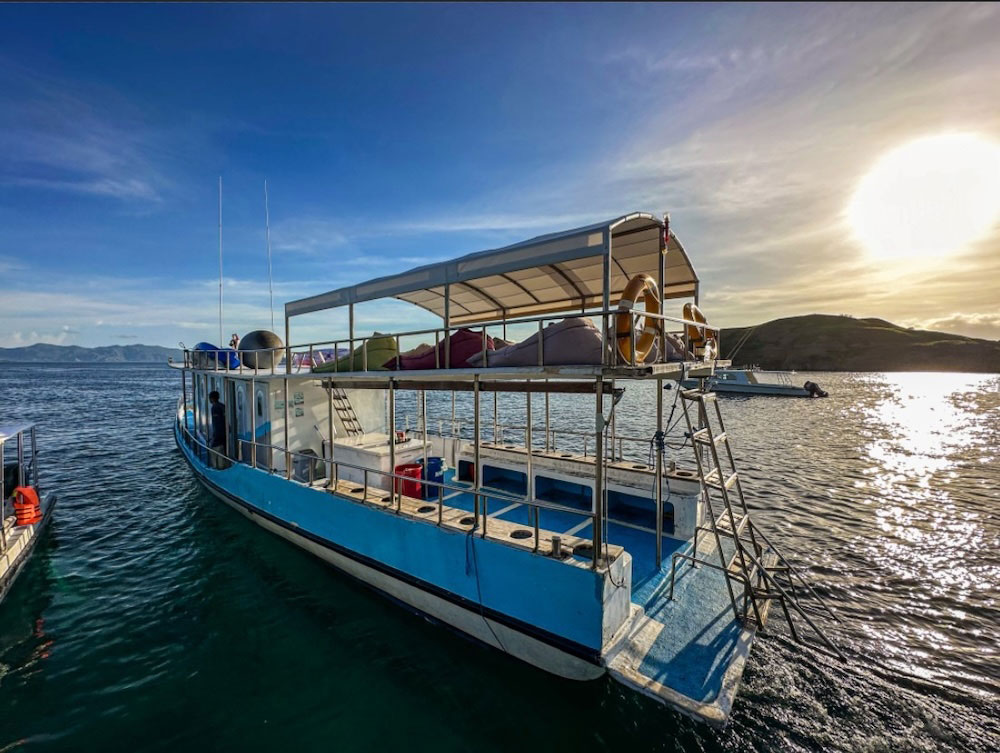
Komodo diving is tender diving. You rarely enter from the mother boat, because the sites are pinnacles and reef corners where the skipper needs to drop you precisely on a moving current and pick you up somewhere else entirely. That makes the tender, the local dony, one of the most important pieces of equipment on the trip.
What to look for is straightforward once you know: a dedicated kitting-up station so you are not climbing over other divers, tanks filled between dives rather than during your surface interval, freshwater rinse for cameras kept separate from the one everyone puts their fins in, and a crew that counts heads out loud. On drift dives in strong water, a tender driver who watches bubbles rather than the horizon is the single biggest safety factor on the boat.
Liveaboard or Island Resort? An Honest Comparison
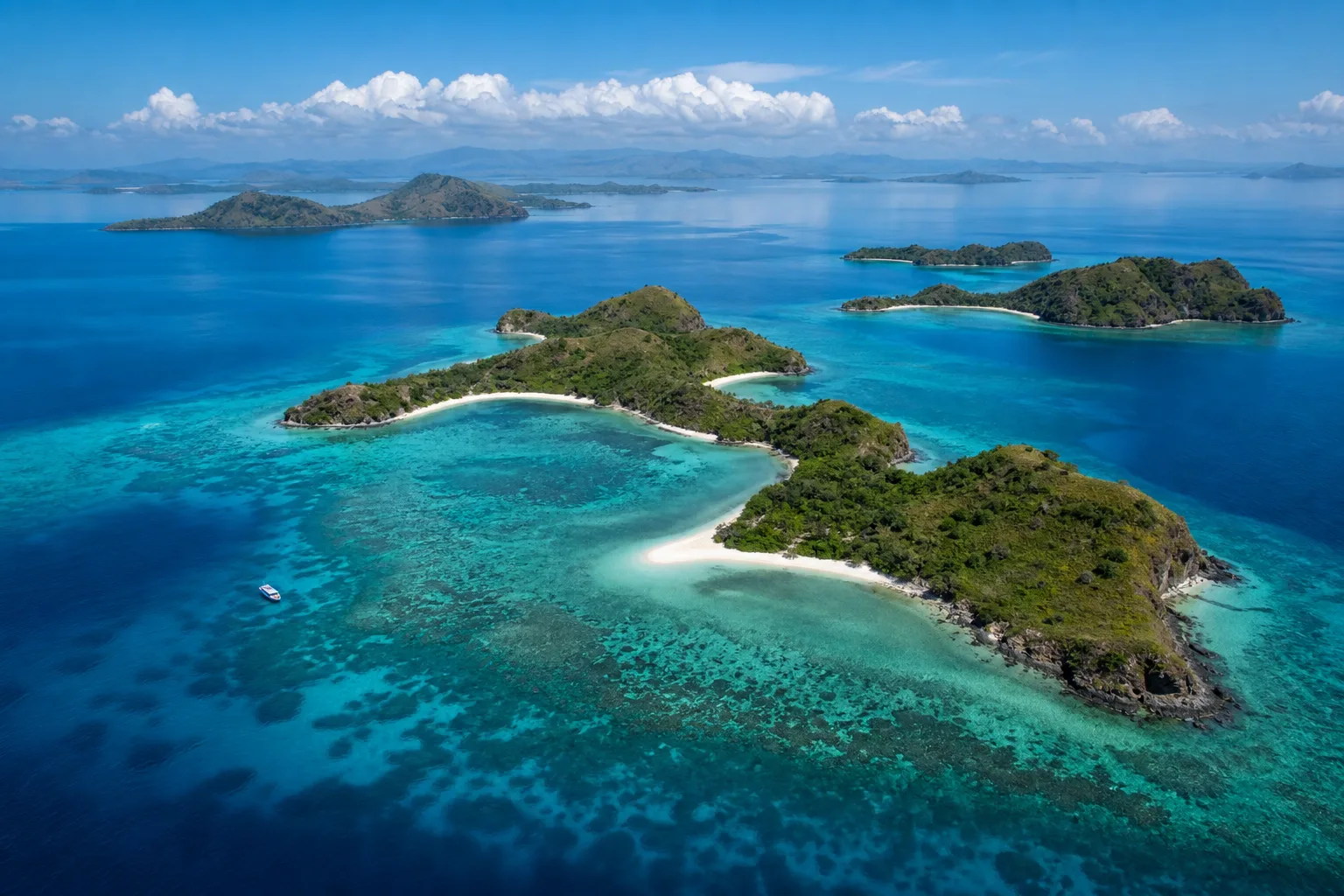
We run both a liveaboard fleet and an island resort, so we have no reason to push you toward one. They suit different trips.
A liveaboard wins on range and on dive count. It sleeps where it dives, so it can start a morning at a site three hours from Labuan Bajo, fit in four dives a day, and reach the southern sites that no day boat gets to. If your priority is maximum diving and the remote corners of the park, nothing else competes.
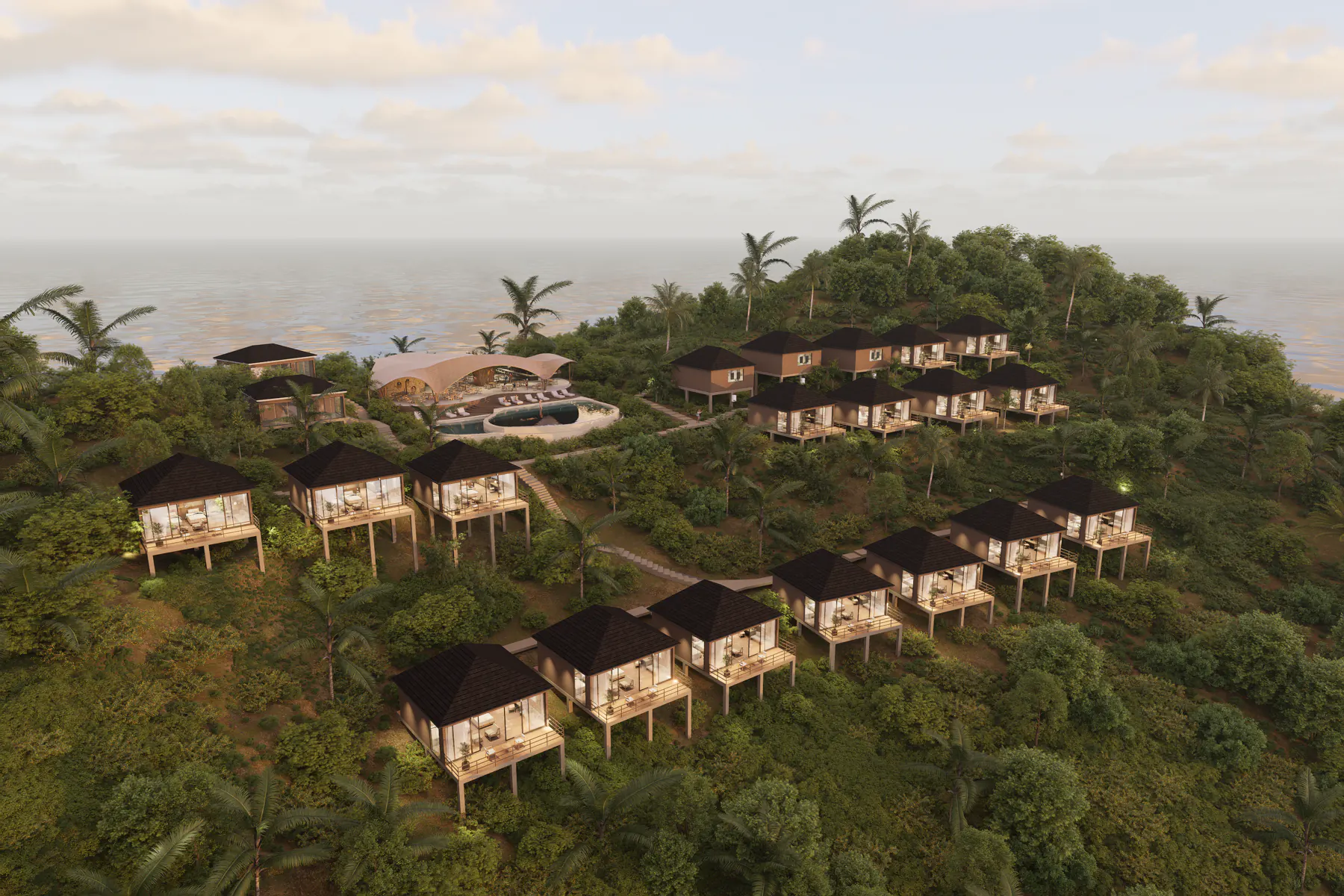
An island base wins on comfort, flexibility and cost. Our Komodo Resort bungalows sit on Sebayur inside the archipelago, roughly twenty minutes from the central dive sites rather than the ninety-plus minutes a Labuan Bajo hotel faces. You get a fixed room, a house reef you can dive without a boat at all, land under your feet every evening, and the ability to stand down for an afternoon without losing anything. For families, for mixed groups where not everyone dives, and for anyone who would rather not sleep at anchor, that is the better trade. Our guide to staying on Komodo Island covers the options in more detail.
A reasonable third answer, and one plenty of our guests choose, is both: a few nights at the resort either side of a liveaboard leg, which gives you the remote sites without spending the whole trip aboard.
Itineraries: What Fits Into Three Days, and What Needs Longer
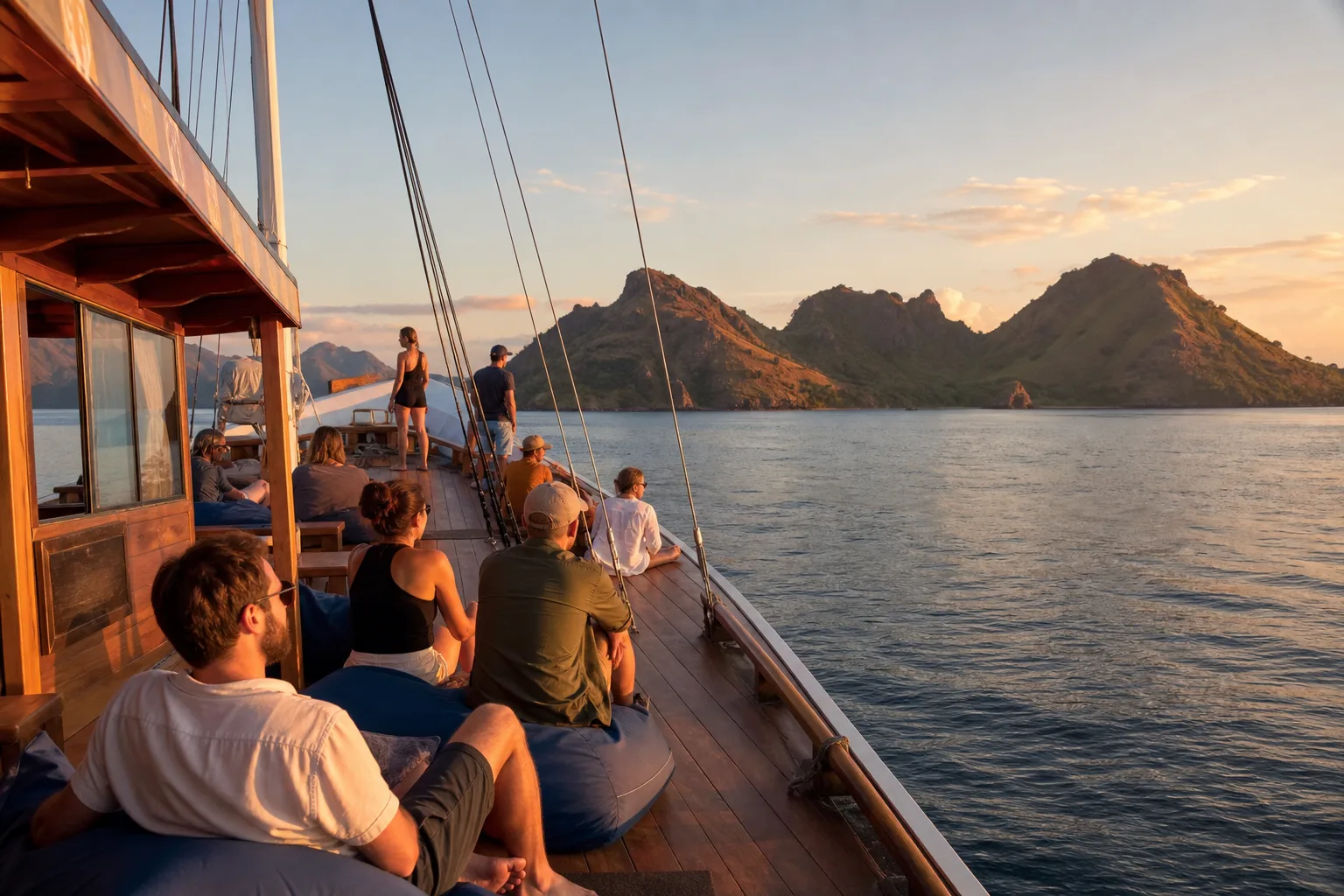
The three-day, two-night trip is by far the most commonly sold itinerary in Komodo, and it works, as long as you understand it is a highlights run rather than a tour of the park.
Day one is boarding, briefings and the first dives or snorkel stops as the boat moves into the park. Expect the afternoon to be spent gaining ground rather than sightseeing.
Day two is the substantial day: an early dive while the light is low and the sites are quiet, the manta plateau at Karang Makassar, Pink Beach, and either the dragon trek on Komodo Island or the Padar ridge, depending on what you booked and how the tide falls.
Day three is one or two dives, the flying foxes at Kalong if the timing allows, and the run back. Anyone flying out should keep this day clear of diving, and our guide to flying after diving explains the intervals.
Four to seven nights is where a liveaboard starts to justify itself. The extra days buy the southern sites, which are colder, richer and considerably more weather-dependent, plus the freedom to sit out a bad morning without wrecking the plan. For a broader picture of how many days to allow, our Komodo island itinerary guide maps three, five and seven day plans.
Diving From a Luxury Boat
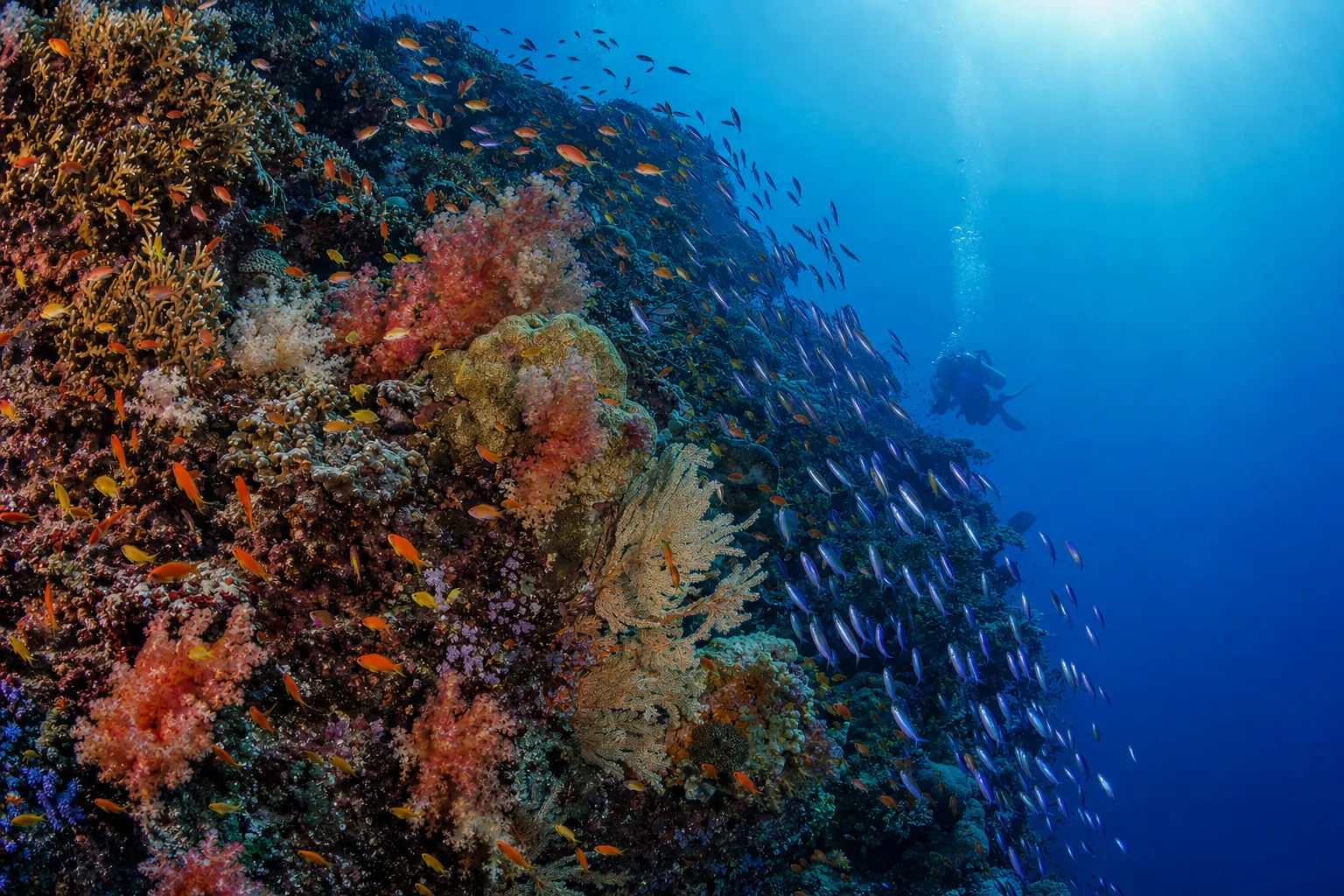
Komodo is a current destination. That is the whole reason the reefs are as productive as they are, and it is also why site choice has to follow the tide rather than a schedule. The advantage of a well-run boat is that it can be in position at the right hour instead of arriving when the timetable says so.
Our guide to diving Komodo's currents covers the skills involved, and the site-by-site detail is in our Komodo dive sites guide. One rule worth knowing before you sail: since 2026 the park has required a twenty-minute interval between successive dive groups entering the same site. It is not a cap on your dive time, but at busy sites in peak season it can mean waiting your turn or moving on.
Manta Point (Karang Makassar)
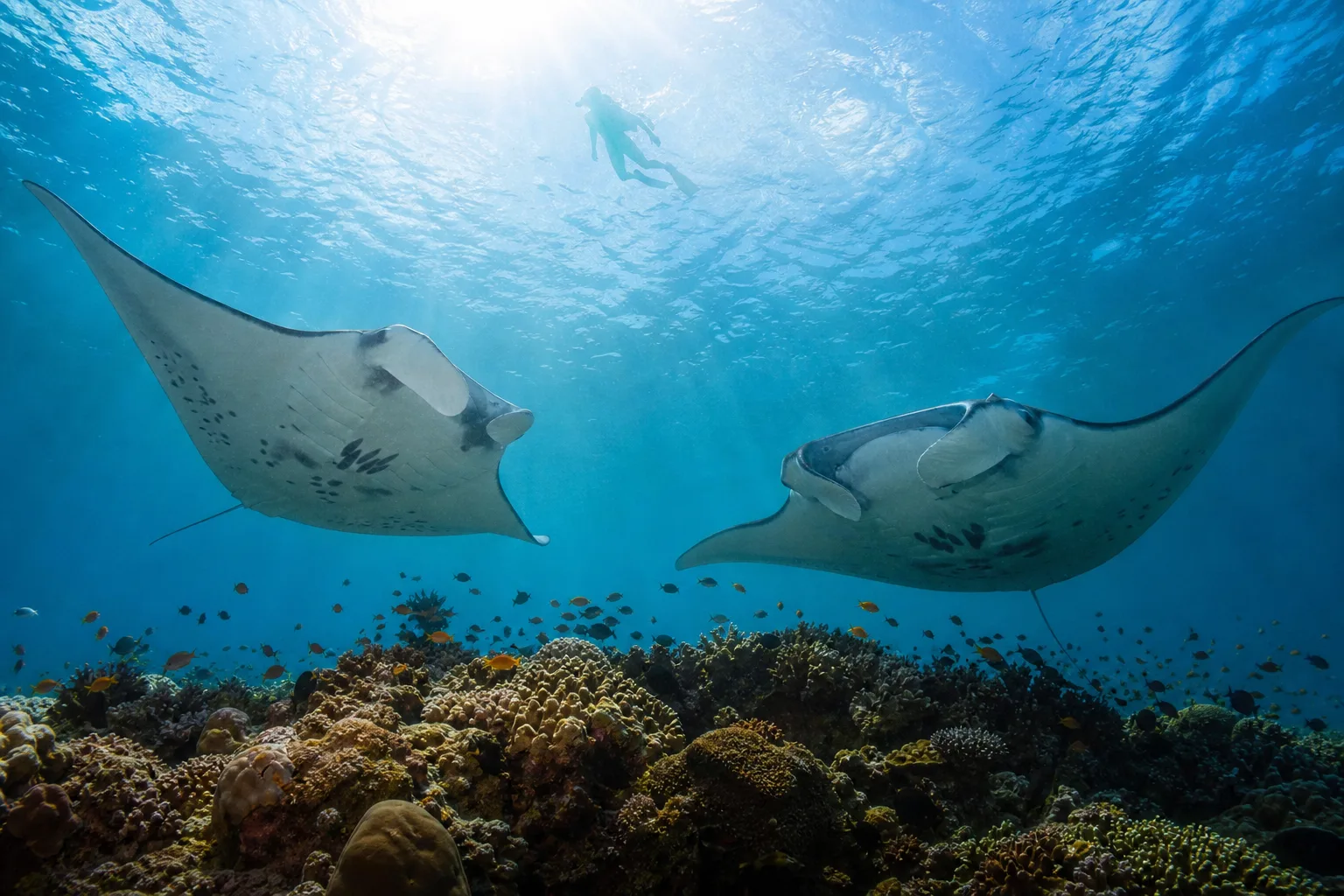
A long, shallow rubble plateau where reef mantas come to feed and be cleaned. Numbers track plankton rather than the calendar: the biggest aggregations come in the wet season from roughly December to February, while the dry months produce mantas most days in smaller groups and clearer water. Tide matters more than month, and it is divable by snorkellers as well as divers when conditions are gentle.
Etiquette decides whether they stay. Stay low, do not chase, and let them come to you. Our guide to swimming with manta rays covers it properly.
Batu Bolong, Castle Rock and Crystal Rock
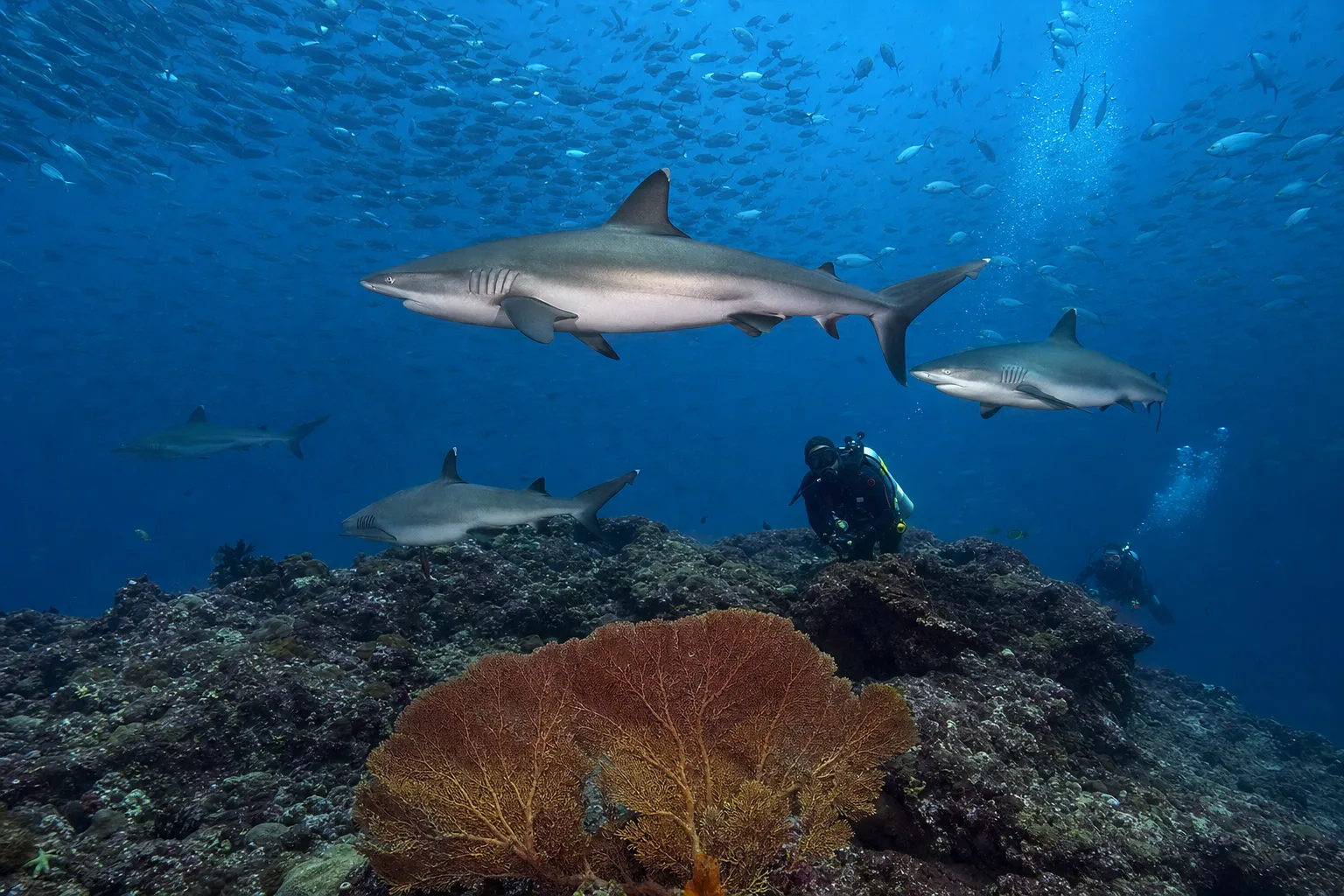
These are the sites people come to Komodo for, and they are advanced. Batu Bolong is a pinnacle rising from deep water with reef so dense it looks artificial, dived on the sheltered side because the exposed side is unsurvivable in full flow. Castle Rock and Crystal Rock are submerged seamounts where you hook in and watch grey reef sharks, trevally and fusiliers stack up in the current.
They demand good buoyancy, comfort with negative entries and a willingness to be told a site is off for the day. None of them are suitable for a first ocean dive, and no reputable operator will put you on them until you have shown you are comfortable in moving water.
Calmer Sites for Snorkellers and New Divers
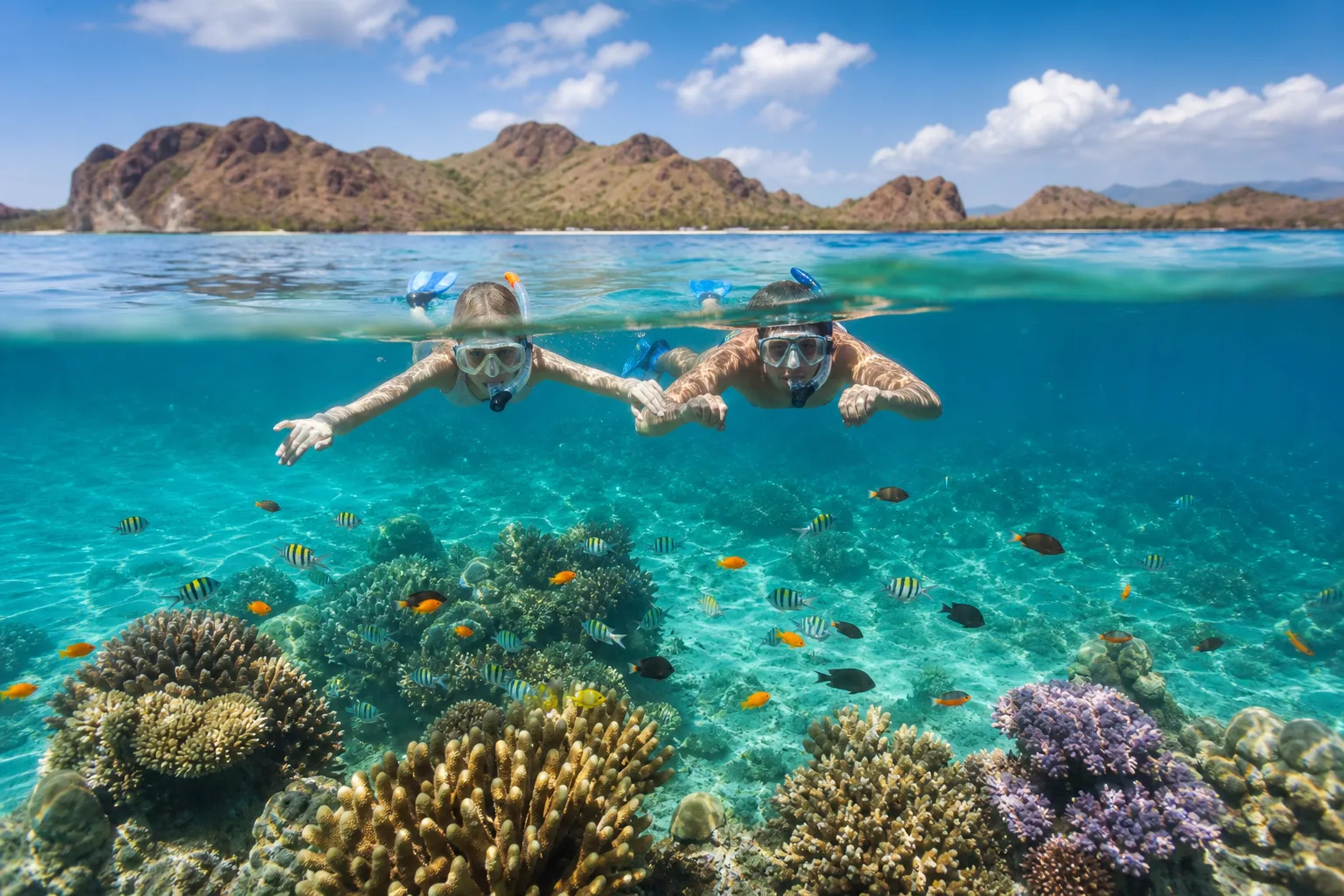
Komodo is not only for advanced divers, and a good boat plans for mixed groups. Mawan, Siaba Besar and Tatawa Besar offer gentle sloping reefs, turtles and sheltered water, and they are where new divers build up before anyone mentions Castle Rock. The house reef at our resort on Sebayur serves the same purpose from land.
If part of your group does not dive at all, our Komodo snorkelling trips run from the same boats and reach the same manta plateau, which is what makes a mixed booking workable rather than a compromise.
Key Destinations Above Water
Even on a diving-focused trip, a handful of stops are worth the surface interval. These are the ones we would not skip, and the ones a good crew will time to avoid the convoy from town.
Komodo Island
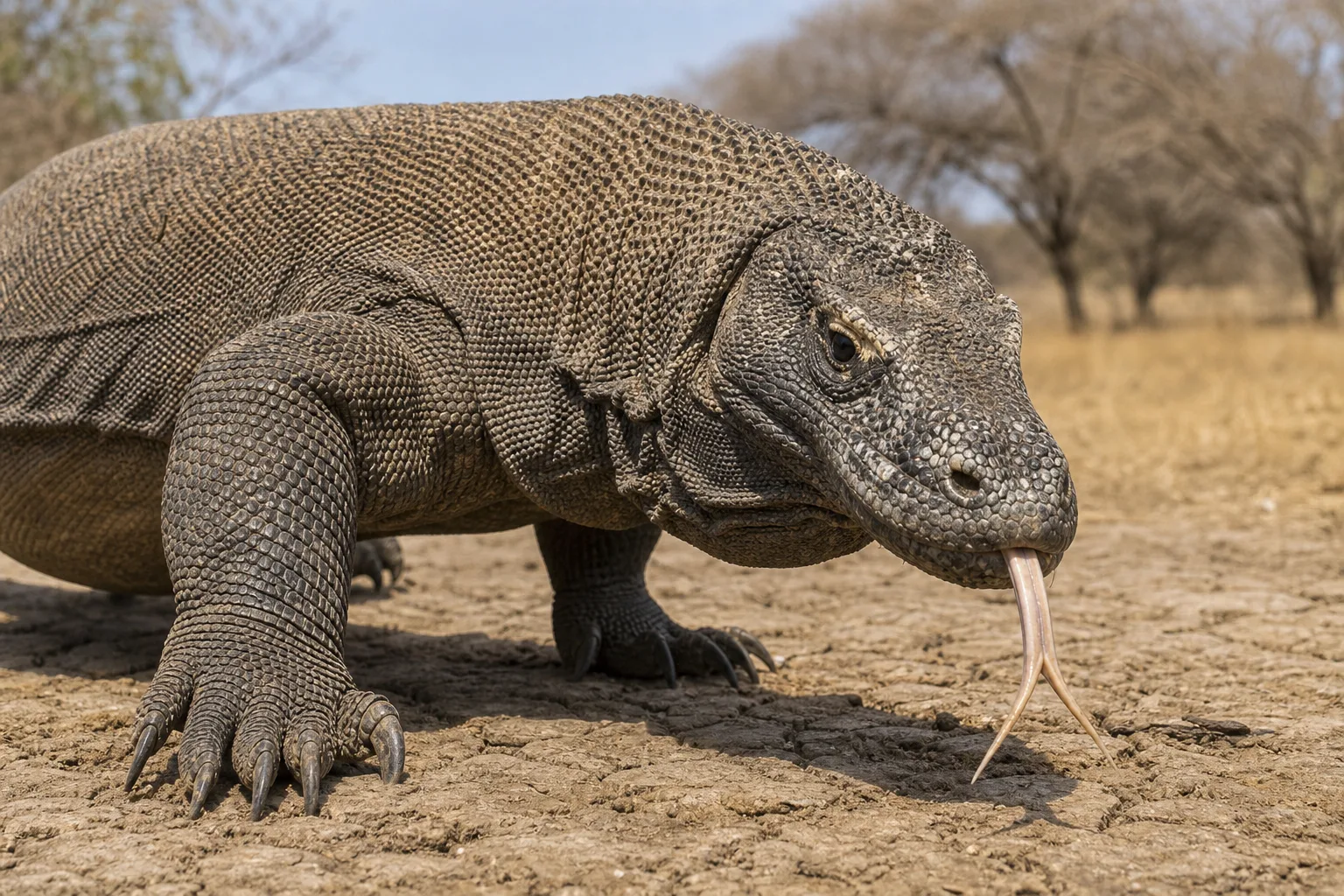
The largest island in the park and the reason most people have heard of it. Komodo dragons here can exceed three metres and 70 kilograms, and every trek is escorted by a park ranger, which is compulsory rather than a courtesy. Our guide to how dangerous Komodo dragons really are explains why that matters.
Beyond the dragons there are hiking trails, white-sand beaches and reef close enough to snorkel from the tender. Options are on our Komodo dragon tours page.
Rinca Island
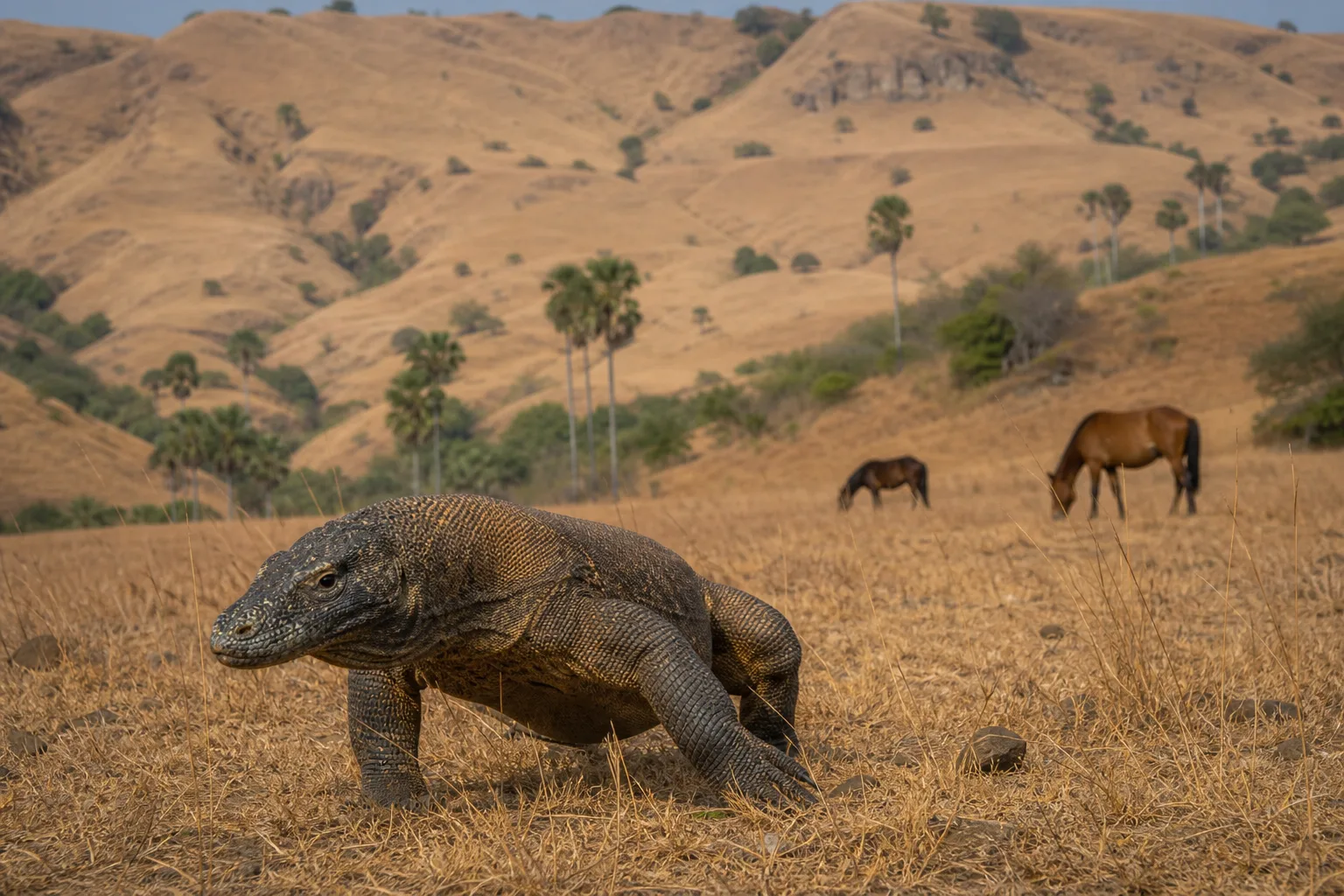
The second-largest island, with a dense dragon population and a shorter walk from the jetty, which is why day boats favour it. The trade-off is that Rinca's visitor infrastructure has been substantially rebuilt, so the experience is more managed than on Komodo Island. Which you prefer depends on whether you value convenience or a wilder feel.
The landscape is the draw beyond the dragons: savannah, mangrove and monsoon forest supporting water buffalo, Timor deer and wild boar, which are what the dragons are actually there for.
Padar Island
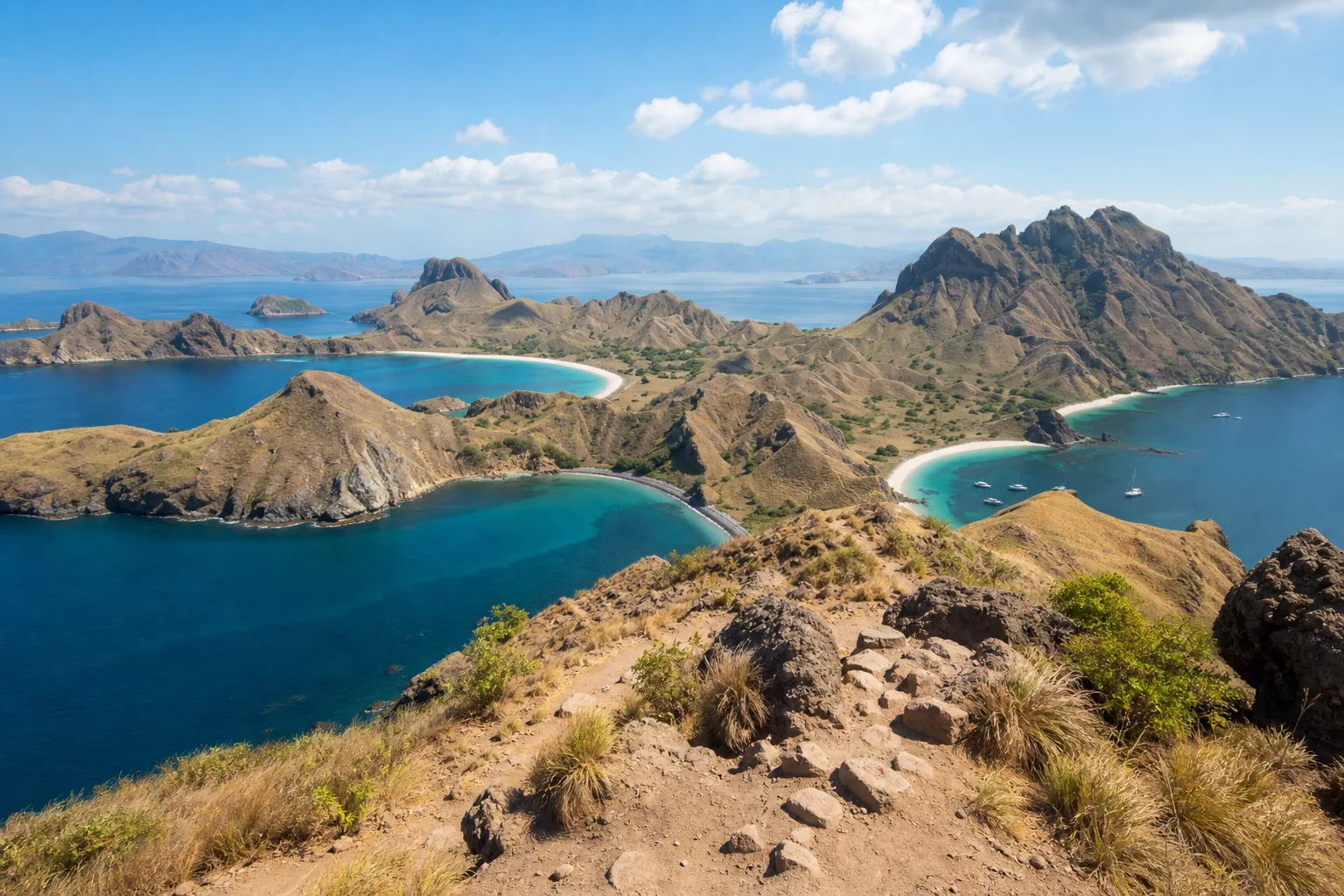
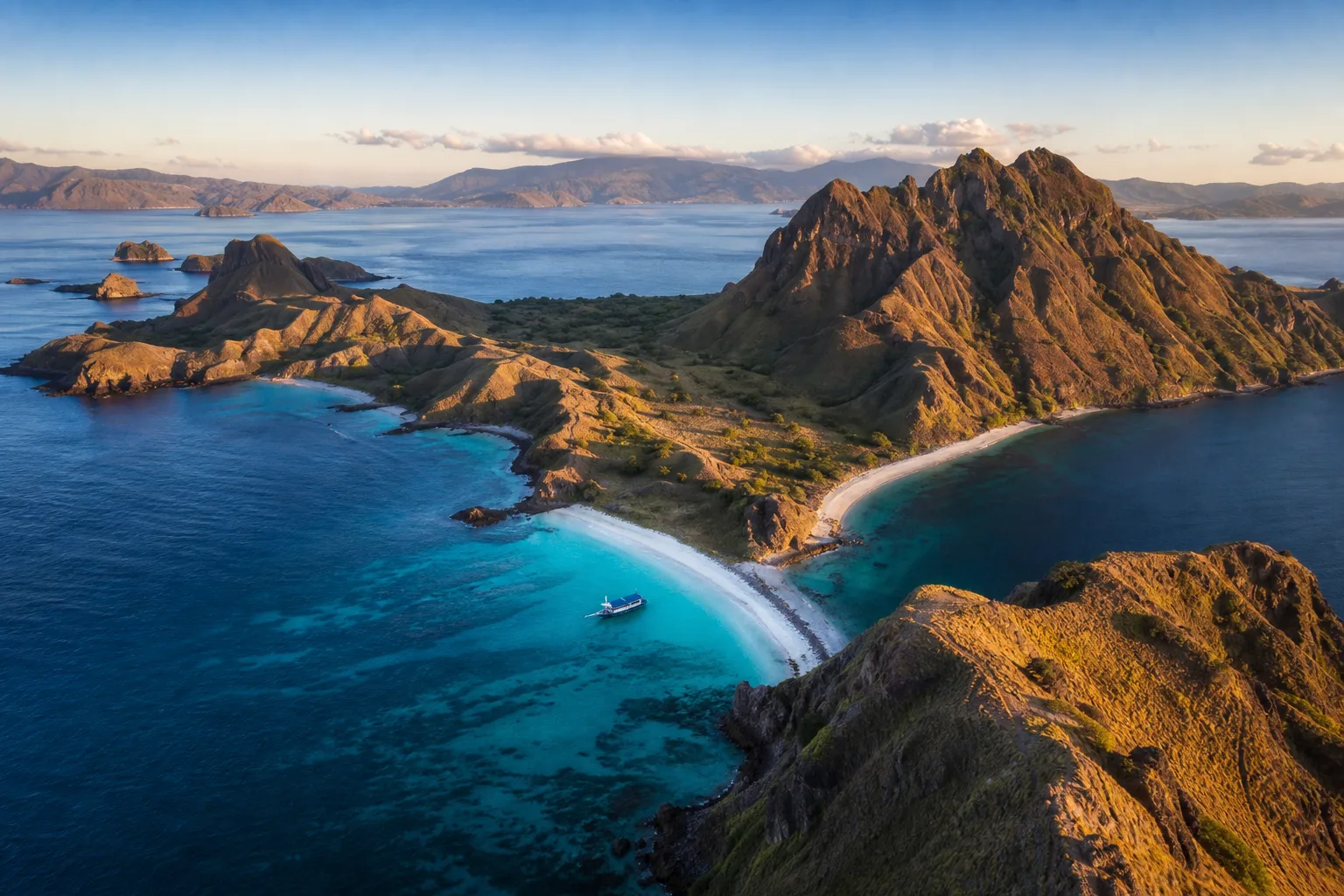
The view from the Padar ridge over three crescent bays is the image of Komodo, and the climb is a genuine set of steps rather than a stroll. There are no dragons on Padar. Go early, both for the light and because the ridge at eight in the morning in high season is a queue with a view.
If you plan to fly a drone, the permit is IDR 2,000,000 per unit per day, and it is checked. Our guide to Komodo National Park entrance fees sets out the full schedule.
Pink Beach
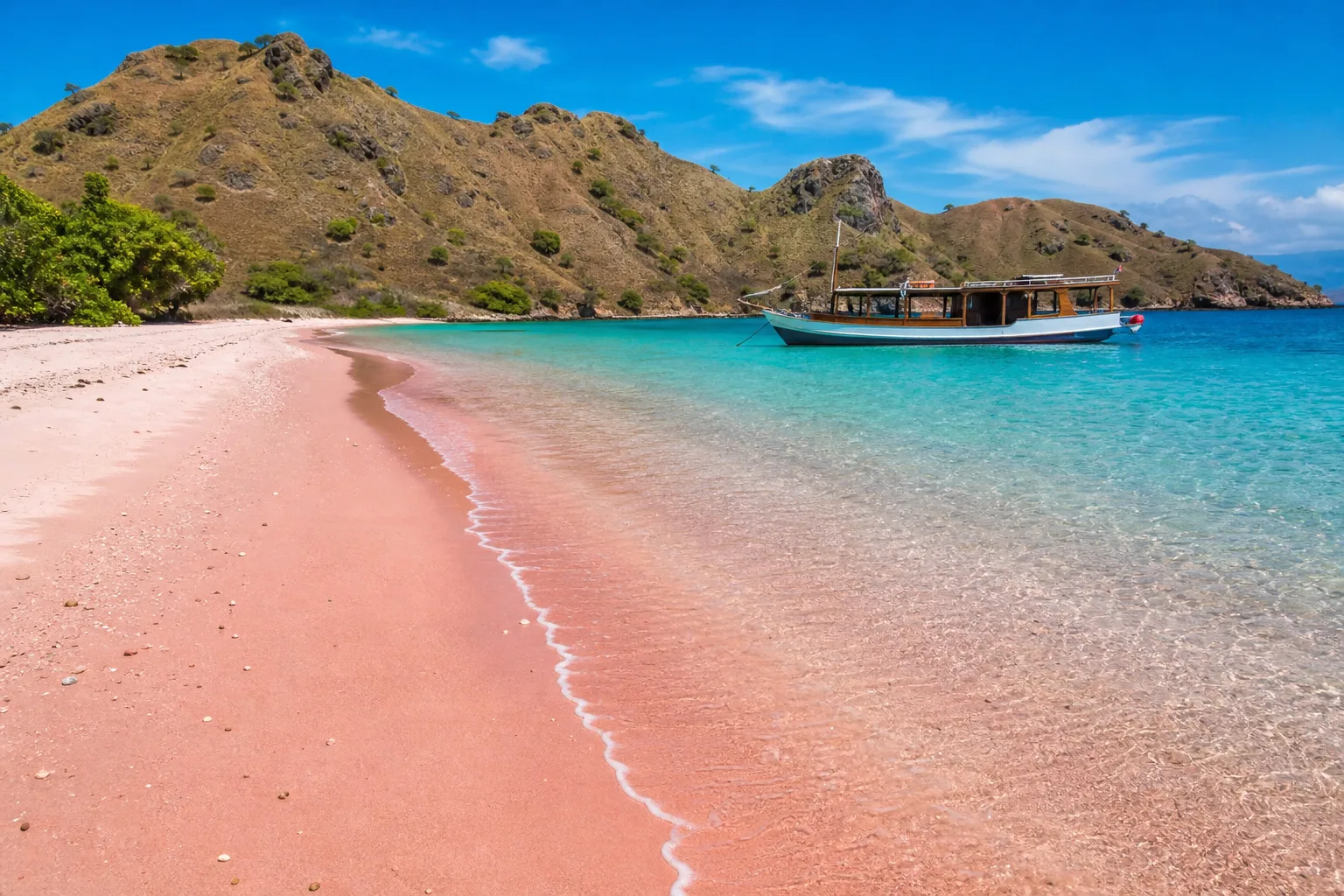
Pantai Merah gets its colour from fragments of red coral ground into white sand, and it is more subtle in person than the photographs suggest, strongest at the waterline and in low light. The snorkelling straight off the beach is genuinely good, with coral garden in shallow water a few fin kicks out.
It is also a scheduled stop for most day boats, so the difference between a crowded hour and an empty one is entirely down to when your crew arrives.
Kalong Island and the Flying Foxes
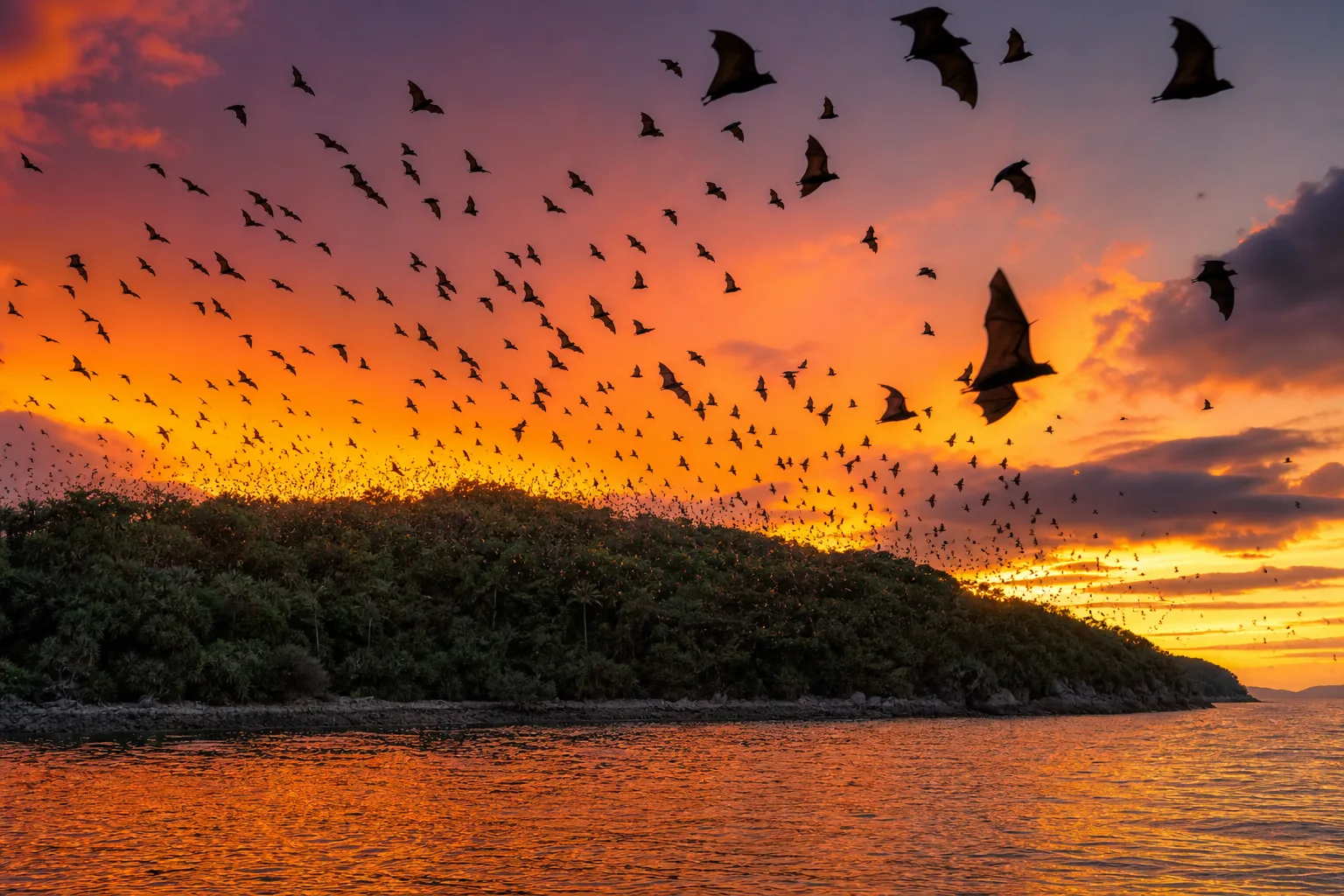
At dusk, thousands of fruit bats with wingspans approaching a metre and a half lift off the mangroves of Kalong Island and stream across the channel to feed. Watching it from the deck with the engine off is one of the few genuinely still moments in a Komodo itinerary, and it costs nothing but being anchored in the right place at the right hour.
A heavy afternoon can flatten the whole thing, so if it matters to you, take the first clear evening rather than saving it for the last night.
What a Luxury Boat Trip Costs, and What Sits Outside the Fare
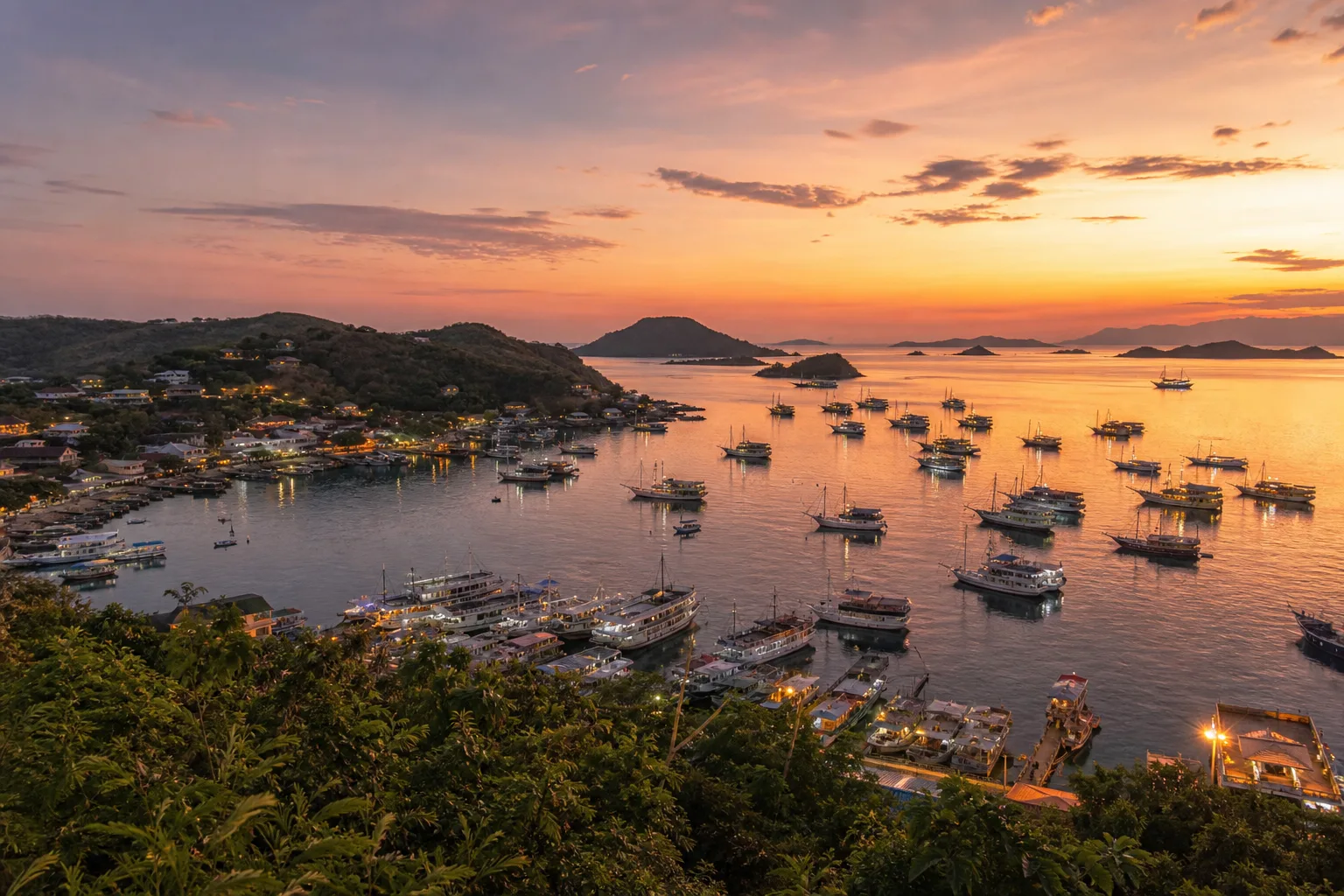
Liveaboard fares move with vessel, cabin, season and length of trip, so any single figure published here would be wrong by the time you read it. Current departures and prices are on our Komodo liveaboard page. What is stable, and what people consistently forget to budget for, is everything the fare does not include.
National park fees are charged per person per day and are not part of any boat fare. For international visitors that means a marine park entry fee of IDR 250,000 per person per day, a conservation fee of IDR 100,000, and a harbour fee of IDR 25,000 per person when arriving by boat. Divers pay a further surcharge of IDR 25,000 per diver per day, which brings a diving day to roughly IDR 300,000, around USD 18. Ranger fees for treks are charged per group rather than per person: IDR 200,000 for up to five people on Komodo or Rinca, and IDR 150,000 on Padar.
Beyond fees, budget for equipment rental if you are not bringing your own, nitrox if you use it, crew gratuities, and any alcohol, which is almost never included. Fees are paid through the park's online system, and our guide to money in Labuan Bajo covers how to get cash before you board, because there are no ATMs once you sail.
When to Sail
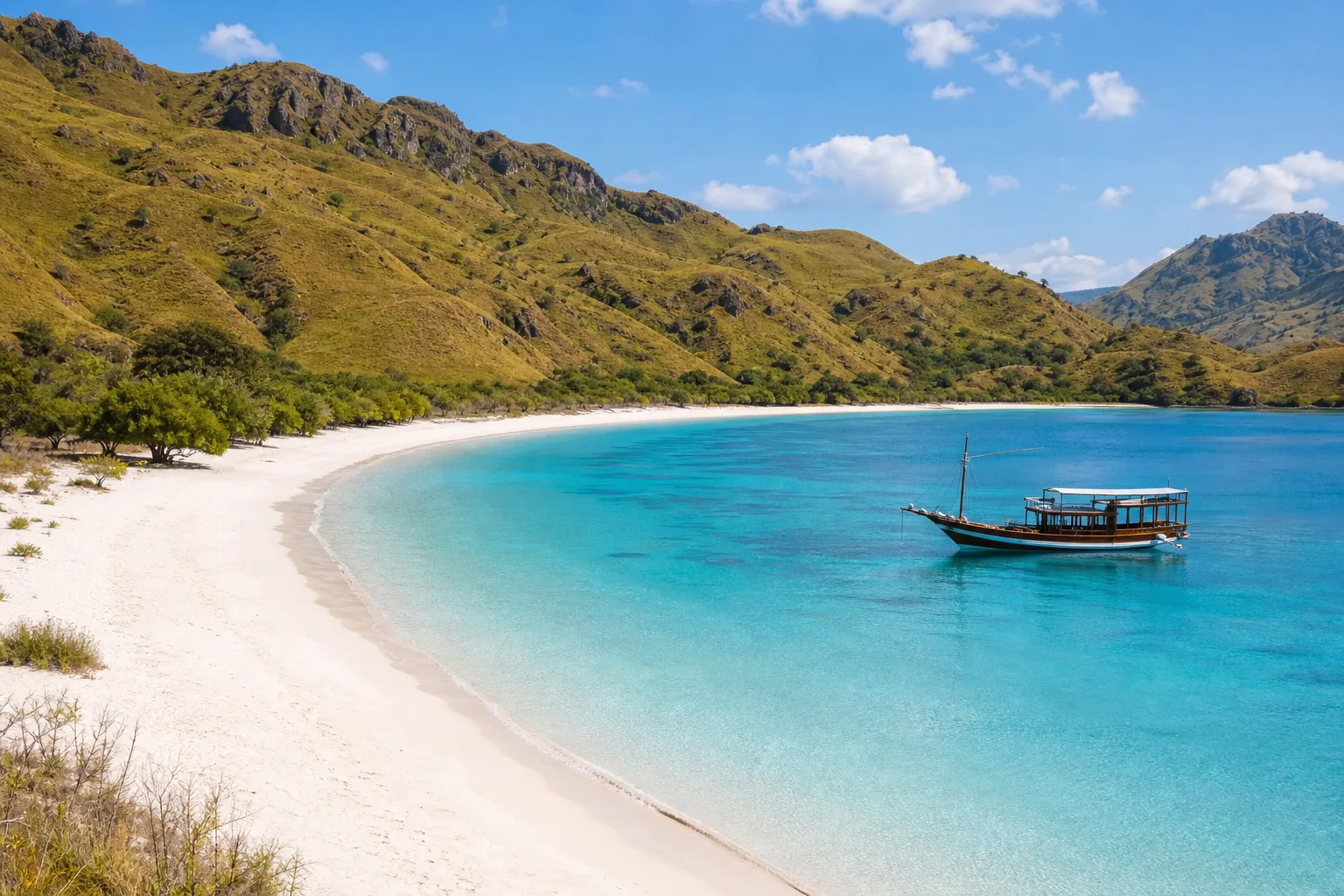
Komodo is a year-round destination, but the months are not interchangeable. April to June and September to November are the strongest all-round windows: settled enough for comfortable crossings, quiet enough to avoid the convoy, and warm enough that a 3mm suit is plenty.
July and August deliver the flattest seas and the clearest water of the year, and they are also the most expensive and most crowded weeks, with liveaboard cabins filling months ahead because capacity is genuinely fixed. December to February is the wet season, bringing the largest manta aggregations of the year alongside rain, wind, softer visibility and a real chance of losing a day. Experienced divers often prefer it; first-timers usually should not start there.
Our guides to the best time to visit Komodo Island and to Komodo in November go month by month.
How to Book, and What to Ask Before You Do
Booking a luxury boat is mostly a matter of asking the questions that brochures avoid. How many guests does the boat actually carry, and how many divers per guide? Are park fees, equipment and nitrox included, or added later? Who leads the dives, and how many seasons have they worked these sites? What happens if weather closes a site, and who decides? Is there a compressor and a spare, or one compressor and optimism?
Two practical points. Book earlier than feels necessary for July and August, because a twelve-guest boat either has your cabin or it does not. And build a buffer day at either end, in Labuan Bajo or at the resort, so that a delayed flight does not cost you the first day of a charter.
Tell us your dates and what you actually want out of the trip, whether that is mantas, the southern sites, a family charter or a quiet week on deck, and we will tell you honestly which boat fits and which month to aim at. You can contact our team directly.
Frequently Asked Questions
Explore More About Komodo
Ready to Sail Komodo in Style?
Tell us your dates and what you want from the trip, and we will tell you honestly which boat fits and which month to aim at.
See Our Liveaboards