The Best Dive Resorts in Indonesia
Indonesia sits at the centre of the Coral Triangle, holds roughly a fifth of the world's coral reefs and supports more than 3,000 species of fish. Spread across some 17,000 islands between the Indian and Pacific oceans, it offers everything from shallow coral gardens to deep walls, muck diving and open-ocean pelagic encounters.
That scale is exactly why the choice of base matters so much. Indonesia is not a destination you cover from one resort. The distance from Bali to Raja Ampat is comparable to crossing a continent, and even within a single national park the difference between a good and a poor location can cost you three hours of boat time a day.
So the useful question is not which resort is best in the abstract. It is: which region do you want, and within that region, which base puts you closest to the sites that drew you there?
Resort or Liveaboard?
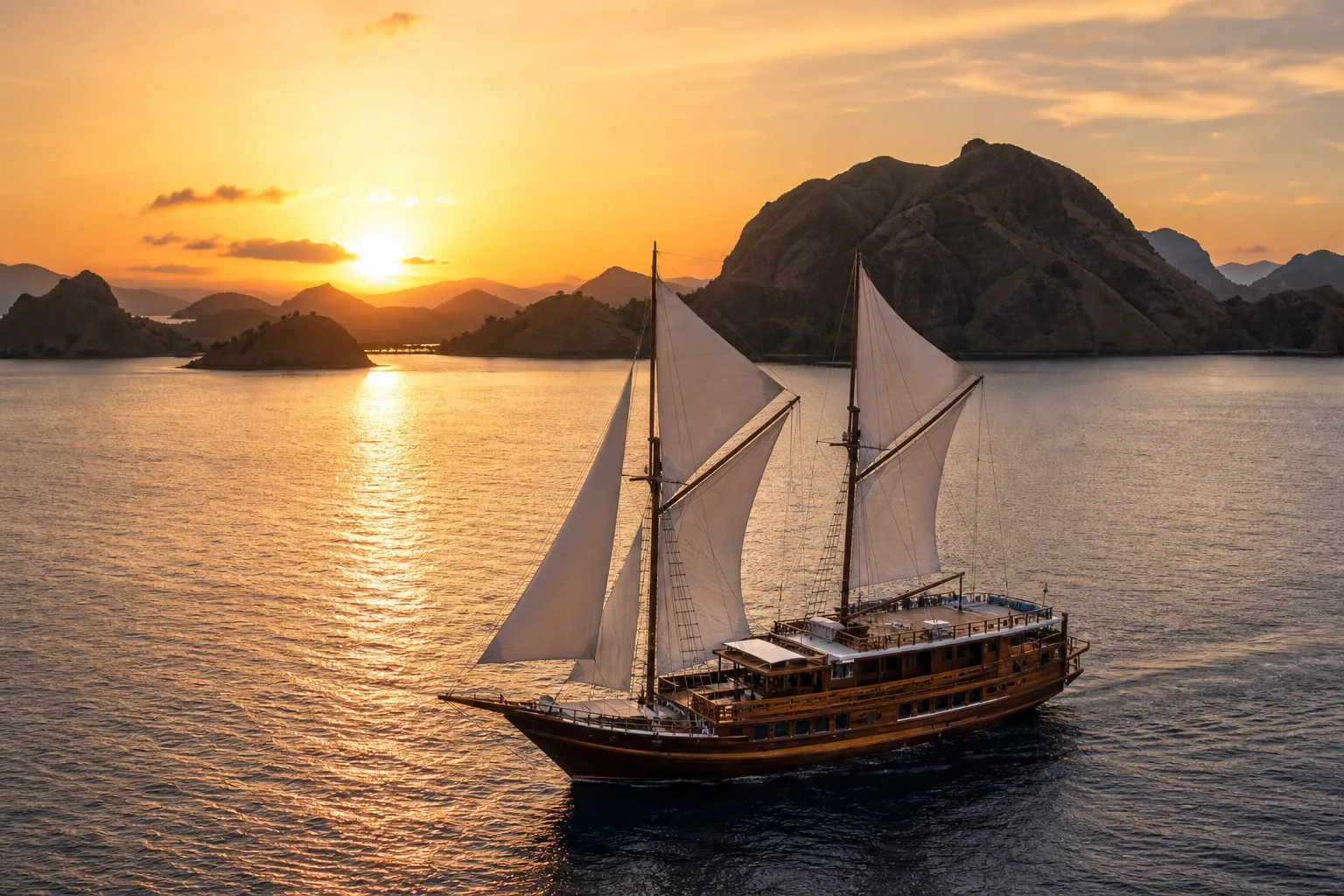
Worth settling first, because it changes everything else. We operate both, so we have no stake in the answer.
A liveaboard wins on range and dive count. It sleeps where it dives, fits in four dives a day and reaches remote sites no day boat can. If you want the maximum number of dives and the far corners of a park, nothing else competes.
A resort wins on comfort, cost and flexibility. You get a fixed room, land under your feet each evening, a house reef you can dive without a boat, and the freedom to take an afternoon off without losing anything. It also works far better for mixed groups where not everyone dives, and for families. A resort is usually the cheaper way to dive a region as well, once you compare like for like.
Plenty of people do both: a resort stay either side of a liveaboard leg. Our guide to staying on Komodo Island works through the trade-off in detail.
What Actually Separates a Good Dive Resort
Almost every dive resort website shows the same things: a bungalow, a sunset, a turtle. None of that tells you whether the diving will be good. These are the four questions that do.
The House Reef Test
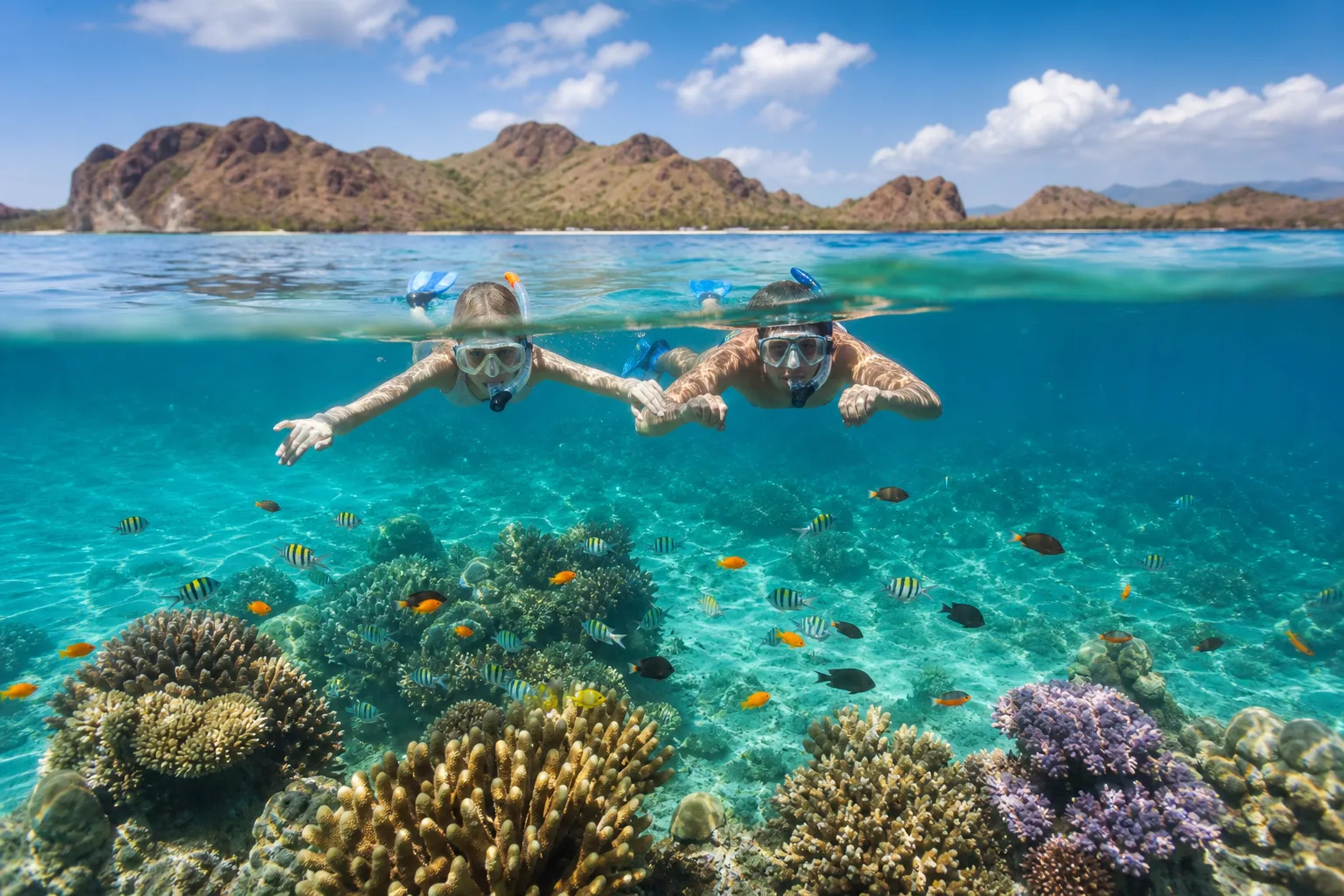
A genuine house reef is the single biggest quality-of-life difference between dive resorts. It means you can dive without booking a boat, fit in an unlimited number of shore dives around the scheduled trips, run a night dive, and give a nervous beginner somewhere to build confidence that is not the open ocean.
Ask what is actually meant by it. Some resorts describe a five-minute boat transfer as a house reef. What you want is reef you can walk into from the beach, with something on it: coral cover, macro life, and enough depth to be interesting past ten metres.
How Far Is the Boat Ride?
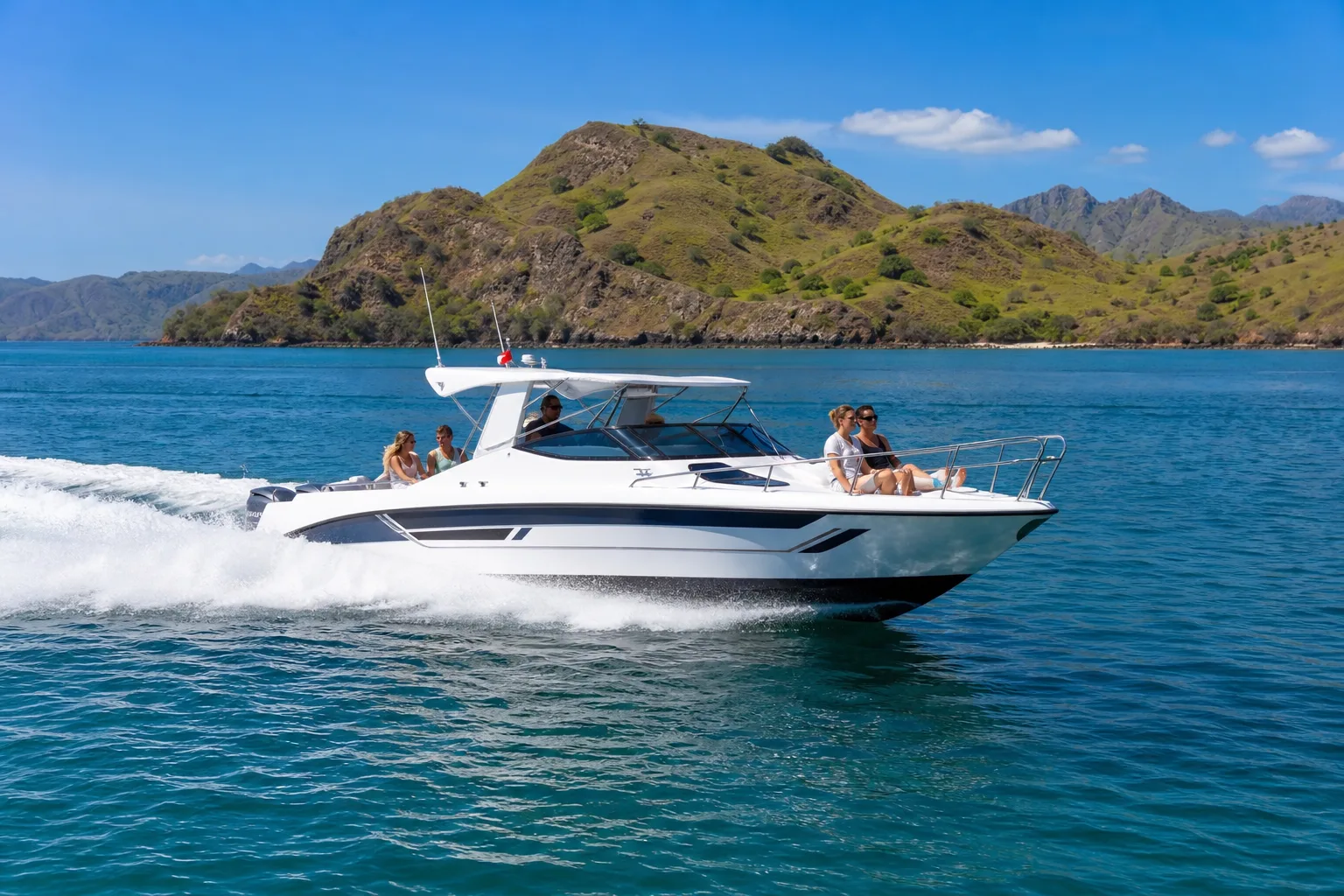
This is the number that quietly determines how much diving you do, and it is the one most often left off the page. A resort ninety minutes from the good sites costs you three hours a day in transit, which over a week is most of a diving day lost to sitting on a boat.
Get specific numbers before you book: how long to the nearest site, how long to the signature site, and how many dives the standard day trip includes. In Komodo, for example, a base inside the archipelago reaches the central sites in around twenty minutes, while a hotel in Labuan Bajo is typically ninety minutes or more each way to the same reefs. Our Komodo island map shows why.
The Dive Centre Behind the Resort
The accommodation and the diving are often run by different operations, with different standards. What matters on the diving side is the guide-to-diver ratio, how many seasons the guides have worked those specific sites, whether there is a spare compressor rather than one and optimism, whether nitrox is available and properly analysed, and whether courses are taught in a language you are comfortable learning in.
Certification level is a reasonable proxy but not a guarantee. A PADI five-star rating tells you the centre meets a training and service standard; it does not tell you whether the guide reads the tide correctly at a current-swept pinnacle. Ask about the guides, not just the badge.
Where to Dive in Indonesia, Region by Region
Five regions account for most of Indonesia's resort diving, and they are genuinely different products rather than variations on a theme. Season matters as much as scenery, because the best months in one region are the worst in another.
Komodo
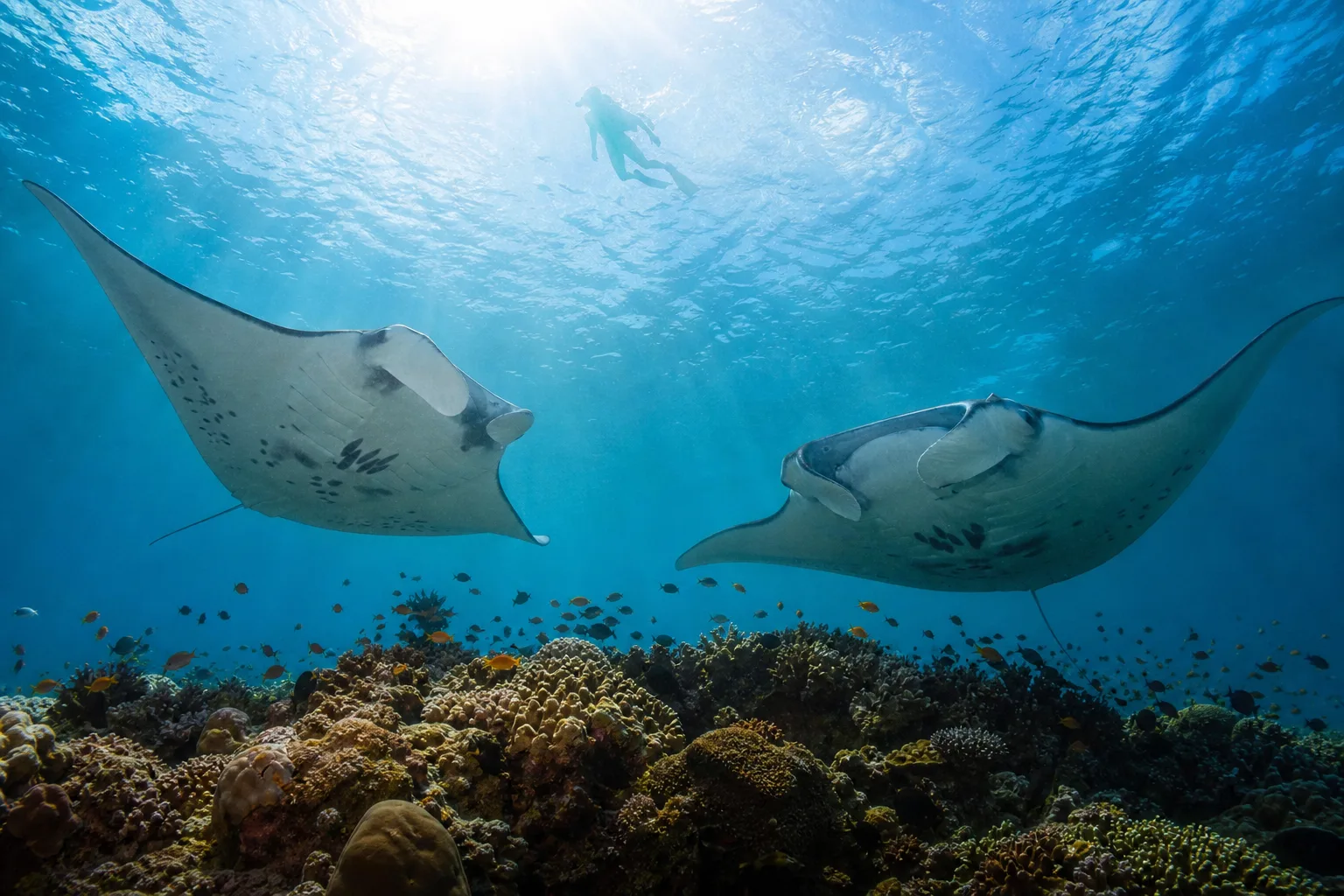
Big-animal and high-current diving with a genuine wildlife draw on land. Reef mantas at Makassar Reef, grey reef sharks and schooling trevally on the northern seamounts, coral density at Batu Bolong that has to be seen, plus the only wild Komodo dragons on earth. Best from roughly April to November, with the largest manta aggregations in the December to February wet season.
It suits divers who want variety in one compact area and travellers who want the trip to be more than diving. Detail is on our Komodo diving page.
Raja Ampat
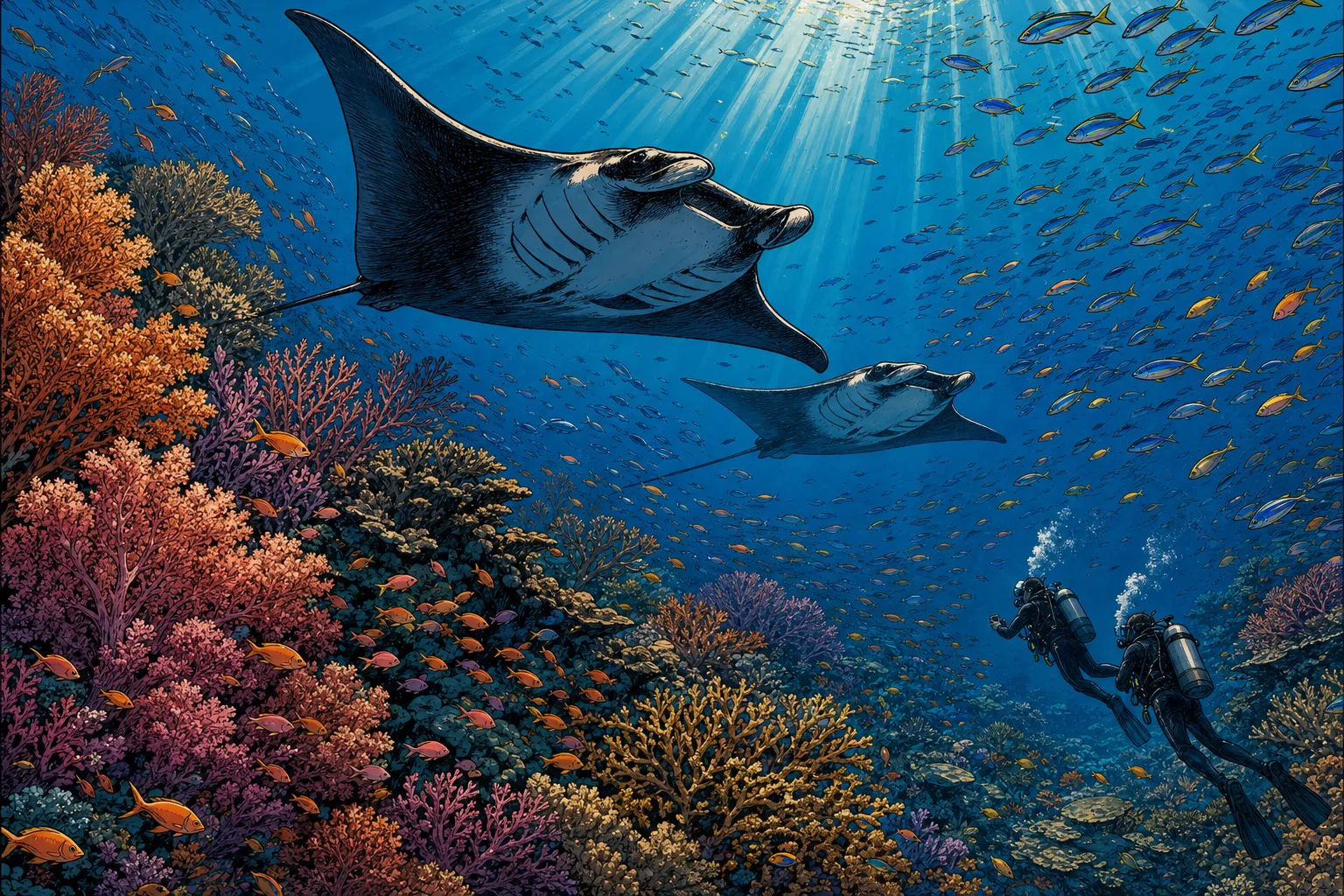
The richest reef biodiversity recorded anywhere, with dramatic topography, soft coral gardens and enormous fish density. Eco-luxury resorts are scattered through the islands, and it is remote, expensive and slow to reach, which is exactly why it stays as good as it is.
Best from roughly October to April, which makes it a natural complement to Komodo rather than a competitor. Our Komodo versus Raja Ampat comparison covers how to choose between them, and our Raja Ampat liveaboard guide covers getting there by boat.
Bali
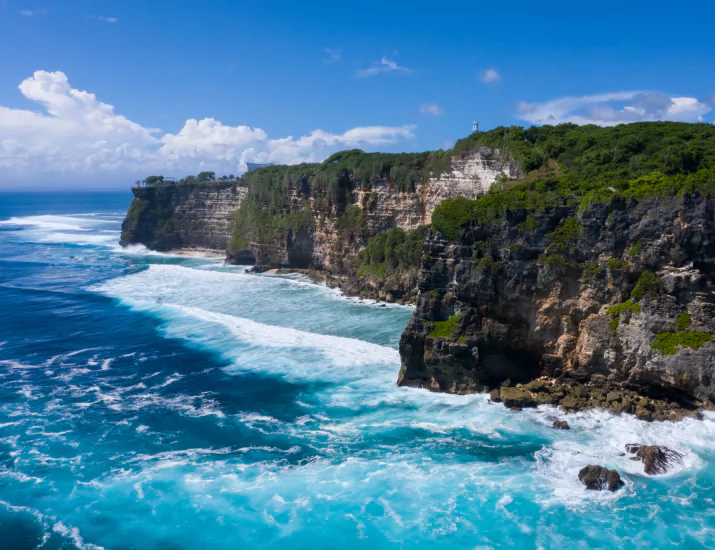
The most accessible diving in the country and the easiest to combine with a non-diving holiday. The USAT Liberty wreck at Tulamben, the mola mola season around Nusa Penida, and reef diving at Menjangan, all reachable from resorts with proper infrastructure and short transfers.
Bali dives well year-round, which is unusual in Indonesia, though visibility varies with rainfall. It is the sensible choice for a first Indonesian dive trip, for certification, and for anyone travelling with people who would rather be on a beach. Getting from Bali onward is covered in our Bali to Komodo guide.
Sulawesi: Lembeh and Bunaken
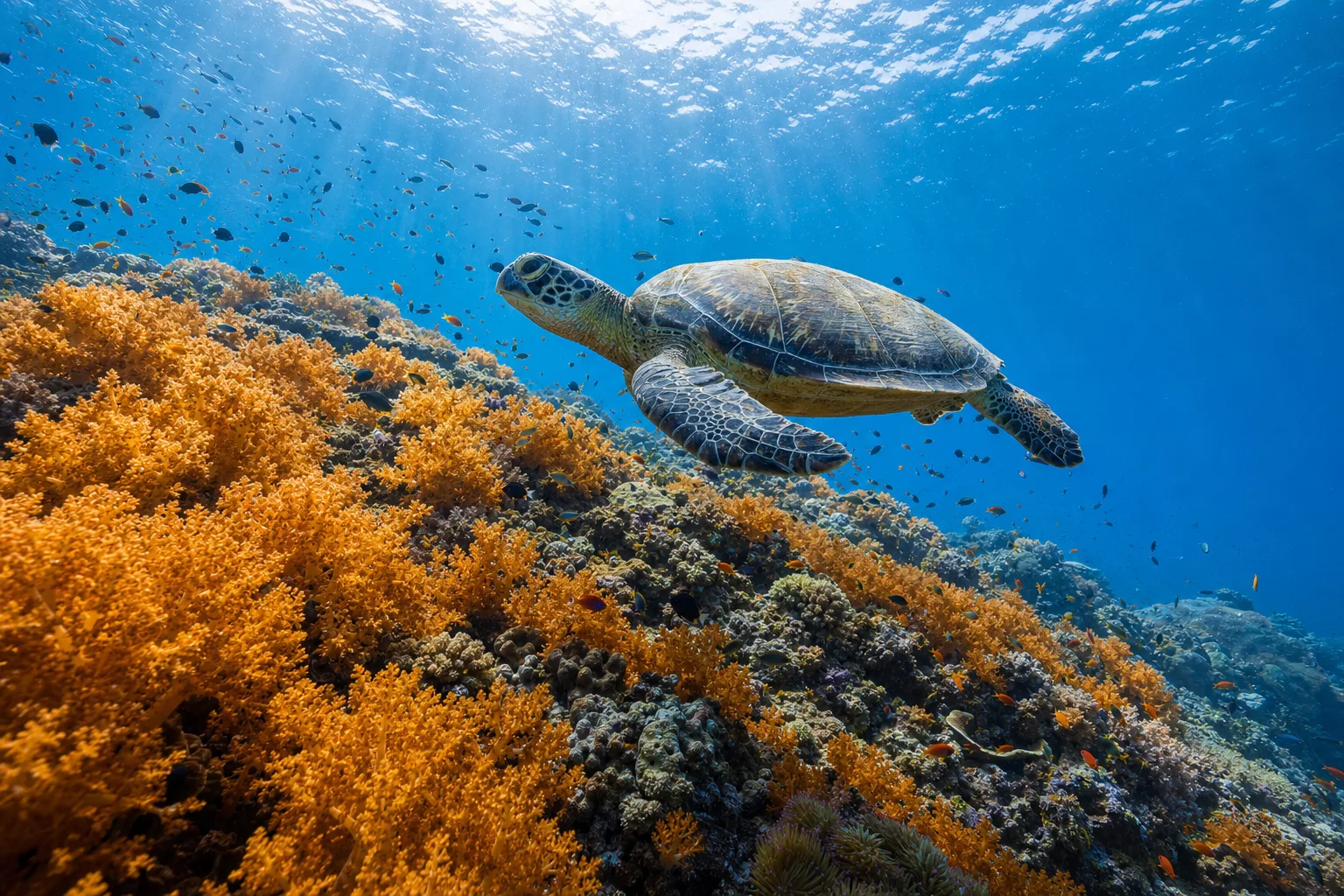
Two very different things close together. The Lembeh Strait is the world's benchmark for muck diving, black sand slopes hiding hairy frogfish, mimic octopus, flamboyant cuttlefish and every oddity a macro photographer wants. Bunaken, a short distance away, is steep coral walls and clear water.
Resorts here are typically small, dive-focused and staffed by spotters with an uncanny eye. This is a destination for photographers and for divers who would rather spend fifty minutes on a square metre of sand than chase pelagics.
The Banda Sea and Alor
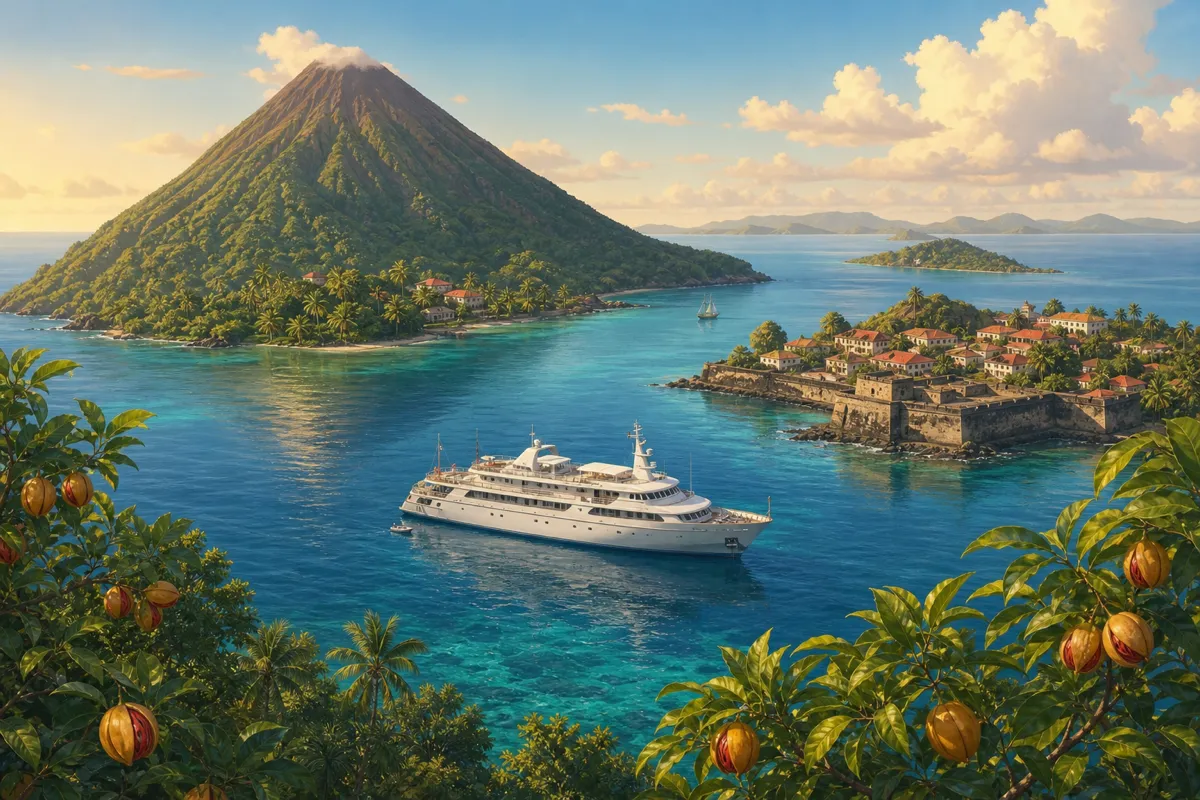
The remote end of Indonesian diving: volcanic walls, hammerheads, schooling barracuda and, in season, the mass migration of hammerhead sharks. Resort options are limited and the region is served mainly by liveaboards, including repositioning voyages that combine it with Komodo or Raja Ampat.
Worth knowing about because it is often the answer for experienced divers who feel they have seen the headline destinations. It is not a first trip. Our Banda Sea liveaboard guide covers the season and the route.
Komodo Resort: A Gem among Indonesia Dive Resorts
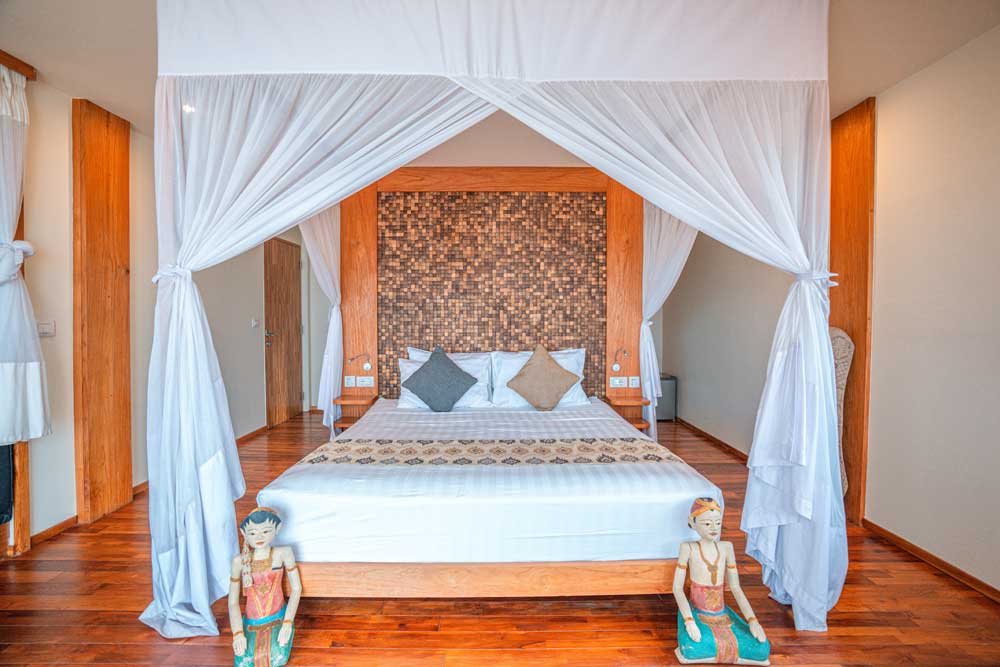
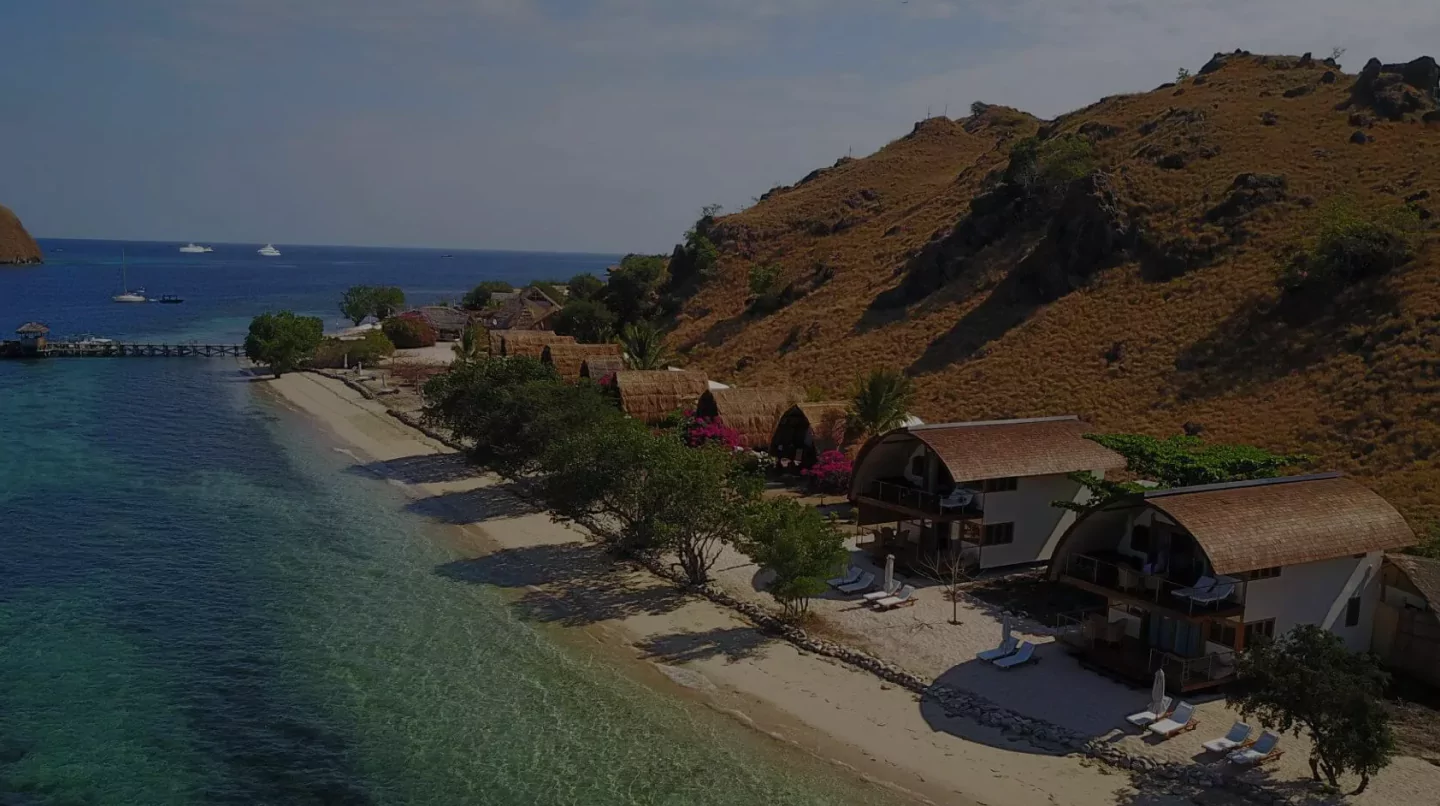
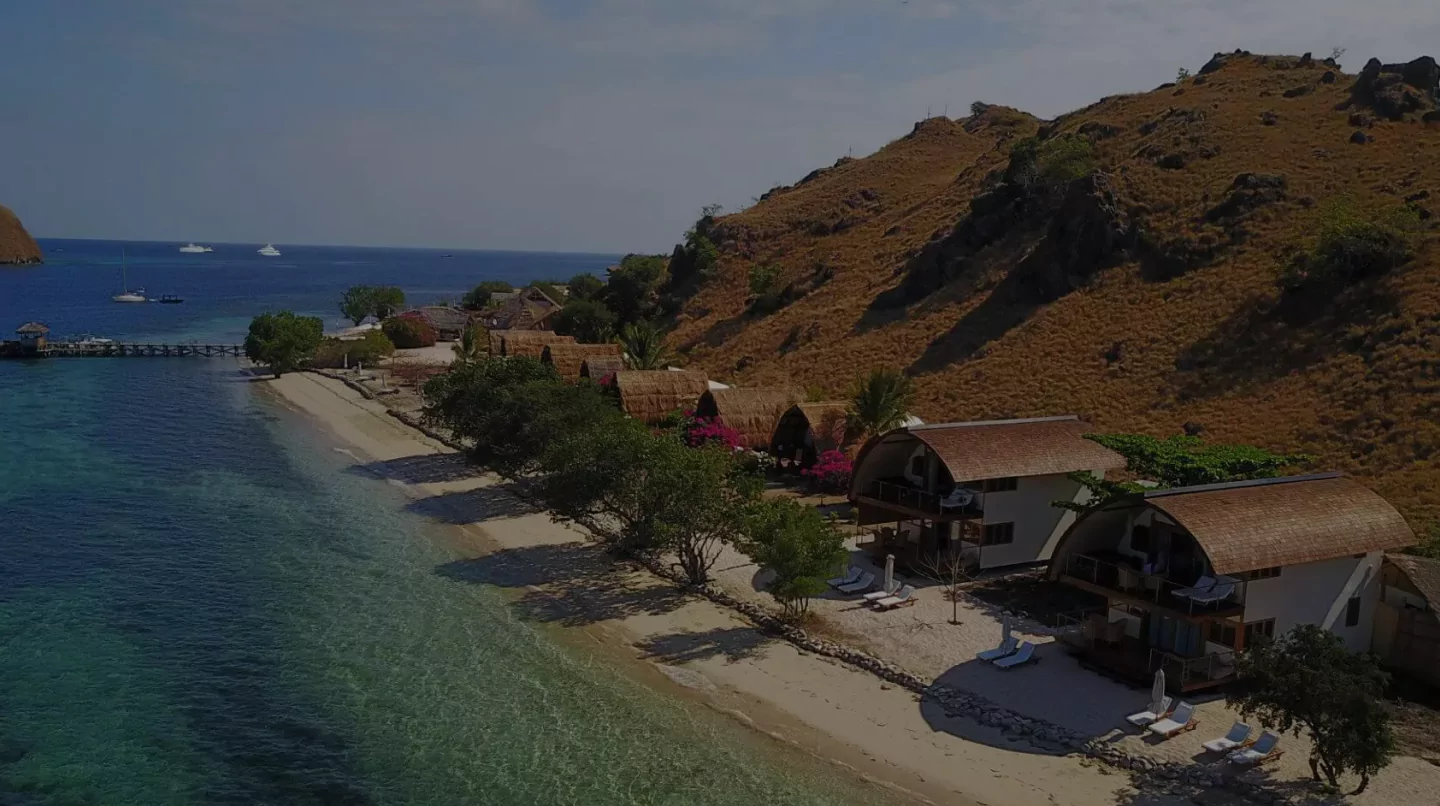
Our own resort sits on Sebayur Island, inside the Komodo archipelago rather than on the Flores mainland. That position is the reason to consider it: you are already past the transit that eats a Labuan Bajo diving day, with more than 30 dive sites reachable in between 10 and 60 minutes by boat.
Diving is run by our own PADI five-star centre, Neptune Scuba Diving Komodo, with courses taught in English, Chinese, Italian and Indonesian, and nitrox available for certified divers. There is a house reef straight off the beach that works for shore dives, night dives, check dives and snorkellers, which is what makes the resort viable for mixed-ability groups rather than divers only.
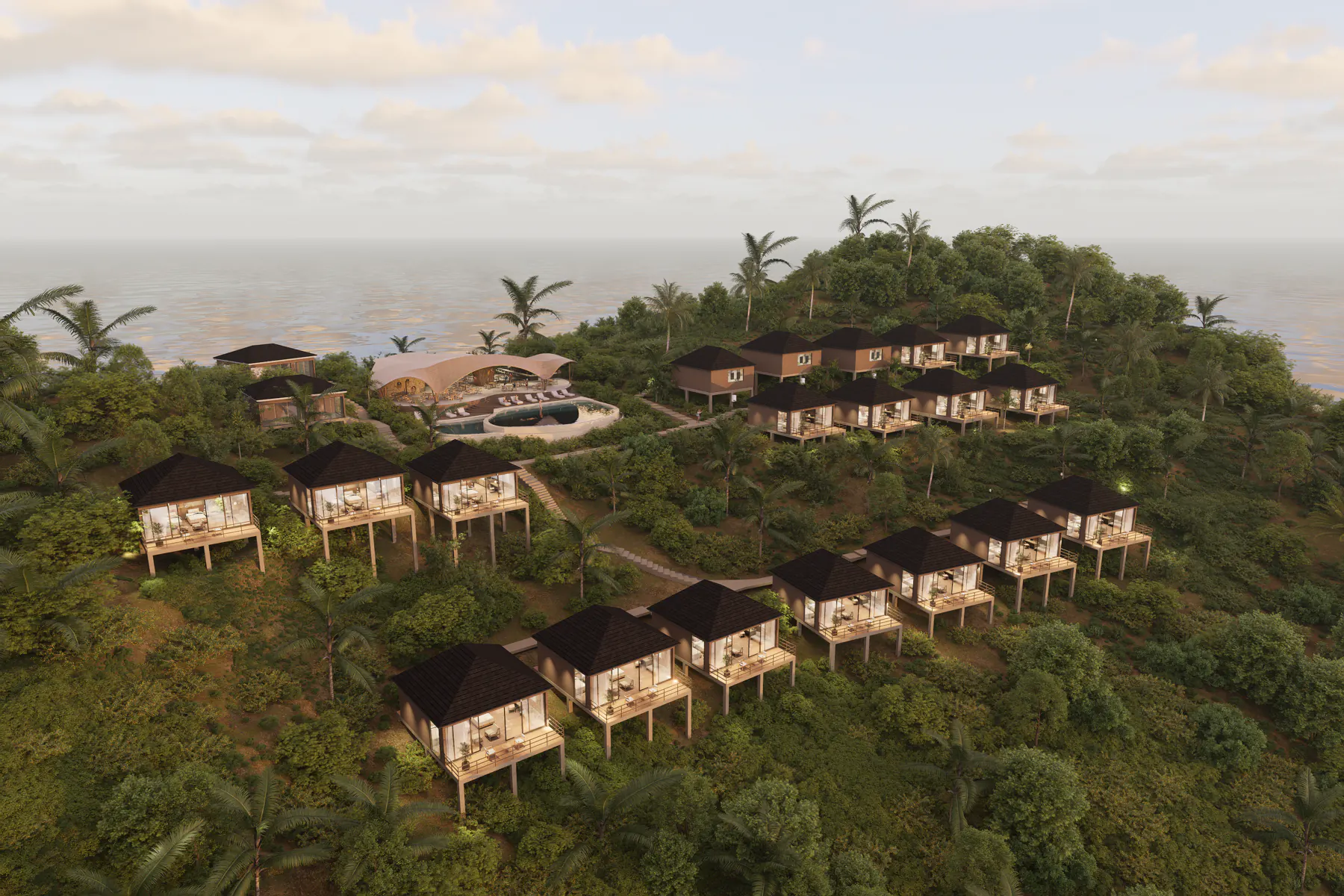
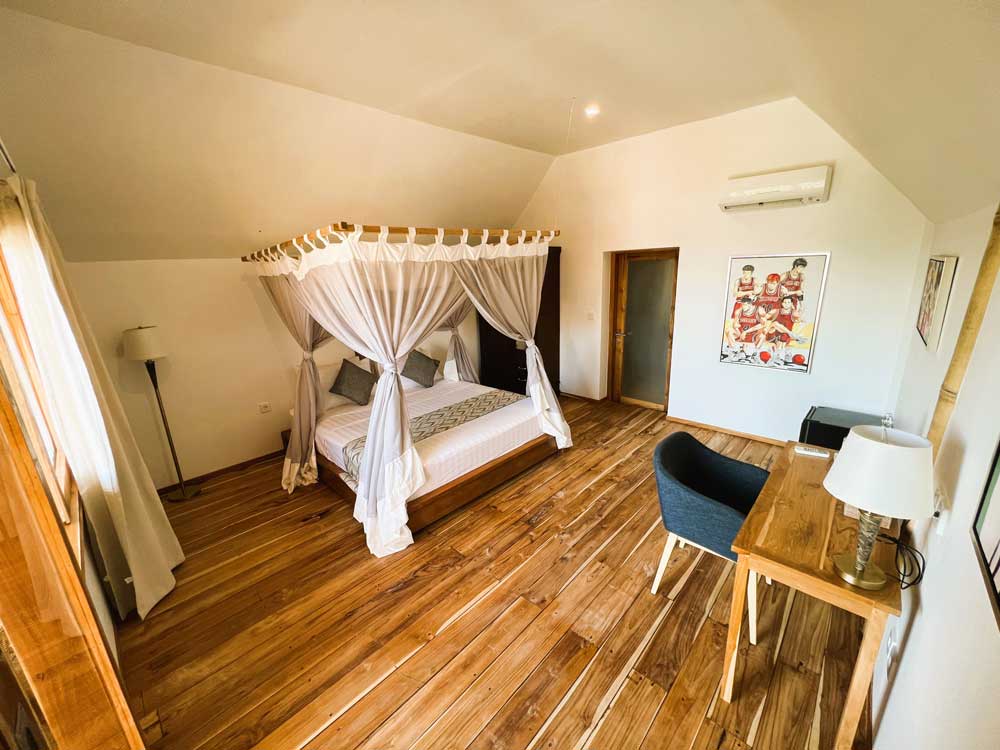
Accommodation runs from Ocean View and Private Bamboo Bungalows through Grand Beach and Grand View rooms to the Presidential Suite, with Deluxe Family Bungalows for families. Our Komodo Resort bungalows page has the layouts, and the facilities page covers the restaurant, spa and pool. A second property, Hilltop Komodo Resort, opens on the same island in April 2027.
Diving from the Resort
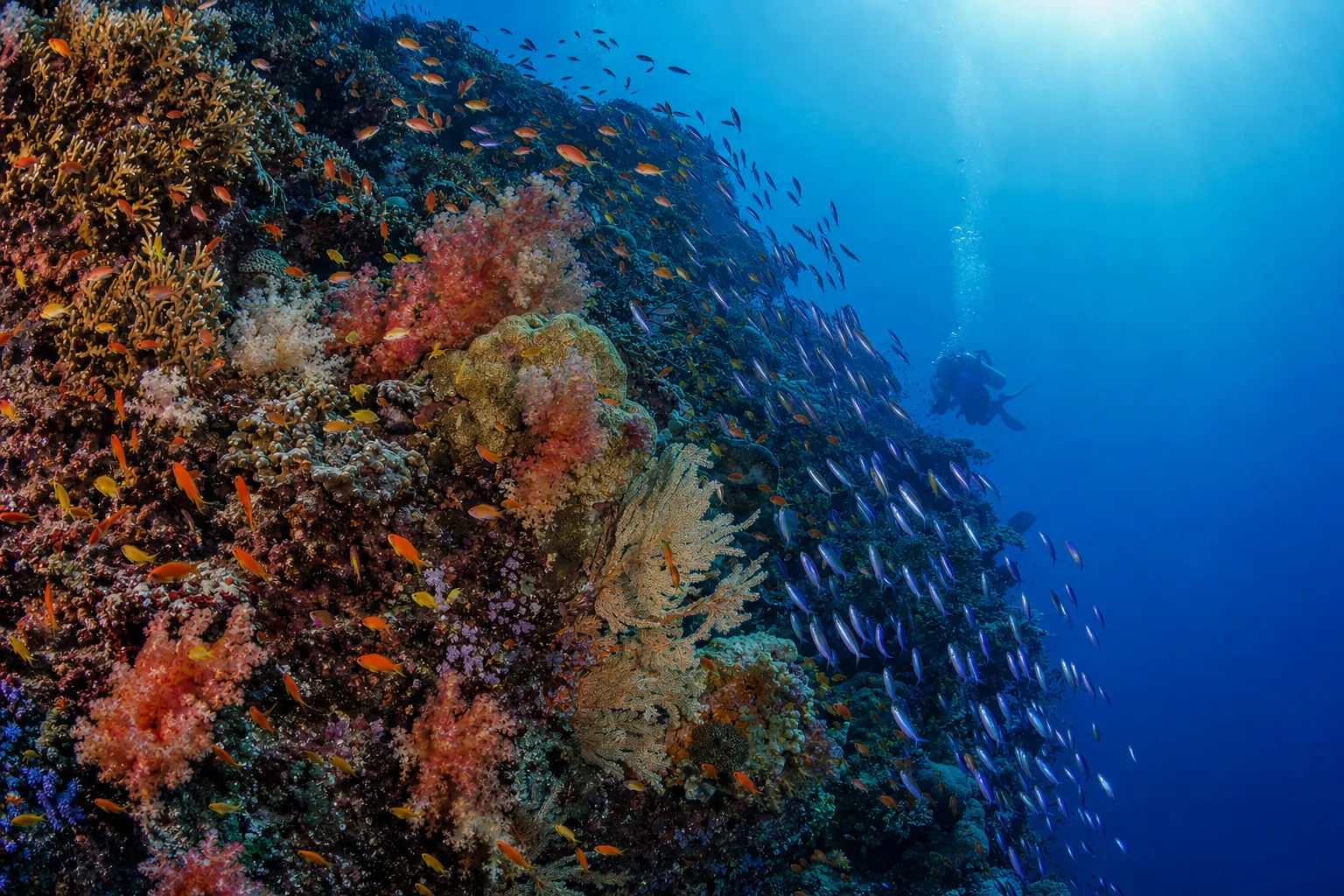
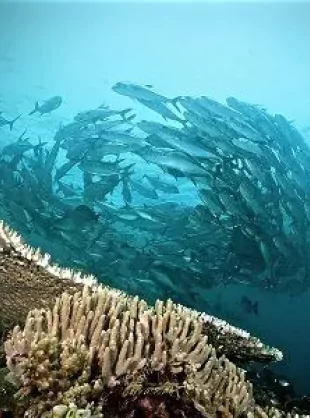
Sebayur sits close to the central corridor of the park, which is where most of Komodo's best-known diving is. Makassar Reef, better known as Manta Point, is the shallow plateau where reef mantas come to feed and be cleaned. Batu Bolong is the coral-covered pinnacle that most divers rate their best dive in Indonesia. Castle Rock and Crystal Rock to the north are current-swept seamounts where sharks, tuna and jackfish stack up in the flow.
Others worth planning for:
- Mawan and Siaba Besar, gentle sloping reefs with turtles, ideal for newer divers and snorkellers
- Tatawa Besar, a drifting coral garden, and Tatawa Kecil, which is considerably more demanding
- The Cauldron, also called Shotgun, where the current funnels through a narrow channel
- Manta Alley and Cannibal Rock in the cooler south, normally reached on a liveaboard rather than a day trip
Komodo is a current destination, and the strong sites ask for good buoyancy and comfort with drift. Our guide to diving Komodo's currents explains what that involves, and the Komodo dive sites page compares each one.
A Commitment to Sustainability
Operating inside a national park comes with obligations, and the ones that matter are unglamorous: reef-safe practices on every dive, reducing single-use plastic on an island where waste has to be shipped out, briefing guests properly on not touching or chasing marine life, and working with local communities rather than around them. Manta etiquette is a good example of where guest behaviour, not policy, decides the outcome: stay low, do not chase, let the animal come to you.
Seasons: When to Dive Where
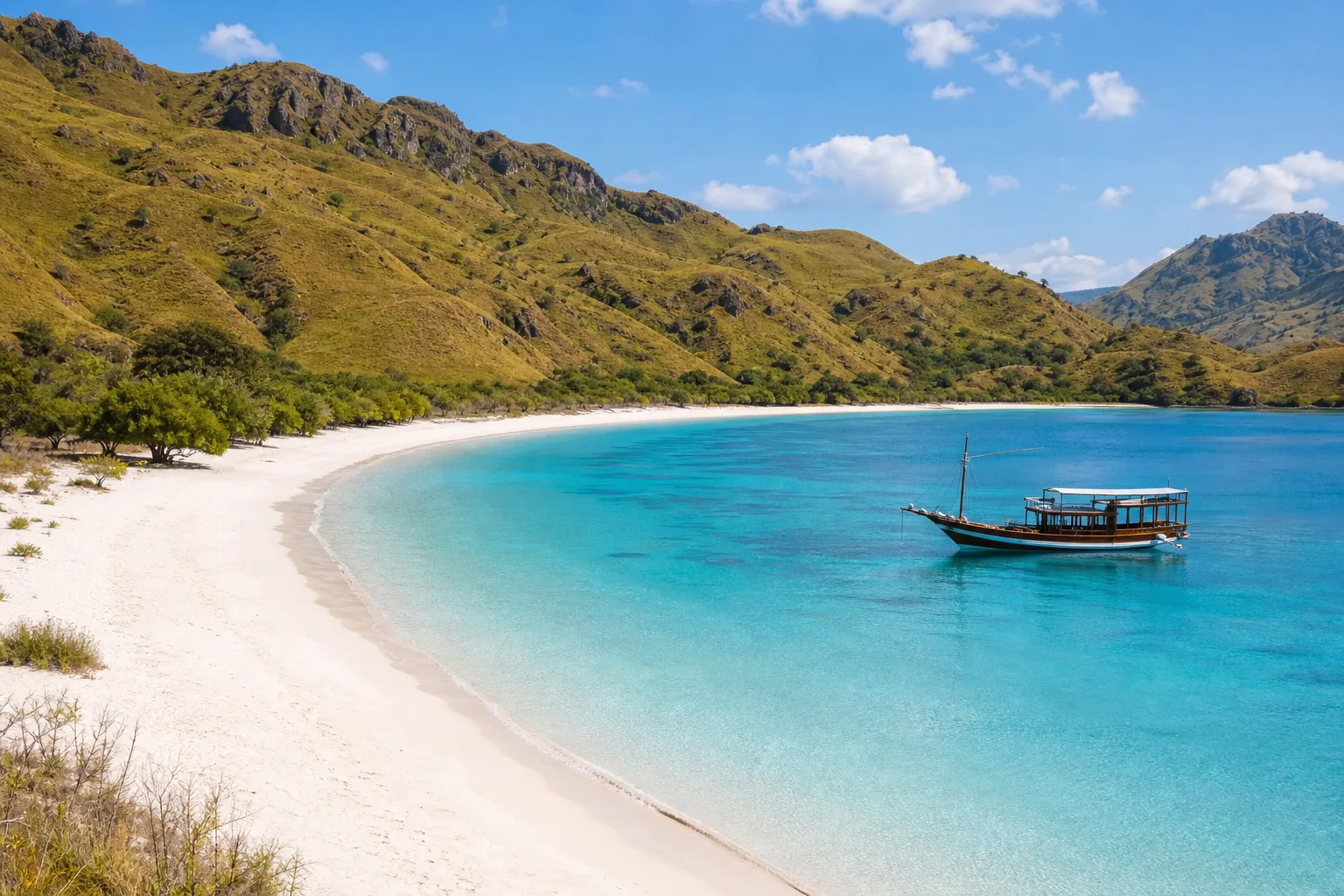
Indonesian dive seasons are close to opposite between the main regions, which is convenient once you know it, because there is always somewhere in good condition.
Komodo is at its best from around April to November, with settled seas and the clearest water in July and August, which are also the most crowded and expensive weeks. The December to February wet season brings the biggest manta numbers along with rain, wind and a real chance of losing a day. Raja Ampat runs the other way, best from roughly October to April. Bali dives year-round, with visibility varying by rainfall, and the mola mola season around Nusa Penida falling in the middle of the year. Lembeh is also close to year-round, since muck diving cares far less about visibility than reef diving does.
Our guides to the best time to visit Komodo Island and to Komodo in November break the Komodo months down individually.
What to Budget Beyond the Room Rate
The line item that catches people out at any resort inside a national park is the park fee, because it is charged per person per day and is separate from both accommodation and diving.
In Komodo, international visitors pay a marine park entry fee of IDR 250,000 per person per day, a conservation fee of IDR 100,000, and a harbour fee of IDR 25,000 per person when arriving by boat. Divers add a surcharge of IDR 25,000 per diver per day, which brings a diving day to roughly IDR 300,000, about USD 18. Ranger fees for dragon treks are charged per group rather than per person: IDR 200,000 for up to five people on Komodo or Rinca, IDR 150,000 on Padar. Drone use is IDR 2,000,000 per unit per day. Our guide to Komodo National Park entrance fees sets out the full schedule.
Beyond fees, budget for equipment rental if you are not bringing your own, nitrox, alcohol, and staff gratuities. Draw cash before you travel to an island resort, because ATMs are a mainland facility: our guide to money in Labuan Bajo covers it.
How to Choose, and What to Ask
Pick the region by what you want to see and when you can travel, then interrogate the base. The questions that actually change your trip: How long is the boat ride to the sites you came for? Is there a real house reef, and can you dive it unguided? How many divers per guide? Are park fees, equipment and nitrox included or added on arrival? What happens when weather closes a site, and who makes that call? Is there a second compressor?
Two more that people forget. If anyone in your party does not dive, ask what they will actually do all day, because the answer varies enormously between resorts. And if you are travelling in July or August, book far earlier than feels necessary, because the good bases inside the parks have fixed capacity and simply sell out.
Tell us your dates, your certification level and what you most want to see, and we will give you a straight answer about whether our resort, a liveaboard, or a different region altogether is the better fit. You can contact our team directly.
Frequently Asked Questions
Explore More
Ready to Dive in Indonesia?
Stay inside Komodo National Park and start your diving day twenty minutes from the central sites instead of ninety.
View Our Rooms