
Liveaboard diving Komodo takes you to more than 50 dive sites in one of the world's most biodiverse marine environments. Here, manta rays gather at cleaning stations, reef sharks guard volcanic pinnacles, and the famous Komodo dragons govern the islands above. The waters here are full of nutrients because they are where the Indian and Pacific Oceans meet. This makes it possible for a huge range of marine life to thrive that can't be found anywhere else on Earth.
This guide has everything you need to plan your liveaboard diving trip to Komodo, including information on different types of boats and itineraries, seasonal factors, the best dive spots, how to book, and how to stay safe. We are only talking about multi-day liveaboard cruises that let you see the most of this world-class destination. We are not talking about diving from land or day trips.
If you're an intermediate to advanced diver looking for drift dives through strong currents with pelagic species and macro life, Komodo National Park should be on your list. Experienced divers always put it among the top five liveaboard locations in the world.
Komodo liveaboard diving tours last 4 to 10 days and leave from Labuan Bajo. They take you to more than 30 great dive sites, such as Manta Alley, Castle Rock, and Batu Bolong. Prices range from €2,500 to €6,000, depending on the type of boat and how long the trip is.
What you’ll gain from this guide:
- Understanding of vessel types and how to choose between luxury Phinisi sailboats and modern motor yachts
- Optimal timing for each diving region based on seasonal conditions
- Coverage of essential dive sites in northern, central, and southern Komodo
- Booking strategies and certification requirements
- Safety considerations for current-intensive diving
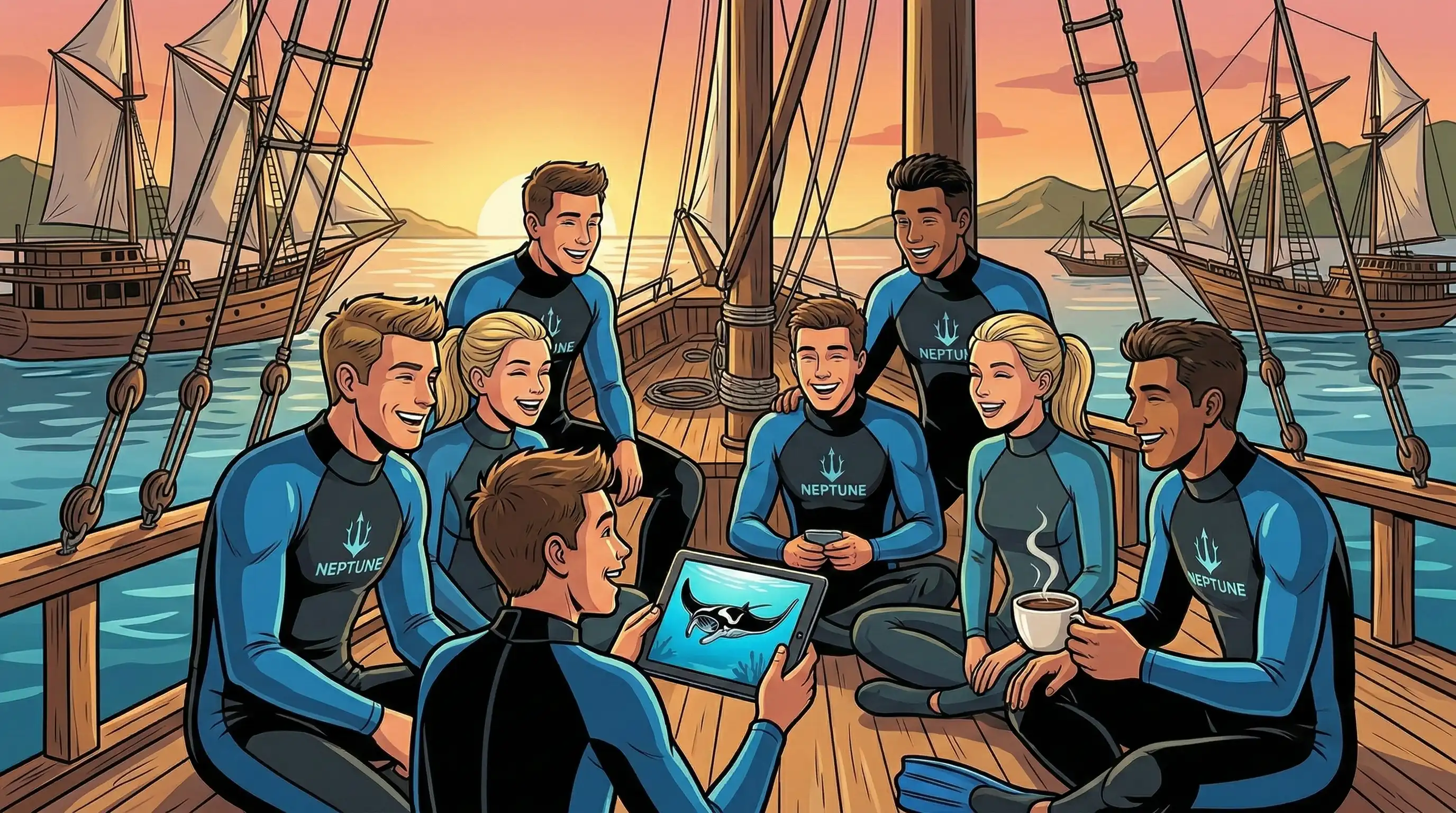
Understanding Komodo National Park Diving
UNESCO named Komodo National Park a World Heritage Site in 1991. It covers 1,730 square kilometers and includes 26 islands, such as Komodo Island, Rinca Island, and Padar. With more than 1,000 fish species and 260 coral types, the underwater world here is one of the most biodiverse marine habitats on Earth.
The unique diving conditions are caused by the meeting of warm Pacific currents and cooler Indian Ocean waters. This collision causes strong tidal flows that make waters rich in nutrients, which boosts productivity all the way up the food chain. The consequence is a lot of pelagic species, healthy coral reefs, and an undersea world that is fun to dive in.
Marine Life and Biodiversity
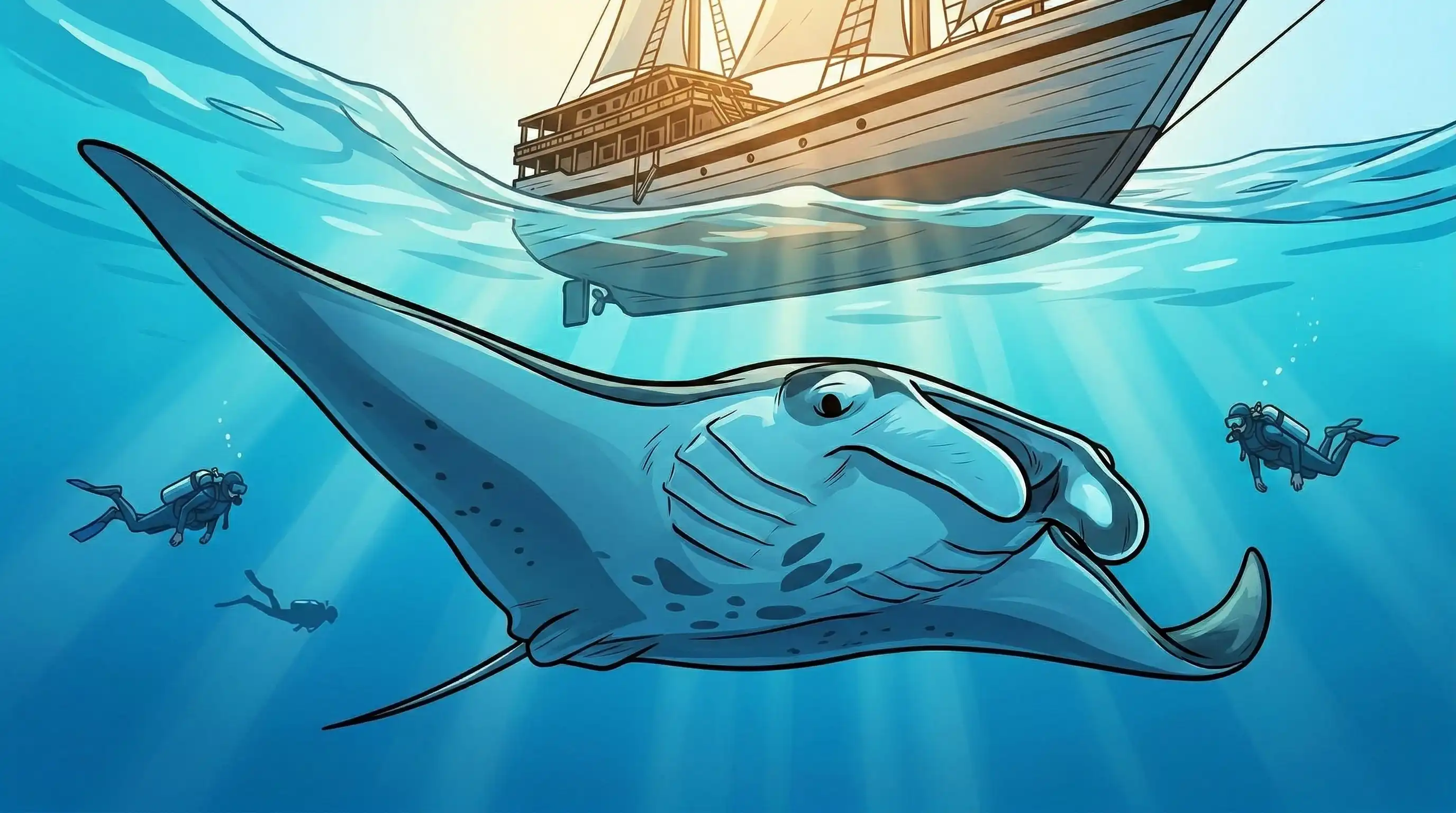
Komodo's main attraction is the manta rays. These gentle giants go to washing stations at Manta Alley and Karang Makassar, where little fish get rid of parasites on their bodies. Divers often see both reef mantas and oceanic mantas, some of which have wingspans of more than four meters.
There are many different kinds of marine life besides mantas. There are grey reef sharks and reef sharks that swim around Castle Rock and Crystal Rock. Whale sharks come and go with the seasons, especially when plankton grows. Eagle rays swim along the sandy channels, while sea turtles eat sponges at almost every site.
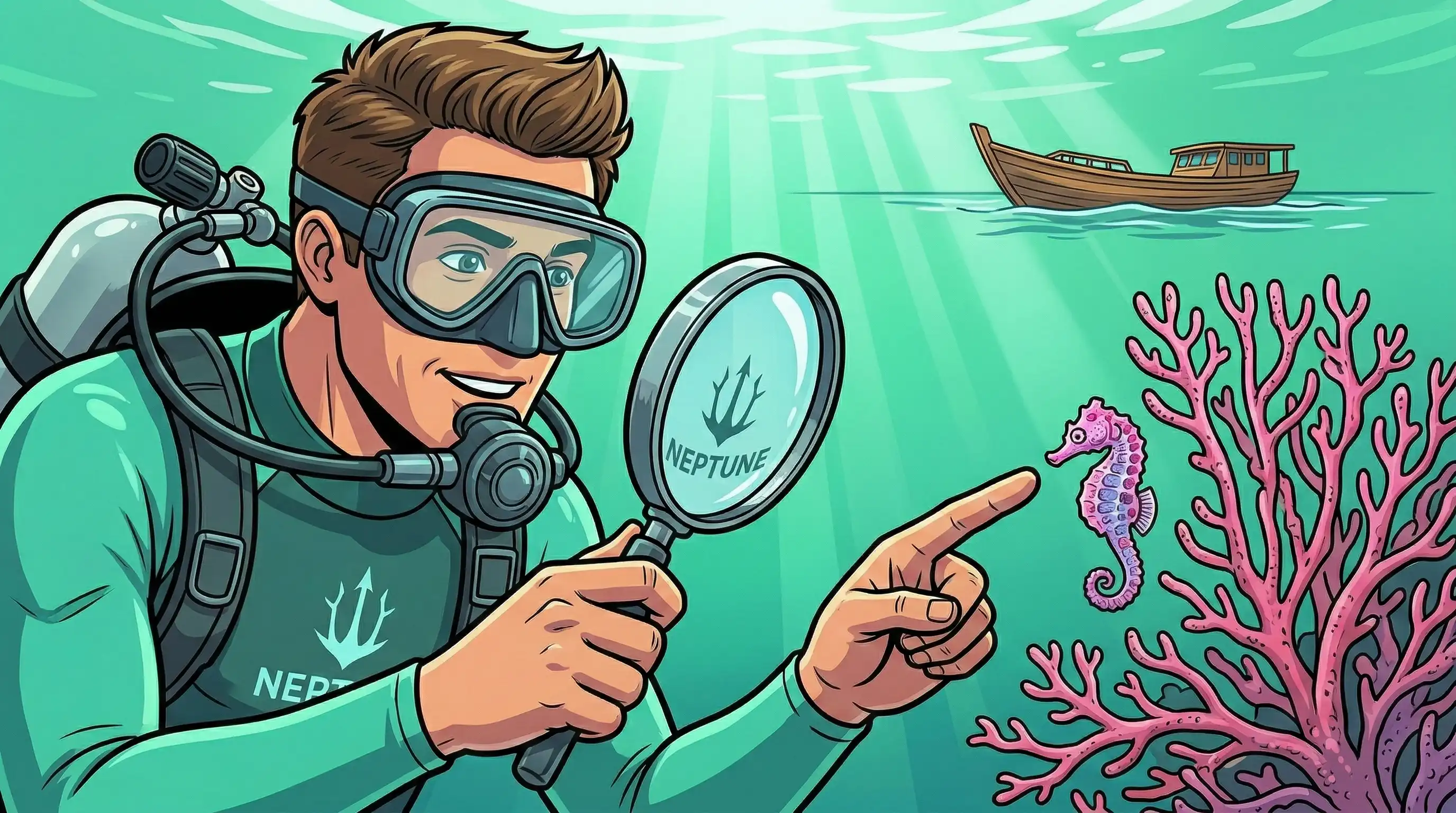
For many photographers, macro life is as interesting as the huge stuff. At places like Cannibal Rock, pygmy seahorses hang on to gorgonian fans. At muck diving spots around Horseshoe Bay, flamboyant cuttlefish show off their amazing colors. Sea fruits, nudibranchs, and frogfish give people who are patient close-up riches.
Dive Site Characteristics
Liveaboard diving Komodo is known for its strong currents. Places like Shotgun and Castle Rock require advanced drift diving skills because the currents often move faster than three knots. Divers use reef hooks to hold themselves in place at observation locations so they can observe schools of jacks and sharks swim along the current lines.
The park's terrain is very different in different places. Batu Bolong is a dramatic peak covered in bright soft corals. Tatawa Besar has slope coral gardens that are good for people of all skill levels. Pink Beach Komodo has bright corals and pink-tinged sand that comes from tiny foraminifera.
Depending on where you are and what time of year it is, the water temperature can be anywhere from 22 to 29 degrees Celsius. The southern section has cooler thermoclines that make the water more nutrient-rich, which draws in larger animals. The northern region, on the other hand, has warmer, clearer water that is often more than 25 meters deep.
Knowing these things will help you choose the right itineraries and get ready for the physical demands of diving in Komodo.
Komodo Liveaboard Options and Itineraries
There are two main types of Komodo liveaboards: traditional Phinisi sailing ships made of Indonesian teak and modern motor yachts designed to be stable and efficient. Both types of boats can get to the same dive destinations, but the experiences they offer above water are very different.
Phinisi boats can hold 8 to 16 guests and have a cozy, authentic ethnic feel. Motor yachts can hold 12 to 24 divers and are quite stable when crossing. They also have modern amenities. Most liveaboards do three to four dives a day, and some even do night dives at safe anchorages.
Northern Komodo Routes
Northern itineraries that last 4 to 7 days focus on Central Komodo and the waters around Gili Lawa Darat. These routes take you to famous places like Manta Alley, Batu Bolong, and Tatawa Kecil, giving you the quintessential Komodo diving experience.
Conditions in the north are good for ambitious divers who are still learning how to dive. The seas tend to be calmer at the surface, and the water temperature stays between 27 and 29 degrees Celsius. During the dry season, visibility often gets to 20 to 30 meters.
The famous Padar Island sunrise walk and encounters with Komodo dragons on Rinca Island are two common land excursions. These activities go well with diving and make the trip to this remote part of Indonesia worth it.
Southern Komodo Expeditions
Longer trips of 7 to 10 days go to the southern region, where nutrient-rich waters draw in a lot of marine species. Cannibal Rock and the Yellow Wall of Texas are two of the best places in Indonesia to dive for macro photography and to see strange animals.
The south has stronger currents, which attract bigger pelagic species. The way the feeding station works makes it possible to see manta rays, sharks, and sometimes whale sharks. But the water is cooler (22–26°C), thus you need at least 5mm wetsuits.
Because of the high density of plankton, visibility in the south diminishes to 10–20 meters. This is the same productivity that supports the amazing biodiversity. Experienced divers are happy to make this trade-off since they find the density of the creatures more satisfying than the clarity of the crystals.
Komodo-Raja Ampat Combinations
Longer 12- to 14-day trips combine Komodo and Raja Ampat, which are Indonesia's two best liveaboard diving destinations, during the times of year when they are best for diving. These plans need a lot of thought because of the monsoon patterns and cost a lot of money, but they offer divers with time and money an unsurpassed variety.
There are usually pauses at Moyo Island and Bima Bay along the way, which makes the trip more interesting. Some operators go through the Banda Sea, where you can see pelagic animals in the deep blue water as you're on your way.
Planning Your Komodo Liveaboard Diving Adventure
Whether you see Komodo at its best or have a hard time with bad weather depends on the boat you use and when you go. The following advice will help you make decisions about booking and get ready for the physical challenges of diving with a lot of current.
Booking Process and Timeline
Book your trip 6 to 12 months in advance if you want to leave between April and October, which is the busiest time of year. During school breaks in Europe and Australia, popular boats sell out rapidly. Shoulder seasons (March to April and October to November) are wonderful times to go because there are more options.
Most of the time, you have to pay a deposit of 25% to 50% of the total cost of the trip, and the rest is payable 60 to 90 days before you go. Know the rules for canceling your trip well. Changes to your plan because of the weather happen a lot, but full cancellations are still unusual.
Different operators have different certification requirements, however most of the time, you need to have Advanced Open Water certification and have done at least 50 dives. Some ships will take confident Open Water divers on northern itineraries, but southern trips and places like Castle Rock really need people who know how to drift dive.
You must have travel insurance that covers dive accidents and emergency evacuations. Most standard travel insurance policies don't cover hyperbaric treatment or helicopter rescue from faraway places. To get this coverage, you need to buy special diving insurance from DAN or a similar company.
Vessel Comparison and Selection
| Criterion | Luxury Phinisi | Modern Motor Yacht |
|---|---|---|
| Capacity | 8-16 guests | 12-24 guests |
| Price Range | €4,000-6,000 | €2,500-4,500 |
| Stability | Traditional sailing | Superior in rough seas |
| Amenities | Cultural authenticity | Modern comfort features |
| Dive Deck | Compact, intimate | Spacious, efficient |
| Camera Facilities | Basic rinse tanks | Dedicated camera rooms |
For smaller parties looking for real Indonesian experiences and vacations centered on photography where personal attention is important, use Phinisi ships. Choose motor yachts for bigger groups, divers who get seasick easily, or people who care more about modern comforts than the old-fashioned atmosphere.
Divers on a budget can obtain great deals on mid-range motor boats during the shoulder season, frequently getting 20–30% off while still enjoying good conditions.
Common Challenges and Solutions
You need to do more than just get ready for a normal tropical vacation to go diving in Komodo. Knowing about these problems before you travel will help you avoid bad shocks and make the most of your diving trip.
Strong Current Management
Before you leave, make sure you know how to use reef hooks and negative entries. Practice drift diving skills in safe places, like with your dive operator on a checkout dive. Komodo currents can change quickly, and first-time dives at new spots may find conditions that are different from what they were told.
Stay in touch with your dive guide and set up unambiguous hand signals for communication about the current. If you get separated from the group, carry a DSMB and deploy it from deep.
Seasickness Prevention
Pick bigger, more stable boats to cross between Komodo and Flores, especially during the changeover seasons when the swell gets worse. If waves start to form, move to the middle of the lower decks.
Bring along ginger pills and motion sickness medicine, even if you don't usually get sick. The motion of the boat, the smell of diesel fuel, plus the fact that they dive numerous times a day all make divers who typically don't get seasick feel sick.
Equipment Considerations
For diving in thermoclines and the southern route, you need at least a 5mm wetsuit. The temperature difference between the surface and the bottom can be more than 7°C, and diving many times makes you lose more heat.
Bring reef hooks, an SMB, and a whistle for safety in high currents. Most boats have these things, but knowing how to use your own gear will make you feel more confident. Dive lights make night dives more fun and show off the bright hues of soft corals at depth.
Next Steps
If you're ready to deal with the tough conditions, Komodo National Park has some of the best liveaboard diving in the world. Underwater settings that are unlike any other are formed when currents meet. These are places where manta rays, reef sharks, and amazing macro life live among colorful corals. Choosing the right boat and the right time to go can turn a decent trip into an amazing diving experience.
Your immediate next steps:
- Research certified liveaboard operators with established safety records and marine conservation partnerships
- Verify your dive insurance covers emergency evacuation and hyperbaric treatment
- Book 6+ months ahead for peak season April-October departures
- Log additional drift dives before departure if your experience falls below 50 dives
- Arrange flights to Labuan Bajo with buffer days for weather delays
Raja Ampat liveaboards offer more biodiversity for divers who want to visit more of Indonesia, while Bali-based itineraries take you to various marine environments. Responsible dive tourism helps conserve manta rays and their habitats in the area. Your visit helps keep these amazing underwater settings safe.
Additional Resources
Essential planning references:
- Komodo National Park official dive site maps showing current patterns and seasonal access
- Recommended liveaboard operators with PADI or SSI partnerships and documented safety certifications
- Seasonal weather patterns indicating optimal booking windows—dry season (April-October) for northern routes, year round access for southern sites with appropriate preparation
Preparation materials:
- Drift diving specialty courses available through local dive centers before departure
- Reef hook techniques and DSMB deployment practice sessions
- Photography guidelines for respectful manta ray encounters following established codes of conduct
If you go to Komodo liveaboard diving with the right gear, you'll see why experienced divers come back year after year to explore its amazing underwater world.