
Kelor Island is one of Indonesia's most accessible but untouched natural getaways. It rises from the blue waters of Komodo National Park. This small island is located between Labuan Bajo and Rinca Island in East Nusa Tenggara province. It has stunning panoramic views, colorful coral reefs, and clean beaches, all in a small, easy-to-reach package for a day excursion.
This blog article has everything travelers need to plan a great vacation to Kelor Island, including trekking to the top of the island, snorkeling in clean waters, the best times to visit, and helpful tips for dealing with typical problems. People who like to travel for adventure, nature, or just to see Komodo National Park may find useful tips for making the most of their trip. Knowing what Kelor Island has and doesn't have will help you create realistic expectations for this one-of-a-kind place.
Kelor Island (Pulau Kelor) is a small, uninhabited island that has great snorkeling with juvenile sharks in shallow seas near the pier. It also has steep 15-20 minute hikes that lead to 360-degree views of Flores, Rinca, and the other islands around.

Understanding Kelor Island
Pulau Kelor is a unique island in the Komodo National Park's group of 29 volcanic islands. This place, which millions of people visit every year, doesn't have the famous Komodo dragons that live on nearby islands, but it makes up for it with easy access to adventure and real natural beauty that is just as good as more crowded options.
Geographic Location and Setting
Kelor Island is to the west of Flores and is a 30- to 45-minute boat ride from the pier in Labuan Bajo. The island is close to Pulau Kukusan and Pulau Muntia, and you can see Rinca Island across the channel. Kelor is a good first or last stop on a multi-island trip because it is close to Labuan Bajo, which is the entrance to Komodo National Park.
During the dry season, the trip over calm waters slowly reveals the islands around you. Before you get there, you may see Kelor's unique hill profile. Speedboats make the trip quickly and easily, so visitors may see everything without getting too tired from traveling.
Natural Characteristics
Kelor island is a small island with no permanent residents or infrastructure, which keeps it peaceful and pristine, which is what draws visitors. There are two white sandy beaches that curve around the shore. The sand is so fine that you can see coral formations from the surface of the ocean.
The inside rises sharply toward a central hill covered in thick green plants. This makes a remarkable vertical contrast with the flat beaches below. The hiking pathways are mostly rocky, and the waters around them are home to robust coral reefs that support a wide range of marine species.
Role in Komodo National Park
Kelor Island is a great place to visit if you want to see dragons in Rinca and Komodo. It adds to the experience. Tour companies often use it as a starting point, where guests can stretch their legs, snorkel, and take pictures before moving on to more planned activities.
Conservation rules apply here and across the park to conserve the delicate ecosystems that made this area a UNESCO World Heritage Site. The lack of growth shows that preservation is a priority, not an error.
Planning Your Visit to Kelor Island
To go from understanding Kelor's character to organizing a visit, you need to think about the weather, how to get around, and what the island will really be like.
Best Times to Visit Kelor Island
April to October is the dry season, which is the best time to explore Kelor Island. When the waters are calm, it's easy to travel by boat, and when the sun shines all the time, it's easier to see when trekking and swimming. The weather is good for long outdoor activities, and the water stays warm.
From November to March, when it rains, everything are different. The lush green plants are at their most vibrant, which makes for great photo possibilities. But the rough waters can make crossings uncomfortable or even impossible. Hiking routes get slick, which makes already hard-to-navigate terrain much more dangerous.
May through September has good weather and fewer people than peak holiday times.
Transportation and Access
You have to take a boat from Labuan Bajo to get to Kelor Island. There are options:
- Day trips: Combined island tours visiting Kelor alongside Padar Island, Pink Beach, and Manta Point
- Multi-day packages: Liveaboard trips on traditional Phinisi boat vessels or modern cruisers
- Private charters: Customizable itineraries allowing flexible scheduling
The trip time depends on the type of boat and the weather. Speedboats usually take 30 minutes, while slower traditional boats take longer. Operators plan departures from Labuan Bajo's dock, which is close to where people can stay.
What to Expect on Arrival
Visitors are met by the island's famous view: white sand meeting sparkling sea against a backdrop of green hills. Boats anchor at a simple pier. There are no permanent facilities like restrooms, shade structures, or food service. Local merchants do sometimes sell drinks.
During busy times, tour groups typically arrive at the same time, which makes beaches and trails temporarily crowded. Because the island is so small, everyone prefers to do the same things close to each other before moving on to their next stop.
Activities and Experiences on Kelor Island
Now that the basic planning is done, guests may make the most of their limited time on the island by knowing what activities are available.
Summit Hiking Experience
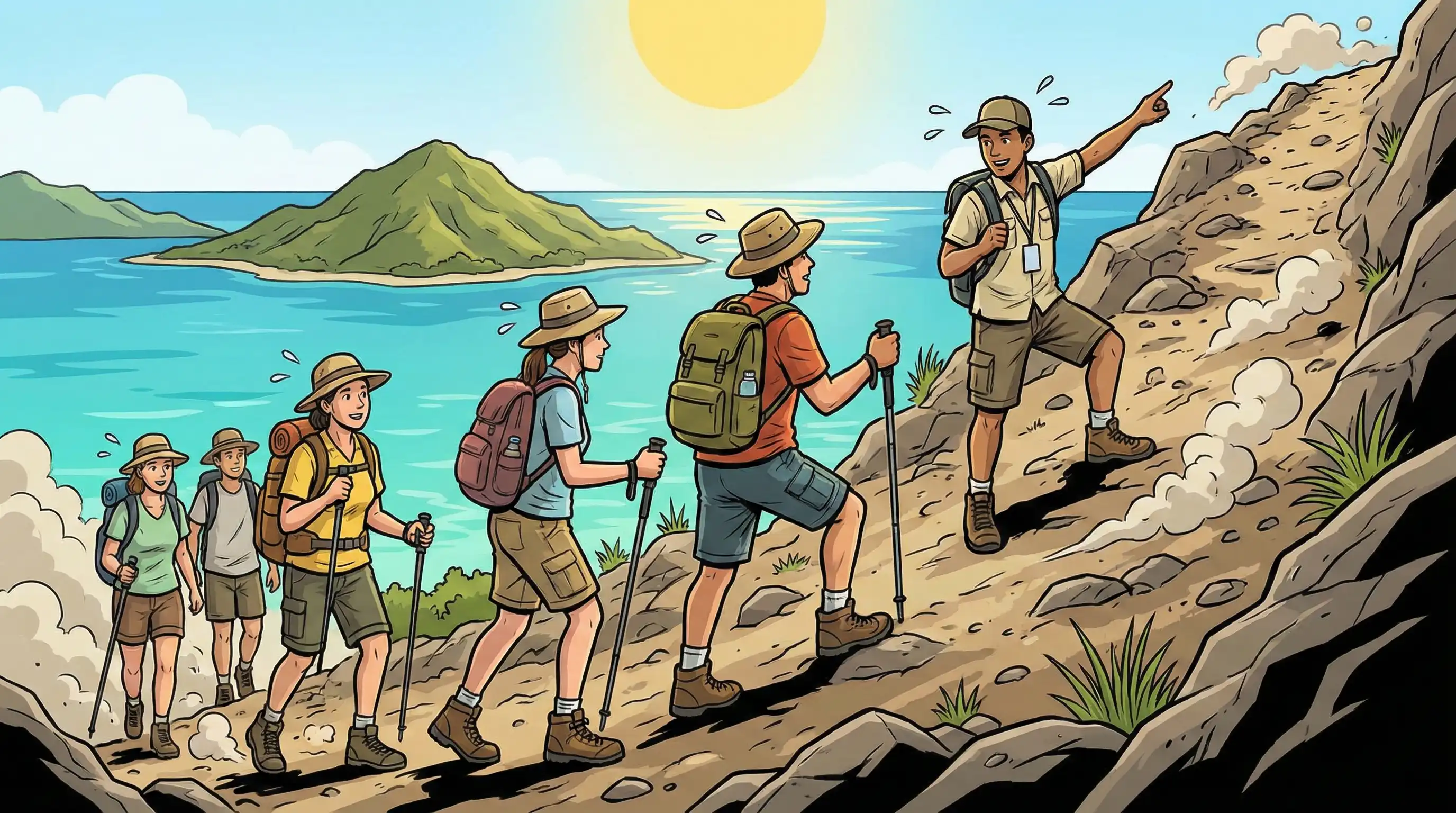
The walk to the top of the island is Kelor's defining challenge and reward. This little hike is very hard for the 15 to 20 minutes it lasts.
Preparation and execution:
- Wear proper non-slip footwear—mountain sandals or hiking shoes with grip
- Assess trail conditions before starting; wet surfaces increase difficulty significantly
- Maintain three points of contact on steeper sections during ascent
- Exercise heightened caution during descent when loose rocks present greater hazards
- Bring water and protect against sun exposure on the exposed trail
The vistas from the top make the hard work worth it. When the weather is nice, you can see more than 20 kilometers, which includes Flores, Rinca Island, Komodo, and smaller islands nearby. The 360-degree view shows the turquoise shallows, deep blue channels, and volcanic landscape that make up this archipelago.
Timing for photography: The light in the early morning avoids harsh shadows and makes the climb less stressful in the heat. Late afternoon has pleasant golden tones, although it might not work with tour schedules.
Marine Activities Comparison
| Activity | Skill Level | Equipment Needed | Marine Life Encounters | Best Location |
|---|---|---|---|---|
| Snorkeling | Beginner to intermediate | Snorkeling gear (mask, snorkel, fins) | Tropical fish, coral, occasional turtles | Reef areas off main beaches |
| Swimming | Basic competency | None | Baby sharks in shallow waters | Near pier and protected coves |
| Beach Relaxation | None required | Towel, sunscreen | Shore birds, small crabs | White sandy beaches |
Kelor's marine environment is best for snorkelers, while the beaches are great for people who just want to rest or enjoy calm waters. If you bring your own snorkeling gear, you can be confident that it is good quality instead of relying on what the tour company gives you.
Wildlife and Marine Life Encounters
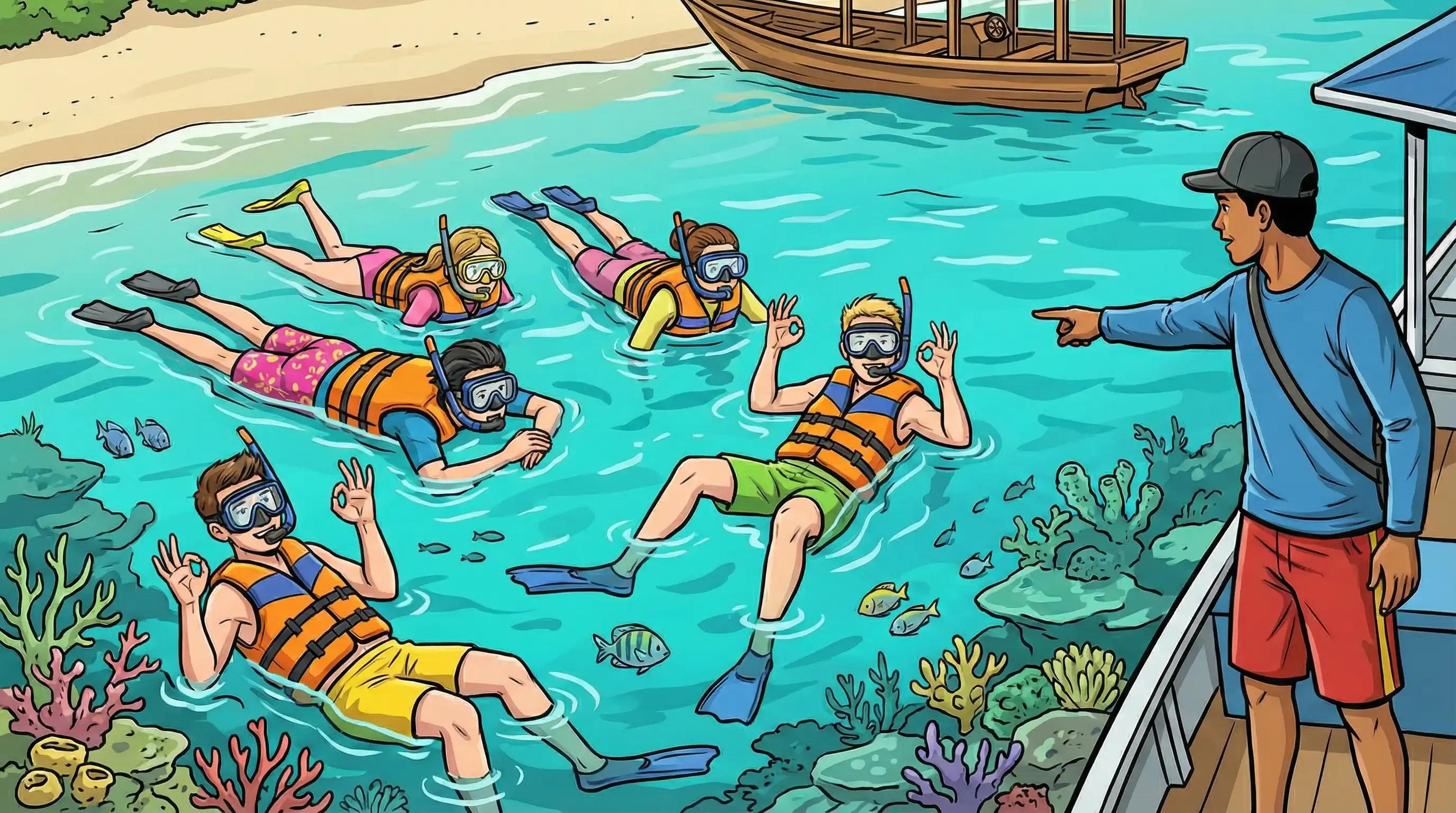
Baby sharks, which are harmless reef sharks, often swim in the shallow waters near the pier. They don't mind people being there in the calm, safe area. While wading or swimming, people regularly see these young sharks, which makes for a memorable experience that only happens here.
Parrotfish, angelfish, and schools of lesser tropical fish live in the colorful coral reefs. Snorkelers who are looking along the edges of the reef might see sea turtles, but sightings are not always reliable. Komodo National Park has one of the richest marine ecosystems in the world, with over 260 coral species living there.
Common Challenges and Solutions
Kelor Island's lack of development makes it hard to do anything. Taking care of issues ahead of time stops disappointment and makes the whole experience better.
Steep and Slippery Hiking Terrain
There are no maintained paths or safety features on the way to Kelor's top. Instead of flip-flops, wear shoes that won't slip, and don't try to trek when it's wet. Going down is harder than going up—take your time and use the handholds that are there.
Overcrowding from Multiple Tour Groups
During peak hours, several boats come at once, which makes the beach and trails crowded. If you can, go for the early morning departures, or choose smaller group trips and private charters that leave at different times.
Lack of Island Facilities and Amenities
Kelor island doesn't have any bathrooms, shade structures, or places to eat. Bring sunscreen that is safe for reefs, enough water, your own snorkeling gear, and clothes that will protect you. Plan toilet breaks around the boat timetable or work with the stopover in Labuan Bajo.
Small Fish Bites During Swimming
Small fish sometimes bite swimmers, especially at places where food has been left behind. Don't make sudden movements that draw notice, and if you're worried, think about wearing protective swimwear. Use antiseptic on any little bites to keep them from getting infected.
Conclusion and Next Steps
Kelor Island is a part of Komodo National Park that has a lot of natural beauty. The combination of stunning views from the top, clean beaches, and easy access to Komodo snorkeling makes this a great place for people who are willing to deal with its underdeveloped nature and physical challenges.
Immediate next steps:
- Research tour operators in Labuan Bajo offering Kelor Island itineraries
- Book accommodation with convenient harbor access for early departures
- Prepare essential gear: proper footwear, sun protection, snorkeling equipment, and adequate water
Padar Island, on the other side, has similar dramatic summit walks with famous views of three bays. Pink Beach has coral-colored sand that is different from other beaches and great snorkeling. Rinca Island provides guided encounters with Komodo dragons in their natural habitat. These attractions work together to give you a full experience of Komodo National Park.
Accommodation and Logistics
Labuan Bajo is the starting point for all trips to Kelor Island. There are places to stay along the shoreline, from cheap guesthouses to high-end resorts. Properties that are closer to the harbor make it easier to leave early in the morning for island tours.
Many hotels offer Komodo travel packages that include both boat trips and a place to stay. This convenience is good for people who are here for the first time and don't know any local businesses. Booking your own trip through well-known tour operators frequently gives you more options and better prices.
Transportation links: Komodo Airport (LBJ) has domestic flights from Bali, Jakarta, and other Indonesian cities. It takes about 10 to 15 minutes to get from the ground to Labuan Bajo harbor. During the busy season, reserving flights and trips in advance makes sure that there are no problems with availability.
Choosing the right tour operator has a big effect on how good your vacation will be. Established businesses have boats that are properly cared for, guides who know what they're doing, and the right safety gear. Reading reviews from people who have been there before might help you choose trustworthy tour guides for multi-day trips that show you everything this amazing part of Indonesia has to offer.