Top Diving Destinations in Indonesia
Five regions account for most serious diving in Indonesia, and they are genuinely different products rather than variations on a theme. Komodo is big animals and strong current. Raja Ampat is unmatched biodiversity, remote and expensive. Bali is accessible and easy to combine with a non-diving holiday. Sulawesi is the world's benchmark for macro. The Banda Sea is the far end of the map.
Two things decide which is right for you, and neither is scenery. The first is when you can travel, because Komodo and Raja Ampat have near-opposite seasons. The second is how much experience you actually have, because several of the headline sites in Komodo and Raja Ampat are genuinely unsuitable for a newly certified diver, and no reputable operator will pretend otherwise.
Komodo National Park
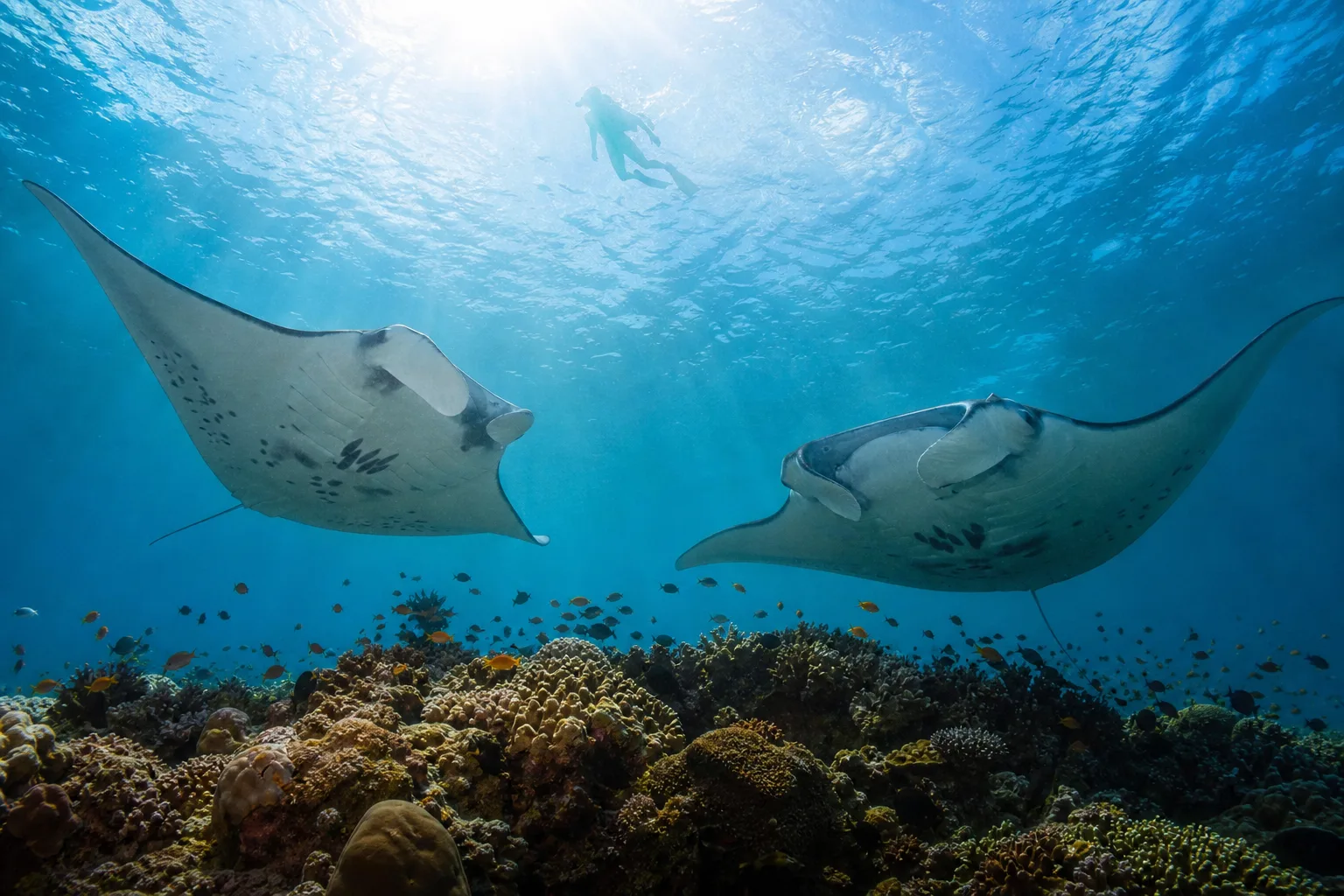
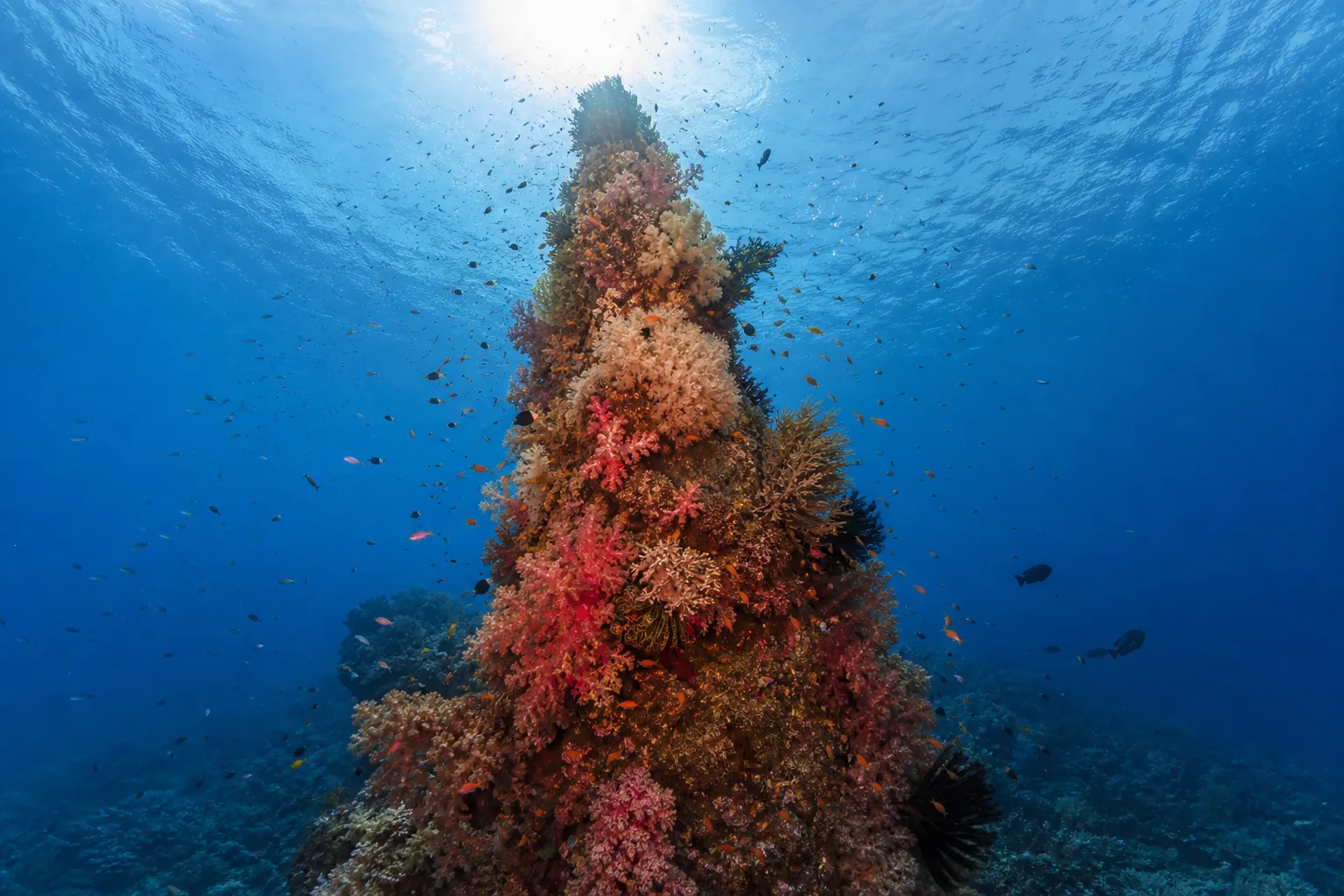
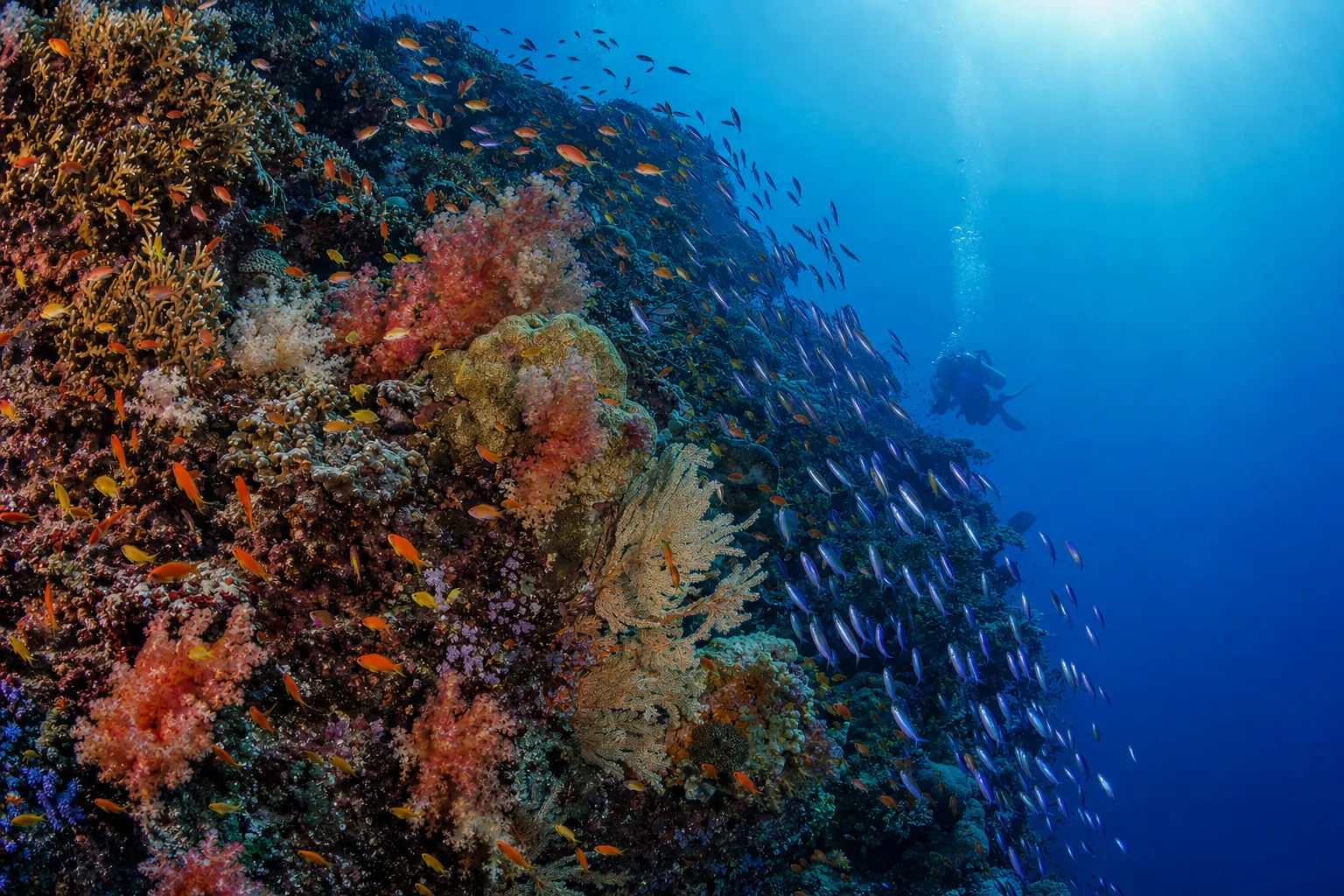
Komodo packs an unusual amount of variety into a compact area: current-swept seamounts, coral density that surprises even experienced divers, a reliable manta cleaning station, cool-water critter diving in the south, and the only wild Komodo dragons on the planet a short walk from the jetty.
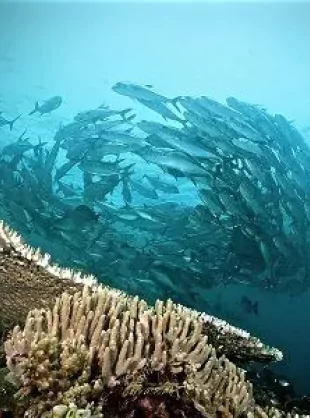
The signature sites are Batu Bolong, a pinnacle rising from deep water with reef so thick it looks staged; Castle Rock and Crystal Rock, submerged seamounts in the north where grey reef sharks, trevally and fusiliers stack up in the flow; and Makassar Reef, the shallow plateau better known as Manta Point. South of Padar, sites such as Cannibal Rock and Yellow Wall offer an entirely different, colder, macro-rich kind of diving.
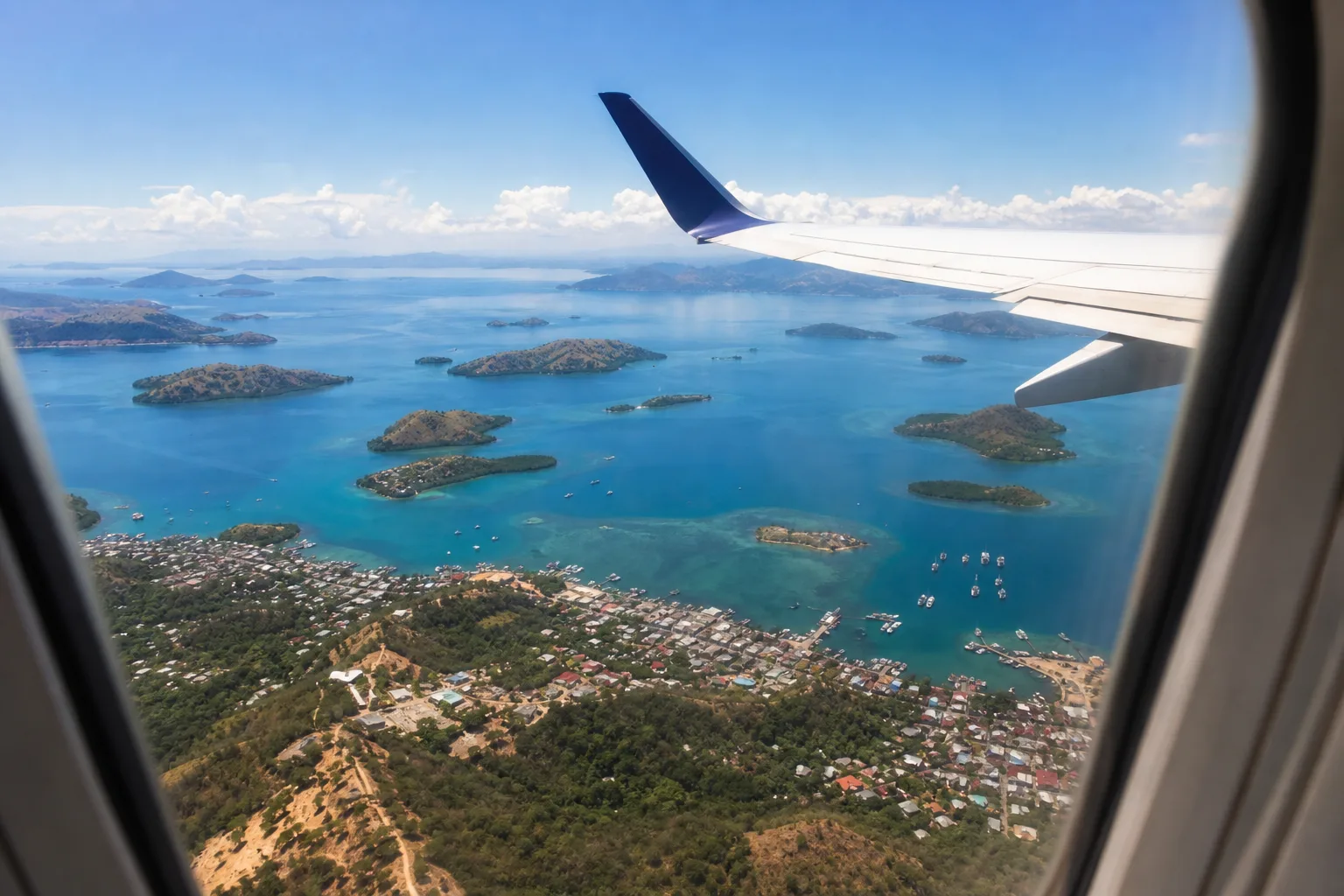
Best from roughly April to November, when seas are settled and visibility is at its best. The December to February wet season brings the largest manta aggregations of the year along with rain, wind, softer visibility and a real chance of losing a day. Getting there means flying to Labuan Bajo on Flores from Bali or Jakarta, which takes about an hour from Bali.
Both land-based and liveaboard diving work well here, which is not true everywhere. Our Komodo dive sites page compares each site by depth and difficulty, and the Komodo island map shows how far apart they really are.
Raja Ampat
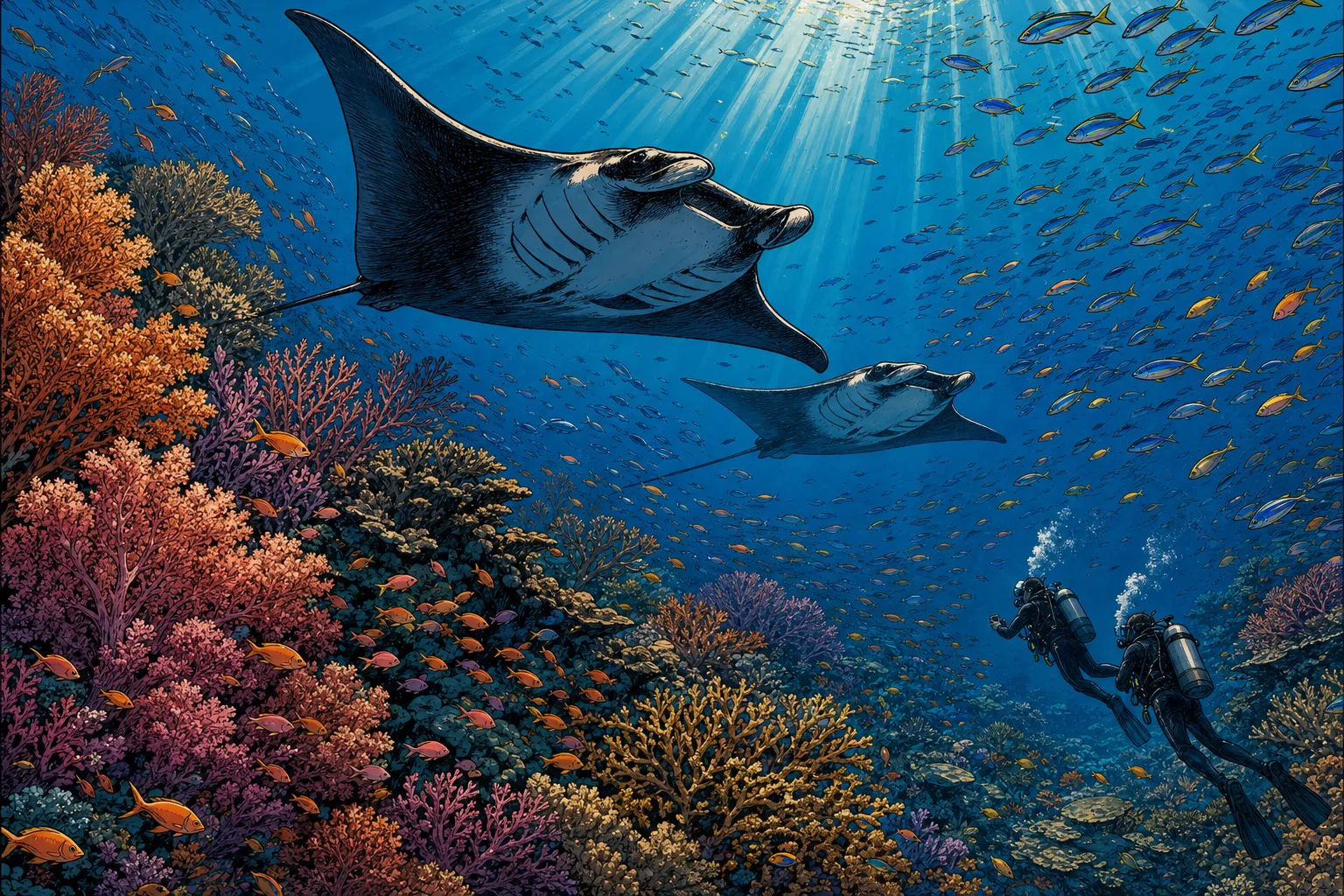
The richest reef biodiversity ever recorded, with over 1,500 species of fish and more than 500 species of coral. Cape Kri holds the record for the most fish species counted on a single dive. Blue Magic and Manta Sandy are the other names everyone knows, and there are dozens more.
Raja Ampat divides into three areas, Central, North and South, and choosing between them matters more here than anywhere else in Indonesia because they are far apart and the diving differs. Central is the most accessible and where most of the resorts are. South, around Misool, is generally considered the best and is almost exclusively liveaboard territory.
Best from roughly October to April, the reverse of Komodo. Getting there means flying to Sorong via Jakarta, Bali or Makassar, then continuing by boat, so allow a full travel day at each end. Our Komodo versus Raja Ampat comparison covers how to choose, and our Raja Ampat liveaboard guide covers the boats.
Bali
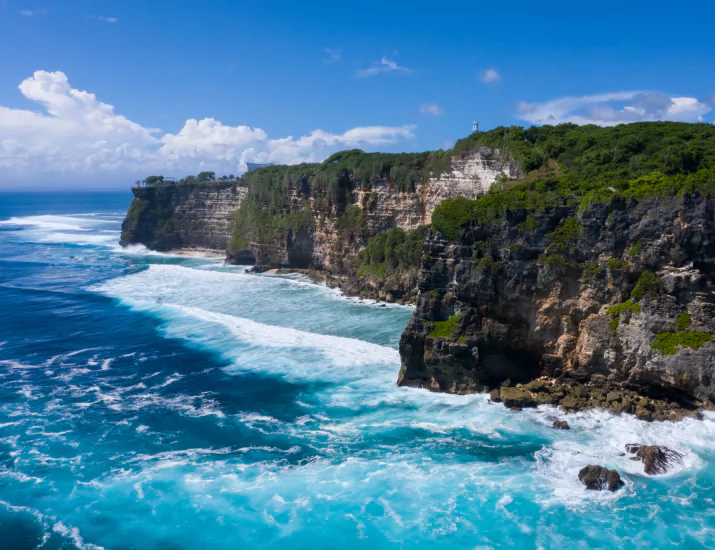
The most accessible diving in Indonesia and the easiest to fit around a holiday that is not primarily about diving. The USAT Liberty wreck at Tulamben is one of the most dived wrecks in the world and sits in shallow water a short swim from the beach. Crystal Bay and Manta Point off Nusa Penida deliver mantas year-round and, in the cooler middle months, the chance of a mola mola.
Bali dives well all year, which is unusual here, though visibility varies with rainfall and the Nusa Penida channels can run cold and strong. Direct international flights make it the natural entry point to the country and the obvious place to certify.
It is also the standard launch point for everywhere else. Our Bali to Komodo guide covers the options, from the one-hour flight to the ten-day expedition voyage.
Sulawesi: Lembeh and Bunaken
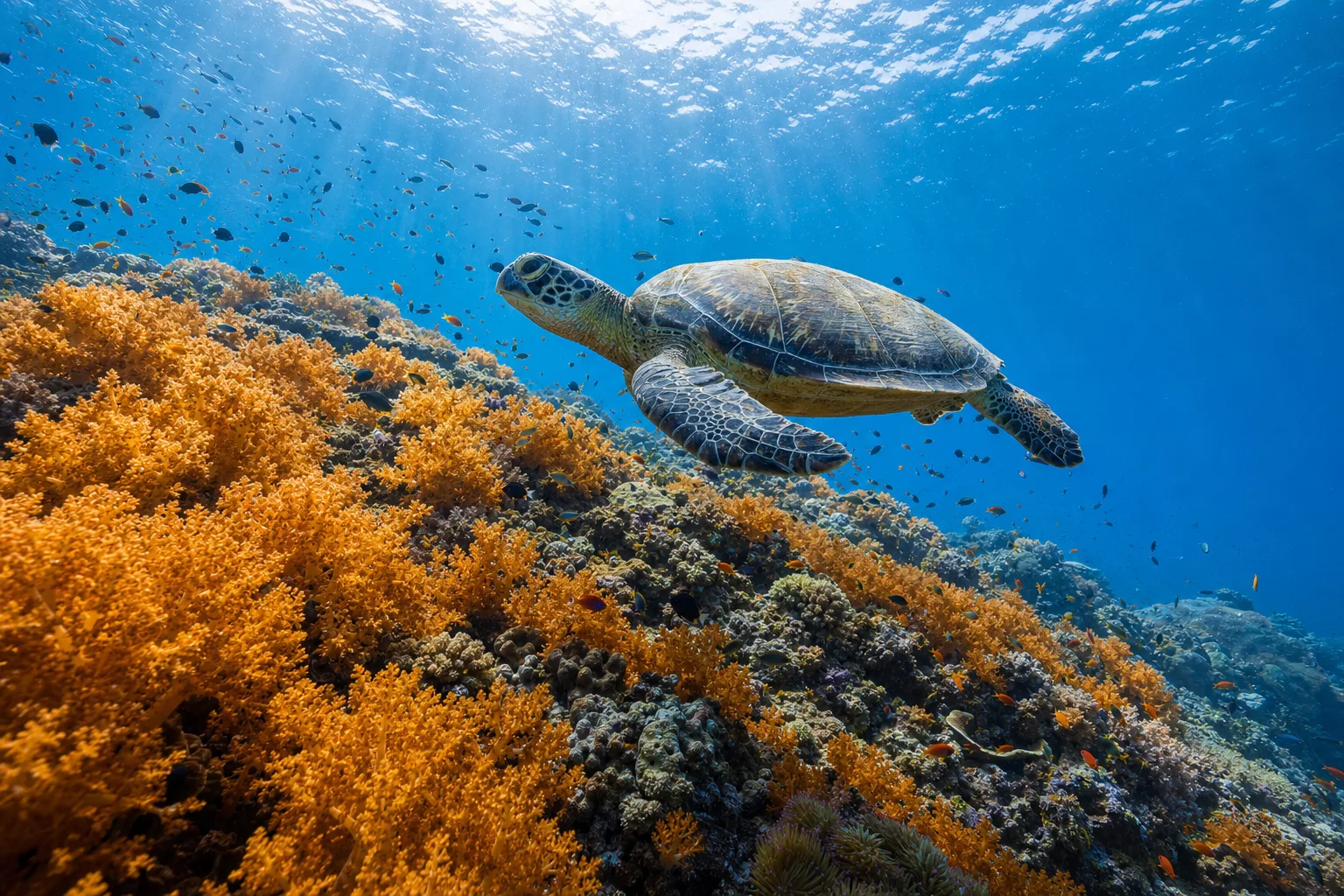
Two contrasting destinations within easy reach of each other in North Sulawesi. The Lembeh Strait is the global benchmark for muck diving: unglamorous black sand slopes concealing hairy frogfish, mimic and coconut octopus, flamboyant cuttlefish, Bobbit worms and a catalogue of oddities that exist almost nowhere else in such density. Bunaken National Marine Park nearby is the opposite, steep coral walls dropping into clear blue water with turtles in numbers.
Lembeh dives well close to year-round, because muck diving cares far less about visibility than reef diving does. This is a destination for underwater photographers and for divers happy to spend a whole dive covering twenty metres of sand. If big animals and current are what excite you, it will feel slow.
The Banda Sea, Alor and Wakatobi

The remote end of Indonesian diving, and where experienced divers go when the headline destinations start to feel familiar. The Banda Sea offers volcanic walls dropping into deep water, schooling barracuda and, in season, hammerheads. Alor combines strong-current reef with volcanic topography and very few other boats. Wakatobi, further south, is known for pristine coral and an unusually well-run private operation.
These regions are served mainly by liveaboards, often on repositioning voyages that combine them with Komodo or Raja Ampat, which can be an efficient way to see two regions in one trip. Our Banda Sea liveaboard guide covers the season and the route. None of these are sensible first trips to Indonesia.
When to Dive: Season by Region
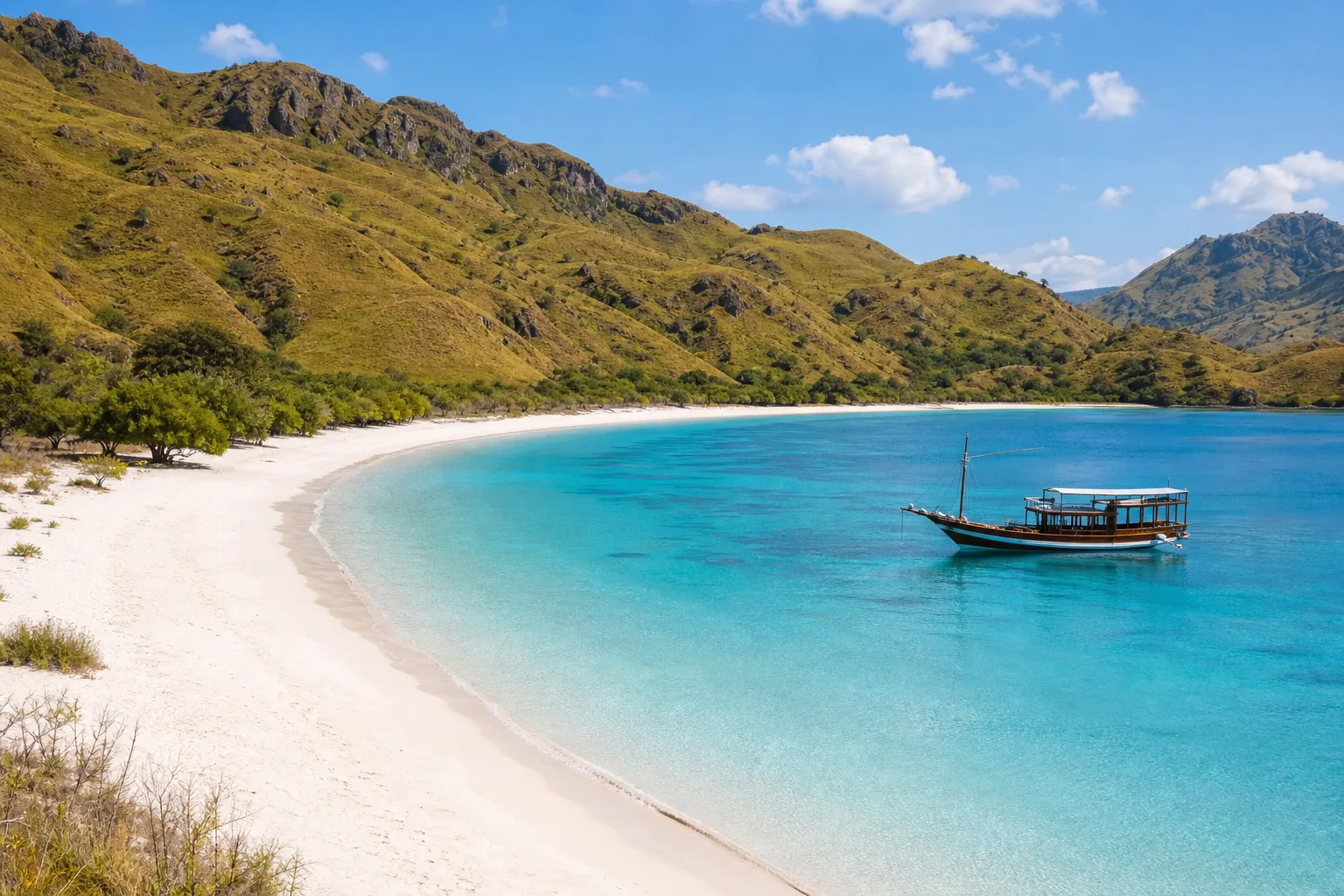
The single most useful fact about diving in Indonesia is that the main regions run on opposite seasons, so there is always somewhere in good condition. Plan the region around your dates rather than forcing your dates around a region.
- Komodo: best roughly April to November. July and August are the flattest and clearest, and also the busiest and most expensive. December to February brings the biggest manta numbers with weather risk attached.
- Raja Ampat: best roughly October to April. Many liveaboards leave the region entirely outside this window.
- Bali: year-round, with visibility varying by rainfall and mola mola most likely around the middle of the year.
- Lembeh and Bunaken: close to year-round, with Lembeh especially forgiving of weather.
- Banda Sea: narrow windows tied to liveaboard repositioning, typically around March to April and September to November.
For Komodo specifically, our guides to the best time to visit Komodo Island and Komodo in November go month by month, including why the shoulder months often beat peak season.
Currents, Certification and Honest Self-Assessment
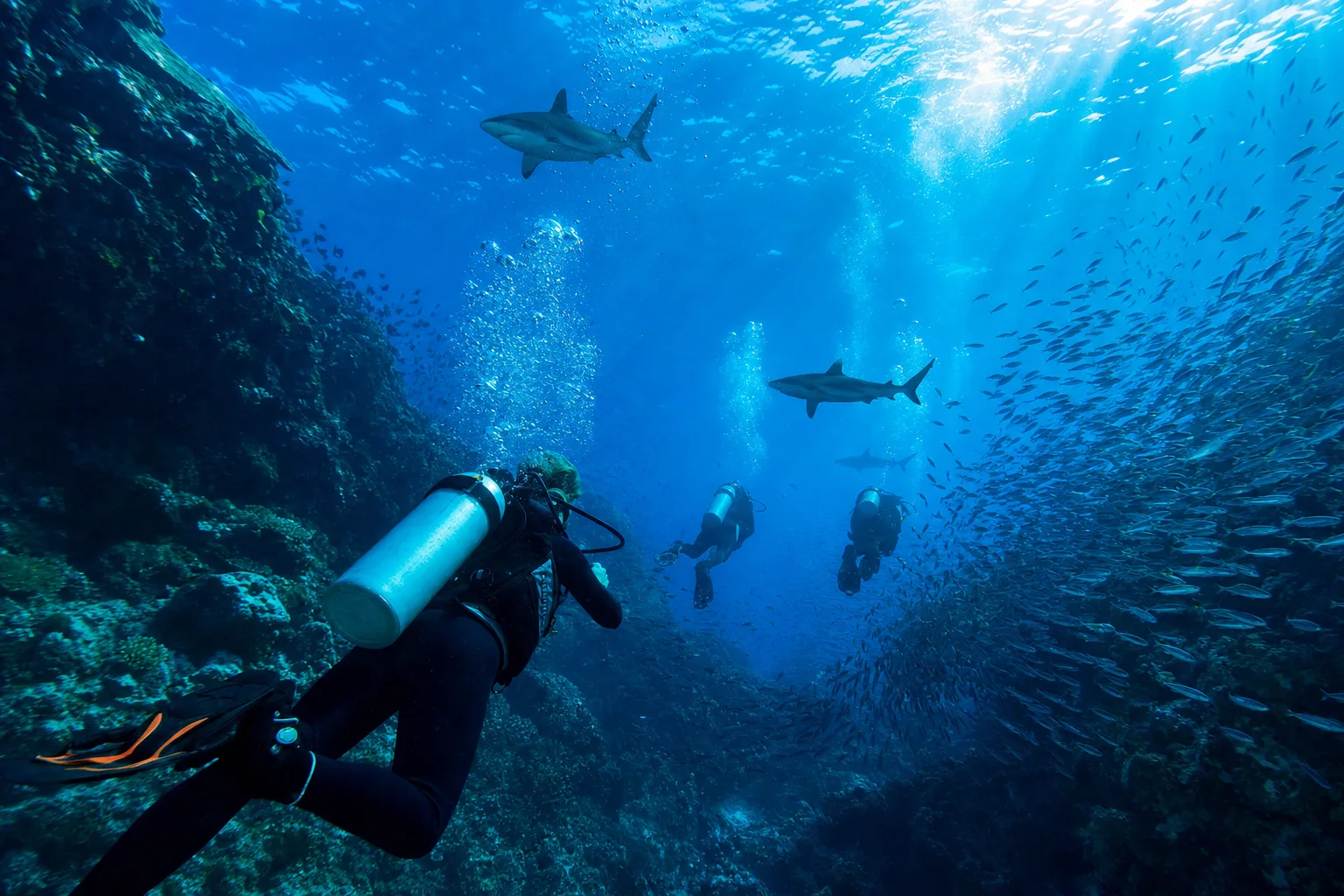
This is the part of planning that people skip, and it is the part that most often ruins a trip. Several of Indonesia's most famous dives are genuinely demanding, and arriving under-qualified means watching them from the boat.
Why Komodo Enforces Experience
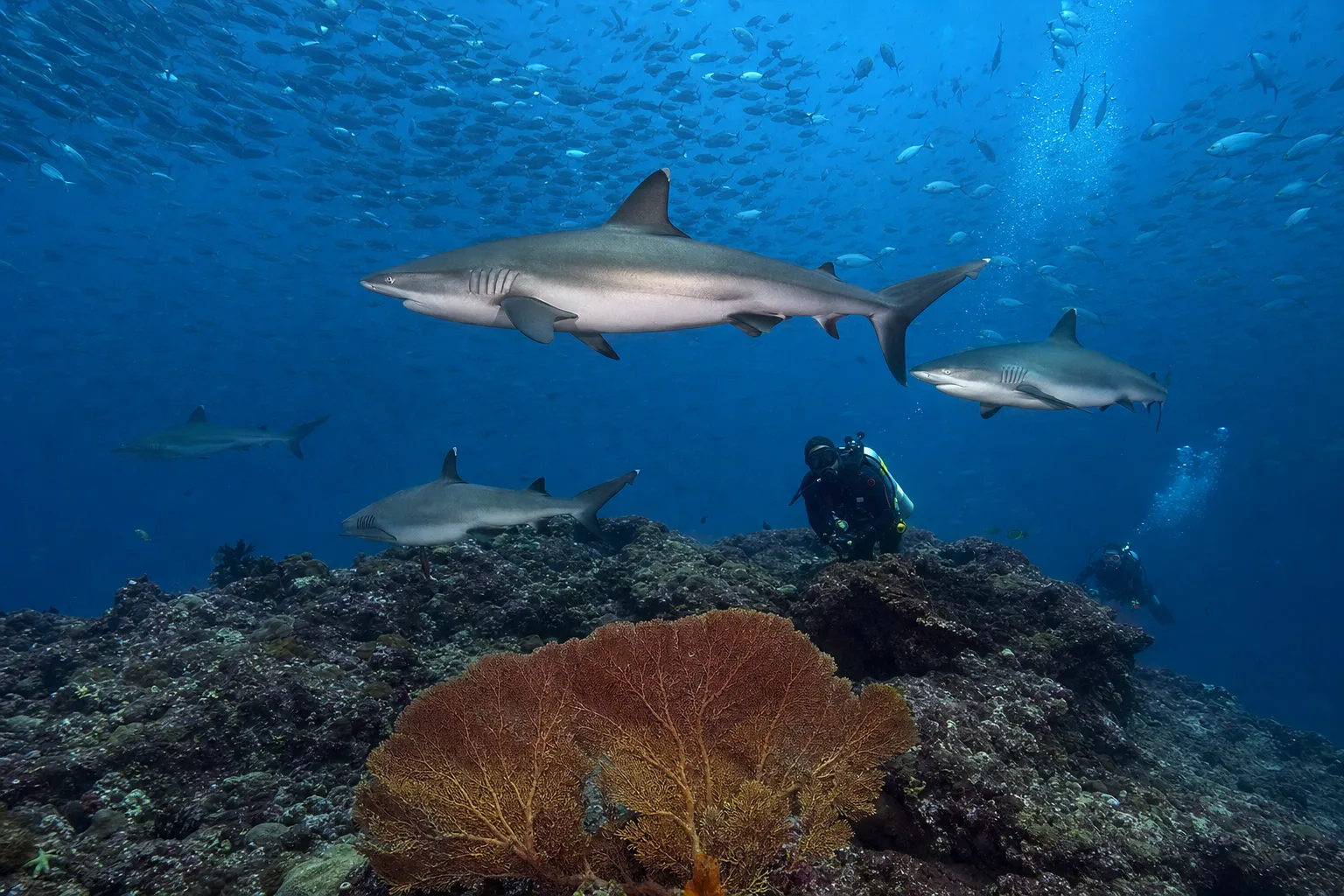
Komodo's reefs are productive precisely because water moves through them hard. That current is not a hazard bolted onto an otherwise gentle site; it is the reason the site exists. At Batu Bolong the exposed face in full flow is simply not survivable, which is why it is always dived on the sheltered side. At Castle Rock and Crystal Rock you descend negatively and hook in.
For those sites, expect to need an Advanced Open Water certification and a realistic logbook, in the region of 40 to 50 dives, with genuine comfort in drift conditions. Reputable operators here do check, and being turned down is the system working. Our guide to diving Komodo's currents explains the specific skills involved.
Building Up to the Strong Sites
Arriving without the experience does not mean missing out, as long as you plan for it. Komodo has genuinely gentle sites, Mawan, Siaba Besar and Tatawa Besar among them, and a house reef at our resort where a check dive and a refresher cost you nothing but an hour. A sensible week starts easy, demonstrates buoyancy, and works up.
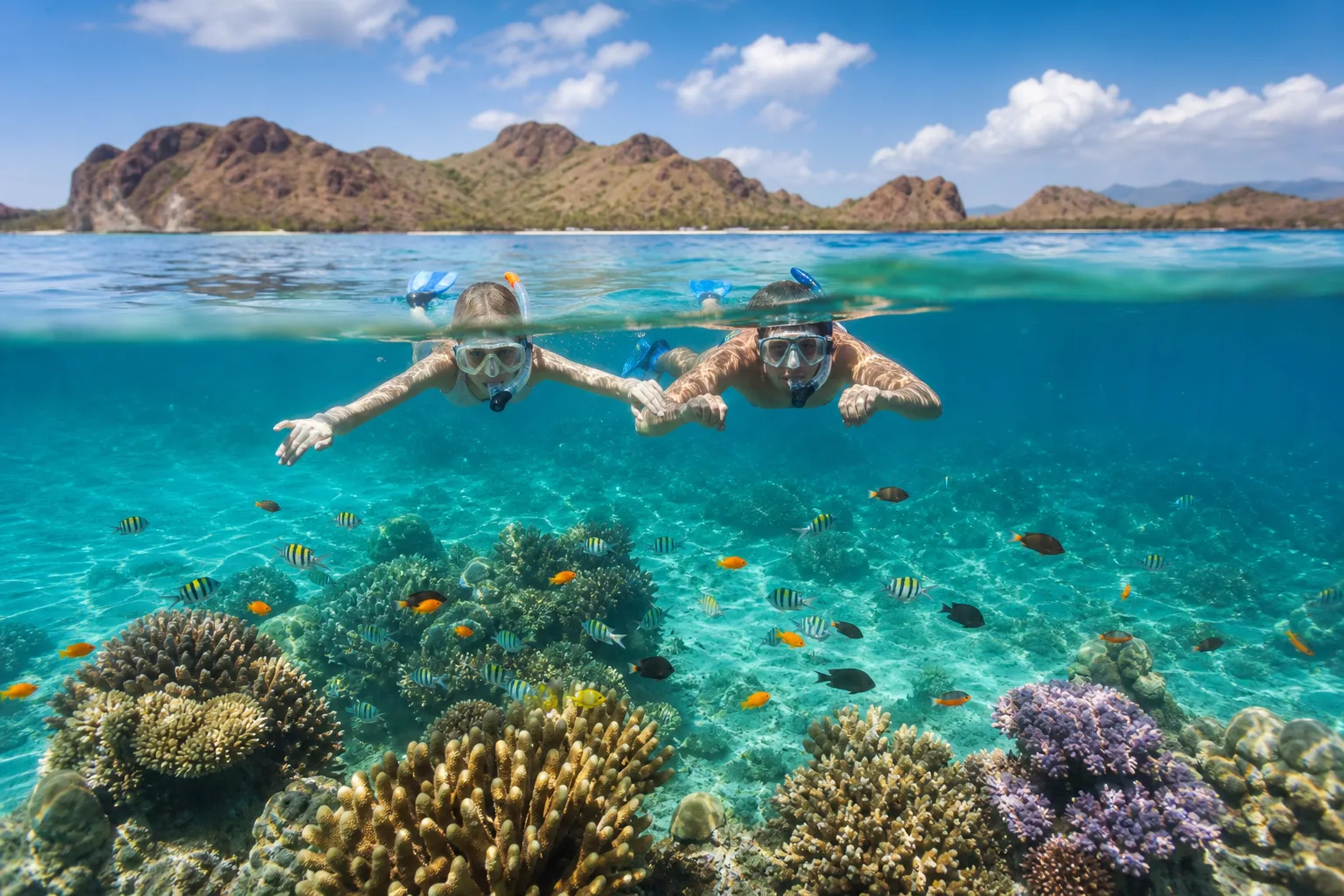
If you are not yet certified, doing it here is a reasonable option: our Komodo dive centre is a PADI five-star operation teaching in English, Chinese, Italian and Indonesian, with nitrox available for certified divers. Bali is the other sensible place to learn, with calmer, more forgiving conditions. Non-divers are not stuck either, since Komodo snorkelling reaches the same manta plateau.
Liveaboard or Dive Resort?
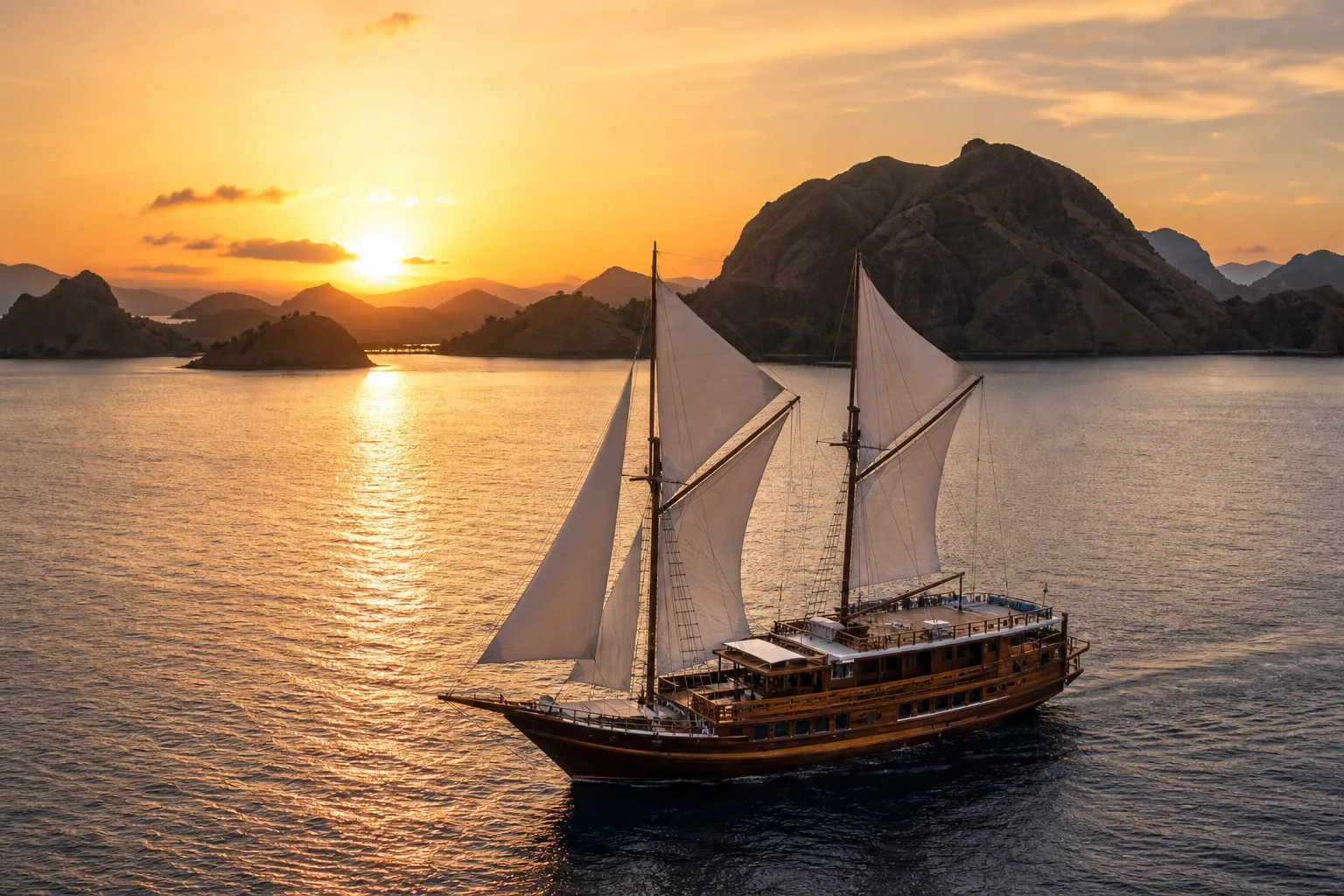
It varies by region, which is why a blanket answer is useless. In Raja Ampat, particularly the south around Misool, a liveaboard is close to essential because the best sites are far from any land base. In the Banda Sea and Alor, it is effectively the only option. In Bali and Lembeh, resorts win outright, because the diving is close to shore and the infrastructure is on land.
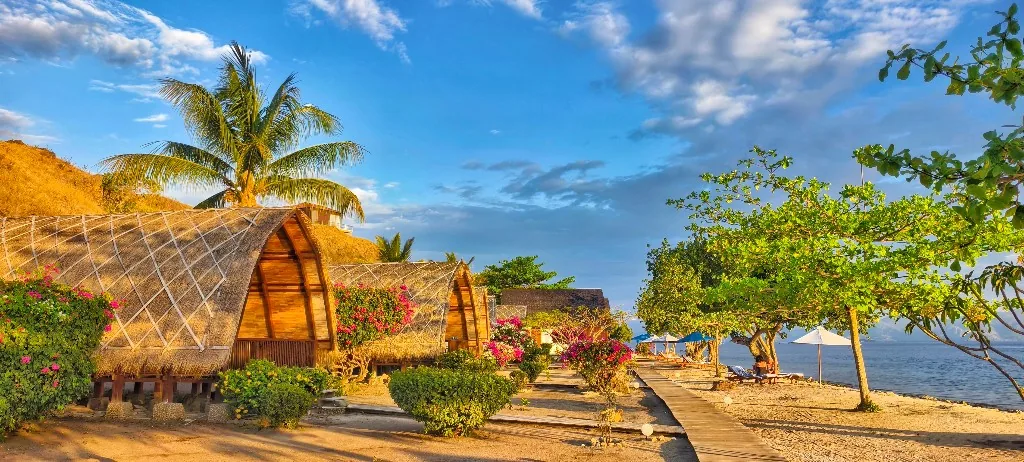
Komodo is the one region where both genuinely work. A liveaboard reaches the northern seamounts and the cold southern critter sites in one trip and fits in four dives a day. A resort inside the archipelago gives you a fixed room, a house reef, land each evening and a lower cost, while still reaching the central sites in about twenty minutes. We run both, and the honest answer depends on whether you are optimising for dive count or for comfort and flexibility.
Details are on our Komodo liveaboard page, and our guide to staying on Komodo Island works through the comparison.
Practical Planning
The logistics of diving in Indonesia are straightforward but unforgiving of assumptions, particularly around domestic flights and cash.
Visas and Passports
Carry a passport with at least six months' validity. Most nationalities can use the Visa on Arrival, which is issued for 30 days and can be extended once for a further 30, giving up to 60 days in total. It is also available in advance as an e-VoA, which saves queueing on arrival.
Rules do change, so confirm current requirements for your nationality before you fly. Our Indonesia visa guide covers the detail.
Flights and Domestic Connections
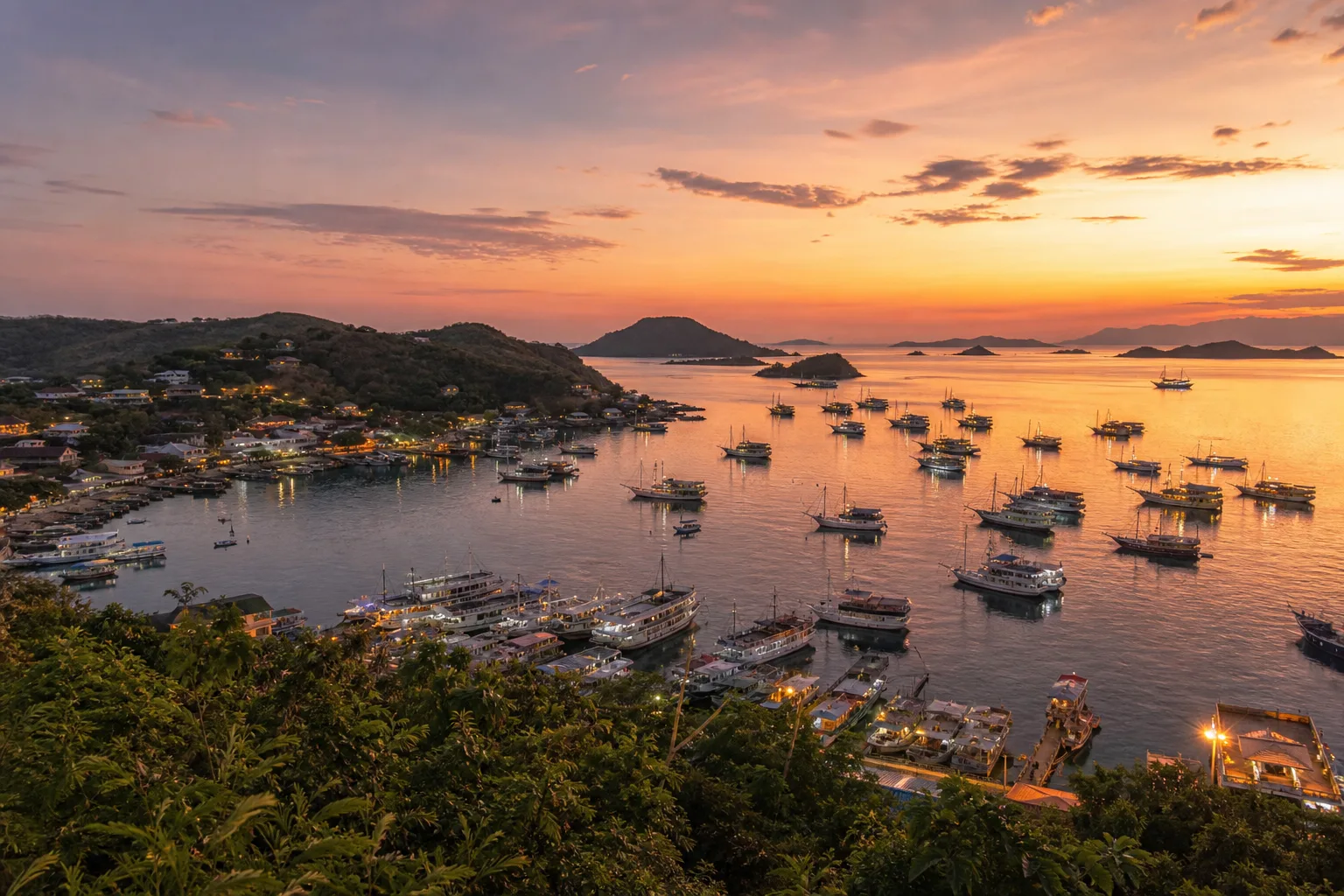
Garuda Indonesia, Lion Air and AirAsia cover most domestic routes, alongside smaller carriers. Domestic schedules change and cancellations happen, especially on regional routes, so check your booking in the days before travel rather than assuming it stands.
The practical consequence for divers is to build a buffer day. Land in Bali or Labuan Bajo the day before a liveaboard departs rather than the morning of, and keep the last day of any trip free of diving so a delay does not force you to fly too soon after a dive. Our guide to flying after diving covers the intervals.
Dive Insurance and Evacuation
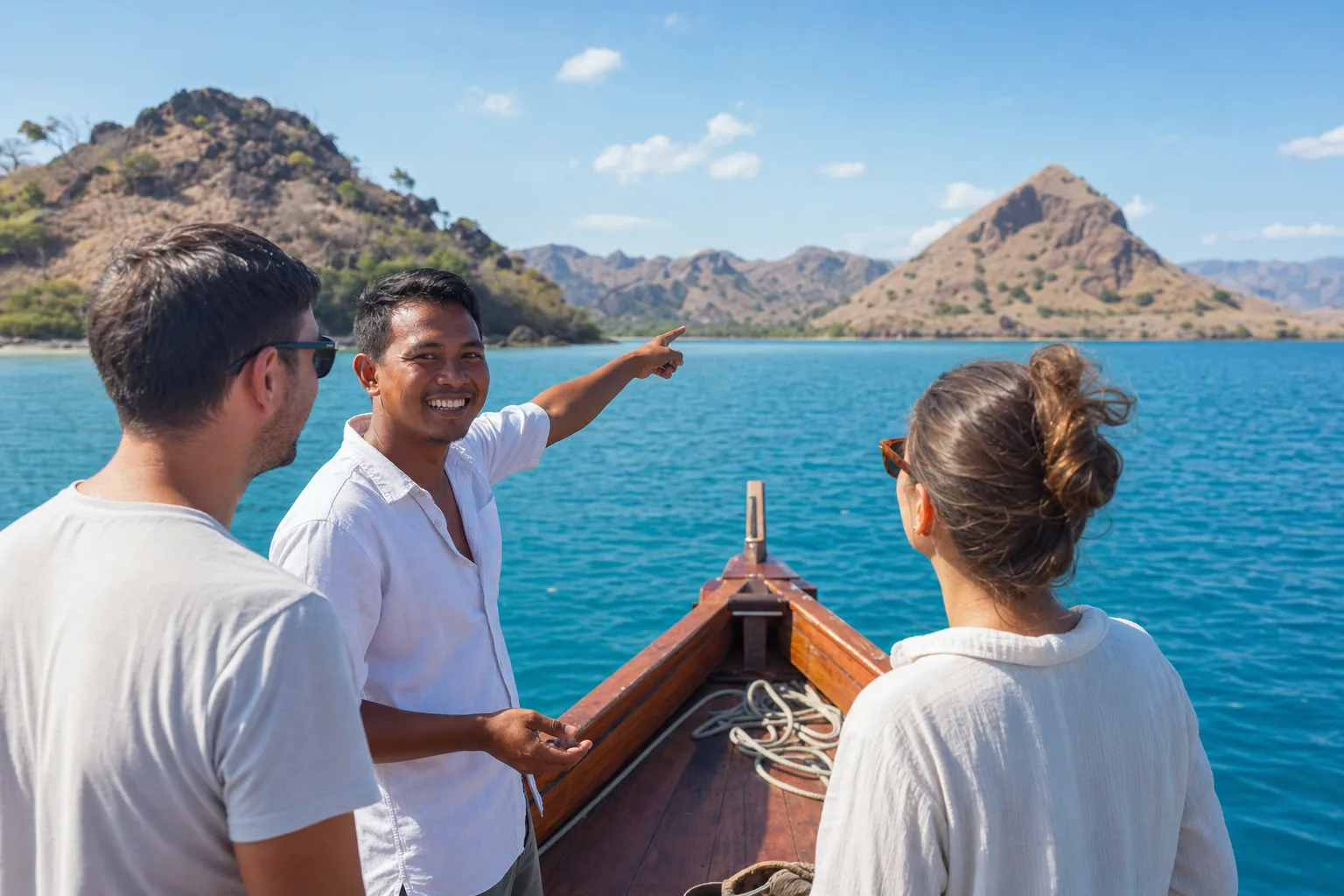
Take dive-specific insurance that explicitly covers chamber treatment and evacuation. This matters far more in Indonesia than in a developed dive destination, because the good sites are remote by design. Bali has solid medical infrastructure. Komodo, Raja Ampat and the Banda Sea do not, and evacuation from a liveaboard is a serious and expensive undertaking.
Check that your policy covers the depths and the type of diving you are actually planning, and carry the emergency number somewhere other than a phone that might be flat.
Park Fees and Cash
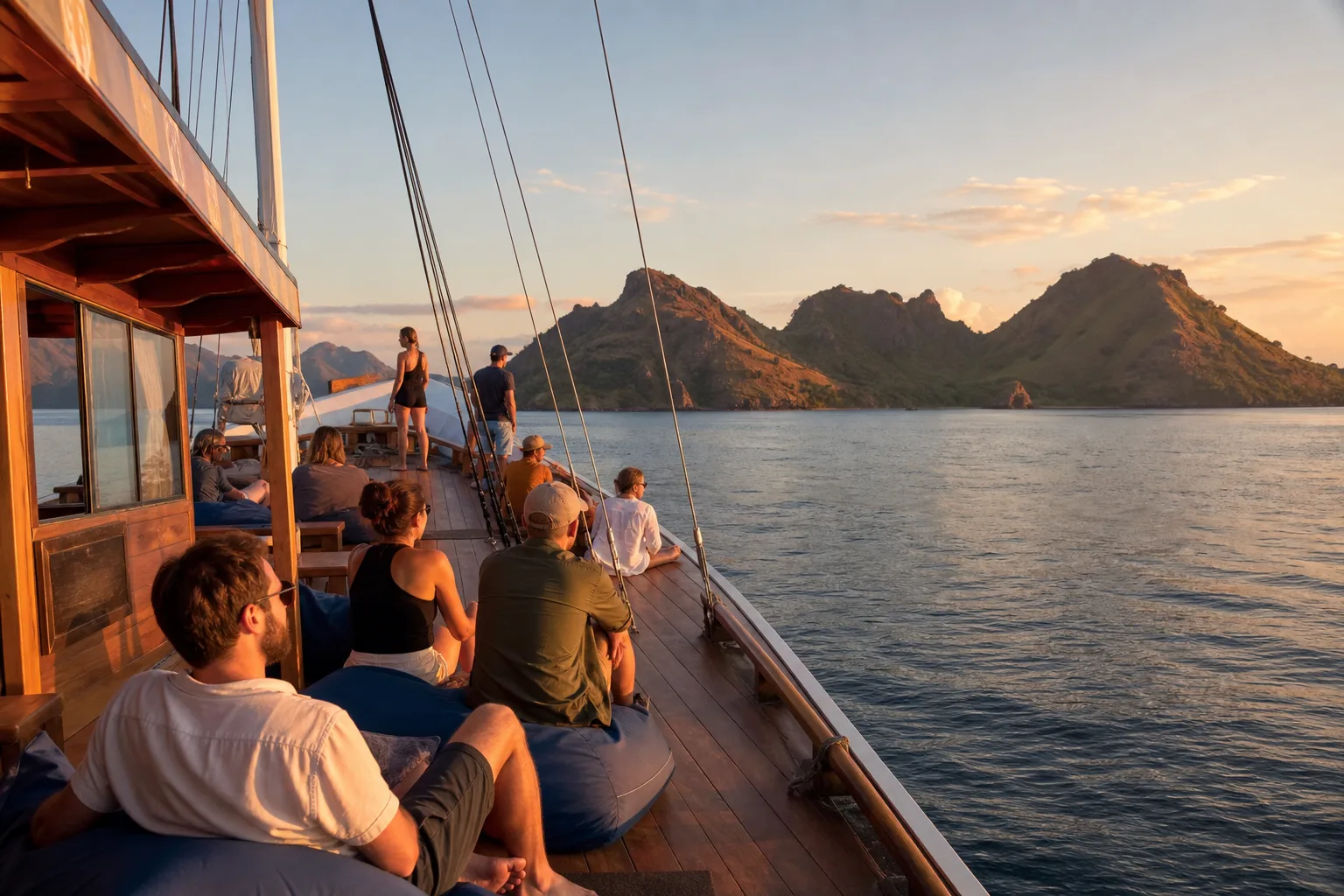
National park fees are charged separately from any dive package and are easy to overlook when budgeting. In Komodo, international visitors pay a marine park entry fee of IDR 250,000 per person per day, a conservation fee of IDR 100,000, and a harbour fee of IDR 25,000 when arriving by boat, with a further IDR 25,000 per diver per day. That brings a diving day to roughly IDR 300,000, about USD 18. Ranger fees for dragon treks are per group: IDR 200,000 for up to five people on Komodo or Rinca, IDR 150,000 on Padar. Drone use is IDR 2,000,000 per unit per day. The full schedule is in our guide to Komodo National Park entrance fees.
Draw cash before heading anywhere remote. There are no ATMs on the islands inside the park or aboard a liveaboard, and gratuities and extras are usually cash. Our guide to money in Labuan Bajo covers where to withdraw and what to tip.
Choosing Your Dive Operator
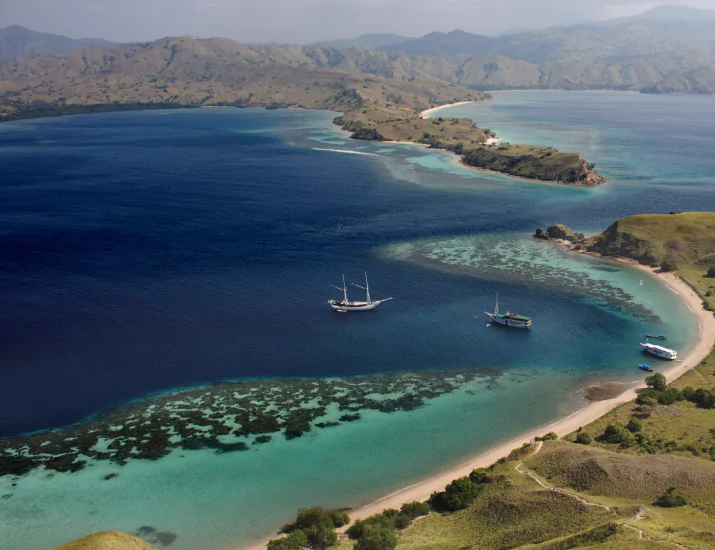
Indonesia has hundreds of dive centres, resorts and liveaboards, and the range in standards is wide. The questions worth asking are specific rather than general: How many divers per guide? How many seasons have the guides worked these particular sites? Is there a second compressor? Is nitrox available and properly analysed? Are park fees and equipment included or added on arrival? Who decides when a site is off, and on what basis?
The answer to that last one tells you the most. An operator who will say "not today, the tide is wrong" is one you can trust with a current-swept pinnacle. One who runs the advertised schedule regardless is not.
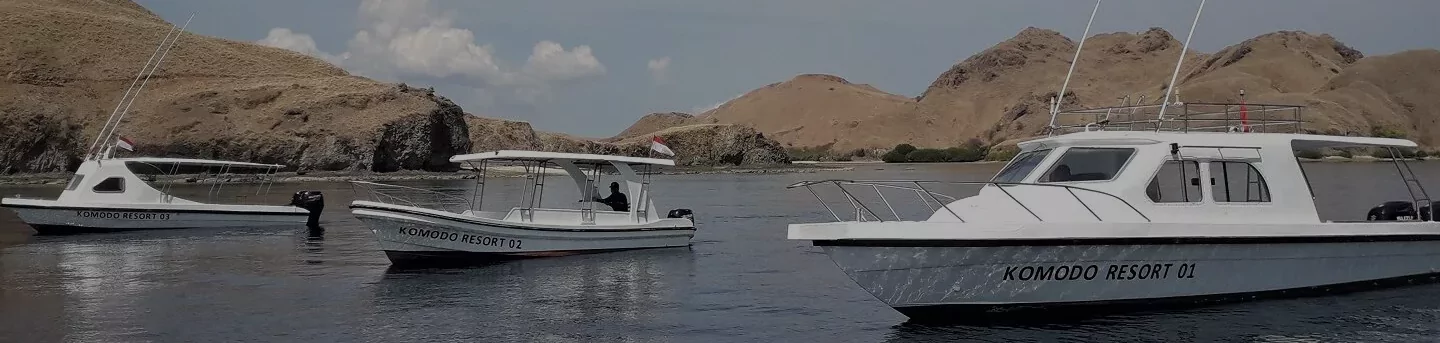
For Bali, our sister operation Neptune Scuba Diving has a long track record. In Komodo, our own PADI five-star centre runs daily boats from Sebayur Island, and our phinisi liveaboard the Komodo Sea Dragon takes a maximum of twelve guests in six cabins. Tell us your certification level, your dates and what you most want to see, and we will give you a straight answer, including if a different region suits you better. You can contact our team directly.
Frequently Asked Questions
Explore More
Ready to Dive in Komodo?
Tell us your certification level and dates, and we will tell you honestly which region and which base fit best.
View Our Rooms