
When you go Komodo liveaboard diving, you spend several days on a boat exploring Indonesia's Komodo National Park, which has some of the most diverse underwater life on Earth. This method gives you access to isolated dive spots that day trips can't reach, making it the best way for serious divers to see this UNESCO World Heritage marine sanctuary.
This article will help you plan and schedule a Komodo liveaboard vacation by showing you how to choose the right boat, understand the variations between regions, time your trip, and book your trip. We only cover multi-day liveaboard tours from Labuan Bajo, not day diving trips. If you're looking for short trips on land, this isn't the place for you. We want to reach intermediate to advanced divers who are ready for drift diving and long underwater explorations in Indonesia's most famous waters.
Komodo liveaboard diving takes you on 4- to 10-day journeys to 26 islands, where you may perform 18 to 22 dives and see manta rays, grey reef sharks, and over 1,000 fish species, about three times as many dives than on day trips.
By the end of this guide, you will understand what Komodo island liveaboard diving actually means as well as:
- How to choose between vessel types, routes, and trip lengths
- Optimal timing based on weather patterns and marine life migrations
- The complete booking process from certification to departure
- Strategies for maximizing your underwater time and avoiding common pitfalls
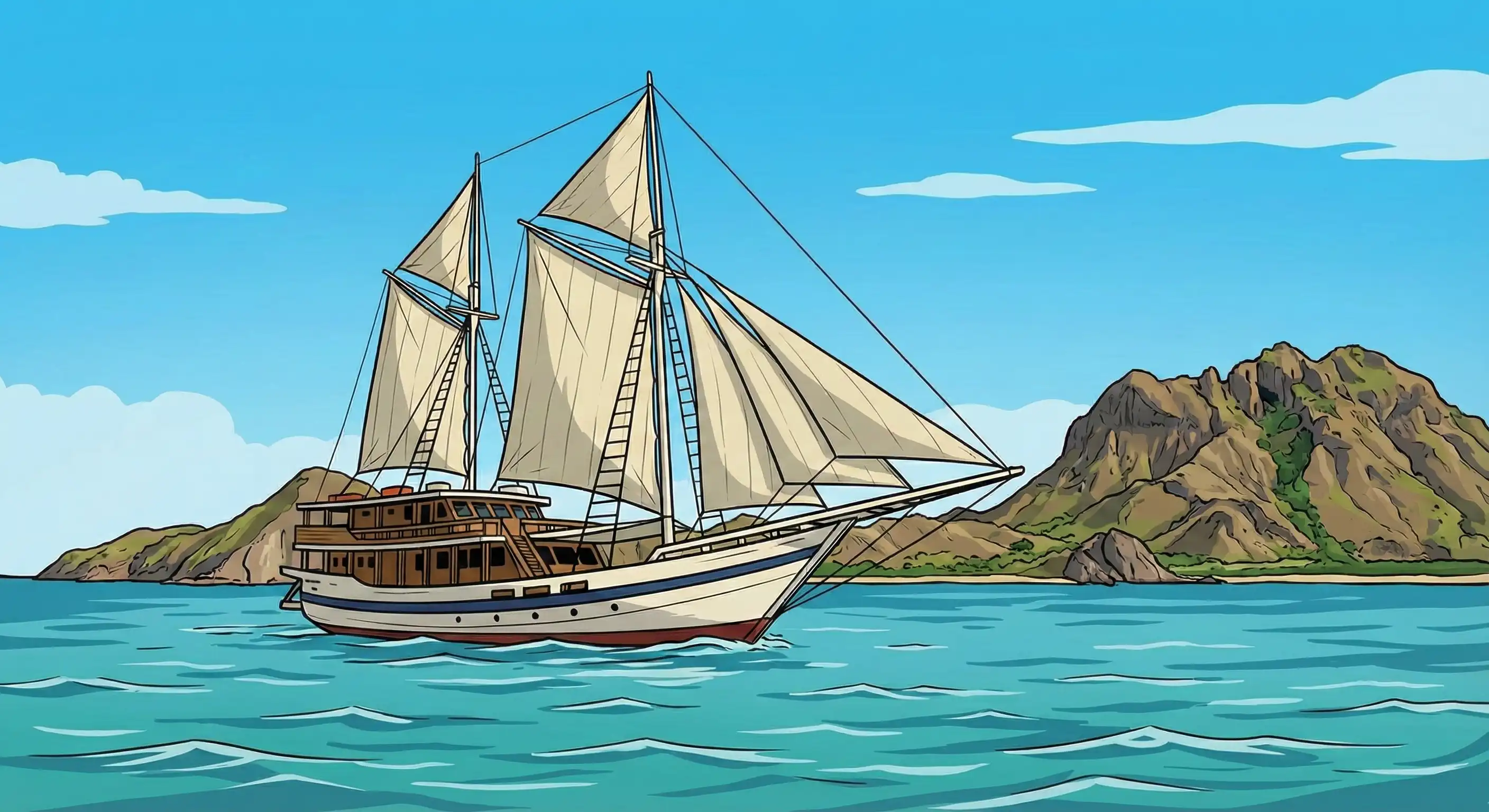
Understanding Komodo Island Liveaboard Diving
A Komodo liveaboard means living on your boat the whole time, so you just have to unpack once and wake up each morning already in the middle of the national park. This means that expert captains may choose Komodo dive sites according on the tides and surface conditions, which is something that fixed resort diving can't do.
The marine habitat here is at the point where the Indian and Pacific Oceans meet. This makes the waters rich in nutrients, which supports a wide range of life. Cold upwellings mingle with tropical currents, which feed everything from pygmy seahorses hiding in bright soft corals to whale sharks swimming through the deep blue.
The Komodo National Park Advantage
Komodo National Park preserves more than 1,000 fish species and more than 300 varieties of coral in its waters. You can only see this richness when you can go to distant pinnacles and cleaning stations that are too far away for day boats to reach. Manta Alley, the Three Sisters, and other places near Gili Lawa Darat need to be in the right place, which liveaboards may do by moving around all the time and mooring in the right spots.
The park is a UNESCO World Heritage Site because it has both marine and land riches. On Rinca Island or Komodo Island itself, you can go on land excursions to see Komodo dragons. These trips are in addition to your diving days. In the morning, you can trek to overlooks on Padar Island and in the afternoon, you can swim at Pink Beach.
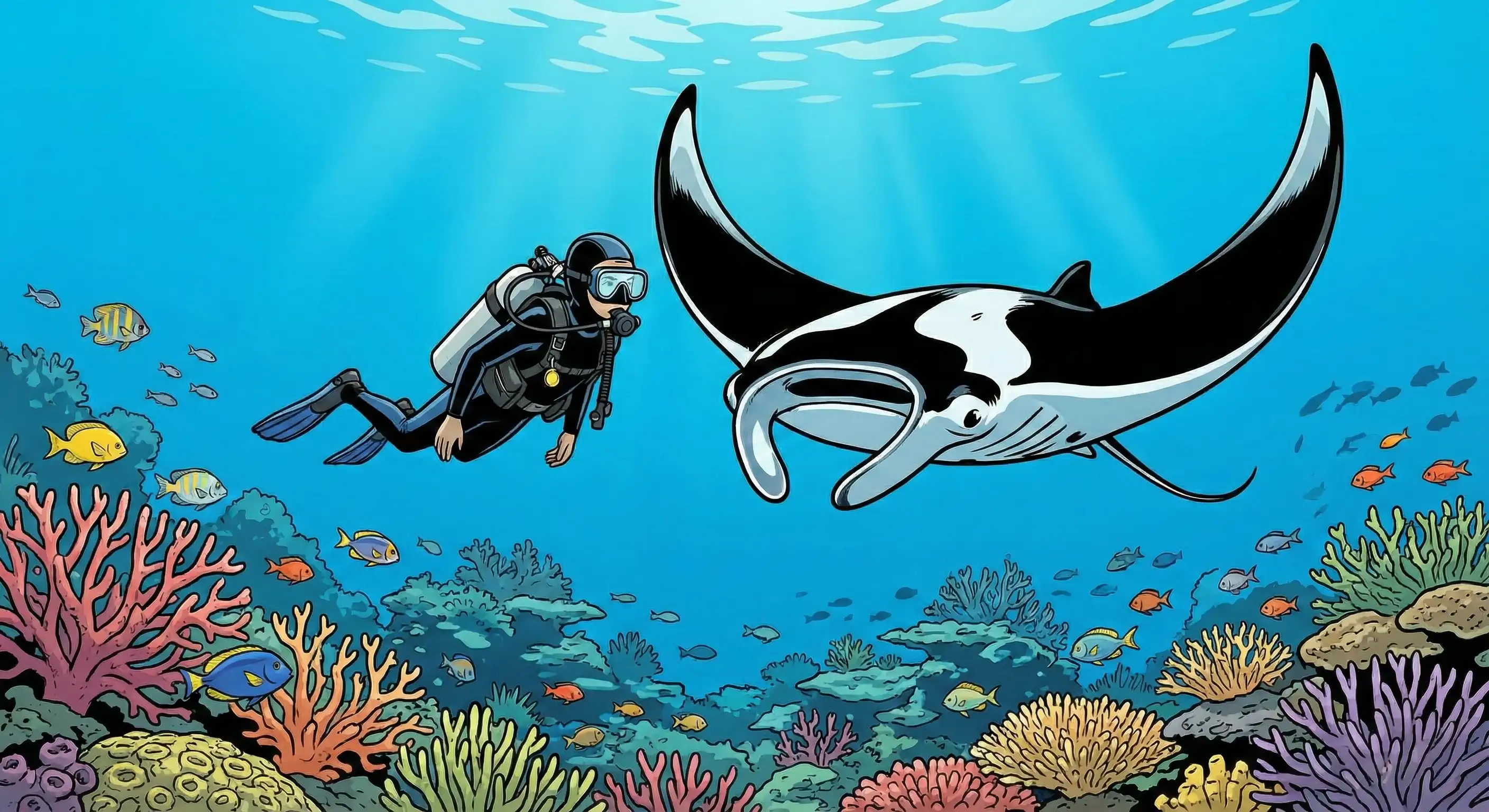
Liveaboards in Komodo are the only realistic way for ambitious divers to fully explore the underwater ecosystem, where they can view schooling jacks at current-swept walls, sea turtles at cleaning stations, and eagle rays skimming over seagrass meadows.
North vs South Komodo Routes
The park has two very different underwater settings, and knowing this geography will help you choose your whole tour.
Northern Komodo, Central Komodo, and the islands around Labuan Bajo all have tropical blue waters that are usually 27–29°C. Visibility is often more than 25 meters, and the diving profile is mostly about exploring reefs, seeing manta rays, and drift diving along colorful walls covered in soft corals.
In the southern region, things are different. Wild, cold currents from the south lower the water temperature to 22–24°C, which brings in pelagic species and makes things harder. This is where the nutrient-rich waters draw in bigger sea creatures and where you need advanced certification instead of just having it.
Most liveaboards plan trips that include both types of settings, but the length of the journey and the time of year will influence how much time you spend in each zone or even if you can get to one of them.
Planning Your Komodo Liveaboard Adventure
Now that you know the main distinctions between the north and south, you need to organize your trip by matching your skill level, available time, and diving goals to particular itinerary possibilities.
Choosing Your Itinerary
Trip lengths vary greatly, each offering distinct advantages but primarily it's all about the Komodo liveaboard operator you will choose:
4-night trips work well for first divers to the region or those with limited vacation time. Expect 12-16 dives concentrated in the most accessible zones, typically northern sites with one or two southern excursions. You’ll visit headline locations like Manta Alley and experience the core Komodo diving environment without full regional coverage.
7-night trips represent the sweet spot for comprehensive exploration. With 18-22 dives, you’ll cover both north and south thoroughly, experience diverse marine life across multiple ecosystems, and have flexibility for weather adjustments. This duration allows for muck diving at sites like Horseshoe Bay, where flamboyant cuttlefish and sea apples populate the volcanic sand, alongside pelagic encounters in open water.
10-night options extend into combination routes, linking Komodo with Raja Ampat or the Alor archipelago. These expeditions suit divers seeking maximum variety—from Komodo’s iconic reefs to Bima Bay and Moyo Island along Indonesia’s extended island chain.
Komodo Sea Dragon only works in the national park and uses a special Maldivian-style dhoni tender system for year-round diving. This method keeps the engines and compressors on the separate dive boat, so the mother ship is silent while you sleep between dives. This is a big comfort benefit on extended excursions.
Best Time to Visit Komodo
The dry season, which runs from April to October, has the most dependable weather: calm seas, good visibility, and acceptable temperatures in the northern areas. During this peak time, there are the most boats, so you need to plan ahead to get one.
Diving during the rainy season (November to March) has its own set of benefits. As the currents calm down, southern areas become easier to get to. In fact, manta ray sightings are highest during the wetter months when plankton blooms draw these filter feeders. This is also the time of year when mantas move.
Some places may not be as clear, but professional divers often like this time of year for large items because there are fewer people around.
Micro-climates between the north and south can make circumstances change a lot within a single day's sailing. Because your cruise director can change plans as needed, flexible itineraries are more important than strict schedules.
During the high season, King Neptune runs special routes that connect Komodo's western sites with Alor's macro life paradise. This is a voyage that shows off all of Indonesia's diving diversity in one expedition.
Departure Points and Access
Most Komodo liveaboards leave from Labuan Bajo, which is on Flores Island and is the main town with direct flights from Bali. Every day, there are flights that leave in the morning and allow passengers to board the same day for an afternoon departure.
Some longer trips leave from Bali and sail east through the Lesser Sunda Islands before reaching the waters around Komodo. These cruises take longer because they stop at more dive spots along the way.
Transfer logistics are usually simple: the operators take care of picking you up at the airport and getting you to the dock. If your international flights arrive late, plan to spend one night in Labuan Bajo. However, many visitors have little trouble connecting through Bali for smooth travel days.
Booking Your Komodo Liveaboard
Once you've chosen the best time and style for your schedule, the booking process follows a logical order from checking your certification to making final preparations.
Step-by-Step Booking Process
Start making plans 3 to 6 months before you want to travel, especially if you want to leave during the dry season when boats fill up rapidly.
- Verify certification level and experience requirements. Komodo diving typically requires Advanced Open Water certification minimum, with many boats specifying drift dive experience or a minimum number of logged dives due to strong currents.
- Select dates based on weather patterns and target marine life. Match your travel window to seasonal strengths—manta ray peaks during wet season, optimal visibility during dry months.
- Choose vessel type and cabin category. Traditional phinisi boats offer character and lower price points; modern hulls provide stability and dedicated dive platforms. Cabin selection ranges from below-deck bunks to master suites with picture windows.
- Confirm international flights and domestic connections. Book Bali-Labuan Bajo flights once your liveaboard dates are secured, building in buffer time for potential delays.
- Arrange dive insurance and equipment rental. Comprehensive dive insurance is essential for remote area coverage. Boats provide tanks and weights; confirm rental availability for regulators, computers, and exposure suits if needed.
Recommended Liveaboard Comparison
Choosing between dedicated Komodo operations and extended-route vessels depends on what you want to achieve and when you want to do it.
| Criterion | Komodo Sea Dragon | King Neptune |
|---|---|---|
| Operating Area | Year round in Komodo National Park | Komodo-Alor during high season |
| Vessel Design | Mother ship with separate dhoni diving tender | Traditional liveaboard with onboard dive deck |
| Primary Advantage | Quieter living quarters, small diving groups | Extended route variety, Alor macro life access |
| Best For | Divers wanting focused Komodo immersion | Adventurers seeking multi-region exploration |
| Trip Duration | 6-7 nights typically | 10-12 nights for combination routes |
The Komodo Sea Dragon is perfect for divers who want to be comfortable and see all of Komodo without having to leave the dock. You can dive at any spot while the main boat stays anchored in safe seas thanks to the dhoni system.
King Neptune is a great choice for anyone who want to see Alor's famous macro life where you can reliably find certain critters, and Komodo's pelagic spectacles all in one trip.
Both companies have experienced cruise directors who change the daily itineraries based on the weather, making sure you dive at the best times and on the best spots.
Common Challenges and Solutions
Even the best-planned liveaboard cruises run into problems. Knowing about these problems ahead of time will make your experience better.
Strong Current Concerns
The currents in Komodo bring in nutrients that draw in a wide range of marine species, but they need to be respected. Solution: Make sure your certification covers drift dive training, get some experience in moderate currents before you arrive, and be honest with your dive guides about how comfortable you are. Most operators offer site alternatives when conditions exceed guest capabilities.
Seasickness on Traditional Boats
Traditional phinisi boats have personality, yet they might move more than purpose-built hulls. Solution: Bring your medicine and start taking it before you start to feel sick. use mid-ship accommodations on lower decks to minimize movement, and if you're very sensitive, use modern vessel designs. The isolated dhoni system on the Komodo Sea Dragon solves this problem by keeping the main living vessel still while diving.
Limited Availability During Peak Season
August and September are the months when demand is highest during the dry season. Solution: Book 4 to 6 months in advance for your desired dates, be flexible with backup windows, and think about shoulder months (April-May and September-October) for improved availability and still great conditions.
Conclusion and Next Steps
Komodo Island liveaboard diving gives you more access and volume than diving from the shore. The liveaboard concept is the best way for divers to explore Komodo properly, since it lets them see manta rays at cleaning stations, grey reef sharks at deep pinnacles, and colorful coral reefs in the north and south regions.
Your immediate next steps:
- Confirm your current certification level meets requirements for dive Komodo (Advanced Open Water minimum, drift dive experience preferred)
- Identify your target season and trip length based on priorities above
- Contact operators directly for current availability and pricing—both Komodo Sea Dragon and King Neptune maintain responsive booking teams
- Secure dive insurance coverage before finalizing vessel deposits
Raja Ampat combinations make sense for divers who have already been to Komodo and want to see more of Indonesia. For those who have the time and money, extended trips to Flores, Alor, and the Banda Sea connect several world-class areas in one trip.
Additional Resources
Essential Packing Checklist for Komodo Liveaboards:
- Reef-safe sunscreen and rash guards for UV protection
- Seasickness medication (preventive, not reactive)
- Underwater camera with housing (charging stations available)
- Personal dive computer and surface marker buoy
- 3-5mm wetsuit for southern sites (rental often available)
Marine Life Highlights to Watch For:
- Manta rays at cleaning stations and feeding areas
- Grey reef sharks and reef sharks at current-swept points
- Pygmy seahorses in gorgonian fans
- Flamboyant cuttlefish at muck diving sites
- Sea turtles throughout the park’s reefs
Certification Upgrades Worth Considering:
- Advanced Open Water if not yet certified
- Nitrox certification for extended bottom time
- Drift dive specialty for current management skills