
Komodo National Park has some of the best snorkeling in the world, with manta rays, reef sharks, sea turtles, and colorful coral reefs in clear water. This Indonesian marine sanctuary is one of the best places in the world to snorkel. It lets snorkelers get to the same amazing vistas that divers come from all over the world to see.
This complete article has all the information you need to organize an amazing snorkeling trip to Komodo, including the best places to snorkel, how to see marine life, when to go, where to stay, and how to get around. This guide has everything you need to organize your trip, whether you're a beginner snorkeling for the first time or an experienced snorkeler looking for big things like mantas and sharks. This information is only for snorkeling in Komodo National Park, with a concentration on the Central section where the conditions are best.
The Central area of Komodo National Park has some of the best snorkeling in the world, and of course, the best Komodo snorkeling. Many of the dive sites are also great snorkeling areas, which makes Komodo a great place for non-divers who wish to see the best underwater ecosystems.
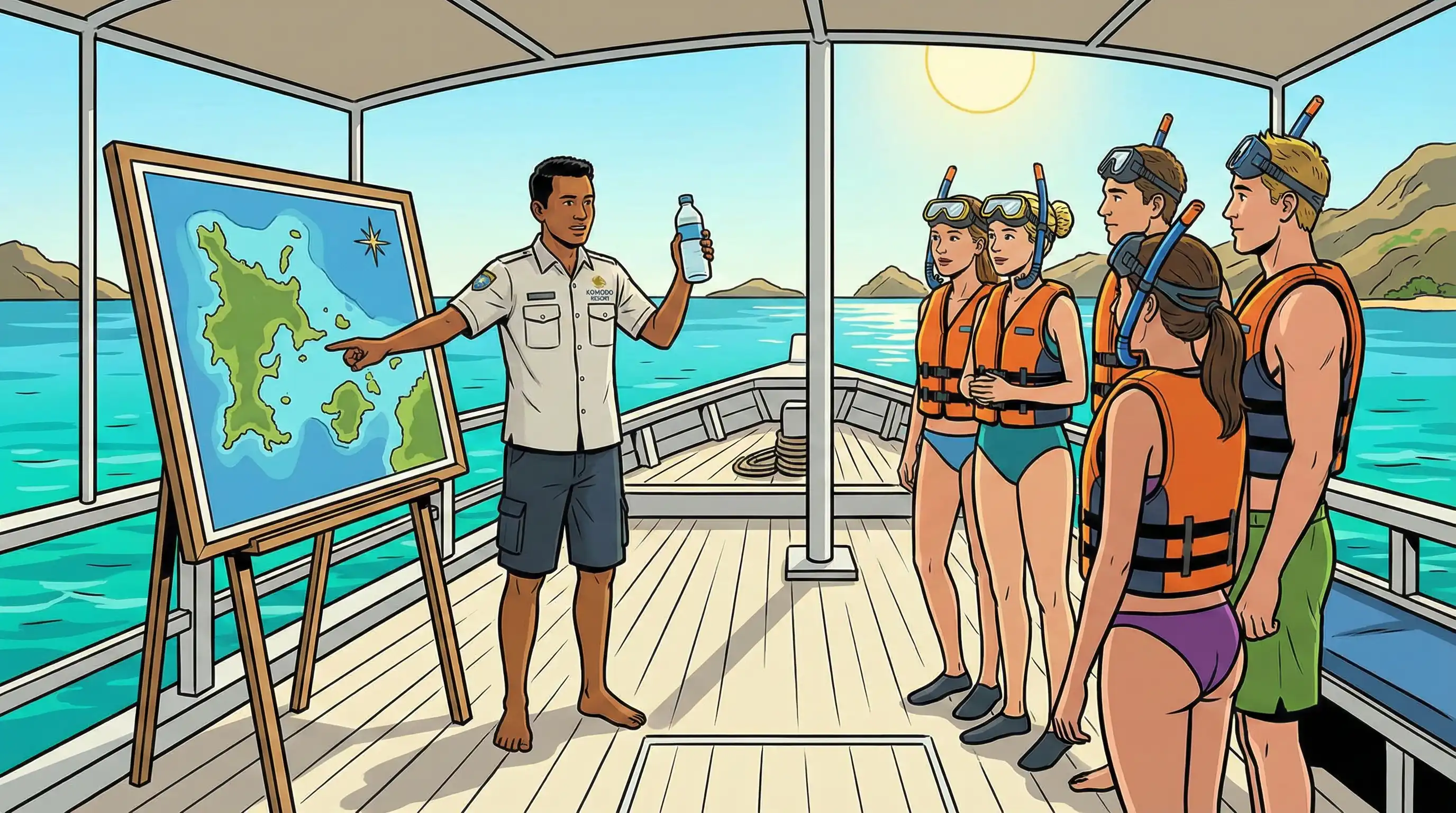
Understanding Komodo Snorkeling
Komodo snorkeling is different from other places in Indonesia since it has great access to sites and a wide range of marine life. In spots where snorkeling and diving are in separate areas, Komodo's underwater landscape makes it possible to visit world-class reefs from the surface.
The snorkeling areas in Komodo are located in the middle of the Komodo National Park. This is because snorkeling is not allowed in the North and the South is too far away and the sites there are not safe for snorkeling.
Why Komodo is a Snorkeling Paradise
Strong tides move the seas of Komodo, bringing in currents full of nutrients. This makes the conditions perfect for the reef ecosystems to thrive. This steady flow of water helps fish populations grow, coral cover grow, and a wide range of marine animals survive in the oxygen-rich water.
Most dive sites on Komodo are also great for snorkeling, which is what makes it so great for snorkelers. You can get to the best reef systems, the same ones that draw divers from all over the world without having to get certified or go through specific training. The park is located between the Indian and Pacific Oceans, which makes it a biological crossroads where species from both oceans come together, leading to an amazing variety of life.
Central Komodo: The Snorkeling Sweet Spot
The best snorkeling in Komodo National Park is in the Central region. The water here is always clear and warm, and the spots are naturally protected from bad weather.
Central Komodo's topography makes it perfect: the reefs are alive and stretch to the surface, the currents are easier to handle than in the south, and the concentration of marine life is at its highest. In this area, you're most likely to witness famous animals like manta rays at cleaning stations, reef sharks patrolling coral walls, and schools of tropical fish that are so dense they appear impossible. To plan your trip, you need to know how this spatial advantage works.
Best Komodo Snorkeling Sites
Central Komodo has the best snorkeling spots in the park, each with its own unique marine life and experiences. The type of site you choose depends on how experienced you are, the weather, and the species you want to catch.
Premier Central Komodo Sites
Manta Point is one of the best-known places in Komodo for snorkeling. Manta rays come to this place to have smaller fish clean them of parasites. This makes it easy to see these gentle giants up close. The location has strong currents, therefore it's suitable for intermediate to advanced snorkelers or those who are with experienced guides. The dry season, which runs from April to November, has the best visibility and the calmest weather. At Manta Point, you don't fight against the tide; instead, you go with it.
Mawan is a well-known place in the Komodo National Park for snorkeling with manta rays. Mawan isn't as well-known as Manta Point, but it's a great place to see these elegant giants in a less crowded atmosphere.
Tatawa Besar and Tatawa Kecil are known as the "anthias capital" since they are home to a lot of these colorful reef fish among bright soft corals. This spot has a bit of stronger currents, therefore you need to be more careful about when you go when the tide is low or high. Follow the instructions of your guide.
Siaba Besar is a big, safe bay where less experienced snorkelers can go. This is a great first stop for beginners or families because the reef is not too deep and there are natural barriers to strong currents. Sea turtles swim through this region a lot, and they often get near enough for great views.
Turtle City is famous for having a lot of marine turtles. While the reef is not the best, travelers who wish to see sea turtles need to be here. The quiet, clear waters and flourishing coral gardens make a great home for turtles and a wide range of colorful reef fish and invertebrates. Turtle City is a great place for snorkelers of all ability levels to get up close and personal with marine life. It's one of the greatest places to see the amazing richness of Komodo snorkeling.
Note: Batu Bolong is not safe for snorkeling, and for good reason. The Komodo park authorities have also banned snorkeling at Batu Bolong since there have been a lot of mishaps there.
Komodo Resort House Reef
Many people think that the house reef at Komodo Resort on Sebayur Island is the best in the whole national park. The coral here is healthier than at most other park sites, and the formations are in perfect condition, which supports a wide range of marine life.
The best thing about this house reef is that it is both easy to get to and of high quality. There are often manta rays, reef sharks, schools of tropical fish, and invertebrate life right off the resort that are as good as those at specialist diving sites. Komodo Resort is the only resort in Komodo National Park, therefore it offers underwater activities that can't be found anyplace else in the area.
Komodo Resort also has tight rules on what you can do at the house reef. For example, fishing and scuba diving are also not allowed. You can't walk into the water from the beach; only boats and jetties can do so. This is to safeguard the coral reefs that are very near to the shore.
Additional Notable Sites
Pink Beach is a very distinctive place that focuses on being easy to get to and peaceful. The beach receives its name from the pink sand, which is made up of white sand and bits of red coral. This place is good for snorkelers of all skill levels because the water is shallow and easy to get to. In clear water, marine life includes colorful coral reefs, tropical fish, and sea anemones.
Kanawa Island is a great place for beginners to snorkel because the seas are quiet and shallow. This place has beautiful coral gardens, lots of reef fish, and sea stars. Kanawa Island is a popular first stop on snorkeling trips because it is only a short boat ride from Labuan Bajo. However, staying in the park gives you more time at better places.
Komodo Snorkeling Logistics and Planning
Your accommodation choice significantly impacts snorkeling quality and quantity. Knowing how things work helps you spend more time underwater and see more marine life.
Accommodation Strategy Comparison
How much time you spend snorkeling and how much time you spend traveling depends on where you stay. This comparison makes the practical effects clearer:
| Factor | Komodo Resort | Labuan Bajo |
|---|---|---|
| Travel to sites | 30 minutes boat travel | 3+ hours daily boat travel |
| Sites accessible | All Central Komodo sites | Limited by boat schedules |
| House reef | World-class, direct access | None available |
| Daily snorkeling sessions | Multiple sites per day | Typically 2-3 sites maximum |
| Manta encounters | Frequent (including house reef) | Weather and timing dependent |
| Early morning access | Easy departure for optimal conditions | Difficult due to travel time |
Because Komodo Resort is in the national park on Sebayur Island, there is no need to travel to get there. The three or more hours saved each day means more time for snorkeling, more places to go, and less tiredness. Guests can go snorkeling many times a day, usually at three different locations, with professional instructors who know how the currents work and how marine life behaves.
Snorkeling Tour Options from Labuan Bajo
Many dive shops and local operators in Labuan Bajo can take visitors to Komodo for snorkeling. A lot of tour packages come with boat rides, guides, equipment rentals, and trips to well-known places. Standard itineraries generally include snorkeling along with stops at Pink Beach for relaxation and Padar Island for views of the sunrise.
But day trips have limits based on where they are. It takes a long time to get to the best snorkeling spots from the Labuan Bajo port, which means less time actually snorkeling. Komodo liveaboard tours put snorkelers closer to secluded spots, but they come with various expenses and logistical issues.
Best Timing and Conditions
From April to November, the dry season always has the best conditions for snorkeling in Komodo. All sites have better visibility, more stable water conditions, and better weather protection.
Timing every day is really important:
- Early morning provides best visibility and calmest conditions
- Slack tide windows enable access to current-intense sites
- Mid-morning to early afternoon works well for protected sites like Siaba Besar
The water temperature is reasonable all year, however it can be cooler in the south. During the dry season, visibility is usually good to great, but it might be less clear at times when plankton blooms occur. These blooms also attract feeding manta rays.
Manta aggregations are at their highest in some months, while other species are always present. Planning around these patterns makes it more likely that target species will meet.
It's funny that November to March, when the weather is wet and cool, is not a good time to visit Komodo. But this is the perfect time to watch the Manta Rays because it's their migration season. Picture yourself in the sea with 100 manta rays swimming below you.
Common Snorkeling Challenges and Solutions
You need to be ready for the special conditions on Komodo. To have a safe and fun time snorkeling, you need to know what problems could come up and how to fix them.
Strong Currents and Safety
The strong currents in Komodo can move a lot quicker than snorkelers can swim. This sets the destination but also raises safety concerns.
Pick guided trips with knowledgeable local guides who know about current trends, tide motions, and safe places to enter and leave. Professional guides plan activities for when the tide is low or set up drift snorkeling that goes with the current instead than against it. Life jackets make less confident swimmers feel safer.
Limited Accommodation in the Park
Komodo Resort is the only resort in Komodo National Park, so it can be hard to find a room during busy times.
Make your reservations at Komodo Resort well in advance, especially if you want to go during the dry season. If park accommodation is unavailable, plan a Labuan Bajo base with realistic expectations about daily travel time. If you can, think about staying at both places for part of your trip.
Weather and Seasonal Accessibility
During the wet season (December to March), it may be hard to get to some places and see them clearly. Weather changes happen even in the dry season.
Make plans that are adaptable so that the guide can choose which sites to visit based on the weather. During bad weather, have backup plans like going to see Komodo dragons on Rinca Island, exploring Labuan Bajo, or using the amenities at the resort.
Equipment and Gear Considerations
Komodo's conditions call for the right gear. You need the right gear for cold southern seas, strong currents, and long snorkeling excursions.
Bring or rent a mask that fits well (to keep water out and see well), a comfortable snorkel with a purge valve, and sturdy fins for places with strong currents. Full-body rash guards or wetsuits keep you warm and shield you from the sun. You may record your amazing underwater experiences using waterproof cameras.
Conclusion and Next Steps
Komodo National Park is a top-notch place to go snorkeling, and the Central section is the best place to see marine life. The best thing about this place is that it has more than 70 dive sites that are also good for snorkeling. This means you can see the best reef systems that are usually only open to certified divers. Komodo's seas provide some of the best experiences on Earth, from seeing manta rays at Manta Point to reef sharks at Batu Bolong.
Your immediate next steps:
- Decide your accommodation strategy: Staying at Komodo Resort maximizes underwater time with immediate site access and an exceptional house reef; Labuan Bajo provides more dining options but requires 3+ hours daily travel
- Book accommodations and tours well in advance: Komodo Resort fills quickly during peak season (June-September); dive centers in Labuan Bajo can arrange last-minute trips
- Prepare appropriate snorkeling gear: Quality mask, strong fins, and thermal protection ensure comfortable extended sessions
If you want to spend more time underwater, think about going to Komodo and Raja Ampat, Alor, or other Indonesian marine parks. Each place has its own unique marine life and reef features. Multi-destination itineraries let you fully explore Indonesia's amazing underwater world.
Additional Resources
Komodo National Park Entry Requirements:
- Park entrance fees apply per person per day
- Conservation fees support marine protection efforts
- Valid passport required; visa requirements depend on nationality
Recommended Gear Checklist:
- Quality mask with proper fit (test before departure)
- Snorkel with comfortable mouthpiece and purge valve
- Sturdy fins (full-foot or adjustable strap)
- Rash guard or wetsuit (3mm recommended for southern sites)
- Waterproof camera or housing
- Reef-safe sunscreen
Transportation Options:
- Flights to Labuan Bajo from Bali, Jakarta, and other Indonesian cities
- Boat transfers from Labuan Bajo to Komodo Resort (arranged through the resort)
- Speedboat or slow boat options for day trips
Common Marine Life:
- Manta rays (reef and oceanic species)
- Black and white-tip reef sharks
- Green and hawksbill sea turtles
- Dolphins (often spotted during boat transfers)
- Napoleon wrasse, giant trevally, and schooling fish
- Vibrant coral formations and reef invertebrates