
Rinca Island is one of the three main islands in Komodo National Park. It is home to the largest group of Komodo dragons in the world living in their natural habitat. This 198-square-kilometer area in East Nusa Tenggara province gives visitors a real chance to see the world's largest lizard species, which is often better than what they can see on nearby Komodo Island.
This guide has all you need to know about visiting Rinca Island, including how to see enormous lizards, hike across savanna landscapes, and get to and from the island from the gateway town of Labuan Bajo on Flores. This guide has everything you need to organize your trip to Komodo National Park, whether you're an adventure seeker, a nature lover, or a first-time tourist to Indonesia.
Rinca Island is home to about 2,000 Komodo dragons and offers guided treks that last from 30 minutes to 2 hours. All trips start at the Loh Buaya station and are led by park rangers.
You will learn about explore Rinca Island, Komodo dragons, and more by the end of this guide:
- Understand dragon viewing opportunities and optimal timing for sightings
- Learn the three trekking trail options and their difficulty levels
- Discover seasonal considerations for planning your visit
- Master travel logistics from Flores to the island
- Know safety protocols for encounters with these famous predators
Understanding Rinca Island’s Significance
Rinca island is a unique part of the Komodo National Park ecosystem. It is both a stronghold for conservation and an increasingly attractive alternative to its more famous neighbor for those who want to view real wildlife.
Location and Park Context
Rinca Island is around 18,500 hectares big and is located to the west of Flores and southeast of Komodo Island. The Molo Strait divides it from the larger Flores continent. The island is an important part of the national park that is on the UNESCO World Heritage List. The park includes Rinca as well as Komodo Island, Padar Island, Motang, and many other islands.
The protected area of Rinca island is one of the most important places in the world for biodiversity. Conservation work has been going on since 1980, when the park was created to preserve dragons from habitat degradation and poaching. The park's designation shows that people all throughout the world know how important the area's ecology is.
The Dragon Population Advantage
Rinca Island has the most Komodo dragons of any park island, with estimates putting the number at 2,000, which is more than the number on Komodo Island itself. Park officials have counted about 1,300 dragons through systematic surveys, but field sightings suggest that there are more.
The island is less busy than Komodo, and there are fewer people, which makes it easier to see dragons acting naturally. The land has wide-open savannas, thick sections of forest, and steep hills. This makes it easy to see dragon nests and hunting grounds near the Loh Buaya ranger station.
Wildlife Encounters and Dragon Experiences
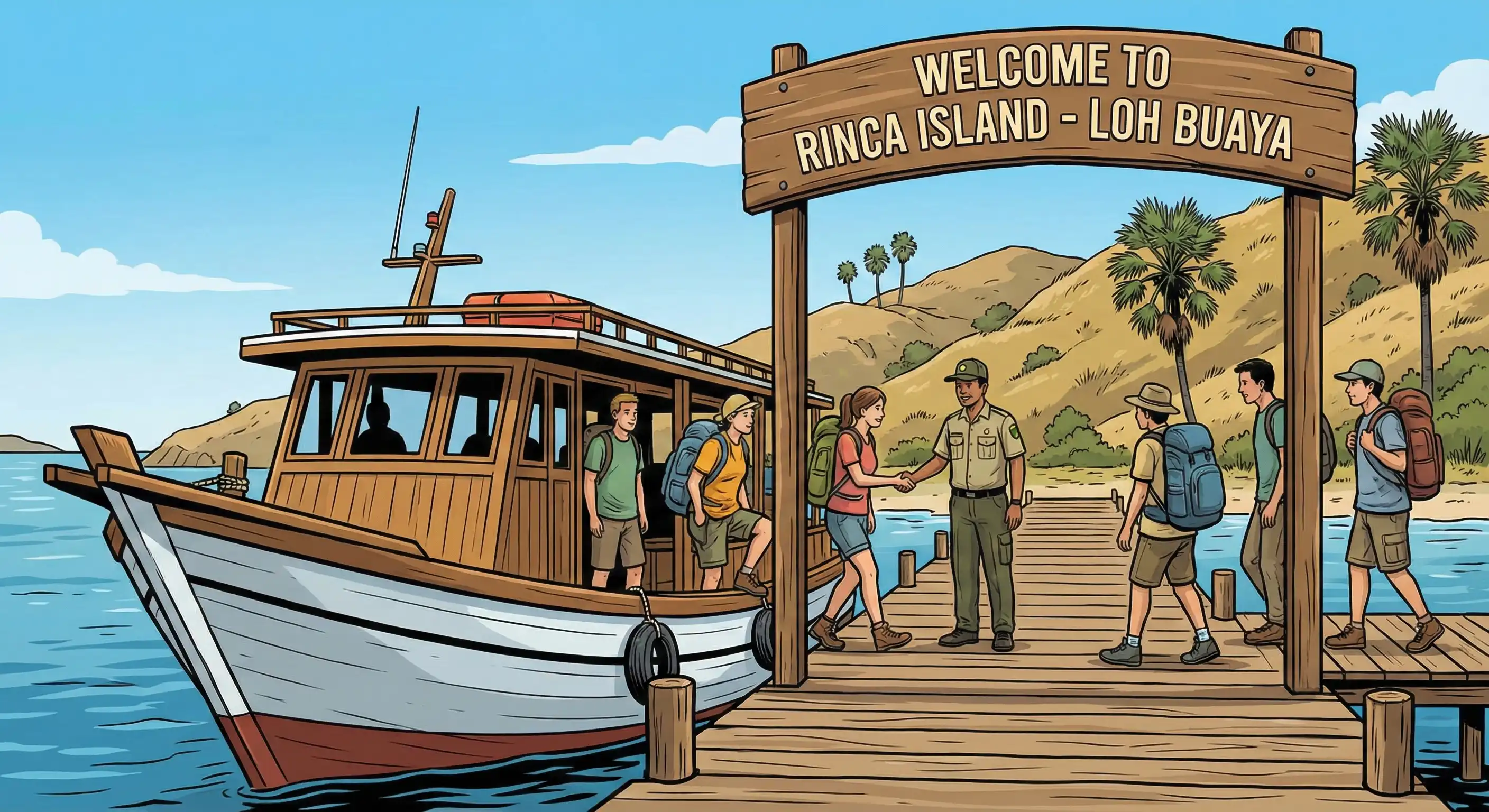
At the Loh Buaya station, where a 3-meter Komodo statue stands out near the pier, guided wildlife viewing starts. Wild dragons commonly hang around in this area, so you can see them right away before the real hikes start.
Komodo Dragon Sightings
Komodo dragons in Rinca have particular hunting adaptations that help them catch deer, wild boars, and water buffalos. They use venomous bites and ambush tactics to do this. These lizards can be as tall as 3 meters (about 10 feet) and weigh more than 70 kilos.
The quality of sightings is greatly affected by seasonal behavior patterns. Dragons assemble around watering holes where prey animals gather during dry months, which makes for the best viewing opportunities. Don't go in June or July when dragons are mating and stay in their nests, which makes it less likely that you'll see them on regular pathways.
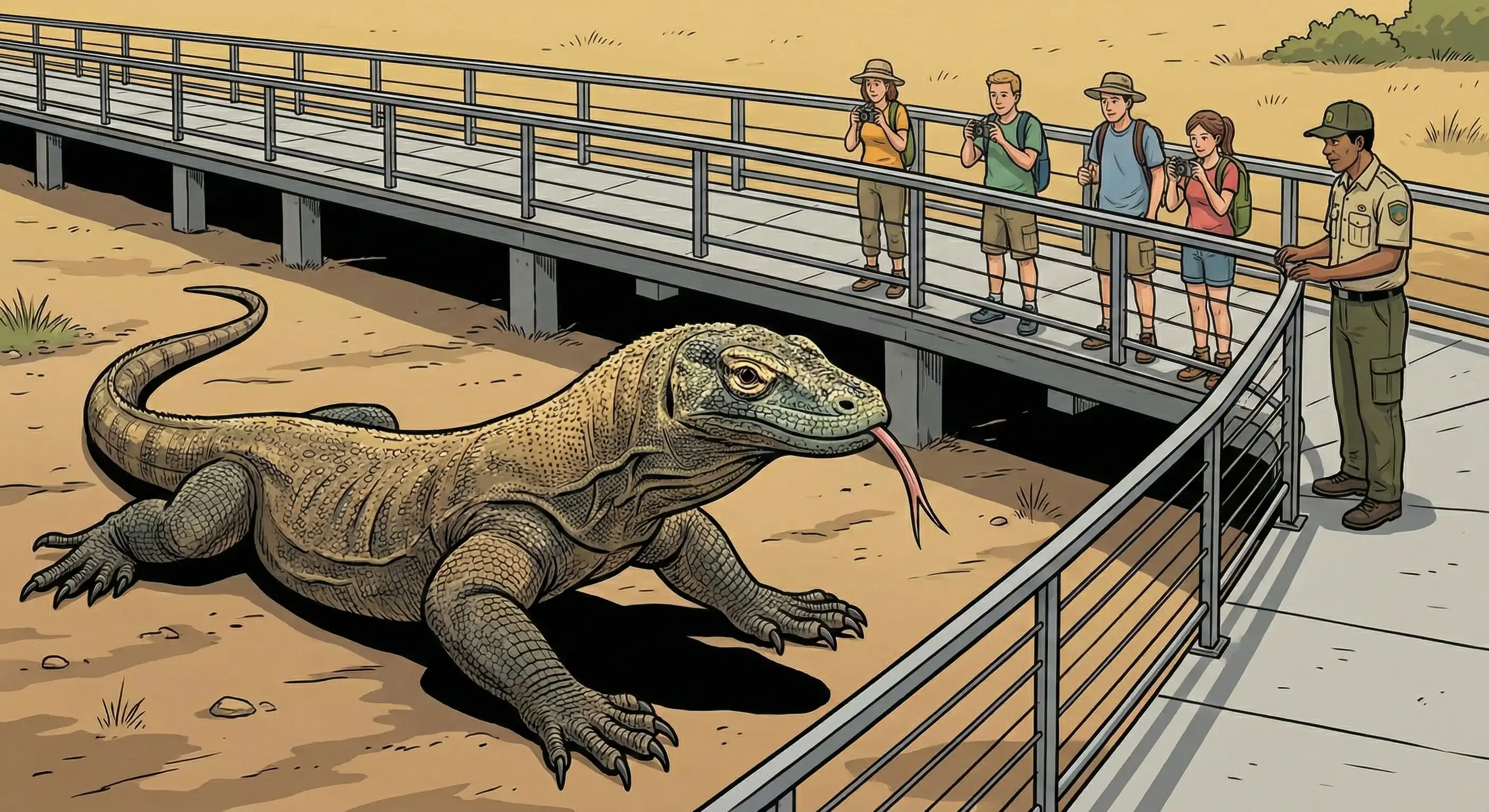
Park rangers make sure that everyone follows the rules on all hikes. Rangers use wooden sticks to keep people away from animals, and they make sure that visitors stay at least 5 meters away from animals. It is against the law to walk alone because dragons have hurt people with their bites and physical strength.
Additional Wildlife Species
Rinca Island has a wide range of environments that are home to a wide range of animals, in addition to the well-known predators.
Large mammals: Wild pigs, Timor deer, and water buffalos all live on the savanna. These are the main animals that dragons hunt.
Birds: The trees and open meadows are home to orange-footed scrubfowl, eagles, and kingfishers. The best time to see birds is in the early morning.
Other animals: Coastal areas are home to crab-eating macaques (monkeys), while the Rinca rat and a few snakes among the island's smaller native species. These animals are part of the ecology that supports the top predators.
Marine Life and Snorkeling
The seas around Rinca Island include amazing underwater adventures at places like Pink Beach and Wainilu. Coral gardens are home to many different kinds of marine life, and during the dry season, visibility can be more than 20 meters.
People who scuba dive and snorkel in the area are getting more and more interested in it, even though sea turtles are seen all the time at known diving spots. Some regions have strong currents, so it's important to have guided snorkeling advice, especially for people who are new to swimming and snorkeling and want to do it safely.
Visiting Rinca Island: Trails and Logistics
You can make the most of your time on this amazing island in Indonesia's best national park by preparing ahead based on what you know about dragon behavior and wildlife distribution.
Trekking Trail Options
Three well-known paths leave from Loh Buaya, each offering a different experience as they go through the many types of land on Rinca Island:
- Short trail (30 minutes): This easy walk suits all fitness levels, covering flat terrain near headquarters where dragons frequently sunbathe. Ideal for families or visitors with limited time seeking guaranteed sightings.
- Medium trail (1 hour): Moderate hill climbing leads to dragon nests and prey interaction zones. The hike reveals the layered ecosystem from coastal meadows to elevated savannas where females lay clutches of up to 20 eggs.
- Long trail (2 hours): Summit routes offer breathtaking views across savannas, beaches, and neighboring islands. This trek covers extensive wildlife areas through hills and mangrove forests, best undertaken at dawn when golden light accentuates the dramatic terrain.
Seasonal Timing Comparison
| Factor | Dry Season (April-November) | Wet Season (December-March) |
|---|---|---|
| Dragon visibility | Excellent—congregate at water sources | Moderate—dispersed across island |
| Trail conditions | Optimal—firm, accessible paths | Challenging—muddy, slippery sections |
| Landscape | Golden savannas, dramatic contrast | Lush greenery, vibrant vegetation |
| Tourist crowds | Higher—peak travel months | Lower—quieter experience |
| Sea conditions | Calmer—smoother boat trip | Rougher—potential delays |
Transportation and Access
Labuan Bajo, the gateway town on Flores that can be reached by plane from Bali and other Indonesian towns, is where the trek to Rinca Island begins. A two-hour boat voyage from Labuan Bajo to Loh Buaya Pier across the strait. Boats usually leave early in the morning so that people can spend more time on the island.
The most typical way to visit is on a day trip, but you can also take multi-day tours on a small boat or liveaboard to see Rinca, Komodo, and Padar Island all at once. Entry fees help pay for conservation work, like anti-poaching patrols that go around the national park.
When you get to Loh Buaya station, you can pay for your park permit and ranger costs. Before going on any hike over the area, all guests must sign up with the rangers.
Common Challenges and Solutions
Most of the questions visitors have are about wildlife, the weather, and where to stay. Taking care of these problems will make your trip more enjoyable.
Limited Dragon Sightings
To enhance your chances of meeting someone, choose the medium or long paths instead of the short stroll. If you leave Labuan Bajo early in the morning, you'll be at Loh Buaya when the dragons are most active.
During the mating season in June and July, dragons stay close to their hidden nests, which makes it far less likely that you will see them on regular routes. For the best animal viewing, plan your trips outside of these months.
Weather and Trail Conditions
The savanna climate on Rinca Island means that the sun shines on it a lot all year round. Bring strong hiking boots, sunscreen, and lots of water. Rangers say that heat fatigue is a typical problem for visitors on longer routes.
The greatest trail conditions are guaranteed throughout the dry season, which runs from April to November. During the wet season, paths through thick forests and hills become slippery and hard to walk on. However, the lush scenery makes for great shooting opportunity.
Accommodation Logistics
You can't stay overnight on Rinca Island, so you'll need to plan where to stay in Labuan Bajo or nearby islands or on a liveaboard boat. There are many places to stay, from the Komodo Resort for luxury guests to the Meruorah Labuan Bajo for mid-range accommodation in Labuan Bajo. For budget travelers, there is also the Laprima Hotel.
Liveaboard boats let you go on multi-day trips that include excursions to Rinca, Komodo, and Pink Beach. This means you don't have to switch boats every day, and you can spend more time exploring the three major islands in the park.
Conclusion and Next Steps
Rinca Island has what many tourists want from the famous Komodo region: real-life experiences with the biggest lizard species in a less crowded area than nearby Komodo Island. This place has the most dragons in the national park and is easy to get to by foot, so it's worth going for people who are ready to walk off the beaten path.
Immediate planning steps:
- Book Labuan Bajo accommodation aligned with your budget and arrival dates
- Arrange boat transport through licensed operators or tour agencies
- Confirm current park permit requirements and entry fees
- Select your preferred trek duration based on fitness level and wildlife priorities
You may add Padar Island to your trip for its famous viewpoint walk, or you could compare your dragon experiences by going to Komodo Island itself. For those who want to observe both marine and land animals, Pink Beach is a great place to go snorkeling.
Additional Resources
Niang Komodo Museum: Located near Labuan Bajo, this facility provides educational context about dragon biology and conservation efforts. A souvenir shop offers t-shirts and locally-made crafts supporting nearby small fishing village communities.
Tour operators: Multiple licensed companies operate from Labuan Bajo but for the best trips it is recommend to stay at Komodo Resort and perform the trips from there.
Park fee structure: International visitors pay entrance fees covering conservation programs and ranger services. Current rates are available through the Komodo National Park Authority (BTPN), with updates published on official Indonesian tourism portals. Contact local people at tourism offices in Labuan Bajo for the most current information on interesting things to experience during your group adventure.