
Packing for Komodo is not like packing for a typical beach holiday. You will trek volcanic hills in 35-degree heat, snorkel over coral reefs in strong currents, transfer between boats in choppy water, and sleep on anything from a liveaboard cabin to a resort overlooking the Flores Sea, sometimes all in the same trip. The wrong gear means sunburn, blisters, a dead phone, or a ruined camera. The right gear means you can focus on the manta rays, the dragons, and the sunsets instead of the logistics.
This guide covers exactly what to pack for a Komodo trip in 2026, organised by category and adapted for day trips, multi-day liveaboards, and resort stays. We have been based inside Komodo National Park for over a decade. These recommendations come from real experience, not guesswork.
Clothing: Light, Quick-Dry, and Versatile
Komodo's climate is hot, humid, and sunny year-round, with temperatures between 26°C and 35°C. You will get wet: from the sea, from sweat, and from boat spray. Every item of clothing should be lightweight, quick-drying, and versatile enough to go from boat to trail to dinner.
The Essentials
- 3–4 quick-dry t-shirts or tank tops: synthetic or merino blends dry in hours; cotton stays damp and heavy all day.
- 2–3 pairs of shorts: lightweight hiking shorts with pockets work best for both trekking and boat life.
- 1 long-sleeve UV-protection shirt (UPF 50+): essential for snorkeling sessions that last over an hour. Protects against sunburn and jellyfish.
- 1 pair of lightweight long trousers: for evening wear on the boat and protection against mosquitoes at dusk.
- 2–3 swimsuits: rotate so one is always dry. If you are diving or snorkeling daily, you will go through these.
- 1 light jacket or windbreaker: boat decks get breezy in the early morning and after sunset, especially during the dry season (April–October).
- 1 sarong or cover-up: multipurpose: beach blanket, shade, towel, or modest cover for visiting local villages on Flores.
What NOT to Wear
- Denim or heavy cotton: takes forever to dry and is uncomfortably hot in tropical humidity.
- Bright colours or shiny accessories: can attract the attention of Komodo dragons during treks. Stick to neutral tones.
- Formal clothing: even the nicest restaurants in Labuan Bajo are casual. Leave the dress shoes at home.
Footwear: Three Pairs Cover Everything
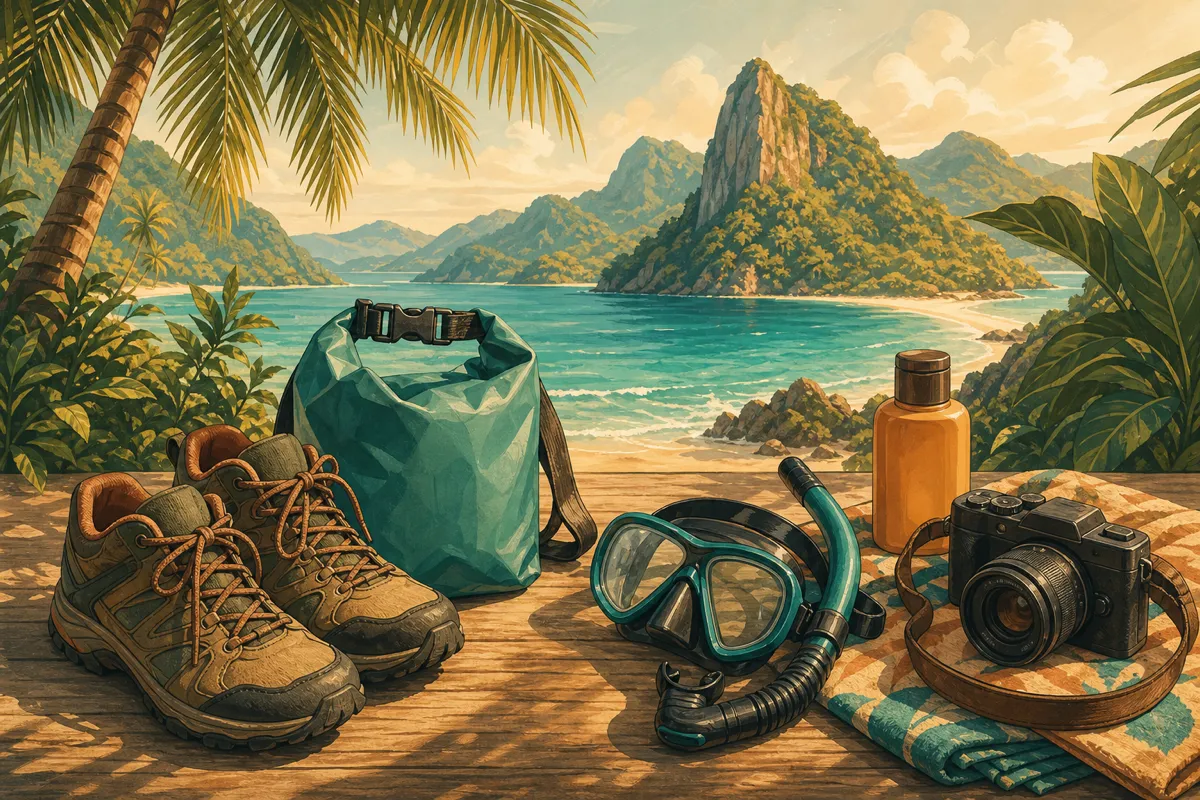
Komodo terrain ranges from sandy beaches to rocky coral shores to steep volcanic trails. You need three types of footwear:
| Type | When You Need It | Recommendation |
|---|---|---|
| Sturdy hiking shoes or trail runners | Padar Island sunrise trek, Komodo/Rinca dragon treks, Gili Lawa hike | Ankle support, good grip, broken in before the trip |
| Water shoes or sport sandals with straps | Rocky beach landings, getting on/off boats, shallow reef walking | Closed-toe water shoes or Teva/Chaco-style sandals |
| Flip-flops or slides | Boat deck, resort, town | Any comfortable pair for downtime |
Important: Do not attempt the Padar Island hike in flip-flops. The trail is steep, dusty, and slippery in sections. Proper shoes with grip are essential for safety.
Sun Protection: Non-Negotiable in the Tropics
The equatorial sun in Komodo is intense, and you will be exposed to it for hours, on boat decks, during treks, and while snorkeling. Sunburn can ruin a trip faster than almost anything else.
- Reef-safe sunscreen (SPF 50+): mineral-based (zinc oxide or titanium dioxide). Chemical sunscreens damage the coral reefs you are snorkeling over. Bring at least two bottles; you will use more than you think.
- Wide-brimmed hat with chin strap: essential for exposed treks on Padar and Rinca Island. A chin strap keeps it on during boat transfers.
- Polarised sunglasses with retainer strap: reduces glare on the water and protects your eyes. A retainer strap prevents losing them overboard.
- Lip balm with SPF: often forgotten, always needed.
- After-sun lotion or aloe vera: for the inevitable spots you miss with sunscreen.
Snorkeling and Diving Gear
Most tour operators and liveaboards provide basic snorkeling equipment (mask, snorkel, fins). However, bringing your own ensures a better fit, cleaner hygiene, and a more comfortable experience, especially if you snorkel multiple times per day.
Snorkelers
- Your own mask and snorkel: a well-fitting mask that does not leak makes the biggest difference underwater. Test it before you travel.
- Reef-safe rash guard: UPF 50+ protection for extended sessions. Also protects against jellyfish stings.
- Fins (optional): most operators provide these, but your own will fit better. Full-foot fins work for most sites; open-heel with booties are better for rocky entries.
Divers
- Dive certification card and logbook: required to dive. Bring physical and digital copies.
- 3mm to 5mm wetsuit: water temperatures range from 24°C to 29°C depending on location and season. South Komodo sites (Cannibal Rock, Torpedo Alley) can drop to 22°C due to cold upwellings. A 5mm suit is recommended for southern dives.
- Dive computer: most operators have rental units, but your own is always preferred for safety and familiarity.
- Personal regulator and BCD (optional): worth bringing if you dive frequently and prefer your own equipment. Keep weight in mind for baggage limits.
- SMB (Surface Marker Buoy): Komodo's currents are strong. Carrying your own SMB is a good safety practice.
For a full guide to Komodo's dive sites and conditions, see our Komodo Dive Sites guide.
Electronics and Photography
Komodo is one of the most photogenic destinations on Earth, above and below the water. But the marine environment is harsh on electronics: salt spray, humidity, sand, and water are constant threats.
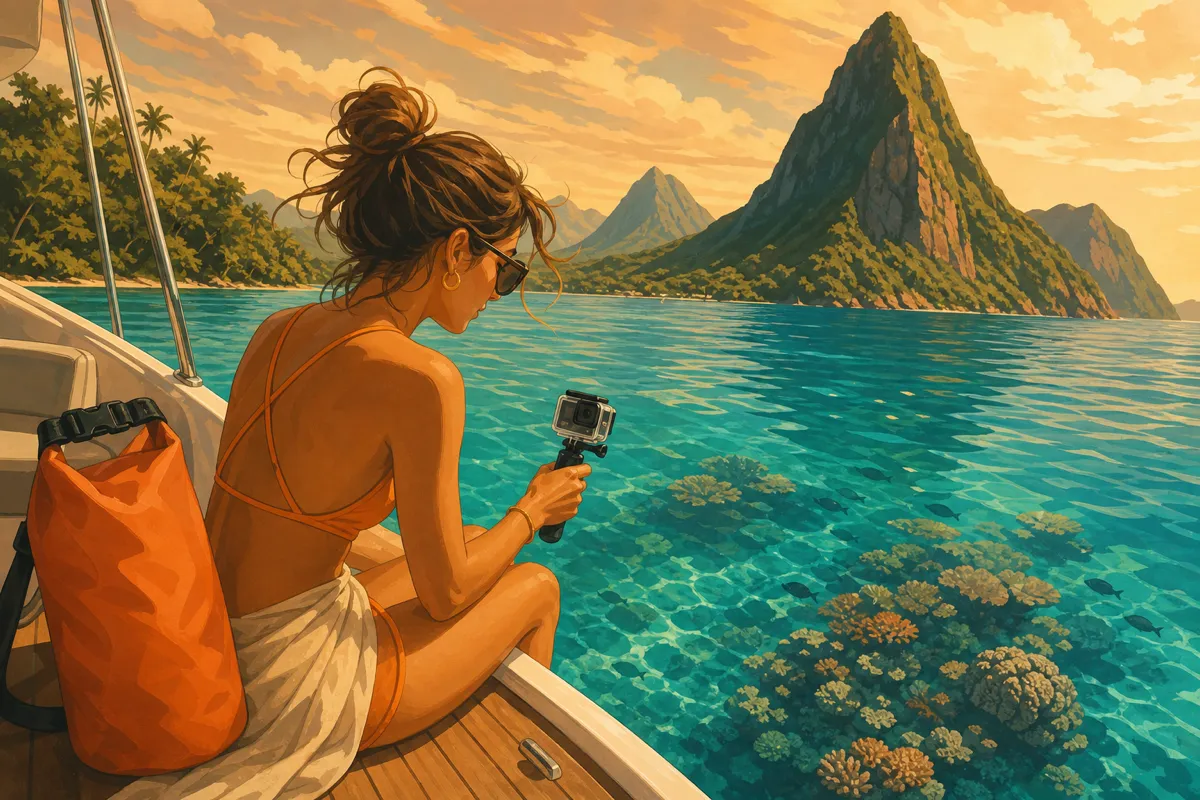
- Waterproof camera or GoPro: essential for underwater shots. The coral reefs, manta rays, and sea turtles are the highlight for most visitors. A GoPro Hero or equivalent is compact and handles both photo and video well.
- Waterproof phone case or pouch: protects your phone during boat transfers and beach landings. Test for leaks before the trip.
- Dry bag (20L): the single most important accessory for protecting electronics. Use it during every boat transfer and shore landing. A roll-top dry bag is cheap, lightweight, and can save thousands of dollars in gear.
- Power bank (20,000mAh+): charging access on boats is often shared or limited. A high-capacity power bank keeps your phone and camera alive for the full trip.
- Universal adapter: Indonesia uses Type C and F plugs (European-style, 230V). Bring an adapter if travelling from outside Southeast Asia.
- Extra memory cards and batteries: you will shoot far more than expected. Bring at least 64GB of extra storage.
- Microfibre lens cloth: salt spray on camera lenses is constant. A dedicated cloth keeps your shots clear.
Health and First Aid
Komodo National Park is remote. The nearest hospital is in Labuan Bajo, and it is a basic facility. During a liveaboard trip, you are hours from shore. Pack a personal first-aid kit and any medication you depend on.
- Motion sickness medication: the boat ride from Labuan Bajo to the park can be choppy, especially in the afternoon and during the wet season. Take Dramamine or ginger tablets before you feel sick, not after.
- Personal prescription medications: bring more than you need in case of delays. Keep in original packaging with a copy of the prescription.
- Basic first-aid kit: bandages, antiseptic wipes, blister plasters, ibuprofen, anti-diarrhoea tablets.
- Insect repellent (DEET 30%+): mosquitoes are active at dusk, especially around the islands and in Labuan Bajo.
- Electrolyte sachets: dehydration is common in tropical heat, especially after trekking. Mix with water and drink throughout the day.
- Hand sanitiser: bathrooms on boats and in the park are basic.
- Reef-safe biodegradable soap and shampoo: many liveaboards drain grey water near reefs. Using eco-friendly products helps protect the marine environment.
Documents, Money, and Logistics
- Passport: valid for at least 6 months beyond your travel date. Required for park entry registration (foreigners) and domestic flights.
- Printed and digital copies of bookings: flight confirmations, hotel reservations, tour/liveaboard bookings. Mobile signal is unreliable in the park.
- Dive certification card: physical card plus a photo on your phone.
- Cash in Indonesian Rupiah (IDR): ATMs exist in Labuan Bajo but can be unreliable during peak season. Withdraw enough cash in Bali or at the airport before you arrive. Many park vendors, tips, and small purchases are cash-only.
- Travel insurance documents: ensure your policy covers diving (if applicable), boat travel, and medical evacuation. Keep a printed copy separate from your digital version.
Packing by Trip Type
What you pack depends on how you are visiting Komodo. Here is how to adjust the list above for three common trip types:
| Item | Day Trip | Liveaboard (2–4 nights) | Resort Stay |
|---|---|---|---|
| Clothing changes | 1 outfit + swimwear | 3–4 outfits + 2–3 swimsuits | 4–5 outfits + 2–3 swimsuits |
| Footwear | Hiking shoes + flip-flops | All three types | All three types |
| Dry bag | Essential | Essential | Useful for excursions |
| Power bank | Yes | Essential (limited charging) | Less critical (room outlets) |
| Wetsuit | Optional | Recommended for divers | Provided by dive centre |
| Luggage type | Daypack only | Soft duffel (no hard cases) | Any luggage |
| Motion sickness meds | Recommended | Essential | For excursion days |
Liveaboard tip: cabin space on boats is limited. Pack in a soft duffel bag or backpack. Rigid suitcases are difficult to store and impractical on deck. Keep your luggage compact and versatile.
What NOT to Bring
Equally important is knowing what to leave behind. These items are either prohibited, impractical, or harmful in Komodo National Park:
- Single-use plastics: the park enforces a plastic ban. Bring a reusable water bottle; most operators provide refill stations.
- Drones without a permit: flying a drone inside Komodo National Park requires advance approval from BTNK (the park authority). Processing takes up to 3 days. Flying without a permit results in confiscation and fines.
- Strong perfumes or scented products: Komodo dragons have an extremely powerful sense of smell. Strong scents can attract their attention during treks.
- Expensive jewellery or valuables: high risk of loss during water activities. Leave them in your hotel safe.
- Bulky or heavy luggage: you will transfer between boats, cars, and docks multiple times. Travel light.
- Chemical sunscreen: oxybenzone and octinoxate damage coral reefs. Use mineral-based alternatives only.
Quick-Reference Packing Checklist
| Category | Items |
|---|---|
| Clothing | 3–4 quick-dry tops, 2–3 shorts, 1 UV shirt, 1 long trousers, 2–3 swimsuits, 1 light jacket, 1 sarong |
| Footwear | Hiking shoes, water shoes/sport sandals, flip-flops |
| Sun protection | Reef-safe SPF 50+, wide-brim hat, polarised sunglasses, lip balm with SPF, after-sun |
| Snorkel/dive | Mask, snorkel, rash guard, fins (optional), wetsuit (divers), cert card |
| Electronics | GoPro/waterproof camera, dry bag, power bank, adapter, memory cards, lens cloth |
| Health | Motion sickness meds, first-aid kit, prescriptions, insect repellent, electrolytes, hand sanitiser |
| Documents | Passport, booking confirmations, dive cert, cash (IDR), travel insurance |
| Do NOT bring | Single-use plastic, drones (without permit), chemical sunscreen, heavy luggage, jewellery |