Komodo Diving Conditions
A year-round look at Komodo water temperature, visibility, and currents, plus how we read the strait so you pick the best time to dive Komodo for the experience you want.
Why it matters
Reading Komodo’s Ocean Before You Arrive
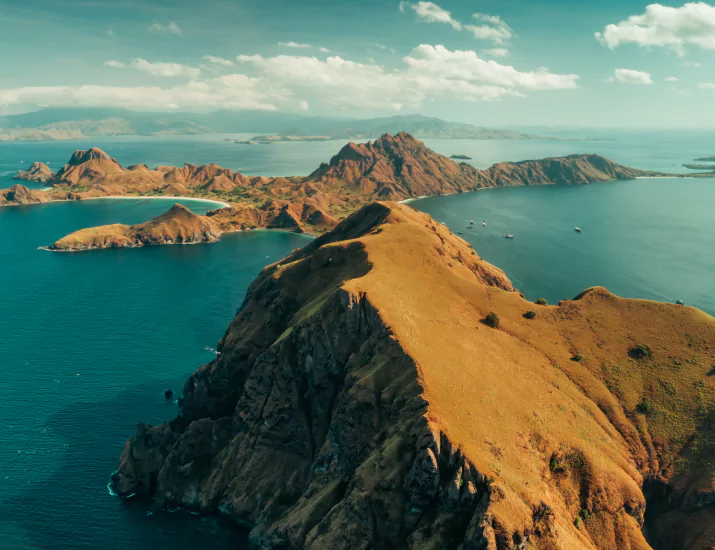
Komodo National Park sits in a narrow strait between two big bodies of water, so tides do real work here. Understanding Komodo diving conditions helps you match expectations to reality: when visibility is likely to pop, when manta rays stack on cleaning stations, and when we lean toward sheltered bays for training dives.
We share daily briefings at our PADI 5-Star Komodo dive center, but this guide is the long view. Use it to choose your month, pack the right exposure protection, and feel confident about Komodo water temperature and currents before you step on the boat.

Seasons at a glance
Komodo Diving Season Overview
There is no closed season for diving here, only different moods of the same incredible park. We group the year into three practical buckets we use when we talk about the best time to dive Komodo for your goals.
Dry Season (Apr to Nov)
Traditionally calmer seas, less rain on the crossing from Labuan Bajo, and the widest visibility swings in our favor on northern sites. This is the window most travelers picture when they ask about peak Komodo diving conditions.
Wet Season (Dec to Mar)
More plankton in the water can trim visibility, yet that same productivity powers manta migrations and soft coral growth. We trade a little blue water for some of the busiest manta cleaning action of the year.
Shoulder Months (Mar, Nov)
Transition months when the strait is changing gear. On a lucky week you can get dry-season clarity with early or late manta activity, fewer boats than midsummer, and a nice balance for photographers.
Month by month
Komodo Diving Conditions Calendar
Use this table as a planning compass for Komodo water temperature and visibility. Local wind and tide still write the final story each morning, but these ranges match what we see season after season.
| Month | Water Temp | Visibility | Current | Highlights | Recommended | Best For |
|---|---|---|---|---|---|---|
| January | 28°C | 10–15m | Moderate | Manta migration season | Manta-focused itineraries, fewer liveaboards in port | |
| February | 28°C | 10–15m | Moderate | Manta migration season | Large manta gatherings, moody skies and lush topside | |
| March | 29°C | 15–20m | Moderate | Visibility improving | Transition month, mix of mantas and clearer water | |
| April | 29°C | 20–25m | Moderate | Dry season begins | Balanced conditions, great for first Komodo trip | |
| May | 28°C | 20–30m | Moderate | Peak visibility window | Wide-angle photography, long blue-water shots | |
| June | 27°C | 20–25m | Variable | Mantas in the south | Pelagic action, south park routes opening up | |
| July | 26°C | 15–25m | Variable | Strong seasonal currents | Sharks, trevallies, classic Komodo adrenaline | |
| August | 25°C | 15–25m | Variable | Pelagic-heavy dives | Advanced drift lovers, big fish in the blue | |
| September | 25°C | 15–25m | Variable | Reliable big-fish sites | Consistent diving, still busy but worth it | |
| October | 26°C | 20–25m | Moderate | Excellent all-round | Calmer seas returning, top visibility again | |
| November | 27°C | 15–20m | Moderate | Manta migration builds | Shoulder season value, mantas coming north | |
| December | 28°C | 10–20m | Moderate | Manta migration season | Holiday trips, manta-first planning |
April to October: strongest all-round Komodo diving conditions
January to March and November to December: manta-forward season
Under the surface
Water Conditions Deep Dive
Beyond Komodo water temperature on a gauge, these are the four ideas we return to in every briefing when guests ask how Komodo diving conditions actually feel on the reef.
Temperature
Expect roughly 24°C to 30°C depending on depth, site, and season. The south can run cooler when deeper water slides up the slope. We plan repetitive dives and safety stops knowing you may cross a thermocline mid profile, not just at the surface.
Visibility
In practice we often see 10 to 30 meters of horizontal view. Dry season months frequently sit at the high end on northern pinnacles. Wet season plankton can soften the horizon, yet subjects pop with richer color and more pelagic traffic.
Currents
The Komodo Strait behaves like a giant pump. Tidal exchange between the Flores Sea and the Savu Sea pushes water through narrow passages, bending around islands and pinnacles. We use that flow for effortless drifts instead of swimming upstream.
Thermoclines
A thermocline is a thin layer where water temperature changes quickly. In Komodo you may feel it as a cool ribbon at depth, often in the south or on wall dives. It is normal, not a sign of trouble, and we adjust profiles and warmth accordingly.
Site by site
Current Guide by Dive Site
Same park, different personalities. We match Komodo diving conditions to each site so you experience the highlight safely, from gentle macro slopes to full strait adrenaline.
| Site | Typical Current | Best Tidal Window | Notes |
|---|---|---|---|
| Batu Bolong | Variable, often strong | Slack or gentle exchange, site-specific window | Tiny pinnacle, we time the dive tightly with tide so you hook or drift safely along one face. |
| Castle Rock | Strong, channel-fed | Often mid incoming in the north when the exchange is organized | Fish stacks up when the water moves, expect blue water and schooling action. |
| Crystal Rock | Strong, similar to Castle | Paired with Castle on many schedules, same tidal logic | Same shark and pelagic action as Castle Rock, clear water when the tide is right. |
| Manta Point | Mild to moderate | Slack or rising tide often best for cleaning stations | We prioritize manta behavior over punching current, patience wins here. |
| Siaba Besar | Mild | Flexible, sheltered turtle city | Beginner-friendly, macro sessions without fighting the strait. |
| Shotgun | Very strong when firing | Specific tidal shoot windows only | Advanced profile, listen to the briefing and enjoy the ride along the channel wall. |
| Tatawa Besar | Moderate drift | Mid tide drift along the slope | Long graceful drifts, turtles on the ledges, good when you want flow without extremes. |
| Cannibal Rock | Mild to moderate | More flexible in Horseshoe Bay | Both large pelagics and macro critters, currents usually manageable in the sheltered bay. |
Gear
What to Bring for Komodo Diving Conditions
We rent quality kits at the dive center, but experienced guests often prefer their own suit and accessories tuned to how they feel in Komodo water temperature across a full diving day.
Dry Season Gear
- 3mm full suit or shorty for most northern dives, 5mm if you chill easily on repetitive days.
- Surface marker buoy and reel for drift exits and boat spotting in busy channels.
- Reef hook or line cutter as discussed in briefing, only used where guides approve.
- Wide-angle setup for sunlit reefs, polarizing filter topside for boat shots between dives.
Wet Season Gear
- 3mm full suit still makes sense for long manta sessions and cooler thermoclines.
- SMB mandatory mindset, low viz can arrive faster when plankton spikes.
- Strobes or video lights to punch color through greener water on macro dives.
- Rain shell for the boat ride, keep housings dry between dives in afternoon squalls.
Plan around your priority
Best Time to Dive Komodo by Interest
When guests ask for the single best time to dive Komodo, we first ask what you want most. These shortcuts line up common goals with the months we trust from experience.
November to February
Best for Mantas
Cleaning stations fire up when plankton-rich water rolls in. We plan Manta Point and south routes around tide, not just the calendar.
June to September
Best for Sharks
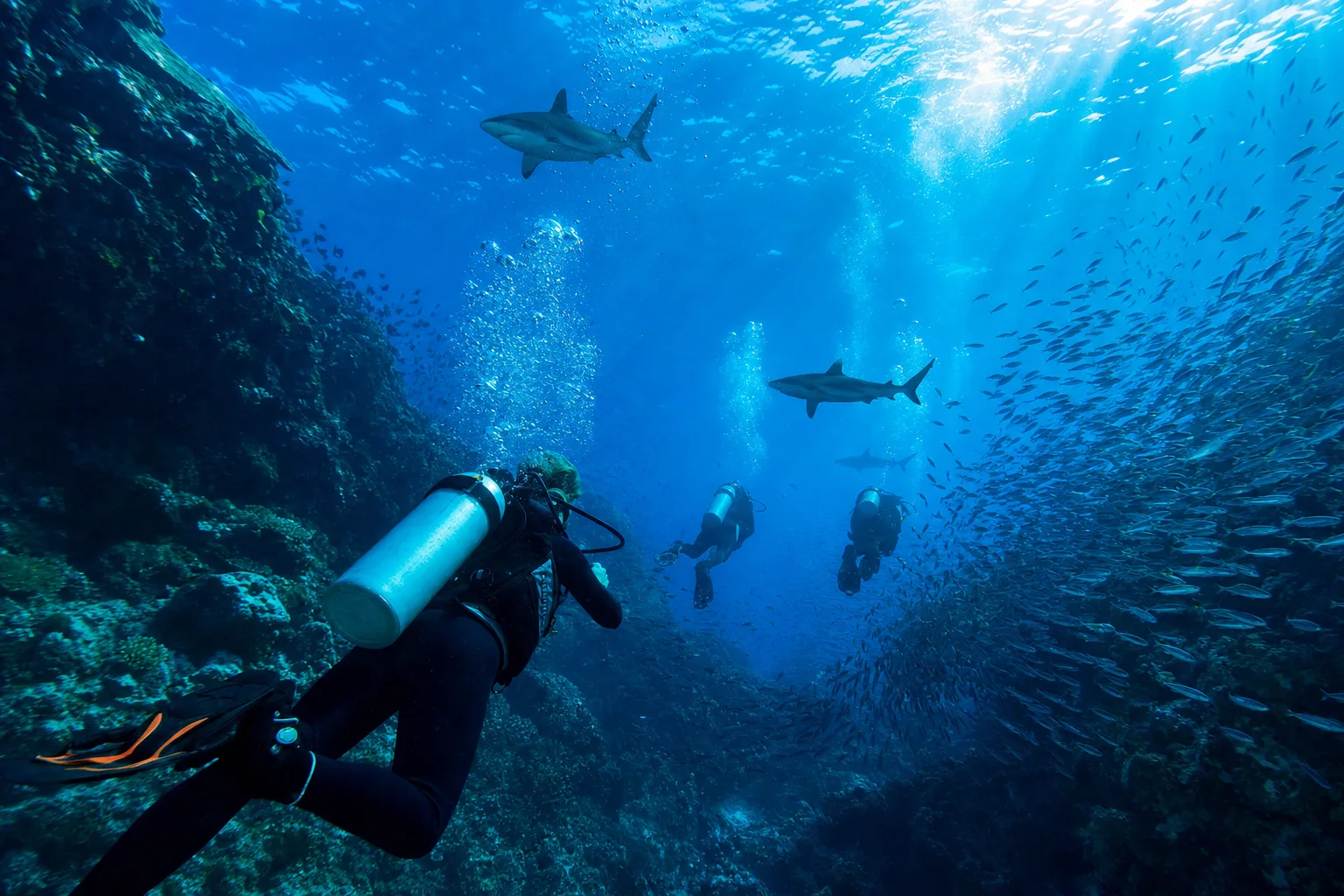
Strong exchange pulls nutrients past Castle Rock, Crystal Rock, and Shotgun, stacking trevallies and reef sharks in the water column.
April, May, and October
Best Visibility
Classic blue water months on northern pinnacles, ideal for portfolio shoots and long sight lines across the strait.
April to June and October
Best for Beginners
We pair gentler surface intervals with sites like Siaba Besar and sheltered slopes while you build confidence before bigger drifts.

Start your adventure
Ready to Dive Komodo?
Stay with us on Sebayur Island or join a liveaboard leg when you want south park days. We will read Komodo diving conditions with you each morning and pick the right site.
FAQ
Komodo Diving Conditions Questions
What is the best month for Komodo diving conditions?
If you want the classic Komodo diving conditions story, we steer most guests toward April to October for calmer seas, predictable boat days, and often 20 to 30 meter visibility. If mantas are your priority, we love November to February for heavy manta activity at cleaning stations, with the trade-off of greener water and more rain topside. March and November can feel like the best of both worlds when the weather lines up.
What is Komodo water temperature during the year?
Surface water in Komodo National Park usually sits between about 24°C and 30°C depending on site and season. The warmest months often align with the wet season, while the coolest readings often appear in the south when deeper water upwells. A thermocline can suddenly drop a few degrees, so we plan exposure protection for a range, not a single number.
What wetsuit should I bring for Komodo?
We typically dive in a 3mm full suit or shorty for most northern sites during the dry season. If you run cold or plan repeated south park dives, pack a 5mm or add a hooded vest for thermoclines. In the wet season the water feels warm, but longer dives and wind after surfacing still make a thin full suit comfortable.
Are Komodo currents dangerous?
Komodo currents are powerful when they want to be, but they are not random. We read tide tables, watch the moon phase, and lean on years of local knowledge to place you on the right site at the right time. When conditions are out of range for your certification or comfort, we change the plan. Respect the water, carry an SMB, and follow your guide, and the currents become part of the fun.
What visibility should I expect in Komodo?
On strong visibility days in the dry season we often see 25 to 30 meters on northern sites. During the wet season, plankton and river outflow can reduce that to 10 to 15 meters, especially near the coast, yet that same richness feeds mantas and soft corals. We set expectations daily based on what the strait is doing, not a brochure average.
Is rainy season a bad time to dive Komodo?
Rain mostly affects the boat ride and topside photos, not whether the fish show up. We still run daily trips in December to March, and some of our most memorable manta dives happen in those months. If you can accept occasional chop and afternoon showers, you trade a bit of visibility for unforgettable manta action and quieter sites.
Explore more
Related Komodo Diving Pages

Komodo Diving
Our full guide to diving Komodo National Park, sites, and how we run trips from the resort.
Learn More
Komodo Dive Sites
Maps, depths, and what makes each flagship site special before you pack your fins.
Learn More
Marine Life Guide
From mantas to pygmy seahorses, the species we see and where we most often find them.
Learn More