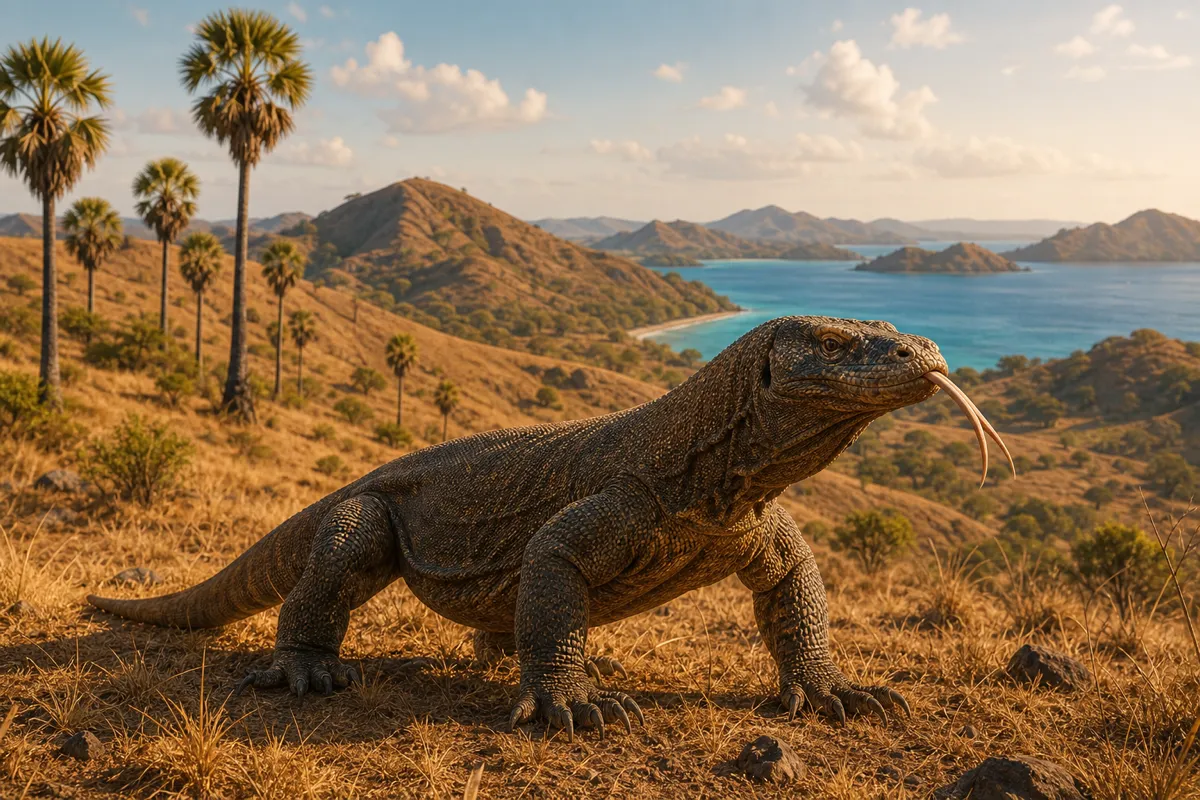
Choosing a Komodo liveaboard is one of the biggest decisions you will make when planning a dive trip to Indonesia. The options range from budget boats with shared cabins and basic diving to luxury phinisi vessels with private suites, personal dive guides, and gourmet kitchens. Prices vary from USD 150 per night to well over USD 500 per night. Trip lengths range from 3 days to 10 days. And the itinerary you choose determines which of Komodo's 50-plus dive sites you will actually see.
This guide cuts through the marketing and explains what actually matters when choosing a Komodo liveaboard: how much it costs, what you get for the price, what a typical day on board looks like, which itinerary covers which dive sites, and the red flags that separate a great trip from a disappointing one.
What Is a Komodo Liveaboard?
A Komodo liveaboard is a multi-day boat trip through Komodo National Park where you live, eat, sleep, and dive from the vessel. Instead of returning to shore each evening, you anchor at a different location each night, waking up directly at the next dive site. This means more time in the water, access to remote sites that day trips cannot reach, and a pace of life that revolves entirely around diving, snorkeling, and exploring the islands.
All Komodo liveaboard trips depart from and return to Labuan Bajo, the gateway town on the western tip of Flores. The national park spans over 1,700 square kilometers of marine-protected waters, and a liveaboard is the only practical way to cover it all.
How Much Does a Komodo Liveaboard Cost?
Komodo liveaboard prices in 2026 fall into three broad tiers. Understanding what each tier includes helps you decide where to spend your money.
Budget: USD 150 to 250 per Night
Budget liveaboards typically offer shared cabins (2 to 4 bunks), basic but functional bathrooms, Indonesian-style meals, and group diving with larger ratios (6 to 8 divers per guide). The boats are generally smaller wooden vessels or older converted fishing boats. Equipment rental is usually extra, nitrox is rarely available, and air conditioning may be limited to cabins only.
Budget trips work well for experienced divers who are comfortable in currents, bring their own equipment, and prioritize dive time over comfort. They are not ideal for beginners or non-divers, as the focus is almost entirely on diving.
Mid-Range: USD 250 to 400 per Night
Mid-range liveaboards offer the best value for most divers. Expect private or semi-private cabins with en-suite bathrooms, air conditioning throughout, a mix of Western and Indonesian cuisine, smaller dive groups (4 to 6 divers per guide), and better-maintained equipment for rental. Many mid-range boats are traditional phinisi vessels that have been purpose-built or extensively refitted for diving.
This tier typically includes a dedicated dive deck with individual gear stations, camera rinse tanks, nitrox availability, and a sun deck for relaxation between dives. Non-diving activities like guided snorkeling and land excursions are usually included.
Luxury: USD 400 to 600+ per Night
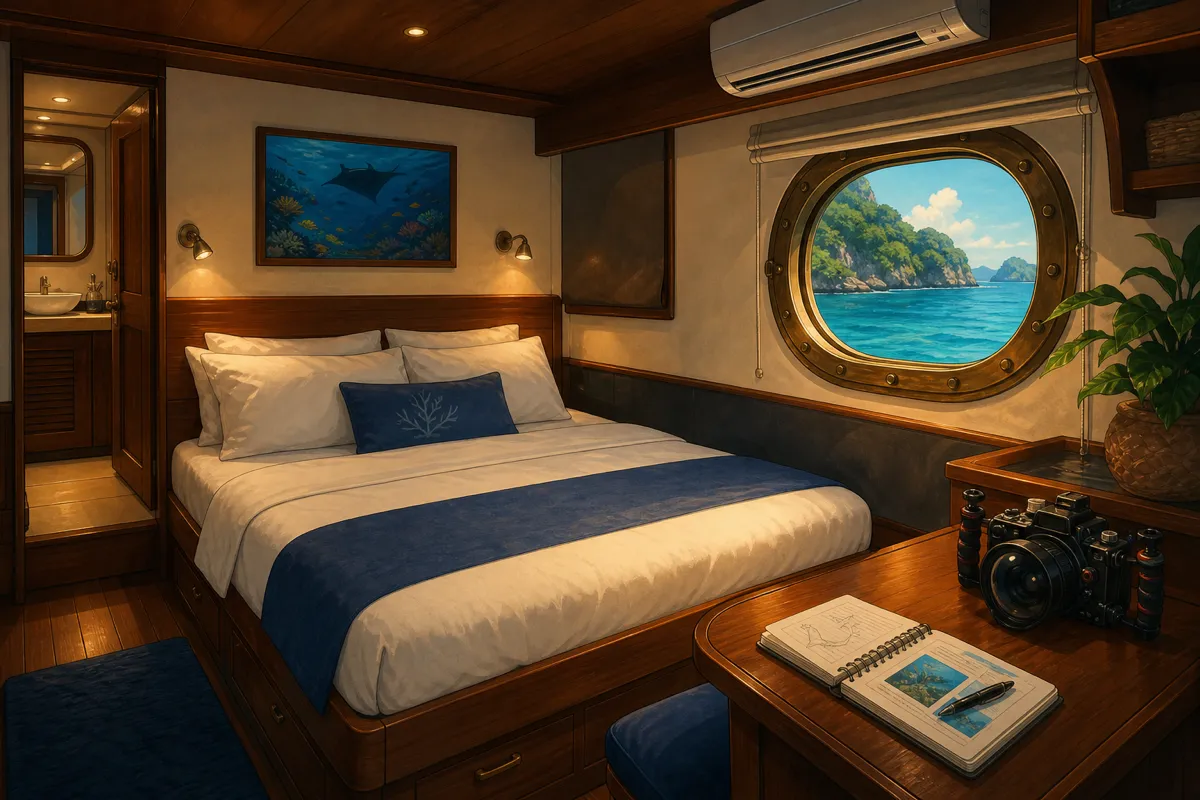
Luxury Komodo liveaboards offer private cabins with premium bedding and large windows or portholes, spacious common areas, a professional kitchen serving multi-course meals, a full bar, spa treatments, and a very low diver-to-guide ratio (2 to 4 divers per guide). Some luxury vessels offer private dive guides, underwater photography services, and custom itineraries.
At this level, the experience extends well beyond diving. The vessels are floating boutique hotels, and the service standards match high-end resorts. These trips appeal to experienced divers who want world-class diving combined with exceptional comfort, and to couples or groups where some members dive and others prefer snorkeling, spa, and relaxation.
What Is Typically Included?
| Item | Budget | Mid-Range | Luxury |
|---|---|---|---|
| Cabin | Shared (2-4 bunks) | Private / semi-private | Private suite |
| Meals | Indonesian style, 3/day | Mixed cuisine, 3/day + snacks | Multi-course, chef-prepared |
| Dives per day | 3 | 3 to 4 | 3 to 4 (flexible) |
| Dive guide ratio | 1:6 to 1:8 | 1:4 to 1:6 | 1:2 to 1:4 |
| Equipment rental | Extra | Often included | Included |
| Nitrox | Not available | Available (extra or included) | Included |
| Park fees | Extra | Sometimes included | Usually included |
| Drinks | Water, tea, coffee | Soft drinks included, alcohol extra | Full bar included |
| Land excursions | Basic dragon trek | Dragon trek + Padar + Pink Beach | Full excursion program |
| Towels & toiletries | Basic towel | Full set | Premium amenities |
What Is Usually Not Included?
Regardless of the tier, the following are typically charged separately:
- Komodo National Park entrance fees: IDR 150,000 to 350,000 per person per day (higher on weekends and holidays). Some luxury operators include this in the price.
- Crew gratuities: USD 10 to 15 per person per day is customary.
- Dive insurance: DAN or similar coverage is strongly recommended and your responsibility.
- Flights to Labuan Bajo: Not included in any liveaboard package.
Trip Lengths: 3-Day, 4-Day, or 7-Day?
The length of your Komodo liveaboard trip determines how much of the park you will see and how relaxed the pace will be.
3-Day / 2-Night Trips
The shortest option covers the central and northern dive sites of Komodo: Batu Bolong, Crystal Rock, Castle Rock, and one or two additional sites. You will get 6 to 8 dives total and a land excursion to see Komodo dragons. This is a good introduction but feels rushed, and you will not reach the southern manta sites.
4-Day / 3-Night Trips (Most Popular)
The most popular option and the best balance of coverage, cost, and pace. A 4-day itinerary typically covers the central and northern sites plus extends south to Horseshoe Bay or Manta Alley. You will get 9 to 12 dives, visit Padar Island, Pink Beach, and do a dragon trek on Rinca Island or Komodo Island. The pace allows for 3 dives per day with time to relax between them.
6 to 7-Day Trips
Extended trips cover the entire park from north to south, including remote southern sites that shorter trips cannot reach. You will get 15 to 20 dives, spend multiple days in the south where manta ray encounters are most likely (especially December to March), and have more time at each dive site to wait for optimal current conditions. These trips are ideal for serious divers and underwater photographers who want to see everything Komodo has to offer.
Which Length Should You Choose?
| Trip length | Total dives | Park coverage | Best for | Price range (total) |
|---|---|---|---|---|
| 3 days / 2 nights | 6 – 8 | North + Central | Short on time, experienced divers | USD 400 – 1,000 |
| 4 days / 3 nights | 9 – 12 | North + Central + some South | Most travelers, best value | USD 600 – 1,600 |
| 6-7 days / 5-6 nights | 15 – 20 | Full park (North to South) | Serious divers, photographers | USD 1,000 – 3,500 |
What Does a Typical Day on a Komodo Liveaboard Look Like?
Understanding the daily rhythm helps you know what to expect and whether the liveaboard lifestyle suits you.
6:00 AM — Wake Up and Light Breakfast
The day starts early on a liveaboard. Coffee, tea, and a light breakfast (fruit, toast, pastries) are laid out on the sun deck or dining area. The boat has usually repositioned overnight to the first dive site.
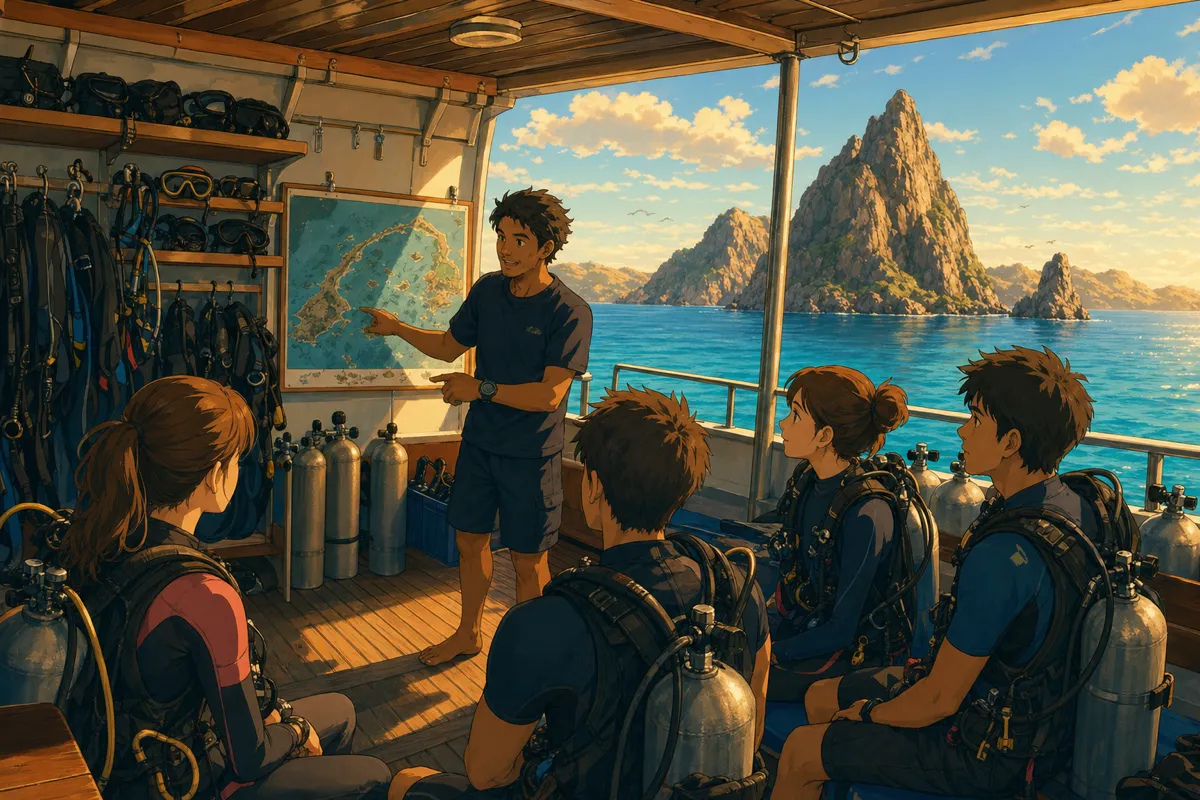
6:30 to 7:00 AM — Dive Briefing and First Dive
The dive guide briefs the group on the site, expected conditions, current direction, marine life to look for, and the dive plan. The first dive of the day is often the best, with calmer conditions and marine life that is most active at dawn. Typical dive time: 50 to 70 minutes.
8:30 AM — Full Breakfast
After surfacing, a full hot breakfast is served. This is a social time where divers compare what they saw underwater and review photos and video.
10:00 to 10:30 AM — Second Dive
The second dive is usually at the same site or a nearby site accessible by a short tender ride. By mid-morning, currents may have shifted, revealing different parts of the reef or attracting different marine life.
12:00 PM — Lunch and Surface Interval
A full lunch is served on board. The surface interval lasts 2 to 3 hours and is a time for napping, reading, sunbathing on the top deck, or doing a land excursion if the itinerary includes one that day.
2:30 to 3:00 PM — Third Dive or Land Excursion
The afternoon dive or a guided land activity: dragon trekking on Rinca or Komodo Island, hiking Padar Island, swimming at Pink Beach, or snorkeling at a shallow reef. On dive-heavy days, a third dive happens here.
4:30 to 5:00 PM — Optional Fourth Dive (Sunset or Night)
Some liveaboards offer a late afternoon or sunset dive at selected sites. Night dives are occasionally scheduled and reveal a completely different underwater world: Spanish dancers, hunting octopus, sleeping turtles, and bioluminescent plankton.
6:30 PM — Dinner
Dinner is the main meal and a communal event. On phinisi boats, dinner is often served on the upper deck under the stars. The crew moves the boat to the next anchorage for the following morning's dive.
8:00 PM — Evening
Evenings on a liveaboard are quiet. Some guests review dive footage, some read, some watch the stars from the top deck. Lights out is typically around 9:30 to 10:00 PM, as the next day starts early again.
Which Dive Sites Will You Visit?
Komodo National Park has over 50 named dive sites. The sites you visit depend on your itinerary length and the time of year. Here are the sites grouped by region:
North Komodo (Included in All Itineraries)
- Batu Bolong: A pinnacle covered in hard and soft corals, swarming with reef fish, reef sharks, Napoleon wrasse, and trevally. One of Komodo's signature dives.
- Crystal Rock: A submerged pinnacle with massive schools of fusiliers and sweetlips, surrounded by blue water. Excellent visibility.
- Castle Rock: A current-swept seamount where white-tip reef sharks, eagle rays, and giant trevally patrol. Thrilling drift diving.
- Tatawa Besar: A gentle sloping reef with beautiful soft corals in every color. Great for wide-angle photography.
Central Komodo
- Siaba Besar (Turtle City): A calm, shallow reef where green sea turtles rest on coral bommies. Excellent for snorkeling and relaxed diving.
- Mawan: A bay with a mix of soft corals, barrel sponges, and macro life. Often used for check dives on the first day.
- Shotgun: A narrow channel that produces a thrilling drift dive when the current is running. Not for beginners.
South Komodo (Extended Itineraries Only)
- Manta Alley: A channel where manta rays gather to feed on plankton, especially from December to March. Possible encounters with 20 or more mantas in a single dive.
- Cannibal Rock: Widely regarded as Komodo's best macro dive site. Nudibranchs, frogfish, pygmy seahorses, blue-ringed octopus, and soft corals in extraordinary density.
- Torpedo Alley: Named after the torpedo rays found here. A rubble slope that hides an incredible diversity of critters.
- Horseshoe Bay: A sheltered bay surrounded by dramatic cliffs. Multiple dive sites with mantas, reef sharks, and pristine coral walls.
For a complete breakdown of all dive sites with depth profiles and marine life, see our Komodo dive sites guide.
Types of Boats: Phinisi, Motor Yacht, or Catamaran?
The type of vessel affects your experience significantly.
Phinisi (Traditional Wooden Sailing Vessel)
The phinisi is the most iconic boat type in Komodo and the most common for liveaboard trips. These traditional Indonesian sailing vessels are built from ironwood and teak by master shipwrights in South Sulawesi. Modern phinisis designed for diving retain the beautiful woodwork and classic silhouette but add purpose-built dive decks, compressors, tender boats, air conditioning, and comfortable cabins.
Phinisis range from simple 6-cabin boats to luxury 10-cabin vessels with multiple lounging areas, bars, and jacuzzis. They move slowly under sail or engine (6 to 8 knots), which limits how far they can travel in a single night but creates a relaxed, atmospheric experience.
Motor Yacht
Steel or fiberglass motor yachts are faster and more stable than phinisis, especially in rough seas. They offer a more standardized cruise-ship feel with modern interiors, consistent cabin layouts, and smoother sailing. Motor yachts are popular with international dive operators and tend to have more professional dive operations with newer equipment.
The trade-off is atmosphere: a motor yacht feels like a boat, while a phinisi feels like an adventure.
Catamaran
A small number of catamarans operate in Komodo. The twin-hull design provides exceptional stability, reducing seasickness (a real consideration during monsoon season). Catamarans tend to be smaller, with 4 to 6 cabins, and offer a more intimate experience with less communal socializing.
How to Choose the Best Komodo Liveaboard
With dozens of operators offering trips, here is what to prioritize when making your decision:
1. Safety First
This is non-negotiable. A good Komodo liveaboard should have:
- Emergency oxygen on board and on the tender
- A well-stocked first aid kit
- Functioning life rafts and life jackets for all passengers
- A VHF radio and satellite phone for communication
- DAN or equivalent emergency evacuation insurance partnership
- Experienced dive guides who know Komodo's currents
- A clear emergency action plan for decompression illness (the nearest recompression chamber is in Bali, approximately 1.5 hours by air)
2. Dive Guide Experience
Komodo's currents are powerful and change rapidly. The difference between a great dive and a dangerous one often comes down to the guide's knowledge of the site. Look for:
- PADI or SSI certified divemasters or instructors
- Guides who have been diving Komodo for multiple seasons (not just one month)
- A maximum diver-to-guide ratio of 4:1 (ideally lower at advanced sites)
- Pre-dive briefings that cover current conditions, not just a generic site description
3. Itinerary Flexibility
The best liveaboard operators adjust the itinerary based on real-time conditions. Currents, weather, and marine life sightings change daily. A rigid itinerary that visits sites regardless of conditions leads to mediocre diving. Ask whether the captain and dive guides adjust the plan based on tidal charts, weather forecasts, and current checks at each site.
4. Boat Condition and Maintenance
Look at recent guest photos (not just the operator's marketing photos). Check for:
- Clean, well-maintained cabins with working air conditioning
- A properly organized dive deck with rinse tanks for cameras
- Well-maintained compressors and dive equipment
- A functional tender boat (the small boat used to reach dive sites from the mothership)
- Clean bathrooms with hot water
5. Group Size
Smaller groups mean better diving. A boat with 8 to 12 divers will have a different experience than one with 20. Smaller groups spend less time waiting to enter the water, have more flexibility in the schedule, and cause less disturbance to marine life at the sites.
6. Reviews and Reputation
Read reviews on multiple platforms (Google, TripAdvisor, dive-specific forums like ScubaBoard). Pay attention to recurring themes rather than individual complaints. Consistent praise for dive guides and safety is a strong positive signal. Consistent complaints about food, equipment, or itinerary changes are red flags.
Red Flags When Booking
Watch out for these warning signs:
- No clear pricing: If the operator will not give you a straightforward price breakdown, the final bill will likely include surprises.
- No crew credentials listed: Legitimate operators are proud to share their dive guide qualifications and experience.
- Stock photos only: If the website or listing only shows stock images and no actual photos of the boat, proceed with caution.
- No safety equipment listed: If emergency oxygen, life rafts, and communication equipment are not mentioned, ask directly. If the answers are vague, book elsewhere.
- Too cheap: A Komodo liveaboard priced significantly below market rate is cutting costs somewhere. Usually that means safety, maintenance, food quality, or guide experience.
- No cancellation policy: Reputable operators have clear cancellation and refund policies in writing.
Komodo Liveaboard vs Resort Stay: Which Is Better?
This is the most common question from travelers deciding how to experience Komodo. Both are excellent, but they serve different needs.
| Factor | Liveaboard | Resort stay |
|---|---|---|
| Dive site access | 50+ sites across the full park | Sites within daily boat range of the resort |
| Daily diving | 3 to 4 dives/day, all from the boat | 2 to 3 dives/day, with boat commute each way |
| Comfort | Compact cabin, shared spaces | Spacious room, private beach, more space |
| Flexibility | Fixed itinerary and group schedule | Choose your daily activities freely |
| Non-divers | Limited options between dives | Snorkeling, spa, beach, relaxation any time |
| Families | Generally not recommended for young children | Excellent for families of all ages |
| Seasickness risk | Moderate to high (sleeping on open water) | None (land-based) |
| Social experience | Communal, you dive and eat with the same group | More private, go at your own pace |
| Price | USD 150 – 500/night (all-inclusive diving) | Varies widely based on resort tier |
Many experienced Komodo visitors combine both: a few days at Komodo Resort on Sebayur Island to acclimatize, snorkel the house reef, and dive nearby sites, followed by a liveaboard trip to cover the rest of the park. Komodo Resort operates its own liveaboard vessels (Komodo Sea Dragon and Cajoma), making the logistics seamless.
Best Time of Year for a Komodo Liveaboard
The best time to visit Komodo for liveaboard diving depends on what you want to see:
| Period | Conditions | Highlights | Booking demand |
|---|---|---|---|
| April – June | Calm seas, 20-25m visibility, 26-28°C | Northern sites at their best, fewer crowds | Moderate |
| July – September | Peak conditions, 25-30m visibility, 27-29°C | All sites accessible, best overall conditions | Very high (book 3-6 months ahead) |
| October – November | Transition, 15-25m visibility, 27-29°C | Fewer tourists, good value, manta season starting | Low to moderate |
| December – March | Wet season, 10-20m visibility, 28-30°C | Peak manta ray encounters in the south | Moderate (manta seekers) |
For most first-time visitors, April to June or September to October offer the best combination of good conditions, lower prices, and available boats. Peak season (July to August) delivers the best diving but requires booking well in advance and comes at premium prices.
What to Pack for a Komodo Liveaboard
Space on a liveaboard is limited. Pack light and pack smart:
Essential Dive Gear
- Dive certification card and logbook: Required for all dive operations
- Dive computer: Most liveaboards provide one, but your own is always better
- 3mm wetsuit: Sufficient for most of the year. Bring a 5mm or add a hooded vest for southern sites (July to September) where thermoclines can drop temperatures to 22°C
- Mask and snorkel: Always bring your own for a proper fit
- Reef hook: Useful for current-swept sites like Castle Rock and Batu Bolong. Some liveaboards provide these.
- Surface marker buoy (SMB): Essential safety equipment. Bring your own if you have one.
Personal Items
- Reef-safe sunscreen (SPF 50+): You will be in the sun constantly. Conventional sunscreens damage the reefs you are diving.
- Rash guard / UV shirt: Better sun protection than sunscreen for all-day exposure
- Motion sickness medication: Even experienced sailors can be affected by overnight anchoring in open water. Start taking medication before boarding.
- Dry bag: Protects electronics during tender rides and land excursions
- Waterproof camera or GoPro: Komodo delivers world-class underwater photography opportunities
- Lightweight clothing: Quick-dry shorts, t-shirts. You will live in swimwear and boardshorts most of the time.
- Cash (IDR): For crew tips, extra drinks, and souvenirs. ATMs are in Labuan Bajo only.
- Travel insurance with dive coverage: DAN membership or equivalent is essential
How to Book
Follow these steps for the best booking experience:
- Decide your dates and trip length. Check the seasonal guide to pick the right month for your priorities.
- Set your budget. Be honest about whether you want a budget adventure or a comfortable luxury experience. Both deliver great diving.
- Research operators. Read reviews, check credentials, and look at real guest photos.
- Book direct. Booking directly with the operator (rather than through a third-party aggregator) usually gives you better communication, more flexibility with payments, and clearer cancellation terms.
- Book early for peak season. July and August trips on popular boats sell out 3 to 6 months in advance.
- Arrange flights. Book your flights to Labuan Bajo after confirming your liveaboard dates. Arrive at least one day before departure to avoid stress from flight delays.
- Get dive insurance. Purchase DAN or World Nomads dive coverage before your trip. The nearest recompression chamber is in Bali.
Why Combine a Liveaboard with a Resort Stay
The ultimate Komodo experience combines both a liveaboard trip and a stay at Komodo Resort. Here is why this combination works so well:
- Acclimatize before your liveaboard: Spend 1 to 2 days at the resort diving the house reef and nearby sites to warm up your buoyancy and equalization before tackling the more demanding liveaboard sites.
- Cover the full park: The resort offers easy access to northern and central dive sites on daily boat trips, while the liveaboard takes you to the remote south. Together, you see everything.
- Recover afterward: After 4 to 7 days of intensive liveaboard diving, a day or two at the resort lets you decompress (literally and figuratively) before flying home.
- Seamless logistics: Komodo Resort operates the Komodo Sea Dragon and Cajoma liveaboard vessels. The team handles transfers between the resort and the liveaboard, so you do not need to coordinate anything separately.
For guests booking both, our team creates a combined itinerary that maximizes dive site coverage and avoids visiting the same sites twice. Contact us to build a custom resort-plus-liveaboard package.