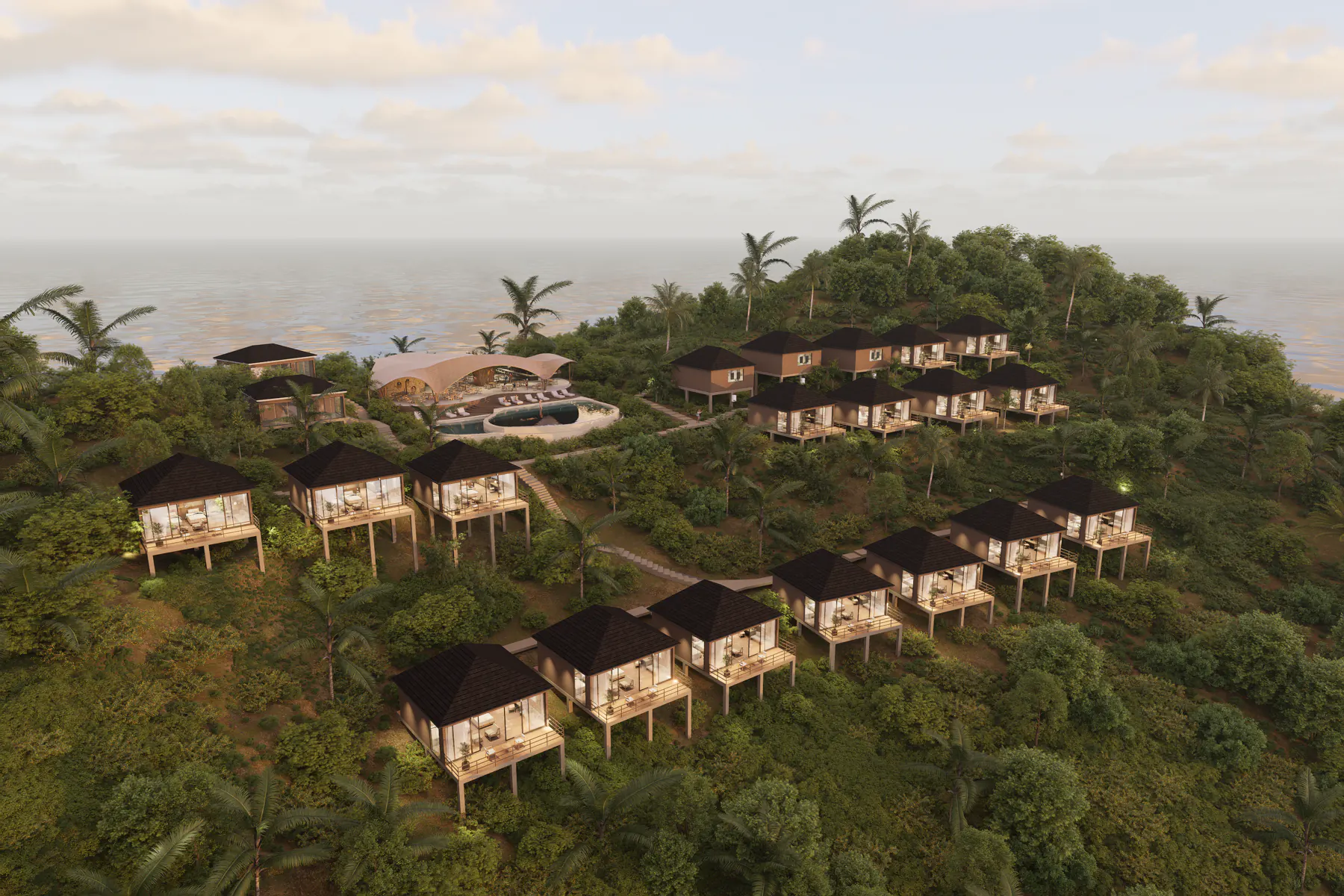
Komodo Island sits in a pocket of eastern Indonesia where the Indian and Pacific Oceans meet, creating a climate that shifts dramatically between dry and wet seasons. Choosing the right month to visit can mean the difference between glassy seas with 30-meter visibility and choppy conditions with limited access to outer islands.
This guide breaks down every month of the year so you can match your travel dates to the experience you want, whether that is diving with manta rays, trekking to see Komodo dragons, or simply relaxing on Pink Beach without the crowds.
Komodo's Two Seasons at a Glance
Komodo has a tropical savanna climate with two distinct seasons:
- Dry season (April to October): Minimal rainfall, calm seas, excellent underwater visibility, and peak tourist traffic from July through August.
- Wet season (November to March): Frequent afternoon showers, rougher seas, reduced visibility, but warmer water, fewer visitors, and peak manta ray aggregations.
Air temperatures stay between 25°C and 32°C year-round, so the seasons are defined more by rainfall, wind, and sea conditions than by temperature swings. For a broader overview of seasonal patterns, see our Komodo season guide.
Month-by-Month Breakdown
January
January is the wettest month in Komodo, with rain expected on most days. Seas can be rough, particularly around exposed southern dive sites. Underwater visibility drops to 10 to 15 meters, but the nutrient-rich water draws large numbers of manta rays to feeding stations in the south. Water temperature is warm at 28 to 29°C. Tourist numbers are very low, and accommodation rates reflect that. This is a good month for experienced divers who want manta encounters without the crowds, but not ideal for families or first-time visitors.
February
Conditions are similar to January, with heavy rainfall and limited access to some outer islands. Manta ray activity remains strong at sites like Manta Alley and Manta Point. The landscape is lush and green, which makes for striking photography on land even if conditions offshore are unpredictable. Liveaboard schedules may be adjusted or shortened due to weather. Budget travelers will find the lowest prices of the year during this period.
March
March marks the tail end of the wet season. Rainfall starts to decrease toward the end of the month, and seas begin to settle. Manta ray sightings are still frequent, and water temperatures remain warm. This is a transitional month where you get some of the benefits of the wet season (mantas, low prices, few tourists) with gradually improving conditions. A solid choice if you are flexible with your schedule and can wait out an occasional rainy day.
April
April is one of the best months to visit Komodo. The dry season begins, rainfall drops significantly, and seas calm down. Underwater visibility starts climbing toward 20 meters and above. Manta rays are still present, especially at southern sites. Tourist numbers are low compared to peak months, so you get excellent conditions without the crowds. Accommodation prices are moderate. This is an ideal time for divers, snorkelers, and trekkers who want the best balance of weather, marine life, and value.

May
May delivers some of the best diving visibility of the year, often reaching 20 to 30 meters at sites across the north and central zones. Seas are calm, and access to all dive sites is reliable. Water temperature sits around 27 to 28°C. Tourist traffic is still moderate, making it easier to book liveaboard trips and resort stays. Dragon trekking on Rinca Island and Komodo Island is comfortable in the cooler morning hours.
June
June offers outstanding conditions across the board. Rainfall is minimal, winds are light, and the seas are consistently flat. Visibility remains excellent at 15 to 25 meters. This is a strong month for underwater photography with clear water and active marine life. Crowds begin to pick up as European and North American summer holidays approach, but it is still less busy than July or August. Prices start to rise for peak season.
July
July is the driest month and the start of peak tourist season. Conditions are excellent for every activity, from diving to trekking to island hopping. Water temperature cools slightly to 25 to 27°C due to upwelling from the south, which also brings nutrient-rich currents that attract pelagic life. Padar Island hikes and Pink Beach visits are at their most comfortable. The trade-off is higher prices and the need to book well in advance, especially for park permits under the daily quota system.
August
August mirrors July with dry, stable weather and peak tourist numbers. It is the busiest month in Komodo, and the 1,000 daily visitor quota means permits sell out quickly. Water temperature stays around 25 to 26°C, and southern dive sites can be cooler still. Visibility is good at 15 to 20 meters, though currents can be stronger this month, making some sites more suitable for experienced divers. Book everything, from flights to accommodation to park entry, as far ahead as possible.
September
September is an excellent month that often gets overlooked. Weather remains dry and stable, visibility is strong, and the peak-season crowds thin out as European holidays end. Water temperature begins to warm slightly. Prices start to drop from their August highs. This is one of the best months for travelers who want peak-season conditions without peak-season hassle. Snorkeling conditions at sites like Manta Point and Pink Beach are superb.
October
October is the last reliably dry month and another strong choice. Conditions are still excellent for diving and trekking, with warm air temperatures and calming winds. Occasional light showers may appear toward the end of the month as the wet season approaches. Tourist numbers are lower, and prices are moderate. Manta rays begin to appear more frequently as plankton levels increase in the transition period. A great option for travelers who prefer quieter conditions.
November
November marks the start of the wet season. Afternoon rain showers become more frequent, though mornings are often clear. Seas can be choppier, and some boat operators adjust their routes to avoid exposed areas. Visibility begins to drop, but diving is still possible at sheltered northern sites. Manta ray aggregations start building as nutrient-rich water flows in. Accommodation prices drop noticeably. A reasonable month for experienced travelers comfortable with some unpredictability. Our full guide to Komodo in November covers the month in far more detail.
December
December brings heavy rainfall and rough seas, similar to January. Access to southern dive sites and outer islands may be limited. However, manta ray activity is high, water temperature is warm at 28 to 29°C, and the holiday period around Christmas and New Year brings a brief spike in visitors and prices. Outside of the holiday weeks, this is a quiet and affordable time to visit for flexible travelers.
Best Months by Activity
| Activity | Best Months | Notes |
|---|---|---|
| Scuba diving (all levels) | April to October | Calm seas, best visibility, access to all sites |
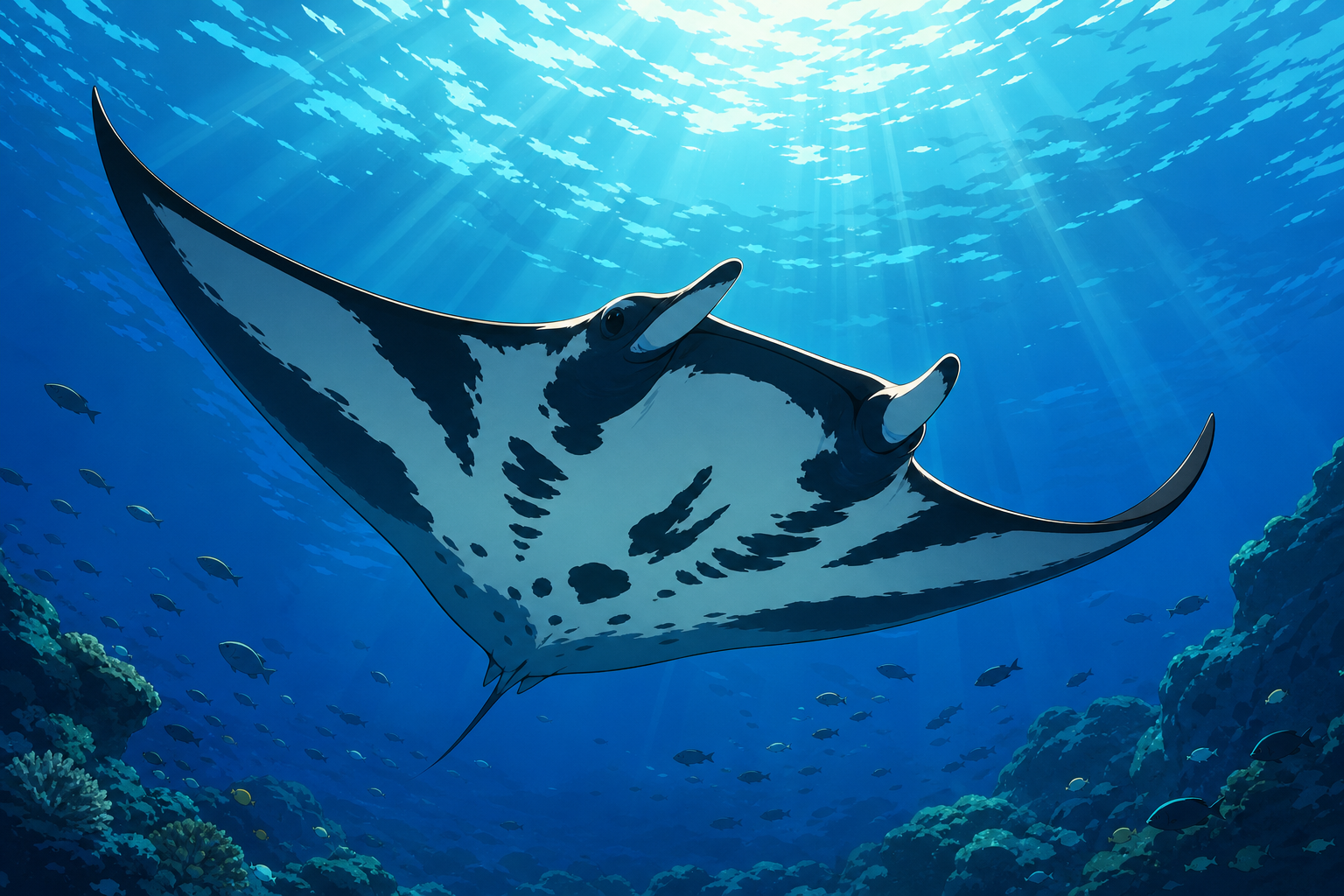
| Manta ray encounters | December to March | Peak aggregations at southern sites |
| Snorkeling | April to November | Clear water, calm conditions, comfortable temperatures |
| Komodo dragon trekking | April to September | Dry trails, dragons active near waterholes |
| Island hopping (Padar, Pink Beach) | May to September | Flat seas, clear skies, best photography light |
| Budget travel | November to March (excl. holidays) | Lowest prices, fewest tourists |
| Liveaboard cruises | April to October | Full route access, stable scheduling |
Water Temperature and Visibility Quick Reference
| Month | Water Temp (°C) | Visibility (m) | Conditions |
|---|---|---|---|
| January | 28-29 | 10-15 | Warm, low visibility, mantas |
| February | 28-29 | 10-15 | Warm, low visibility, mantas |
| March | 28-29 | 10-18 | Improving, mantas still active |
| April | 27-29 | 15-25 | Excellent, transition month |
| May | 27-28 | 20-30 | Peak visibility |
| June | 26-28 | 15-25 | Outstanding overall |
| July | 25-27 | 15-20 | Cooler, strong currents |
| August | 25-26 | 15-20 | Coolest month, currents |
| September | 26-28 | 15-25 | Warming, excellent |
| October | 27-29 | 15-20 | Good, transition month |
| November | 28-29 | 10-18 | Warm, decreasing visibility |
| December | 28-29 | 10-15 | Warm, mantas arriving |
Crowd Levels and Pricing
Peak season runs from July through August, when flights, hotels, and park permits are at their most expensive and hardest to secure. The introduction of the 1,000 daily visitor quota in 2026 makes advance booking essential during these months.
Shoulder season (April to June and September to October) offers the best value: excellent weather and diving conditions with significantly fewer visitors and more moderate pricing.
Low season (November to March, excluding Christmas/New Year) has the lowest prices and fewest tourists. Some dive operators and liveaboard cruises offer discounted rates during this period. The trade-off is less predictable weather and reduced access to certain sites.
How Komodo Resort Can Help You Plan
At Komodo Resort, we operate year-round and know exactly how each month plays out on the water and on land. When you book with us, our team helps you choose the right dates based on what matters most to you, whether that is manta ray diving, dragon trekking, or a relaxed family holiday.
We handle all park permits, arrange dive excursions matched to current conditions, and adjust daily schedules based on real-time weather. Guests on our liveaboard trips benefit from flexible routing that adapts to seasonal conditions, ensuring you see the best of what Komodo has to offer no matter when you visit.
For detailed trip planning, including flights and transport logistics, see our guides on flights to Komodo and how to get to Komodo National Park. If you are still comparing destinations, our Komodo vs Maldives and Komodo vs Raja Ampat comparisons can help you decide.