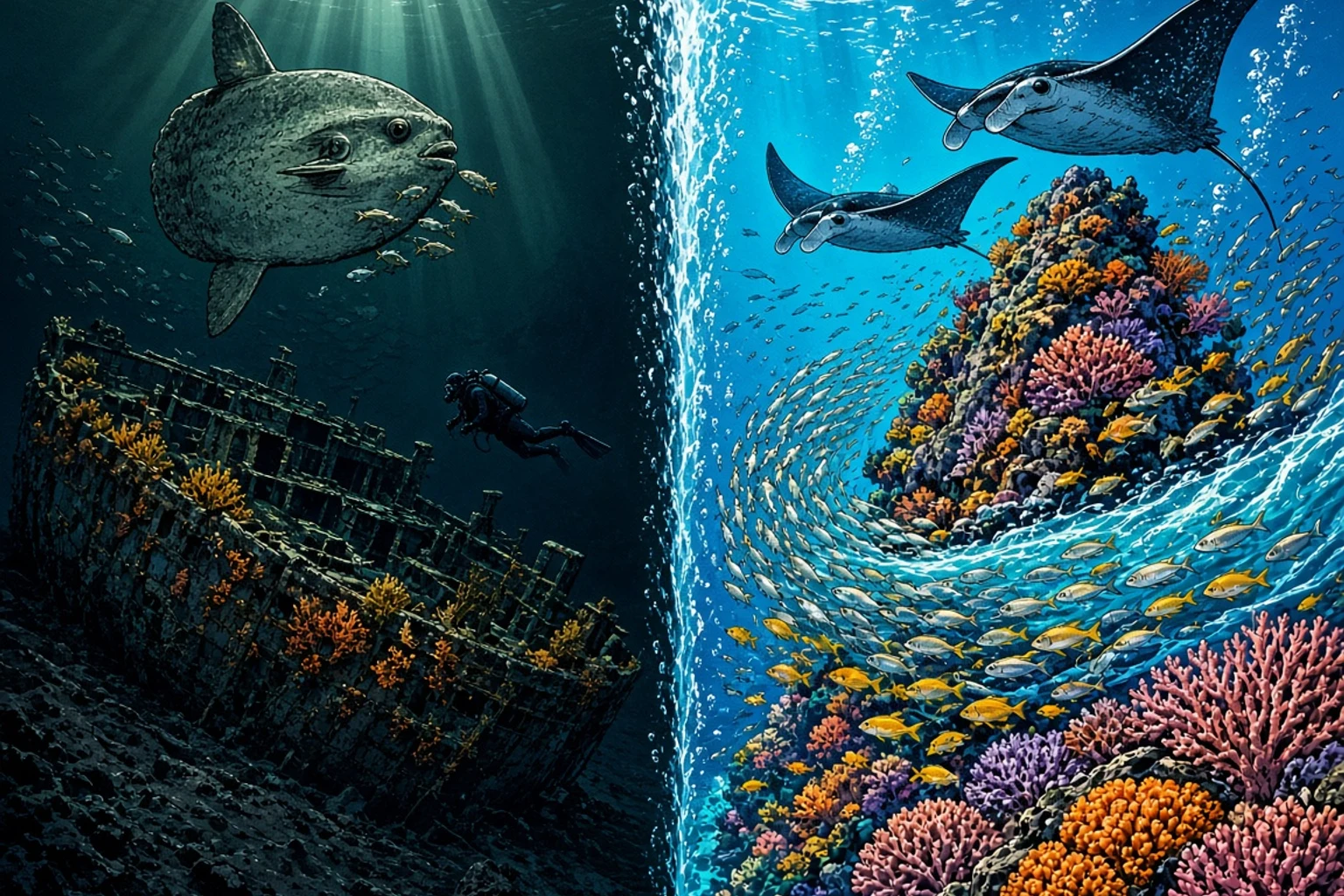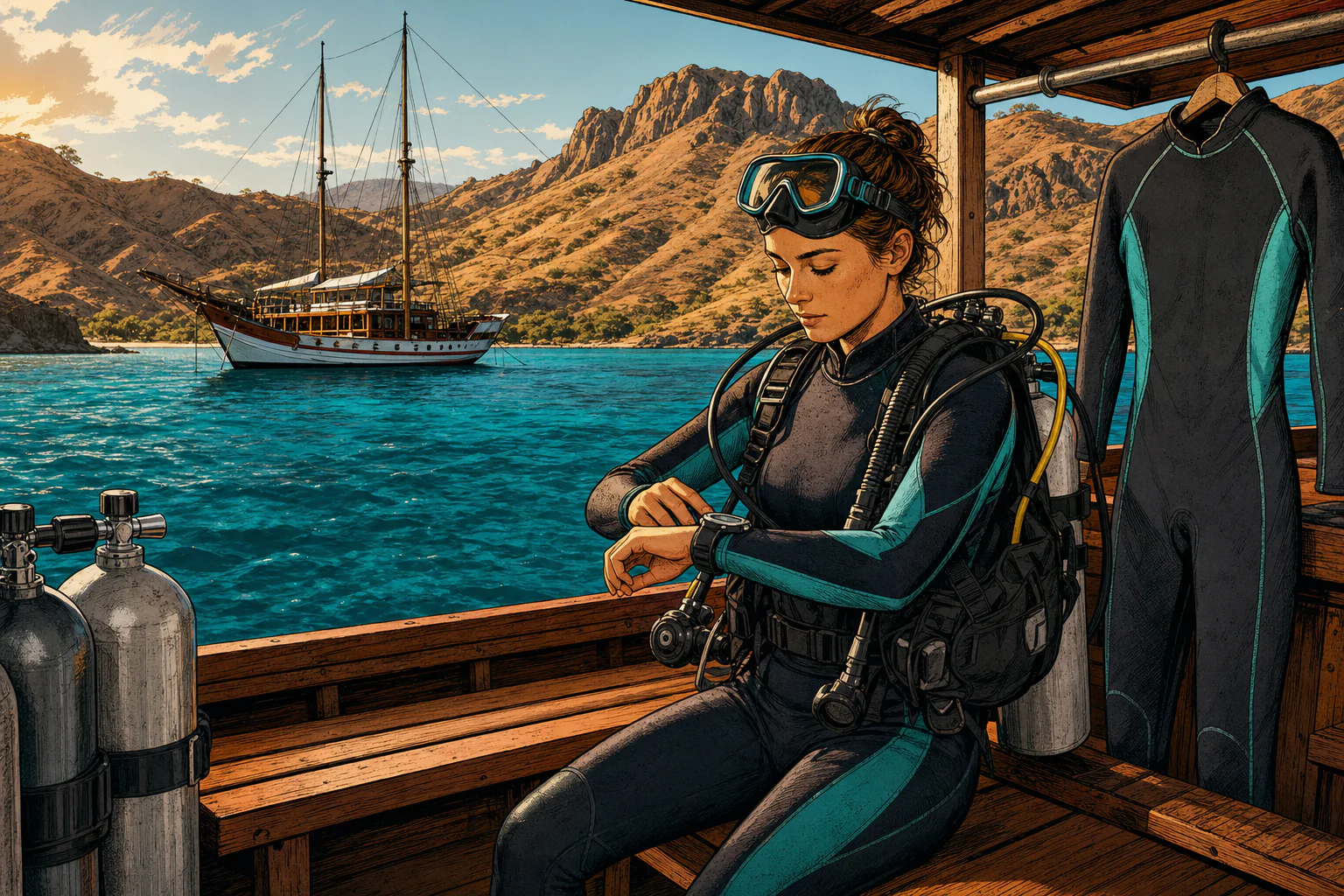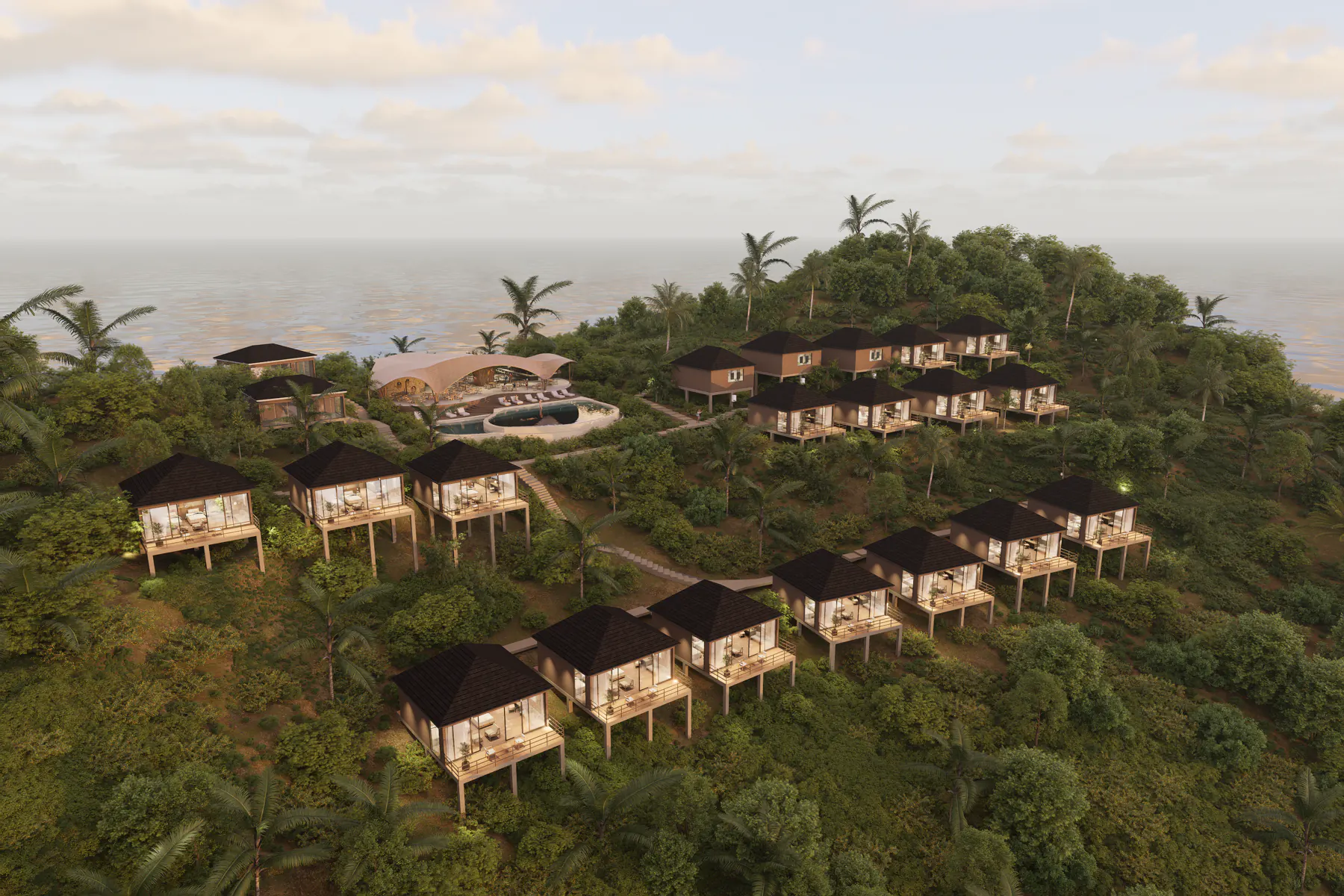
Si le preguntas a cualquier buceador que se precie cuál es el mejor lugar del mundo para sumergirse, la gran mayoría te dará la misma respuesta: Raja Ampat. Este remoto archipiélago situado frente al extremo noroeste de Papúa Occidental alberga la mayor biodiversidad marina jamás registrada, y la única forma sensata de bucear en él como es debido es desde un barco. Un crucero de buceo por Raja Ampat te permite dormir sobre los arrecifes, despertarte en el mismo punto de inmersión y llegar a rincones remotos a los que los barcos de un solo día simplemente no pueden acceder.
Por eso precisamente construimos el King Neptune: para navegar por estas aguas. La misma embarcación que realiza nuestros viajes de crucero de buceo por Komodo también se dirige al este, hacia Raja Ampat y el mar de Banda, por lo que disfrutarás de un yate de buceo de cinco estrellas, diseñado específicamente para este fin, en uno de los paisajes marinos más espectaculares del planeta. Esta guía lo abarca todo: dónde está Raja Ampat, por qué es tan especial, los mejores puntos de inmersión, la vida marina, cuándo ir, qué condiciones esperar y cómo un crucero de buceo convierte un viaje logísticamente complicado en las vacaciones de buceo de tu vida.
Tanto si eres un buceador experimentado que busca el arrecife de sus sueños como si estás planeando tu primera gran aventura en un crucero de buceo, esto es lo que necesitas saber.
¿Dónde está Raja Ampat?
Raja Ampat, que significa «Cuatro Reyes», se encuentra en el extremo más oriental de Indonesia, en la provincia de Papúa Occidental (suroeste de Papúa). El nombre proviene de las cuatro islas principales: Waigeo, Batanta, Salawati y Misool, pero el archipiélago cuenta en realidad con más de 1.500 pequeñas islas, cayos e islotes kársticos repartidos a lo largo de unos 40.000 kilómetros cuadrados de océano.
Se trata de un lugar verdaderamente remoto. La puerta de entrada es la ciudad de Sorong, a la que se llega en avión desde Yakarta, Makassar o Manado, y desde allí los cruceros de buceo se dirigen hacia las islas. Esa lejanía es precisamente la clave: al ser de difícil acceso y estar escasamente poblada, los arrecifes de Raja Ampat se han mantenido sorprendentemente sanos, mientras que los de otros lugares se han deteriorado.
¿Por qué bucear en Raja Ampat?
Raja Ampat se encuentra en pleno corazón del Triángulo de Coral, el epicentro mundial de la biodiversidad marina, y las cifras son casi difíciles de creer. Los estudios realizados por Conservation International y el biólogo marino Dr. Gerry Allen han registrado más de 1.700 especies de peces de arrecife y alrededor de 600 especies de corales duros en esta región, lo que supone aproximadamente el 75 % de todas las especies de corales conocidas en la Tierra.
Una estadística lo resume todo. En una sola inmersión en un lugar llamado Cabo Kri, el Dr. Allen contó 374 especies de peces sin salir a la superficie, todo un récord mundial. En ningún otro lugar se alcanza ni de lejos esa densidad de vida. Los arrecifes no solo son diversos, sino que están llenos de vida y intactos, con paredes de coral blando, bancos de peces tan densos que bloquean el sol y depredadores alfa que siguen patrullando como es debido. Si has leído nuestra comparación entre Komodo y Raja Ampat, sabrás que ambos son de primera categoría; Raja Ampat es el que se lleva la palma en cuanto a biodiversidad pura.
Por qué un crucero de buceo es la mejor forma de bucear en Raja Ampat
Puedes bucear en Raja Ampat desde un resort en tierra o alojándote en una casa de familia, y mucha gente lo hace. Pero los mejores puntos de buceo de la región se extienden a lo largo de enormes distancias, y un crucero de buceo es la única forma de disfrutar de toda la variedad sin pasar la mitad del viaje en desplazamientos.
- Llega al remoto sur. Los legendarios puntos de inmersión alrededor de Misool se encuentran a horas en barco de los centros del norte. En un crucero de buceo duermes en el mismo lugar, por lo que buceas en ellos en su mejor momento, a menudo sin nadie más alrededor.
- Más inmersiones, menos desplazamientos. En un crucero de buceo se suelen realizar entre tres y cuatro inmersiones al día, incluidas las del atardecer y las nocturnas, lanzándote desde la popa del barco en lugar de tener que desplazarte desde un complejo turístico.
- Adáptate a las condiciones. Un buen director de crucero desplaza el barco para adaptarse a las mareas, las corrientes y el tiempo, llevándote al lugar adecuado en el momento adecuado.
- Comodidad en plena naturaleza. Dispones de una cama de verdad, comidas calientes y una ducha caliente en medio de una de las últimas grandes zonas vírgenes del planeta.
Si eres nuevo en este tipo de viajes, nuestra guía sobre el buceo en crucero en Komodo explica cómo funciona el ritmo diario, y la mayor parte de lo que allí se describe se aplica directamente a Raja Ampat.
Los mejores puntos de buceo de Raja Ampat
Raja Ampat se divide, a grandes rasgos, en una región norte, en torno al estrecho de Dampier y Waigeo, y una región sur, en torno a Misool, con los emblemáticos miradores de Wayag y Piaynemo en el extremo norte. Un itinerario típico de crucero de buceo combina lo mejor de una de estas regiones o de ambas. Estos son los puntos de inmersión que dan fama a la región.
Cabo Kri
El que ostenta el récord. Una cresta de arrecife en el estrecho de Dampier donde la corriente canaliza los nutrientes a lo largo de una pared repleta de vida, atrayendo a pargos, jureles, barracudas, labios dulces, meros y tiburones de arrecife en una escena trepidante. Con la marea adecuada, es una de las inmersiones con más actividad del planeta.
Blue Magic y Sardine Reef
Dos de los montes submarinos más emblemáticos del estrecho de Dampier. Blue Magic es famoso por las mantarrayas oceánicas y de arrecife que se acercan para que les limpien, además de alguna que otra sorpresa pelágica. Sardine Reef hace honor a su nombre con densos bancos de peces presa y los depredadores que los cazan.
Manta Sandy
Una estación dedicada a la limpieza de mantas, donde te acomodas detrás de una hilera de rocas y observas cómo las mantas de arrecife hacen cola para que los lábridos limpiadores les hagan la limpieza. En temporada, varias mantas nadan en círculos a la vez. Nuestra guía para nadar con mantas explica las normas de comportamiento que garantizan que estos encuentros sean respetuosos.
Misool: Boo Windows, Magic Mountain y Nudi Rock
Las joyas de la corona del sur. Los sitios de Misool están cubiertos por algunos de los corales blandos más coloridos del planeta. Boo Windows cuenta con aberturas por las que se puede nadar en una pared rocosa enmarcada por peces de cristal; Magic Mountain es un monte submarino que atrae tanto a mantas de arrecife como a mantas oceánicas; y Nudi Rock es el sueño de cualquier fotógrafo, con sus pináculos cubiertos de coral. Por eso la gente cruza el mundo.
Wayag y Piaynemo
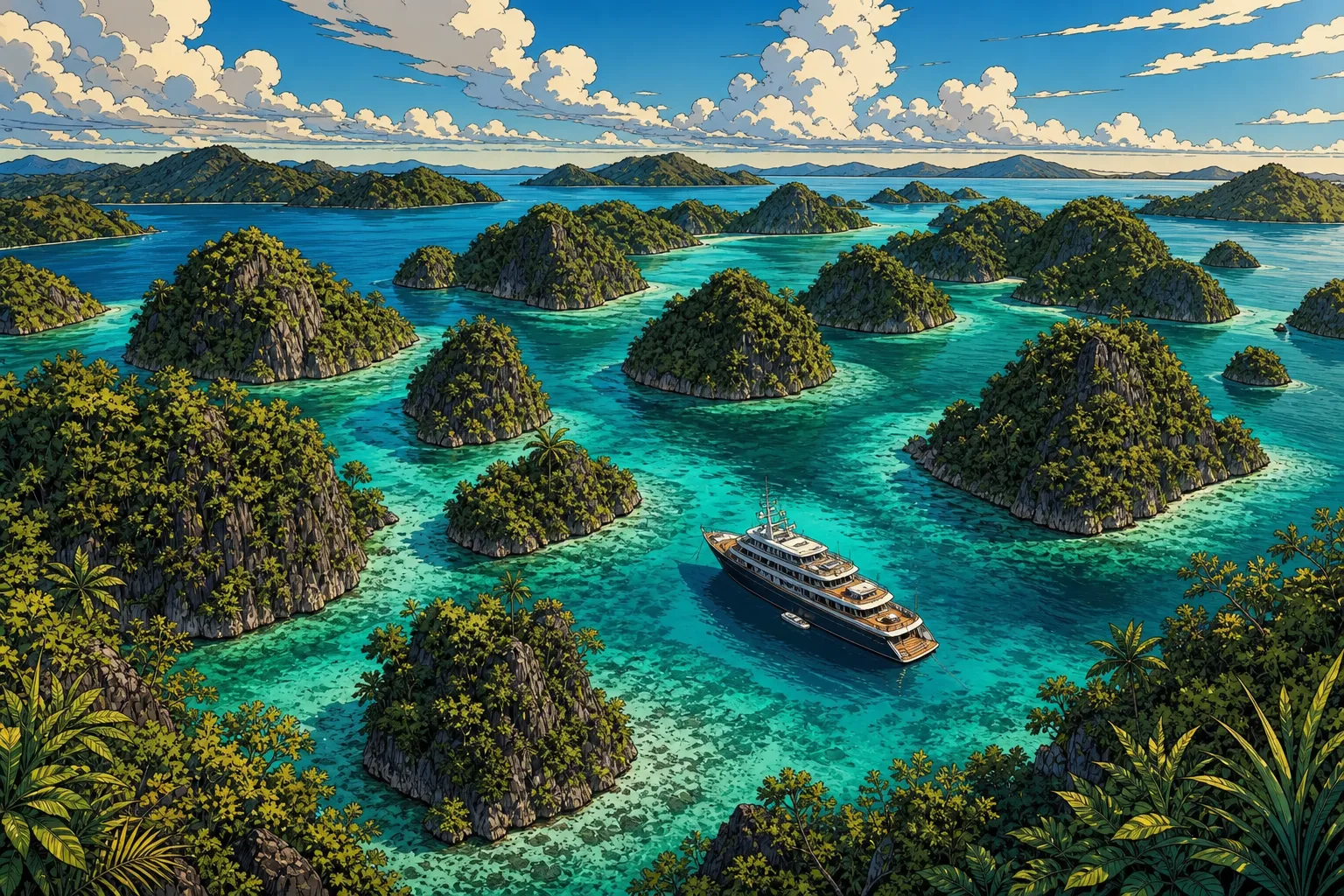
No son inmersiones, pero son imperdibles. Son los miradores de postal, laberintos de islas kársticas con forma de cúpula que se alzan sobre lagunas de color turquesa, a las que se sube entre inmersión e inmersión. El panorama aéreo desde lo alto es la imagen que la mayoría de la gente se imagina cuando piensa en Raja Ampat.
La vida marina de Raja Ampat
La biodiversidad de este lugar te permitirá ver cosas que son raras o imposibles de encontrar en otros sitios. Entre los puntos destacados por los que acuden los buceadores se incluyen:
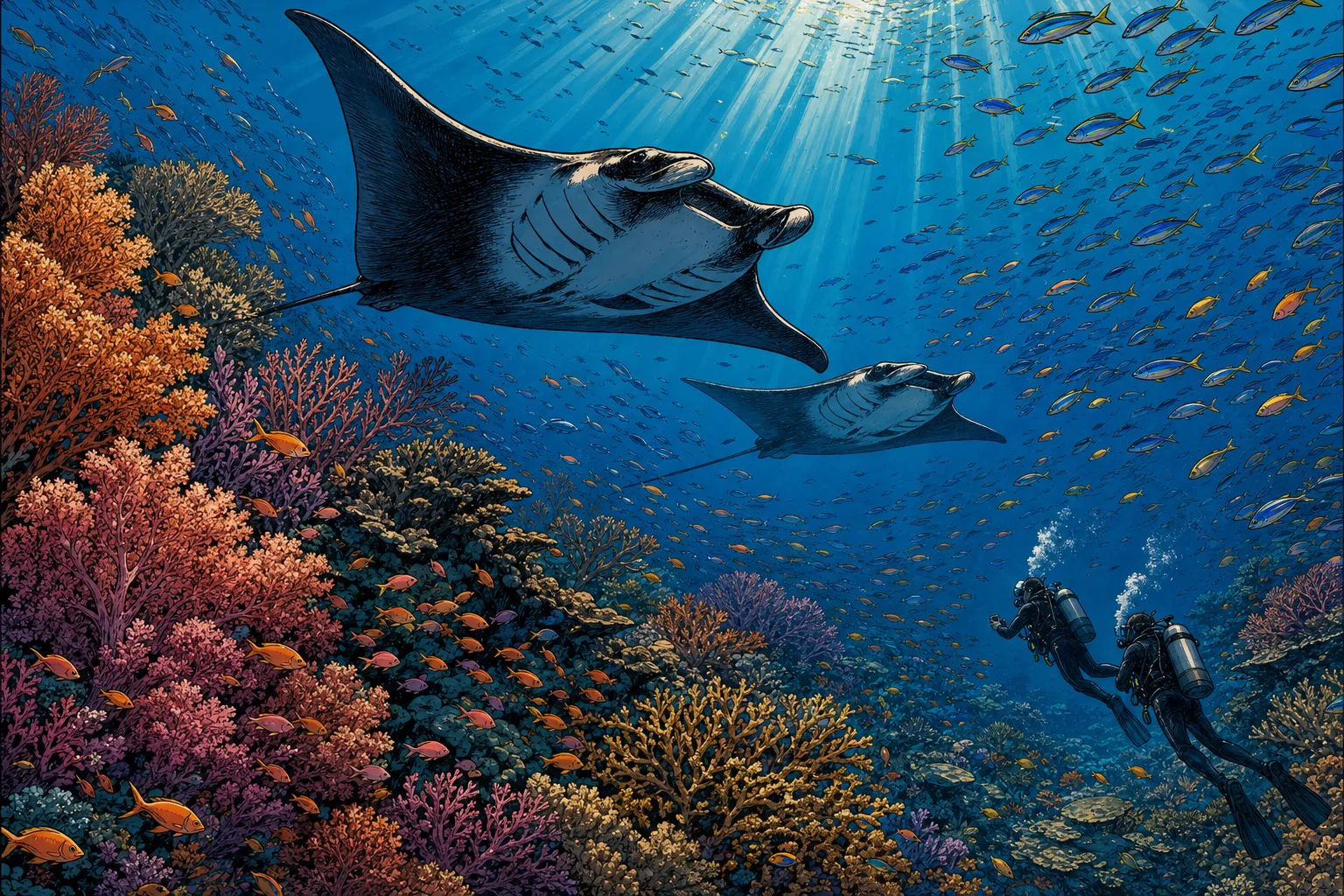
- Las mantarrayas: tanto las de arrecife como las oceánicas, de mayor tamaño, en las estaciones de limpieza y en las aglomeraciones para alimentarse.
- Tiburones wobbegong: extraños tiburones de emboscada, parecidos a alfombras, que yacen camuflados en el arrecife, una especialidad de Raja Ampat.
- Tiburones «caminantes»: el tiburón de charretera, que «camina» por el arrecife sobre sus aletas, y que suele verse en las inmersiones nocturnas.
- Caballitos de mar pigmeos: diminutos caballitos de mar, exquisitamente camuflados, que se aferran a los abanicos de mar, el tesoro de todo fotógrafo macro.
- Cardúmenes de peces: paredes de fusileros, barracudas, jureles y peces murciélago en cantidades que desafían toda descripción.
- Tiburones de arrecife y tortugas: los tiburones de punta negra, de punta blanca y de arrecife grises, además de las tortugas verdes y carey, son avistamientos cotidianos.
Si a esto le sumamos la infinita variedad de vida macro, desde las llamativas sepias hasta los raros nudibranquios, el resultado es un destino que satisface a todo tipo de buceadores. Combina a la perfección con una cámara; nuestra guía de fotografía submarina abarca el equipo y los ajustes que se aplican tanto en Raja Ampat como en Komodo.
La mejor época para bucear en Raja Ampat
La temporada alta para los cruceros de buceo en Raja Ampat va de octubre a abril, cuando el mar está más en calma y las condiciones son más fiables. Es entonces cuando la mayoría de los cruceros, incluido el King Neptune, programan sus itinerarios por Raja Ampat.
- De octubre a abril: la temporada alta. Travesías tranquilas, excelente visibilidad y acceso tanto a las regiones del norte como del sur, incluida Misool.
- De diciembre a febrero: temporada alta de mantas, cuando las aguas más frías y ricas en plancton atraen a un gran número de mantas a las estaciones de limpieza.
- De mayo a septiembre: la temporada de vientos del sureste trae mares más agitados, y la mayoría de los cruceros de buceo se trasladan a Komodo y otros destinos durante estos meses. Es precisamente entonces cuando nuestros barcos se centran en Komodo, por lo que ambas temporadas se complementan entre sí.
La temperatura del agua se mantiene cálida durante todo el año, generalmente entre 27 y 30 °C, por lo que un traje de neopreno de 3 mm es más que suficiente para la mayoría de los buceadores, aunque muchos traen uno de 5 mm para inmersiones repetidas y para los sitios más fríos del sur.
Condiciones de buceo y nivel de experiencia
Raja Ampat tiene fama de ser un destino de buceo «a lo grande», y en parte se lo merece. Muchos de los mejores puntos de inmersión se encuentran en canales y montes submarinos donde las corrientes traen toda la acción, y esas corrientes pueden ser fuertes. Pero no todo es buceo avanzado. La región tiene algo para todos:
- Los arrecifes tranquilos y las bahías protegidas son ideales para los buceadores noveles y ofrecen algunos de los mejores especímenes macro y corales del mundo a profundidades tranquilas.
- Las inmersiones con corriente en lugares como Cape Kri y Blue Magic premian la experiencia, una buena flotabilidad y el uso de un gancho de arrecife para mantener la posición mientras se desarrolla el espectáculo.
- La mayoría de los operadores recomiendan al menos una certificación Advanced Open Water y entre 30 y 50 inmersiones registradas para los itinerarios con fuertes corrientes, aunque las excursiones más tranquilas admiten a buceadores con menos experiencia.
El nitrox supone una gran ventaja aquí para realizar inmersiones repetidas más largas y seguras, razón por la cual el King Neptune lleva a bordo un sistema Coltri Nitrox específico.
Buceo en Raja Ampat a bordo del King Neptune
Aquí es donde el viaje cobra sentido. El King Neptune es un lujoso crucero de buceo de 46 metros (150 pies) con casco de acero y aluminio, construido expresamente en 2024 y la embarcación más nueva de nuestra flota. Se diseñó específicamente para el buceo de expedición por Indonesia, y Raja Ampat es una de sus rutas estrella. Algunos aspectos importantes a la hora de elegir un barco para un viaje tan remoto:
- Espacio y comodidad: hasta 22 huéspedes en 10 camarotes con baño privado repartidos entre la cubierta principal y la superior, cada uno con aire acondicionado regulable individualmente, baño privado y vistas al mar. Los camarotes pueden configurarse con cama de matrimonio o dos camas individuales, con opciones para tres personas y dobles.
- Operaciones de buceo profesionales: dos compresores Coltri 315, un sistema Coltri Nitrox específico y dos lanchas RHIB de 8 metros con motores de 150 HP para traslados rápidos y seguros directamente al punto de inmersión.
- Diseñado para una gran autonomía: una autonomía de 3.000 millas náuticas, una potabilizadora que produce 10 toneladas de agua dulce al día y grandes depósitos de combustible y agua permiten que el barco llegue a los rincones más recónditos de Misool y Wayag sin ningún tipo de limitación.
- Una tripulación profesional al completo: un equipo de 20 personas, entre las que se incluyen guías de buceo experimentados que conocen estos arrecifes y saben interpretar las mareas.
- La seguridad es lo primero: radar, radiobaliza de localización de siniestros (EPIRB), balsas salvavidas, botiquines de primeros auxilios con oxígeno, teléfonos por satélite y móviles, y una tripulación formada para hacer frente a emergencias.
En resumen, disfrutarás del alcance de un auténtico barco de expedición con la comodidad de un yate de cinco estrellas. Puedes consultar las especificaciones completas, los camarotes y las fechas de los viajes en la página del King Neptune.

Raja Ampat frente a Komodo: ¿por qué no ambos?
A menudo se pregunta cuál de las dos grandes regiones de buceo de Indonesia elegir. La respuesta sincera es que son diferentes, no mejores ni peores. Komodo es famoso por sus corrientes, los encuentros con mantas y el espectáculo que supone combinar el buceo de primera categoría con los dragones de Komodo y las playas rosas. Raja Ampat es el campeón de la biodiversidad, más remoto, más virgen y más parecido a una auténtica peregrinación de buceo.
Nuestra comparación completa entre Komodo y Raja Ampat desglosa las diferencias con detalle. La buena noticia es que no tienes por qué elegir necesariamente: como el King Neptune navega por Raja Ampat en la temporada de octubre a abril y por Komodo el resto del año, puedes planificar viajes de ida y vuelta con el mismo barco y la misma tripulación de confianza. Para tener una visión más amplia del panorama del buceo en Indonesia, merece la pena leer nuestro resumen de los resorts de buceo de Indonesia y los mejores lugares que visitar en Indonesia, además de Bali.
Cómo llegar a Raja Ampat
Todos los viajes en crucero de buceo comienzan en Sorong, la ciudad de acceso en el continente papú. Para llegar allí, lo habitual es:
- Un vuelo internacional a Yakarta (CGK) o, con menos frecuencia, a Makassar o Manado.
- Un vuelo nacional de conexión a Sorong (SOQ), a menudo nocturno. Compañías aéreas como Garuda, Batik y Lion Air operan esta ruta.
- Un breve traslado desde el aeropuerto de Sorong hasta el puerto, donde te espera tu crucero de buceo.
En la mayoría de los viajes se recomienda llegar a Sorong un día antes para evitar que cualquier contratiempo en el vuelo te reste tiempo de buceo, lo cual es un buen consejo para cualquier destino tan remoto.
Costes y permisos para los cruceros de buceo en Raja Ampat
Raja Ampat es un destino de lujo, y los precios reflejan tanto la calidad como la logística que supone operar en un lugar tan remoto. A modo de guía aproximada para 2026:
- Los viajes en crucero suelen oscilar entre unos 400 USD por persona y noche en embarcaciones más sencillas y más de 1.000 USD por noche en embarcaciones de alta gama, y la mayoría de los viajes de calidad duran entre 7 y 12 noches.
- El permiso de entrada al Parque Marino de Raja Ampat es una tasa obligatoria independiente (alrededor de 1 000 000 IDR, aproximadamente 65 USD, válida para todo el año) que se destina a la conservación y a las comunidades locales.
- Los extras, como el nitrox, el alquiler de equipo, las tasas del parque y del puerto, las propinas a la tripulación y los vuelos a Sorong, suelen sumarse al precio del viaje.
No es un destino económico, pero por el buceo que ofrece, la mayoría de la gente lo considera el viaje de su vida y un dinero bien gastado. Para hacerte una idea de cómo se estructuran los precios de los cruceros de buceo en general, nuestra guía para elegir el mejor crucero de buceo en Komodo repasa los distintos niveles y los factores que determinan el coste.
Qué llevar y cómo prepararse
Algunos consejos específicos para Raja Ampat, además del equipo de buceo habitual:
- Un traje de neopreno de 3 mm como mínimo, con uno de 5 mm o un chaleco con capucha si eres sensible al frío durante varios días seguidos.
- Un gancho de arrecife para las inmersiones con corriente (comprueba si tu operador los proporciona).
- Una boya de señalización de superficie (SMB) y un ordenador de buceo; ambos son imprescindibles aquí.
- Repuestos, un kit de emergencia para buceo y cualquier medicación específica, ya que no hay tiendas en el mar.
- Protector solar respetuoso con los arrecifes y mucho dinero en efectivo en rupias para las tasas del parque y las propinas.
- Un seguro de viaje y de buceo que cubra el buceo en crucero y la evacuación, dada la lejanía del lugar.
Un itinerario típico de un crucero de buceo en Raja Ampat
No hay dos viajes iguales, ya que un buen director de crucero se adapta a las mareas y al tiempo, pero una semana clásica de crucero de buceo en Raja Ampat suele desarrollarse más o menos así. Es útil hacerse una idea del ritmo antes de reservar.
- Día 1, embarque en Sorong: embarque por la tarde, acomodarse en el camarote, conocer a la tripulación y realizar una revisión del equipo y una sesión informativa de seguridad. El barco suele realizar una travesía nocturna hacia el estrecho de Dampier mientras duermes.
- Días 2–4, el estrecho de Dampier y los puntos de inmersión del norte: el corazón del buceo en Raja Ampat. Cabo Kri, Blue Magic, Sardine Reef, Mioskon y Manta Sandy, con hasta cuatro inmersiones al día, incluida una inmersión nocturna en busca de tiburones caminantes y criaturas poco comunes.
- Día 4 o 5, el extremo norte: una excursión a Wayag o Piaynemo para disfrutar, entre inmersiones, de una ruta de senderismo por una laguna kárstica digna de una postal, además de arrecifes más tranquilos con menos barcos.
- Días 5–7, la travesía a Misool: una travesía nocturna hacia el sur hasta la región que muchos buceadores consideran la mejor parte de Raja Ampat. Paredes de corales blandos, Boo Windows, Magic Mountain, Nudi Rock y Fiabacet, a menudo con los sitios totalmente para vosotros solos.
- Última mañana, regreso y desembarque: una inmersión de cierre y, a continuación, de vuelta al puerto. Recuerda la norma de no volar: la mayoría de los operadores programan la última inmersión al menos entre 18 y 24 horas antes de que embarques en tu vuelo desde Sorong.
Los viajes más cortos suelen centrarse únicamente en el norte, mientras que los chárters más largos, de entre 10 y 12 noches, incluyen más de Misool y el remoto sureste. Si estás sopesando la duración del viaje y el presupuesto, nuestra guía sobre las mejores opciones de cruceros de buceo en Komodo explica las mismas ventajas e inconvenientes que se aplican a Raja Ampat: los viajes más largos permiten conocer más lugares, pero también son más caros.
Aves del paraíso y aventuras en tierra
Raja Ampat no es solo un destino submarino, y los mejores viajes en crucero de buceo también dejan espacio para lo que hay sobre la superficie. Los miradores de Wayag y Piaynemo son los puntos destacados más evidentes: una empinada escalada por un afloramiento de piedra caliza que se ve recompensada con la vista que define la región. Pero hay más que ofrecer entre inmersión e inmersión.
Papúa Occidental es uno de los pocos lugares del mundo donde se pueden ver aves del paraíso en libertad. En algunos itinerarios, una excursión opcional antes del amanecer te lleva a tierra en Waigeo para observar cómo el ave del paraíso roja realiza su extraordinario cortejo en el dosel del bosque. Hay que madrugar y nunca está garantizado, pero para los amantes de la fauna silvestre es una experiencia tan importante como el buceo. Los bosques y los manglares también albergan cálaos, cacatúas y martines pescadores para quien preste atención a la línea de los árboles.
Muchos viajes incluyen una visita a un pueblo papú local, donde el turismo, gestionado con cuidado, ayuda a financiar las áreas marinas protegidas gestionadas por la comunidad que mantienen sanos estos arrecifes. Si a esto le sumamos el kayak por lagunas recónditas, el paddle surf sobre jardines de coral y, simplemente, contemplar cómo el sol se pone tras el karst desde la terraza, la experiencia en superficie se convierte en una parte esencial del viaje, en lugar de un mero relleno entre inmersiones. Es un tipo de aventura diferente al de un viaje clásico a Komodo; nuestro resumen de los mejores lugares para visitar en Indonesia, además de Bali, pone ambos en contexto.
Buceo responsable en Raja Ampat
Los arrecifes de Raja Ampat gozan de tan buena salud gracias a décadas de ardua labor de conservación, en gran parte liderada por las comunidades locales, que han establecido zonas de veda y patrullan para combatir la pesca ilegal. Como visitante, formas parte de ese sistema, y unos pocos hábitos marcan una diferencia real.
- Paga la entrada al parque y guarda la etiqueta. El permiso del parque marino financia directamente las patrullas y los proyectos comunitarios. No es un trámite burocrático; es la razón por la que los arrecifes siguen aquí.
- Controla bien tu flotabilidad. Una sola patada descuidada con las aletas puede romper corales que han tardado décadas en crecer. Si estás un poco oxidado, pide a tu guía que te repase los conceptos básicos en la primera inmersión.
- Mantén la distancia con la megafauna. No persigas a las mantas ni les bloquees el paso en las estaciones de limpieza. Mantente a la distancia, mantente agachado y deja que se acerquen a ti; esa es precisamente la etiqueta que explicamos en nuestra guía sobre las mantas.
- Bucea de forma respetuosa con los arrecifes y sin plásticos. Utiliza protector solar mineral, rechaza los plásticos de un solo uso y llévate todo lo que traigas del barco.
- Elige operadores responsables. Las embarcaciones que ofrecen una sesión informativa adecuada, bucean en grupos reducidos y apoyan a las comunidades locales son las que mantienen intacto este ecosistema.
Si se trata con respeto, Raja Ampat podría seguir siendo así de maravilloso durante generaciones. Esa es la promesa silenciosa que todo buceador hace al lanzarse al agua desde la popa del barco aquí.
¿Merece la pena un crucero de buceo en Raja Ampat?
Si te encanta el mundo submarino, Raja Ampat debe estar en lo más alto de tu lista, y un crucero de buceo es la mejor forma de disfrutarlo como se merece. Bucearás en arrecifes que albergan más vida por metro cuadrado que en cualquier otro lugar de la Tierra, te dejarás llevar por la corriente junto a mantas y tiburones wobbegong, sobrevolarás jardines de coral de todos los colores y te dormirás cada noche fondeado entre islas que pocas personas llegarán a ver jamás. Es un lugar remoto, un viaje que hay que planificar con seriedad, y vale la pena cada milla.
El King Neptune se construyó precisamente para esto: para llevar a los buceadores con comodidad y seguridad al rincón más salvaje y rico de Indonesia, y luego de vuelta a Komodo cuando cambie la temporada. Si alguna vez has soñado con bucear en los Cuatro Reyes, nos encantaría ayudarte a planificarlo.