Perché scegliere Komodo per la tua prossima vacanza?
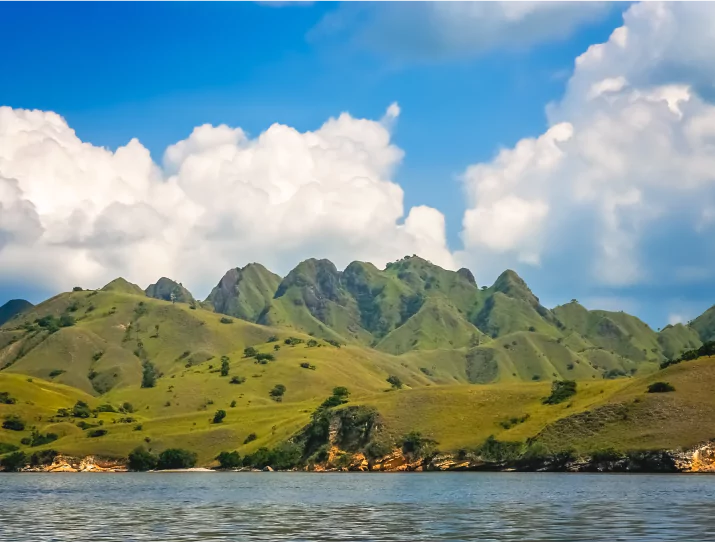
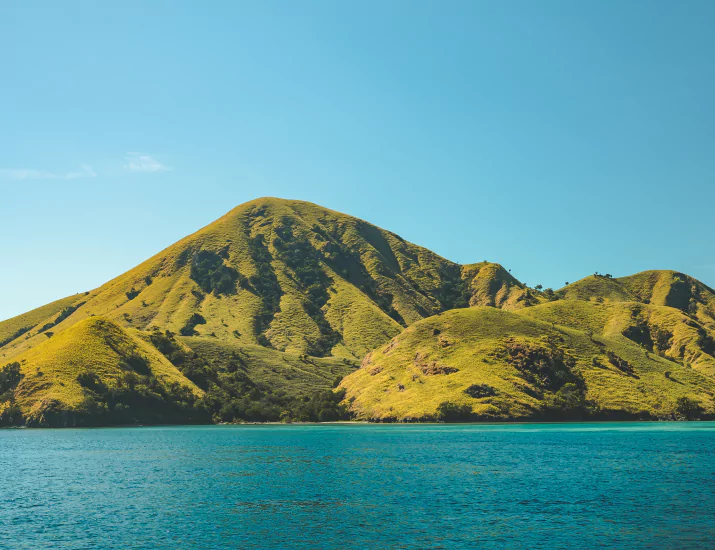
Nascosto nella parte orientale dell’Indonesia, tra le isole di Sumbawa e Flores, l’arcipelago di Komodo è un sito patrimonio mondiale dell’UNESCO che dà la sensazione di fare un salto indietro nel tempo. A differenza delle destinazioni turistiche più sviluppate del Sud-Est asiatico, Komodo ha conservato il suo carattere selvaggio e incontaminato. I paesaggi sono spettacolari: colline vulcaniche ricoperte dall’erba della savana scendono a picco su baie turchesi incorniciate da spiagge di sabbia bianca e rosa.
Ciò che rende speciale una vacanza sull’isola di Komodo è l’enorme varietà di attività che è possibile svolgere in un unico viaggio. Al mattino potresti fare un'escursione nella foresta secca in compagnia dei varani di Komodo sull'isola di Rinca. Nel pomeriggio potresti fare snorkeling con le mante a Manta Point. E al tramonto, dal ponte di una tradizionale barca di legno, potrai ammirare le volpi volanti che solcano un cielo infuocato.
Raggiungere Komodo è più facile di quanto la maggior parte delle persone pensi. Labuan Bajo, la città di accesso situata all’estremità occidentale di Flores, è servita da voli giornalieri provenienti da Bali e Giacarta. Da lì, le isole del parco nazionale e il Komodo Resort sono raggiungibili con un breve tragitto in barca: abbastanza vicini da essere comodi, abbastanza lontani da trasmettere una meravigliosa sensazione di isolamento.
Alla scoperta dei leggendari draghi di Komodo
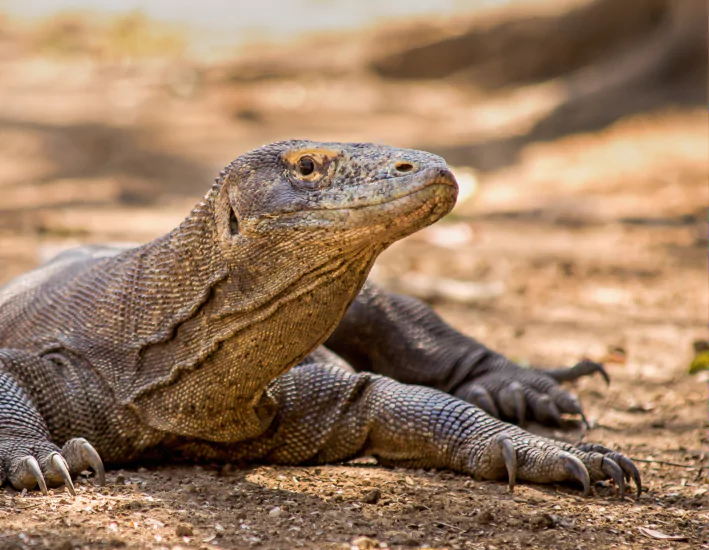
Nessuna vacanza alle Isole Komodo può dirsi completa senza aver visto l’animale che ha dato il nome all’arcipelago. Il drago di Komodo — Varanus komodoensis — è la lucertola vivente più grande del mondo, in grado di raggiungere i tre metri di lunghezza e un peso superiore ai 70 chilogrammi. Circa 3.000 di questi formidabili rettili popolano le isole di Komodo e Rinca, e osservarli nel loro habitat naturale è un’esperienza davvero emozionante.
Le escursioni guidate sulle isole di Komodo e Rinca sono condotte da ranger del parco esperti che conoscono a fondo le abitudini e il territorio dei varani. Camminerete lungo sentieri ben tracciati attraverso la foresta tropicale secca e la savana aperta, avvistando spesso i varani che si crogiolano al sole vicino alle pozze d’acqua o che pattugliano il sottobosco con la loro caratteristica andatura lenta e misurata. Gli incontri risultano sorprendentemente ravvicinati — tanto da poter osservare il movimento rapido delle loro lingue biforcute mentre annusano l’aria alla ricerca di prede.
Al di là dei draghi stessi, questi percorsi offrono uno spaccato di un ecosistema straordinario. I cervi di Timor pascolano nelle radure, i bufali selvatici si rotolano nei ruscelli fangosi e decine di specie di uccelli — dal gallo della boscaglia dai piedi arancioni alle aquile di mare dal ventre bianco — riempiono la chioma degli alberi con i loro versi. È un luogo in cui la catena alimentare si svolge sotto gli occhi di tutti, e anche una breve visita lascia un ricordo indelebile.
I tour alla scoperta dei draghi partono solitamente da Labuan Bajo o direttamente dal Komodo Resort e possono essere abbinati ad altre attività, come lo snorkeling a Pink Beach o un’escursione al belvedere sull’isola di Padar, per una giornata intera all’insegna dell’esplorazione.
Immersioni di livello mondiale nel Parco Nazionale di Komodo
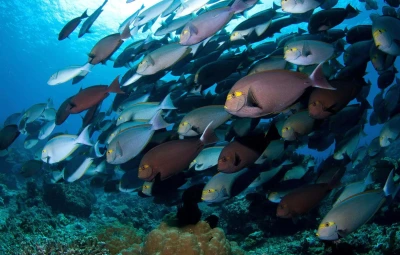
Se c’è una cosa che trasforma una vacanza a Komodo da semplicemente fantastica a straordinaria, è proprio l’immersione subacquea. Il Parco Nazionale di Komodo si colloca costantemente tra le prime cinque destinazioni al mondo per le immersioni, e a ragione. Il parco sorge nel punto di convergenza tra l’Oceano Indiano e l’Oceano Pacifico, dove si formano correnti ricche di sostanze nutritive che alimentano una densità sorprendente di vita marina: qui sono state registrate oltre 1.000 specie di pesci, 260 specie di coralli costruttori di barriera e 70 specie di spugne.
Le condizioni di immersione sono meravigliosamente variegate. I siti riparati a sud, come Cannibal Rock e Torpedo Alley, offrono esplorazioni tranquille in stile “muck diving” alla scoperta di creature bizzarre: polpi dagli anelli blu, seppie sgargianti e cavallucci marini pigmei nascosti tra i coralli. A nord, i pinnacoli battuti dalle correnti come Batu Bolong, Crystal Rock e Castle Rock attirano enormi banchi di fucilieri, carangidi e pesci chirurgo che turbinano intorno a te in vortici argentati, mentre gli squali di barriera pattugliano i pendii più profondi.
E poi ci sono le mante. Komodo è uno dei luoghi più affidabili al mondo per immergersi e fare snorkeling con le mante sia di barriera che oceaniche. In siti come Manta Point e Cauldron, questi giganti aggraziati nuotano con grazia tra le stazioni di pulizia e le zone di alimentazione, a volte in gruppi di una dozzina o più. Nuotare al fianco di una manta di quattro metri mentre scivola senza sforzo nell’azzurro è il tipo di esperienza che ridefinisce la tua concezione dell’oceano.
Il Komodo Resort gestisce un proprio centro immersioni PADI con istruttori esperti e attrezzatura ben mantenuta. Che siate principianti desiderosi di ottenere il brevetto Open Water o subacquei esperti alla ricerca di grandi pesci pelagici, il centro immersioni organizza escursioni su misura in base al vostro livello e ai vostri interessi. In una tipica giornata di immersioni si visitano da due a tre siti, mentre gli intervalli in superficie vengono trascorsi esplorando spiagge appartate o facendo snorkeling nelle acque poco profonde.
Snorkeling: il mondo sottomarino di Komodo senza bombole
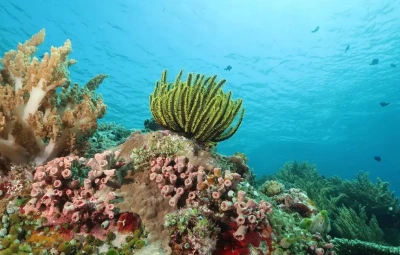
Non serve un brevetto subacqueo per scoprire l’incredibile mondo sottomarino di Komodo. Molti dei siti più belli del parco sono accessibili agli amanti dello snorkeling, con barriere coralline rigogliose che iniziano a solo uno o due metri sotto la superficie. La limpidezza dell’acqua — con una visibilità che spesso raggiunge i 20-30 metri — permette di galleggiare sopra vasti giardini di coralli duri e molli brulicanti di pesci tropicali.
Pink Beach è una delle pochissime spiagge al mondo con sabbia rosa ed è una delle mete preferite per lo snorkeling. La spiaggia deve il suo colore rosato ai frammenti di corallo rosso mescolati alla sabbia bianca e, appena al largo, la barriera corallina scende a picco formando una parete di colori: pesci farfalla, pesci pappagallo e pesci pagliaccio sfrecciano tra i coralli ramificati, mentre le tartarughe verdi scivolano nelle acque più profonde.
Manta Point è altrettanto spettacolare per chi pratica lo snorkeling. Qui le mante si nutrono vicino alla superficie ed è frequente vederle compiere giri su se stesse e capriole a pochi metri sotto di te. Per molti visitatori, questa singola esperienza diventa il ricordo più significativo della loro vacanza sull’isola di Komodo.
Le escursioni di snorkeling organizzate dall’Komodo Resort includono tutta l’attrezzatura necessaria e sono guidate da personale che sa esattamente dove si concentra la fauna marina più interessante in ogni singolo giorno. Le escursioni di un’intera giornata combinano diverse tappe di snorkeling con momenti di relax in spiaggia, trekking alla ricerca dei varani e un pranzo al sacco servito su un tranquillo tratto di spiaggia.
Escursioni da un’isola all’altra e tour nei dintorni di Komodo
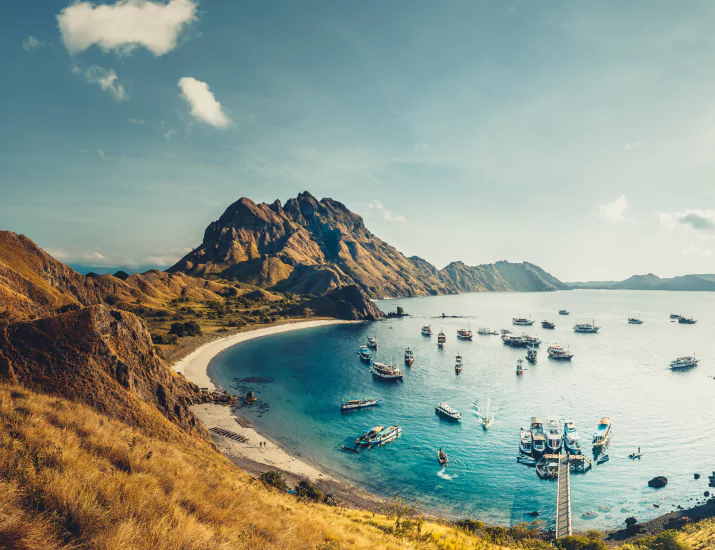
L'arcipelago di Komodo è composto da decine di isole, ognuna con le proprie caratteristiche, e i tour da un'isola all'altra sono uno dei modi migliori per godersi appieno questa esperienza. La maggior parte dei tour con più tappe parte al mattino e rientra al tramonto, consentendo di ammirare una varietà di attrazioni naturali, spiagge e incontri con la fauna selvatica.
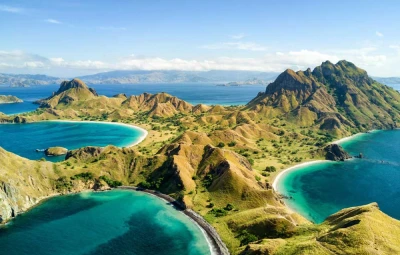
L'isola di Padar è, a ragione, il luogo più fotografato del parco. Una camminata di 30 minuti fino alla cima vi regalerà una vista panoramica su tre baie a forma di mezzaluna: una con sabbia bianca, una con sabbia rosa e una con sabbia vulcanica nera. Lo spettacolo è particolarmente suggestivo all’alba, quando la luce tinge d’oro i pendii delle colline e l’acqua sottostante sfuma tra tonalità di turchese e zaffiro.
L'isola di Kalong offre uno spettacolo completamente diverso. Ogni sera, al tramonto, migliaia di volpi volanti giganti — pipistrelli della frutta con un'apertura alare che può raggiungere 1,5 metri — emergono dalla foresta di mangrovie e solcano il cielo in una processione che sembra non finire mai. Osservare da una barca ancorata al largo la sagoma dei pipistrelli che si staglia contro il tramonto è uno dei momenti più suggestivi di Komodo.
Altre tappe popolari includono l’Isola di Kanawa, un minuscolo isolotto circondato da barriere coralline, perfetto per nuotare e fare snorkeling, e le foreste di mangrovie vicino a Rinca, dove è possibile andare in kayak o pagaiare attraverso canali tranquilli alla ricerca di aironi, martin pescatori e varani. Per chi desidera avventurarsi più lontano, le crociere subacquee di più giorni consentono di spingersi fino alle remote isole periferiche, raramente visitate da altri turisti.
Dove alloggiare: come scegliere la sistemazione giusta a Komodo
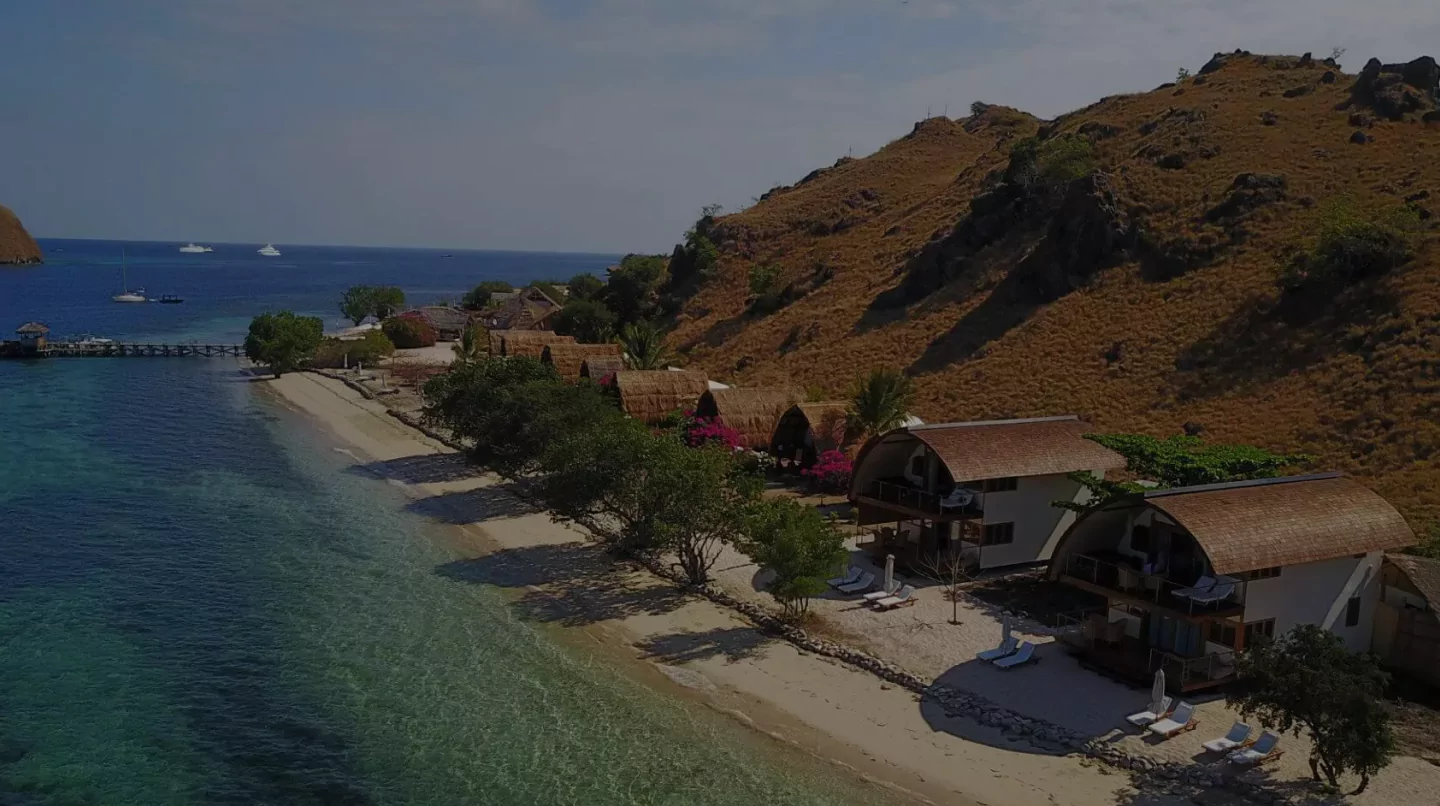
Il luogo in cui alloggi determina l’intera esperienza a Komodo. Labuan Bajo è cresciuta rapidamente negli ultimi anni, con nuovi hotel e ostelli che sono spuntati lungo il lungomare. Ma la città stessa — pur essendo un utile punto di transito — è rumorosa, polverosa e dista un tragitto in barca dal vero e proprio parco nazionale. Se siete arrivati fin qui, vorrete svegliarvi con la vista sull’oceano e il canto degli uccelli, non con il rumore del traffico.
Il Komodo Resort sorge su una spiaggia privata sull’isola di Sebayur, proprio all’interno dei confini del parco nazionale. Grazie a questa posizione, vi troverete già nel cuore dell’azione: i siti di immersione, i punti per lo snorkeling e le isole dove fare trekking alla ricerca dei varani sono tutti raggiungibili con un breve tragitto in barca, evitando così i lunghi trasferimenti giornalieri che, soggiornando a Labuan Bajo, vi farebbero perdere tempo prezioso.
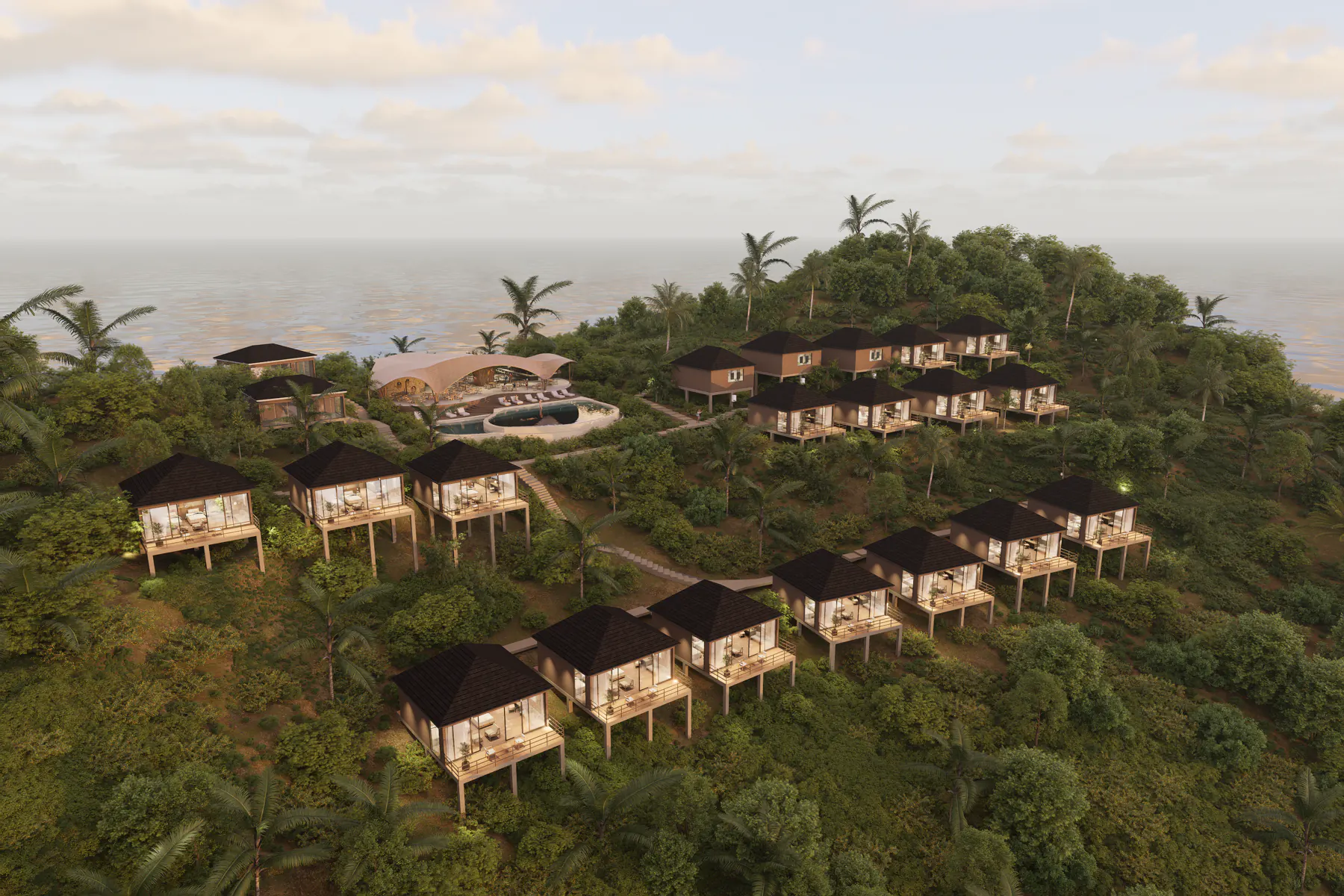
Il resort offre 31 bungalow che spaziano dalle camere fronte mare a pochi passi dall’acqua alle suite in cima alla collina con vista mozzafiato sull’oceano. Tutte sono costruite con materiali naturali — legno, pietra e paglia — in uno stile che si fonde con il paesaggio anziché contrastarlo. La filosofia progettuale è quella del comfort senza pretese: i ventilatori a soffitto integrano l’aria condizionata, i bagni all’aperto consentono di fare la doccia sotto le stelle e le terrazze private si affacciano sul mare.
Oltre alle camere, il resort comprende un ristorante con servizio completo che propone cucina indonesiana, asiatica e occidentale, un bar sulla spiaggia, una spa che offre trattamenti tradizionali balinesi e un centro immersioni PADI. C'è anche una barriera corallina accessibile direttamente dalla spiaggia: un tratto di corallo in ottimo stato dove è possibile fare snorkeling in qualsiasi momento senza bisogno di una barca.
Per gli ospiti che desiderano abbinare il proprio soggiorno a una crociera subacquea, il Komodo Resort gestisce due imbarcazioni di lusso — la Komodo Sea Dragon e la King Neptune — che offrono itinerari di immersioni e crociere di più giorni all’interno del parco.
Il periodo migliore per visitare l'isola di Komodo
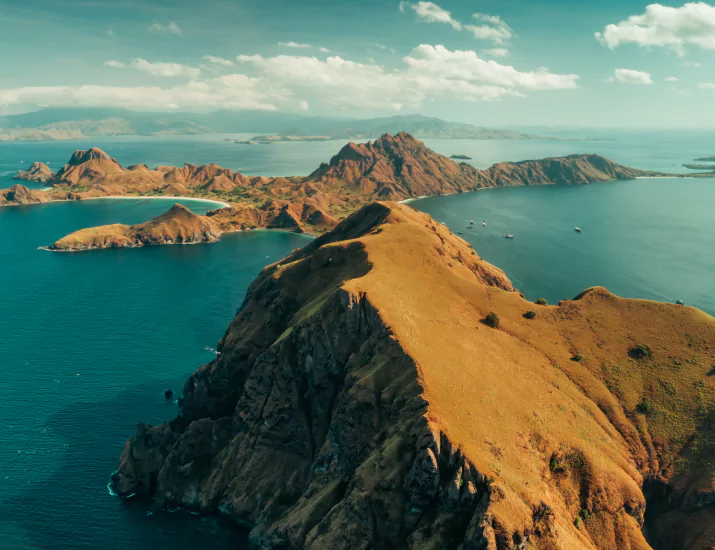
Komodo gode di un clima tropicale caratterizzato da due stagioni ben distinte. La stagione secca va da aprile a novembre e porta con sé temperature calde, mare calmo e un’ottima visibilità per le immersioni e lo snorkeling. Questo è il periodo di punta per i visitatori, e a ragione: le condizioni sono quasi perfette per tutte le attività che le isole offrono.
All’interno della stagione secca, il periodo da aprile a giugno e quello da settembre a novembre sono spesso considerati i mesi migliori. Il tempo è stabile, gli avvistamenti di mante sono frequenti e il parco è meno affollato rispetto al periodo di punta di luglio-agosto. La temperatura dell’acqua si aggira intorno ai 26–28 °C, mentre in superficie le massime diurne si attestano intorno ai 30 °C con bassa umidità.
La stagione delle piogge, che va da dicembre a marzo, porta piogge periodiche e correnti più forti. È comunque possibile immergersi — e alcuni siti diventano addirittura più interessanti in questo periodo, poiché la fioritura del plancton attira mante e squali balena — ma il mare può essere più mosso e alcuni siti più lontani potrebbero risultare inaccessibili. Il lato positivo è che ci sono meno visitatori e i prezzi sono più bassi.
Indipendentemente dal periodo in cui decidete di venire, vale la pena prenotare con largo anticipo. Le camere fronte mare e con vista panoramica del Komodo Resort si esauriscono con mesi di anticipo durante l’alta stagione, mentre i viaggi in barca da crociera vanno a ruba ancora prima. Pianificare con tre-sei mesi di anticipo vi garantisce di ottenere le date, la tipologia di camera e le attività che desiderate.
Cibo e cultura sull’isola di Komodo
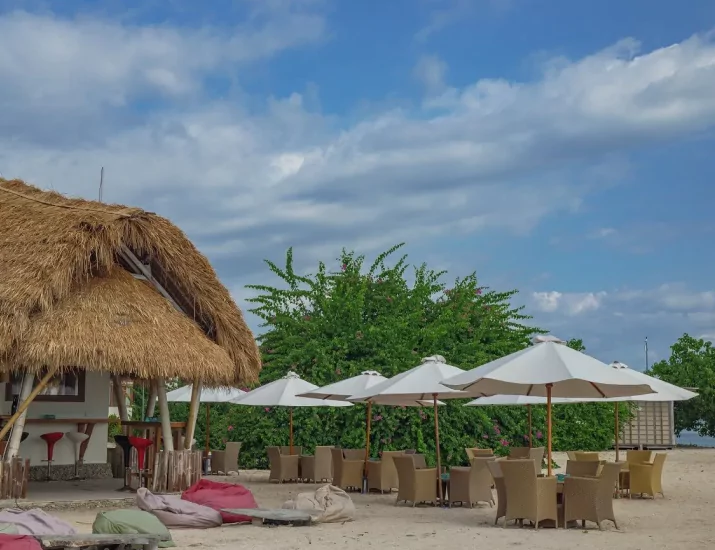
Una vacanza sull’isola di Komodo è anche un viaggio culinario alla scoperta dei sapori indonesiani. La cucina della regione attinge alle tradizioni ricche di spezie delle Piccole Isole della Sonda, con il pesce fresco come ingrediente principale. Pesce alla griglia appena pescato al mattino, sambal a base di peperoncini locali e profumati piatti a base di riso aromatizzati con citronella, curcuma e galanga sono i piatti tipici di tutti i giorni.
Al Komodo Resort la cucina propone un menù che varia periodicamente, in grado di coniugare autentici piatti indonesiani con proposte internazionali. La colazione comprende frutta tropicale, succhi freschi e dolci locali, oltre ai classici occidentali. A pranzo e a cena è possibile gustare di tutto, dal nasi goreng al satay, dall’aragosta alla griglia alla pasta, con opzioni vegetariane e per esigenze alimentari specifiche sempre disponibili.
Il bar sulla spiaggia è il cuore sociale del resort, soprattutto al tramonto. Le birre Bintang ghiacciate, i cocktail freschi e un posto in prima fila per ammirare alcuni dei tramonti più suggestivi dell’Indonesia rendono questo luogo perfetto per perdere la cognizione del tempo. Molti ospiti trascorrono qui le loro serate, scambiandosi racconti sulle immersioni della giornata e pianificando le avventure del giorno successivo.
Dal punto di vista culturale, la regione di Komodo fa parte del gruppo etnico dei Manggarai, le cui tradizioni — dalle cerimonie di combattimento con la frusta alle caratteristiche risaie a forma di ragnatela nei pressi di Ruteng — offrono un contesto affascinante per i viaggiatori che desiderano andare oltre i soliti itinerari turistici.
Turismo sostenibile e conservazione a Komodo
Visitare Komodo comporta la responsabilità di contribuire alla sua tutela. Il parco nazionale deve affrontare pressioni concrete: dalla pesca illegale e dal bracconaggio all’impatto ambientale causato dal crescente numero di visitatori. È importante scegliere come e dove spendere i propri soldi.
Il Komodo Resort svolge un ruolo attivo nella tutela dell'ambiente. Il resort impiega personale locale proveniente dalle comunità circostanti, si rifornisce di generi alimentari da fornitori regionali e si impegna a ridurre al minimo il proprio impatto ambientale attraverso la gestione dei rifiuti, l'efficienza energetica e programmi di protezione della barriera corallina. Durante i briefing pre-immersione vengono fornite indicazioni su come interagire in modo responsabile con la barriera corallina: non toccare i coralli, non inseguire la fauna marina e controllare attentamente l'assetto.
Il governo indonesiano ha inoltre adottato misure volte a conciliare il turismo con la tutela dell’ambiente, tra cui la limitazione del numero di visitatori su alcune isole e l’introduzione di biglietti d’ingresso ai parchi, il cui ricavato finanzia le pattuglie dei ranger e le iniziative contro il bracconaggio. In qualità di visitatori, pagando questi biglietti e rispettando le regole dei parchi, contribuisci direttamente alla conservazione di questo straordinario ecosistema.
Quando scegli una vacanza sull’isola di Komodo con un operatore impegnato nella sostenibilità, non stai semplicemente trascorrendo una vacanza: stai contribuendo alla sopravvivenza a lungo termine di uno dei luoghi con la maggiore biodiversità del pianeta. Questo è un ritorno significativo per qualsiasi viaggio.
Organizza la tua vacanza sull’isola di Komodo: consigli pratici
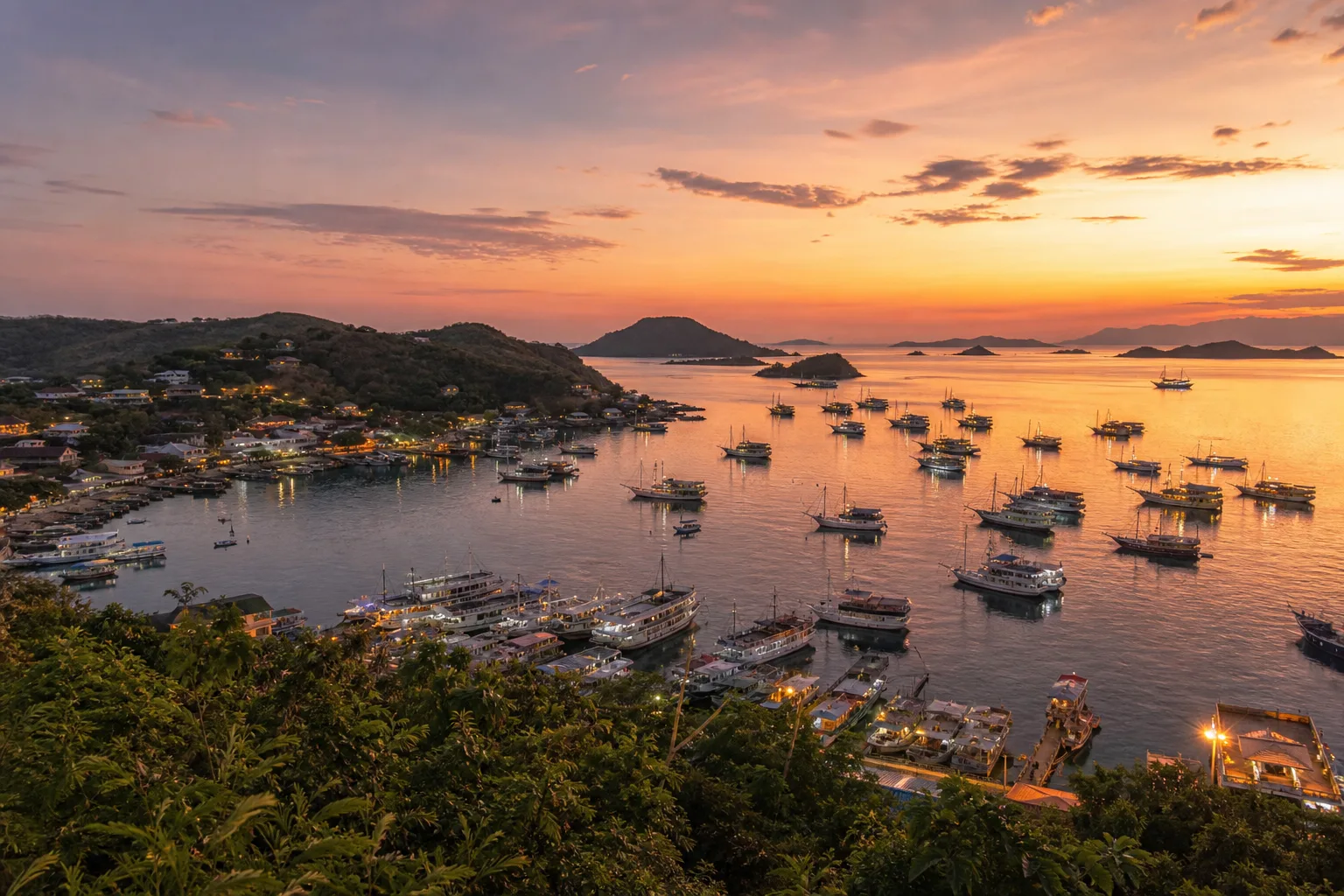
Per raggiungere Komodo occorre prima prendere un volo per Labuan Bajo (codice aeroportuale LBJ). Garuda Indonesia, Lion Air e diverse altre compagnie aeree operano collegamenti giornalieri dall’aeroporto Ngurah Rai di Bali (circa 1,5 ore) e da Giacarta. Da Labuan Bajo, il Komodo Resort organizza trasferimenti in barca verso l’isola di Sebayur: un viaggio panoramico di 30 minuti attraverso l’arcipelago.
Per quanto riguarda i bagagli, punta su un equipaggiamento leggero e pratico. Abiti ad asciugatura rapida, crema solare rispettosa della barriera corallina, un buon cappello e sandali robusti per le escursioni sull’isola ti permetteranno di affrontare la maggior parte delle situazioni. Se hai intenzione di fare immersioni, portare la tua maschera ti garantirà una vestibilità perfetta, anche se il centro immersioni del resort fornisce tutta l’altra attrezzatura. Una custodia impermeabile per il telefono è indispensabile per le giornate in barca e lo snorkeling.
La maggior parte dei visitatori trascorre da quattro a sette notti a Komodo, il che offre tempo sufficiente per fare immersioni o snorkeling in diversi siti, partecipare a un’escursione alla ricerca dei varani, ammirare il tramonto a Padar e avere ancora una giornata per rilassarsi in spiaggia con un libro. Soggiorni più lunghi consentono di aggiungere crociere subacquee o di esplorare l’isola di Flores, dove è possibile visitare villaggi tradizionali, laghi vulcanici e il famoso cratere di Kelimutu.
Per quanto riguarda la salute e la sicurezza, la situazione è semplice. Non sono richieste vaccinazioni particolari oltre alle normali raccomandazioni di viaggio, e il resort dispone di un punto di primo soccorso ben attrezzato. L’ospedale più vicino si trova a Labuan Bajo, raggiungibile in motoscafo in meno di un’ora. Si raccomanda vivamente di stipulare un’assicurazione di viaggio che includa la copertura per le immersioni.
La valuta locale è la rupia indonesiana, anche se il resort accetta le principali carte di credito. Il Wi-Fi è disponibile presso il resort, anche se la velocità è modesta — cosa che la maggior parte degli ospiti considera un pregio, non un difetto. Dopotutto, questo è un posto dove staccare la spina.
Frequently Asked Questions
Scopri di più su Komodo
Sei pronto a organizzare la tua vacanza sull’isola di Komodo?
Scopri il nostro resort su un’isola privata, il nostro centro immersioni PADI e le nostre lussuose crociere subacquee — il tutto nel cuore del Parco Nazionale di Komodo.
Scopri le nostre camere