If you are planning a trip to Komodo National Park, you have probably asked yourself: is it actually safe? The short answer is yes. Thousands of visitors explore the park every week without incident, and the area is well managed by Indonesian park authorities (BTNK). But Komodo is not a theme park. It is a remote wilderness area with large predators, strong ocean currents, limited medical infrastructure, and equatorial heat. Understanding the real risks and how to manage them is the difference between a safe, unforgettable trip and one that goes wrong.
This guide covers every safety concern you are likely to encounter in Komodo National Park in 2026, based on over a decade of operating inside the park.
Komodo Dragon Safety
The Komodo dragon is the world's largest living lizard, reaching up to 3 metres in length and weighing over 70 kg. They are apex predators with venomous bites, powerful tails, and surprising speed over short distances (up to 20 km/h). Fatal attacks on humans are extremely rare, but they do happen. The last fatal attack was in 2009.
The risk is real but manageable. Every visitor entering dragon territory on Komodo Island or Rinca Island is required by law to be accompanied by a licensed park ranger. Rangers carry forked wooden sticks and are trained in dragon behaviour. They know the warning signs, the safe distances, and the escape routes. No visitor following ranger instructions has ever been seriously injured.
Rules for Dragon Encounters
- Never walk alone in dragon territory. Ranger-guided treks are mandatory on Komodo and Rinca islands.
- Maintain at least 5 metres distance from any dragon. They can lunge quickly from a resting position.
- Do not crouch or sit on the ground near dragons. Stay upright and appear large.
- Avoid wearing strong perfumes or scented products. Komodo dragons have an extremely powerful sense of smell and can detect scents from kilometres away.
- Women who are menstruating should inform the ranger. Park authorities advise extra caution as dragons are attracted to the scent of blood.
- Do not bring food on treks. Food smells attract dragons and other wildlife.
- Never turn your back and run. If a dragon approaches, back away slowly while facing it and follow ranger instructions.
- Wear neutral colours. Avoid bright or reflective clothing that may attract attention.

Boat and Maritime Safety
Getting to Komodo National Park involves boat travel from Labuan Bajo, and conditions on the Flores Sea can change rapidly. Most safety incidents in the region are boat-related rather than dragon-related.
Key Risks
- Rough seas: afternoon crossings can be choppy, especially during the wet season (November to March). Morning departures are generally calmer.
- Overcrowded boats: budget day trips sometimes overload vessels beyond safe capacity.
- Poorly maintained vessels: not all operators maintain their boats to the same standard. Engine failures and navigation equipment issues do occur.
- Night sailing restrictions: as of 2026, local authorities have discouraged night sailing from Labuan Bajo due to safety concerns. Most reputable operators now avoid night departures.
How to Stay Safe on Boats
- Choose licensed, reputable operators. Check reviews, verify insurance, and ask about safety equipment before booking. A certified operator will have life jackets, fire extinguishers, GPS, and radio communication on board.
- Wear your life jacket during speedboat transfers and in rough conditions. Do not wait to be told.
- Take morning departures. Seas are typically calmer before midday. Afternoon returns can be rough.
- Take motion sickness medication before departure if you are prone to seasickness. The boat ride from Labuan Bajo to the park takes 1.5 to 3 hours depending on the destination.
- Avoid the cheapest day trip options. Low prices often mean older boats, larger groups, less safety equipment, and less experienced crews.
Diving and Snorkeling Safety
Komodo is one of the world's premier dive destinations, but its waters are not for the complacent. The park sits at the convergence of the Indian and Pacific Oceans, creating powerful currents, thermoclines, and variable visibility. These conditions produce the extraordinary marine biodiversity that draws divers here, but they also create real hazards.
Current Risks
Currents in Komodo are among the strongest in Southeast Asia. Sites like Shotgun, Castle Rock, and the Cauldron regularly produce currents exceeding 3 knots. Conditions can change within minutes. Downcurrents and upcurrents are common at certain sites, particularly in the central and southern zones.
Safety Measures for Divers
- Dive with an experienced Komodo operator. Local knowledge of current patterns, timing, and site-specific hazards is essential. A good dive guide will check conditions before every dive and adjust the plan accordingly.
- Carry your own SMB (Surface Marker Buoy). If you are separated from the group, an SMB is your primary tool for being located by the boat.
- Be honest about your skill level. Some Komodo sites are genuinely advanced. If you are not comfortable in strong currents, tell your guide. There are excellent sites for all levels.
- Never dive alone. Always stay within visual contact of your buddy and dive guide.
- Respect the thermoclines. Water temperatures can drop from 28 degrees C to 22 degrees C within a few metres, especially at south Komodo sites like Cannibal Rock. Cold shock can affect breathing and buoyancy control.
Snorkeling Safety
- Always snorkel with a guide at sites with known currents. Even strong swimmers can be caught off guard by currents at Manta Point, Pink Beach, and Taka Makassar.
- Wear a life jacket or rash guard with flotation if you are not a confident swimmer. There is no shame in this, and most operators provide them.
- Enter and exit the water from the boat. Do not swim to shore at unfamiliar beaches. Coral, rocks, and currents near shorelines can be dangerous.
- Watch for jellyfish. Seasonal jellyfish blooms occur, particularly during the wet season. A rash guard or wetsuit provides protection.
Health and Medical Risks
Komodo National Park is remote. The nearest hospital is in Labuan Bajo, and it is a basic regional facility. During a liveaboard trip, you may be several hours from shore. There is no hyperbaric chamber in Labuan Bajo; the nearest is in Bali. Understanding the health risks and preparing accordingly is essential.
Common Health Issues
| Risk | Likelihood | Prevention |
|---|---|---|
| Sunburn and heat exhaustion | Very high | SPF 50+ reef-safe sunscreen, hat, hydration, shade breaks |
| Motion sickness | High | Medication before departure, ginger tablets, sit near the centre of the boat |
| Dehydration | High | Drink 3+ litres per day, electrolyte sachets, avoid alcohol before activities |
| Traveller's diarrhoea | Moderate | Bottled water only, avoid raw food from street vendors, hand sanitiser |
| Mosquito-borne illness (dengue, malaria) | Low to moderate | DEET 30%+ repellent, long sleeves at dusk, consult a travel doctor for prophylaxis |
| Coral cuts and sea urchin stings | Moderate | Water shoes, do not touch coral, clean wounds immediately with antiseptic |
| Diving decompression illness | Low | Follow dive tables/computer, safety stops, no flying within 24 hours of diving |
Medical Facilities
- Labuan Bajo: RSUD Komodo hospital provides basic emergency care, X-rays, and minor surgery. For serious injuries or illness, evacuation to Bali or Jakarta is standard.
- No hyperbaric chamber in Labuan Bajo. The nearest operational chamber is at Sanglah Hospital in Denpasar, Bali (approximately 1 hour by air).
- Travel insurance is essential. Your policy must cover diving (if applicable), boat travel, and medical evacuation by air. Evacuation from Labuan Bajo to Bali can cost USD 10,000 to 25,000 without insurance.
Vaccinations
Consult a travel doctor at least 6 weeks before your trip. Commonly recommended vaccinations include Hepatitis A and B, Typhoid, and Tetanus. Malaria prophylaxis may be recommended for East Nusa Tenggara, though the risk within the park itself is low.

Scams and Tourist Traps
Labuan Bajo is a small town, and serious crime against tourists is very rare. However, as tourism has grown, so have minor scams and overcharging. Being aware of common tactics helps you avoid them.
- Unlicensed tour operators: some individuals sell tours on the street or through social media without proper licensing, insurance, or safety equipment. Always book through a licensed operator or your accommodation.
- Overcharging for transport: airport taxis and local transport may not use meters. Agree on a price before getting in, or use a ride-hailing app where available.
- Fake permits: with the new SiORA booking system and daily visitor quota (1,000 people per day as of April 2026), some touts claim to have reserved permits. Only book permits through the official SiORA app or a licensed tour operator.
- Hidden fees on cheap tours: ultra-budget day trips sometimes advertise low headline prices but add fees for park entry, snorkeling gear, lunch, and ranger guides once you are already committed.
- Currency exchange: exchange money at banks or ATMs in Labuan Bajo, not at informal exchange counters. ATMs can be unreliable during peak season, so withdraw cash in Bali before arriving.
Natural Hazards
Heat and Sun
Komodo sits near the equator with year-round temperatures between 28 and 35 degrees C. The combination of direct sun, physical activity (trekking, swimming), and boat travel makes heat-related illness one of the most common problems visitors face. Drink at least 3 litres of water per day. Take breaks in the shade. Wear a wide-brimmed hat during treks. The Padar Island sunrise hike, while stunning, is fully exposed with no shade.
Terrain
The trails on Padar, Komodo, and Rinca islands are rocky, dusty, and steep in sections. Slips and falls are common, especially in flip-flops. Wear proper hiking shoes with grip. The descent from Padar viewpoint is steeper than it looks and becomes slippery after rain.
Marine Life
While Komodo's marine life is overwhelmingly harmless and spectacular, a few species require awareness:
- Jellyfish: seasonal blooms, particularly during the wet season. A rash guard or thin wetsuit provides effective protection.
- Sea urchins: common on rocky reef areas. Water shoes and careful foot placement prevent most injuries.
- Reef sharks: white-tip and black-tip reef sharks are present at many sites. They are not aggressive toward humans and will avoid you. Do not touch or corner them.
- Blue-ringed octopus: extremely rare to encounter but highly venomous. Do not touch any marine life, especially small, colourful octopuses.
The 2026 Visitor Quota System
Starting April 2026, Komodo National Park enforces a strict daily cap of 1,000 visitors. Entry is managed through the SiORA mobile app, and walk-in permits are no longer available. This system directly improves safety by reducing overcrowding on trails, at beaches, and at dive/snorkel sites. However, it also means you must plan ahead.
- Book permits in advance, especially during peak season (June to August). Popular dates sell out weeks ahead.
- Book through a licensed operator who handles permits as part of the package. This ensures your entry is confirmed and legitimate.
- Keep your digital QR code accessible on your phone. You will need to present it at entry.
How to Minimise Risk: A Safety Checklist
| Category | Action |
|---|---|
| Before you go | Buy comprehensive travel insurance (diving + medical evacuation), visit a travel doctor, book through a licensed operator |
| Dragons | Always trek with a ranger, maintain 5m distance, no perfumes, no food on treks |
| Boats | Verify operator licensing, check safety equipment, wear life jacket, take morning departures |
| Diving | Dive with experienced Komodo guides, carry SMB, be honest about skill level, no flying within 24 hours |
| Snorkeling | Use a guide at current-prone sites, wear flotation if needed, never swim to unknown shores |
| Health | SPF 50+ sunscreen, 3L+ water daily, insect repellent, personal first-aid kit, electrolytes |
| Documents | SiORA permit, insurance documents (printed + digital), emergency contacts, dive cert if diving |
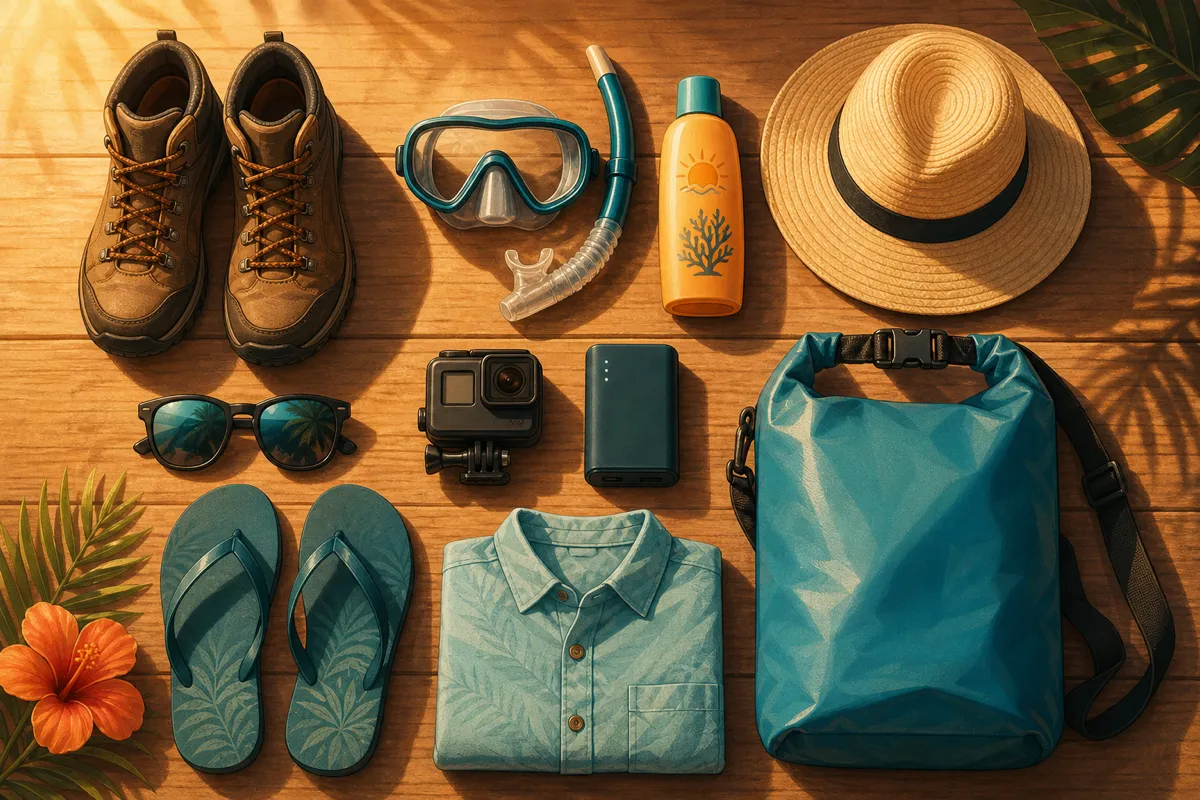
| Gear | Hiking shoes (not flip-flops), water shoes, hat with chin strap, dry bag for electronics |
Is Komodo Island Safe? The Bottom Line
Komodo National Park is safe for well-prepared visitors who respect the environment and follow the rules. The combination of licensed rangers, regulated boat operators, the new visitor quota system, and experienced dive guides means the risks are manageable. The people who get into trouble are almost always those who cut corners: choosing the cheapest unlicensed operator, ignoring ranger instructions, diving beyond their skill level, or underestimating the sun and the sea.
If you book with a reputable operator, follow your guides, carry proper insurance, and prepare for the climate, you will have one of the most extraordinary wildlife and diving experiences on the planet. The dragons, the manta rays, the coral reefs, and the volcanic landscapes are worth every precaution.
For more on planning your trip, see our entrance fees and regulations guide, our complete budget breakdown, and our 3, 5, and 7-day itineraries.