Manta Point Dive Site
The legendary cleaning station for manta rays in Komodo, where reef and oceanic giants glide in to be groomed over pale sand just a short boat ride from our island home.
About This Dive Site
Why Manta Point Komodo Belongs on Your Bucket List
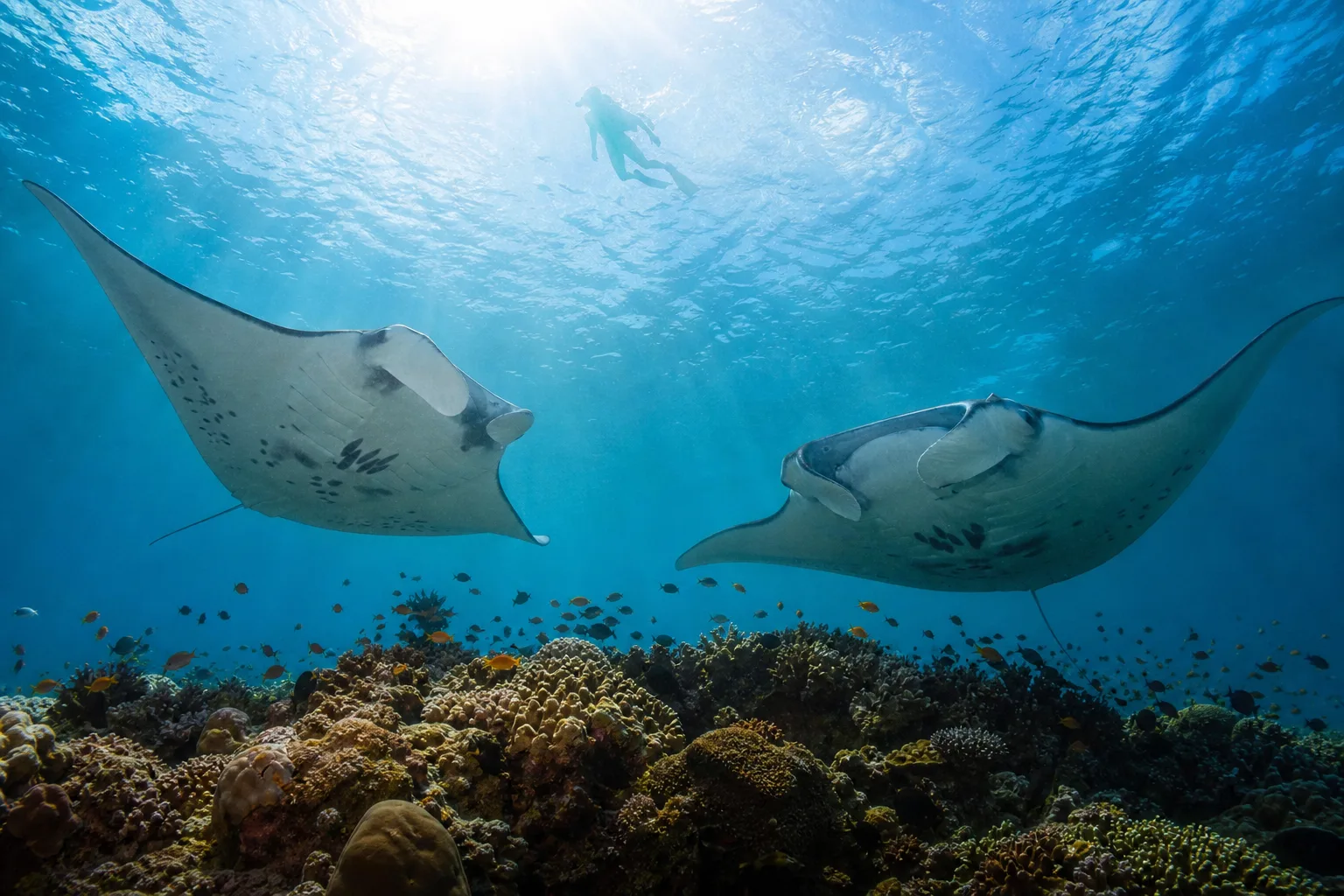
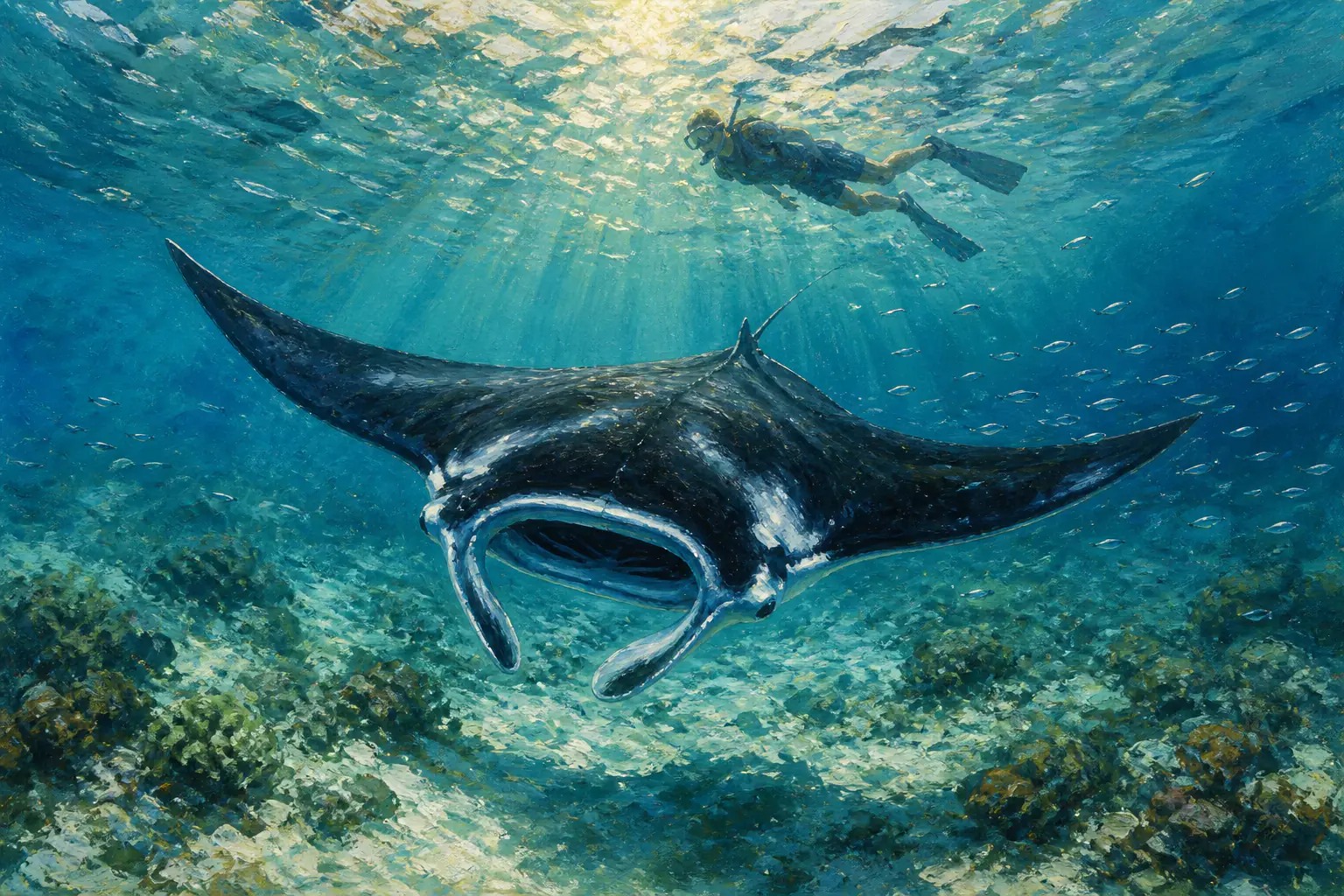
When divers ask us where to go for reliable manta encounters, we point them here. Manta Point Komodo is a shallow, sandy arena where cleaner wrasse and other small fish tend to both reef mantas and giant oceanic mantas. Those oceanic visitors can stretch their wings to about five meters, a sight that stays with you long after you surface.
During peak season from November through February, plankton blooms and favorable currents can bring what we call manta storms, loose formations of thirty or more animals wheeling through the water column. Even on quieter days, the rhythm of approach, hover, and glide above the cleaning stations makes every minute of bottom time feel intentional.
We love that the site stays approachable for newer divers while still thrilling photographers and veterans. Join us through our Komodo dive center, extend the adventure on a Komodo liveaboard, or sail with Komodo Sea Dragon or King Neptune when Manta Point slots into the route.
Quick Facts
Depth Range
8 – 20 meters
Level
All Levels
Current
Usually mild to moderate
Visibility
10 – 25 meters
Peak Season
November – February (large gatherings)
Water Temp
24 – 29°C
Highlights
Cleaning stations, reef and oceanic mantas
Boat Time
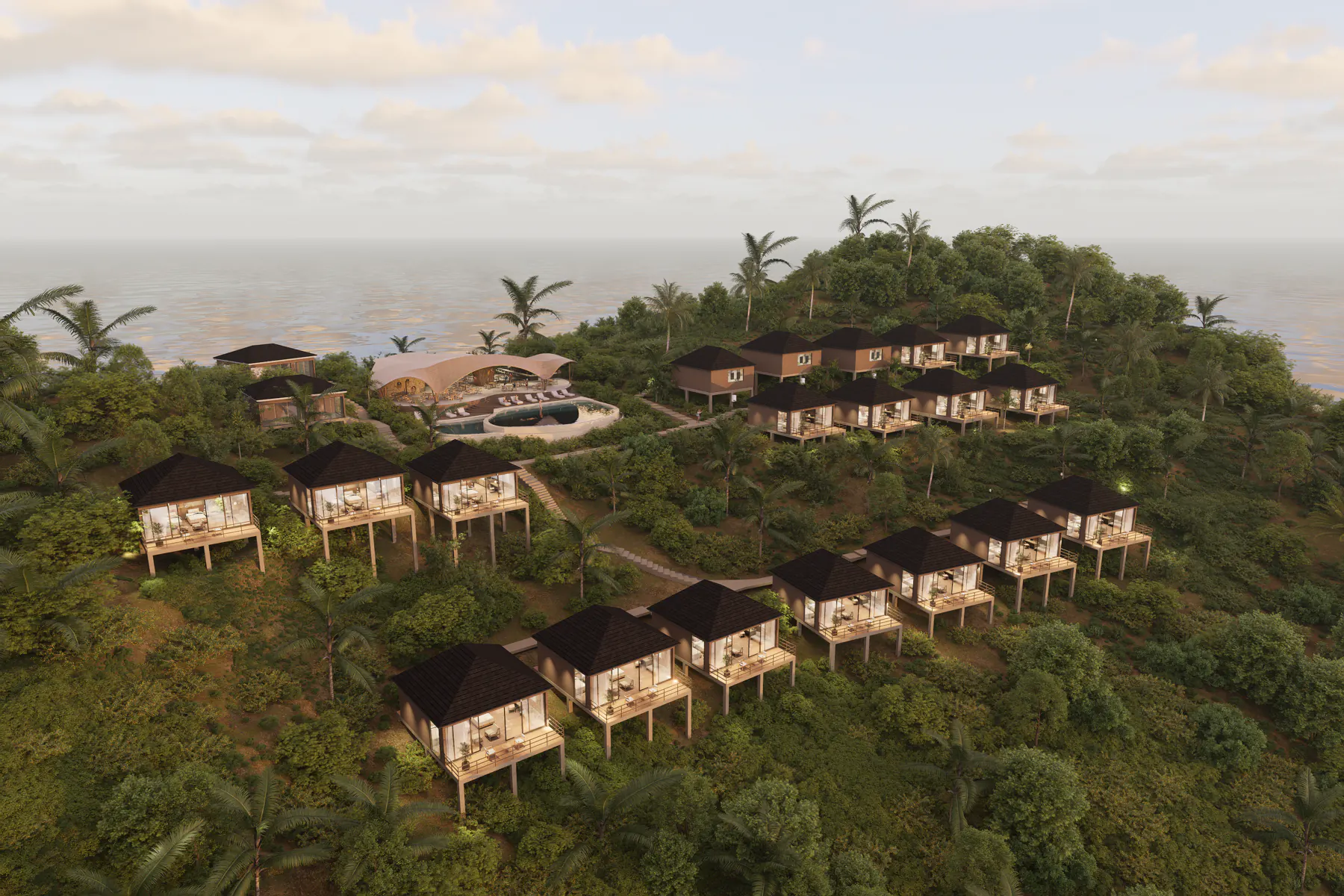
~40 min from Sebayur Island
What To Expect
The Manta Point Dive Experience
We usually anchor nearby, roll into clear water, and fin across a calm sandy bottom until the cleaning stations come into view. Mantas announce themselves from above as wide shadows, then settle into predictable circuits while wrasse pick at their skin and gills. Our job is to give them space, breathe slowly, and let the encounter unfold.
Because depths stay modest, diving with mantas here feels relaxed rather than rushed. You can watch mobula rays mix with the larger animals, spot garden eels trembling from the sand, and still have time for a safety stop under schools of reef fish. When the season peaks, the sky seems full of wings, a memory wide-angle shooters wait years to capture.
Surface intervals are short runs back to the boat, roughly forty minutes from Sebayur Island, so we can pair Manta Point with another shallow site when tides allow. If you are planning a dedicated manta ray diving Komodo week, ask our team how we balance Manta Point with current-driven sites elsewhere in the park.
Marine Life
What You’ll See at Manta Point
Dive Manta Point
Ready for Manta Ray Diving Komodo With Us?
Stay at Komodo Resort for daily boats to Manta Point Komodo, or extend your trip on a liveaboard when you want even more time in the water with mantas.
FAQ
Frequently Asked Questions
What is Manta Point Komodo famous for?
Manta Point Komodo is one of the most celebrated manta ray diving Komodo experiences in the park. It is a sandy-bottom cleaning station where small fish remove parasites from mantas. We see both reef mantas and giant oceanic mantas here, sometimes with wingspans up to five meters, making diving with mantas at this site unforgettable.
When is the best time for manta ray diving Komodo at Manta Point?
Manta rays are year-round visitors, but peak season from November through February often brings the largest gatherings. During those months we have seen true manta storms with thirty or more individuals in the water at once. Outside peak season we still schedule trips whenever forecasts look promising.
Is Manta Point suitable for beginner divers?
Yes. The site is relatively shallow and often calm, so we welcome Open Water divers and families with mixed certification levels. Our guides brief fin technique and positioning so everyone can enjoy the show without disturbing the mantas or the cleaners on the reef.
How deep is the dive and what is the bottom like?
Most of the action happens between eight and twenty meters over a sandy bottom with scattered coral heads and cleaning stations. We plan profiles conservatively so you have plenty of bottom time to hover and watch mantas loop overhead.
What camera gear works best at Manta Point?
Wide-angle photography is the star here. We recommend a rectilinear or fisheye lens, strobes set for large animals, and patience for repeated passes. Macro lovers still find subjects along the sand, but the reason people book Manta Point Komodo again and again is those wide, graceful manta silhouettes.
How do we get to Manta Point from Komodo Resort?
The boat ride is about forty minutes from our base on Sebayur Island. We include Manta Point on many of our daily schedules through the dive center, and it also appears on longer routes aboard Komodo Sea Dragon and King Neptune when conditions align with the itinerary.
Explore More
Other Komodo Dive Sites
Batu Bolong
Komodo's crown jewel with dense soft corals and abundant marine life.
Learn MoreSiaba Besar
Turtle City and gentle slopes ideal for relaxed reef diving.
Learn MoreTatawa Besar
Colorful coral gardens and drift-friendly currents.
Learn MoreAll Komodo Dive Sites
Compare all dive sites with our interactive map and comparison table.
Learn More