Cannibal Rock Dive Site
A Horseshoe Bay gem in southern Komodo where large trevallies, barracudas, and bamboo sharks share the reef with scorpionfish, nudibranchs, and frogfish hiding in the encrusting sponges.
About This Dive Site
Cannibal Rock Komodo: Big and Small Marine Life
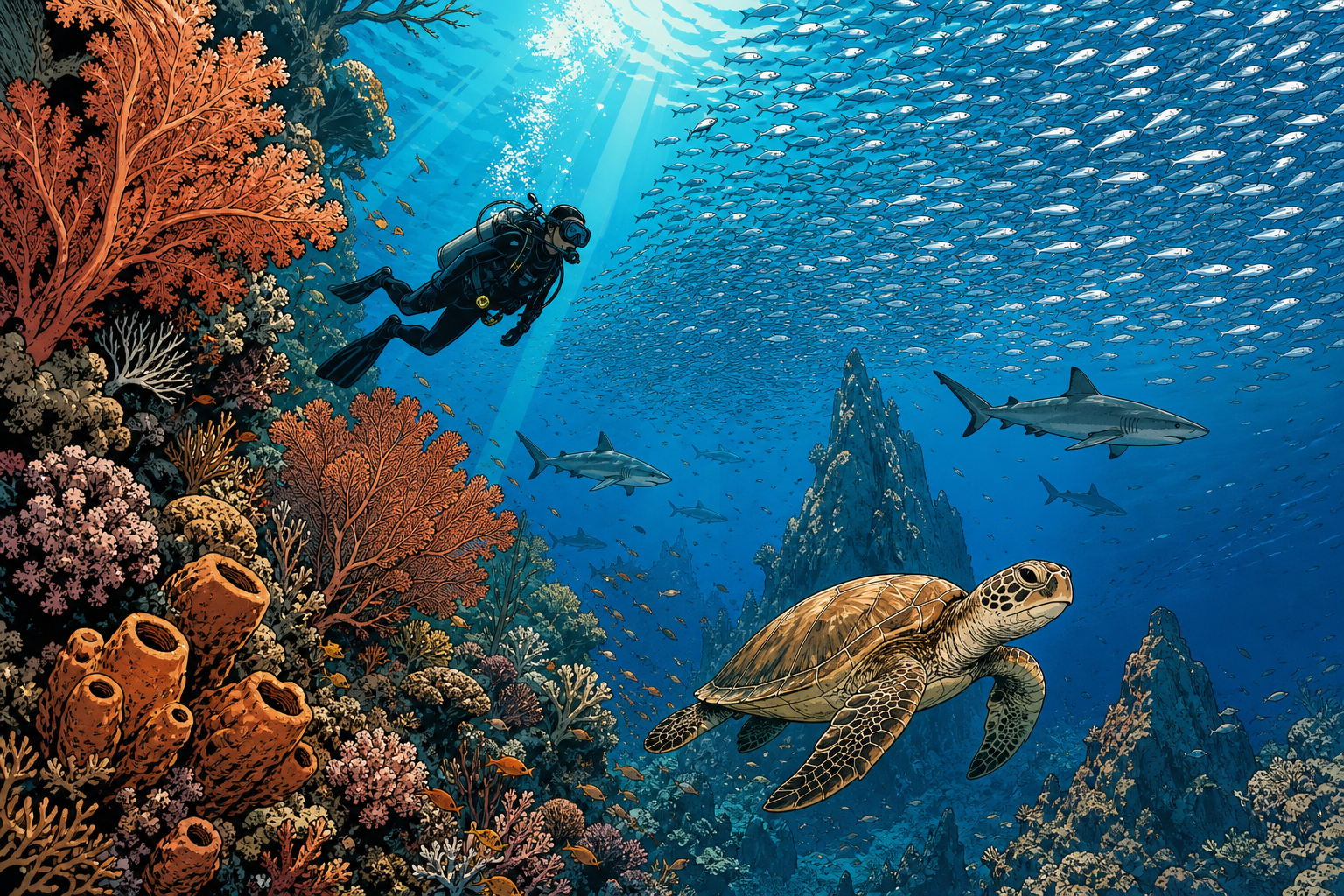
We love bringing divers to Cannibal Rock Komodo because it delivers an incredible mix of large and small marine life in one dive. The site lies in the south of Komodo National Park inside Horseshoe Bay, a natural amphitheater in the remote south. Giant trevallies and barracudas patrol the water column, king mackerels cruise past, and schools of red snappers, fusiliers, and surgeonfish fill the mid-water.
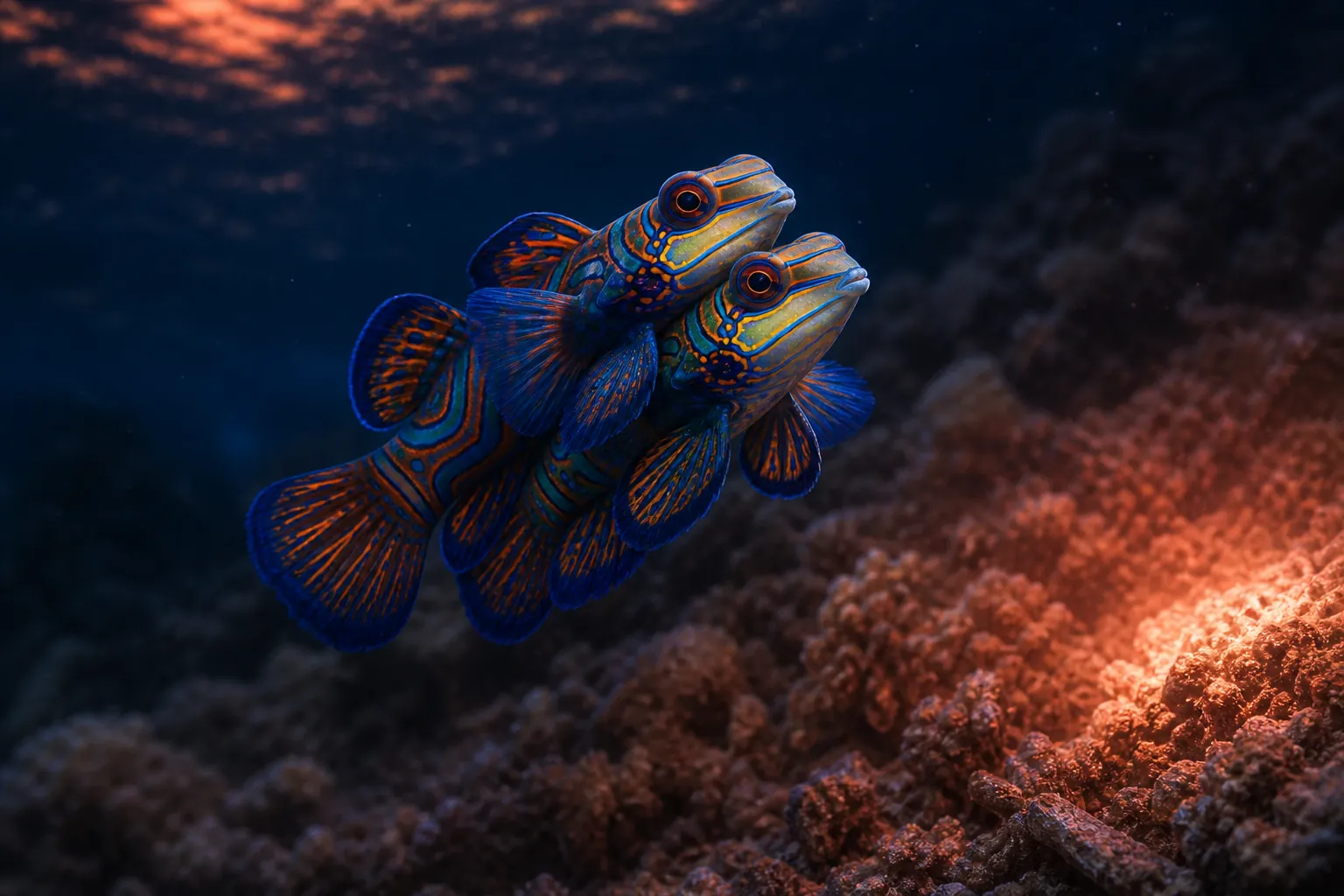
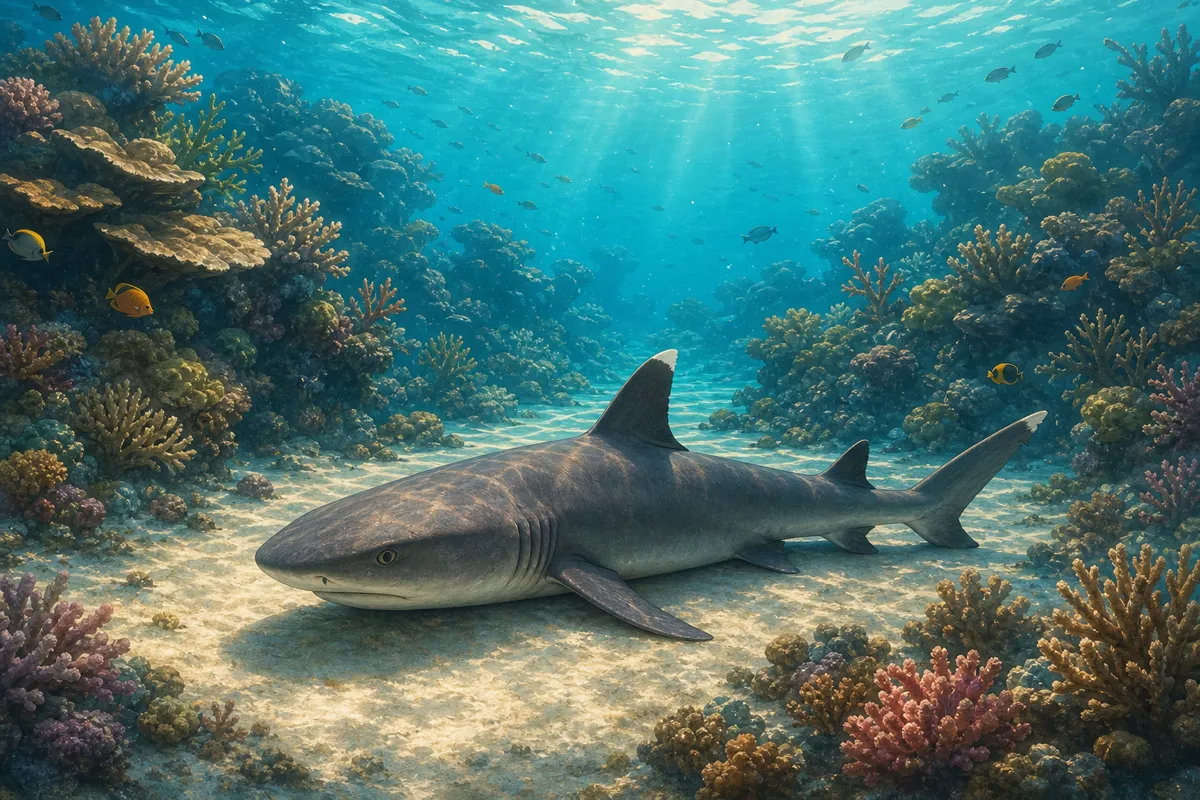
Look closer and the reef reveals a different world: an array of scorpionfish blends into vibrant encrusting sponges, bamboo sharks rest on the bottom, and blue triggerfish dart between coral heads. When conditions are right for macro, nudibranchs and frogfish hide among the sponges. Depths range from about 5 to 30 meters.
From the resort, our speedboats reach Cannibal Rock in about 1.5 to 2 hours, for two dives at most. Conditions in the south are unpredictable and there are no facilities nearby, so the dive plan has to stay flexible. We coordinate trips through our Komodo dive center, and we regularly feature this site on liveaboard routes aboard Komodo Sea Dragon and King Neptune.
Quick Facts
Depth Range
5 to 30 meters
Level
Advanced Open Water, about 25 logged dives
Location
Horseshoe Bay, south Komodo National Park
Water Conditions
Unpredictable, colder water
Best For
Large and small marine life, macro when conditions suit
Access
Speedboat day trip from the resort, or liveaboard
Highlights
Trevallies, barracudas, bamboo sharks, scorpionfish, red snappers, nudibranchs
Boat Time
1.5 to 2 hours from Sebayur Island by speedboat
What To Expect
The Cannibal Rock Dive Experience
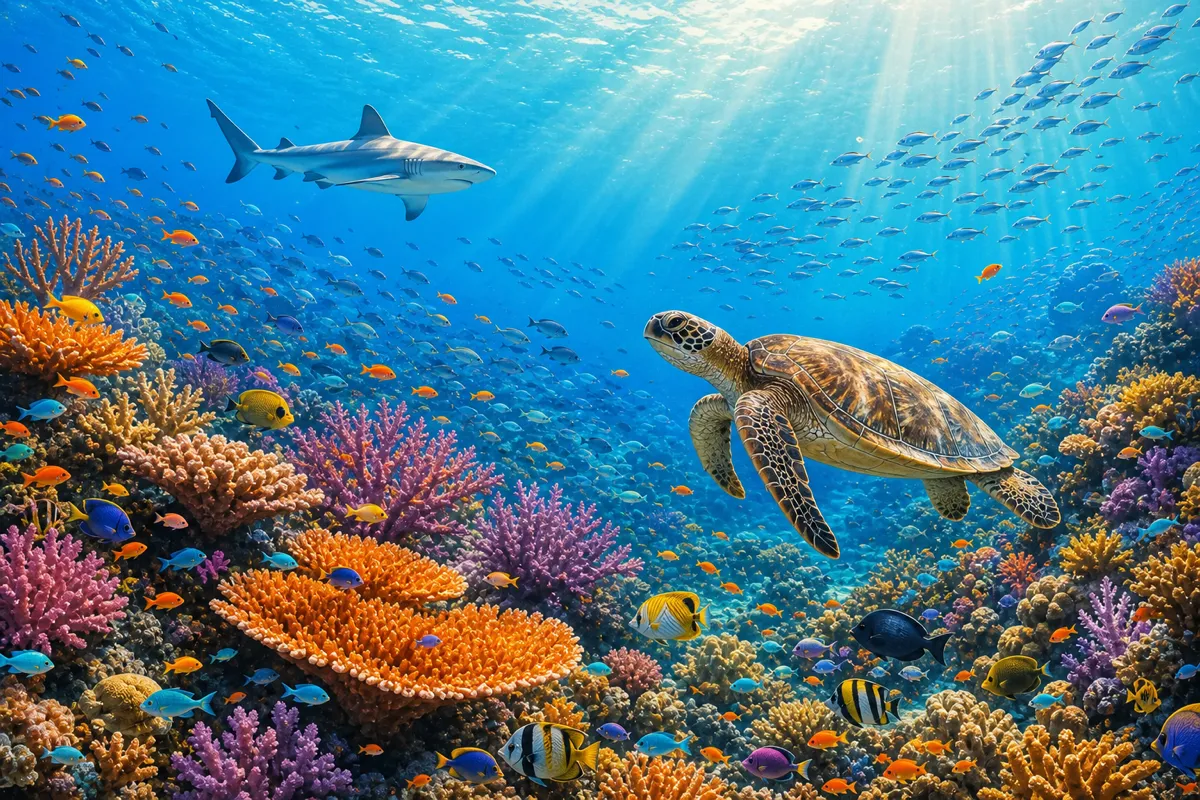
We typically drop into gentle slopes and rocky outcrops where sponges stack in layers of orange, purple, and electric blue. Almost immediately the bigger residents make themselves known: large trevallies hunting over the reef, barracuda schools circling, and red snappers gathering in dense groups along the wall.
As we settle in, our dive leaders point out bamboo sharks resting on the bottom, blue triggerfish hovering near coral heads, and king mackerels passing through the blue. When the group wants to slow down for macro, we scan the sponge-covered surfaces for scorpionfish, frogfish, and nudibranchs. The Cannibal Rock dive site rewards both wide-angle and close-up approaches.
Conditions in the south are less predictable than in the central park and the water is colder, so we plan the dive on the day and highly recommend a 5 mm wetsuit. When it comes together, it is a favorite for divers who want to see everything from pelagic action to the smallest critters in a single dive.
Marine Life
What You’ll See at Cannibal Rock
Dive Cannibal Rock
Ready to Dive Cannibal Rock in Komodo?
Ask our dive center about a speedboat day trip to the south when conditions allow, or explore the Sea Dragon and King Neptune itineraries for the full southern Komodo circuit.
FAQ
Frequently Asked Questions
What marine life can I see at Cannibal Rock?
Cannibal Rock delivers both big and small. Large trevallies and barracudas patrol the water column, king mackerels cruise past, bamboo sharks rest on the bottom, and schools of red snappers, fusiliers, and surgeonfish fill the mid-water. In the smaller corners, scorpionfish hide among sponges, nudibranchs carpet the reef, and frogfish blend into the encrusting cover. It is one of the few Komodo sites where macro and wide-angle shooters are equally happy.
Is Cannibal Rock only a macro site?
Not at all. While the site is known for its macro treasures like nudibranchs and frogfish, the pelagic action is equally impressive. Giant trevallies hunt over the reef, barracuda schools swirl, and blue triggerfish are common. When conditions are calm, divers can enjoy both worlds in a single dive, switching between wide-angle fish action and close-up critter hunting.
How do we reach Cannibal Rock: liveaboard or day boat?
From Komodo Resort on Sebayur Island our speedboats reach Cannibal Rock in about 1.5 to 2 hours, which puts the south of the park within reach of a day trip, something almost no dive center in Labuan Bajo can offer. It is a long day with two dives at most, in a remote area with no facilities nearby, and conditions are unpredictable, so we ask guests to stay flexible about the dive plan. Cannibal Rock is also on the route of our Komodo Sea Dragon and King Neptune liveaboards.
What makes Cannibal Rock different from other Komodo dive sites?
Cannibal Rock combines density with variety. You get pelagic action from trevallies, barracudas, and king mackerels alongside vibrant encrusting sponges hiding scorpionfish and nudibranchs. It also sits in the remote south of the park, which very few day boats ever reach.
Is Cannibal Rock suitable for beginners?
No. Cannibal Rock is reserved for divers with an Advanced Open Water certification or higher and about 25 logged dives, the same as the northern sites. It is a remote site in the south of the park, about 1.5 to 2 hours from the resort by speedboat. Conditions there are unpredictable, the water is colder and there are no facilities nearby, so our dive center decides on the day which dives are possible. New divers have plenty of calm sites in the central part of the park.
When is the best time to dive Cannibal Rock?
Marine life is excellent year-round in the south, though sea conditions for reaching Horseshoe Bay are often best during the dry season months when liveaboard routes focus on Komodo National Park. We plan Cannibal Rock dive site visits around tides and weather so you get the calmest surface conditions possible. The water in the south is colder than in the rest of the park, so a 5 mm wetsuit is highly recommended.
Explore More
Other Komodo Dive Sites
Siaba Besar
Turtle City and gentle slopes ideal for relaxed reef diving.
Learn MoreManta Point
The legendary cleaning station for reef and oceanic mantas.
Learn MoreBatu Bolong
Komodo's crown jewel with dense soft corals and abundant marine life.
Learn MoreAll Komodo Dive Sites
Compare all dive sites with our interactive map and comparison table.
Learn More