Tauchplatz „Cannibal Rock“
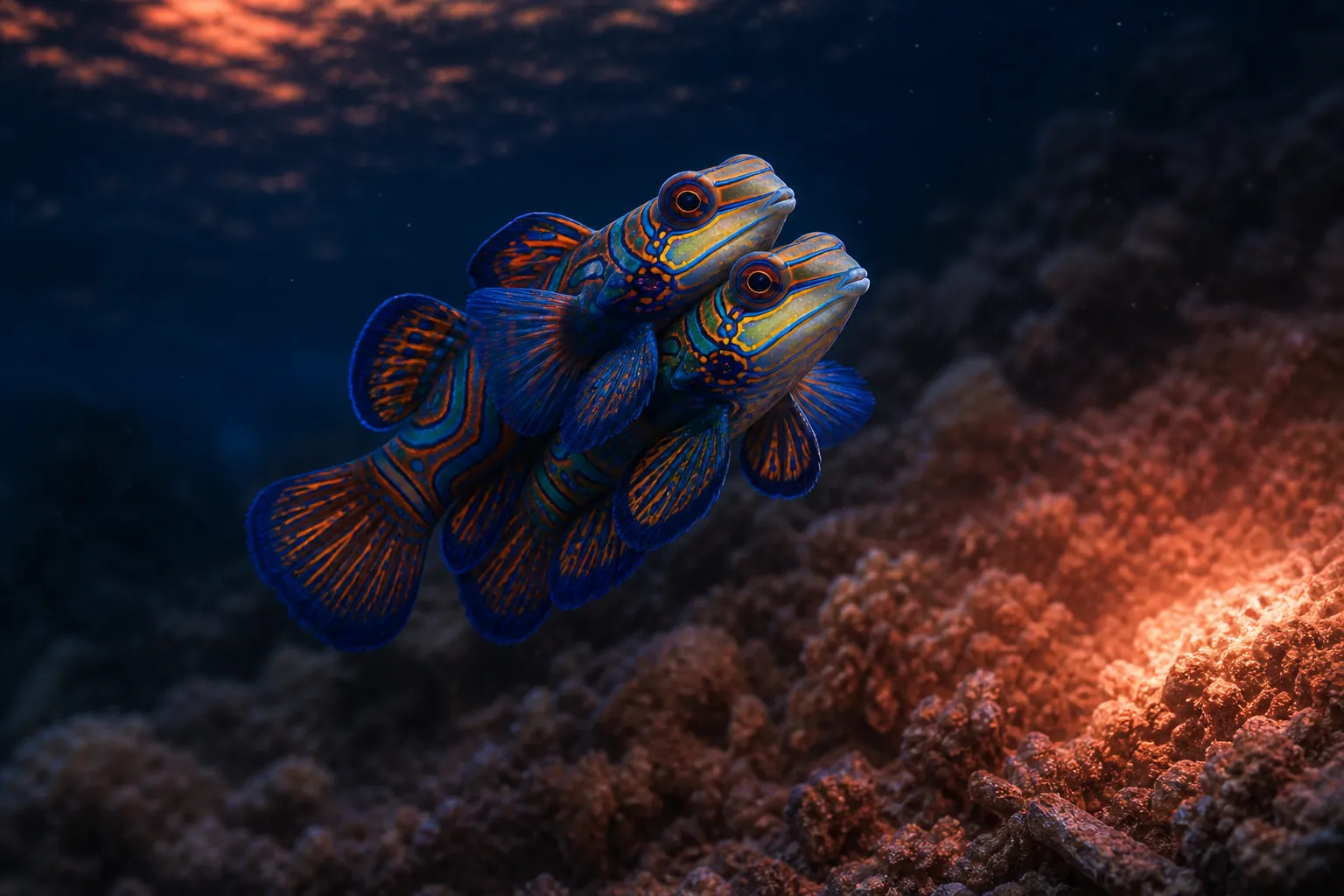
Ein Juwel in der Horseshoe Bay im Süden von Komodo, wo große Stachelmakrelen, Barrakudas und Bambushaie das Riff mit Skorpionfischen, Nacktschnecken und Anglerfischen teilen, die sich in den krustenbildenden Schwämmen verstecken.
Über diesen Tauchplatz
„Cannibal Rock“ auf Komodo: Große und kleine Meereslebewesen
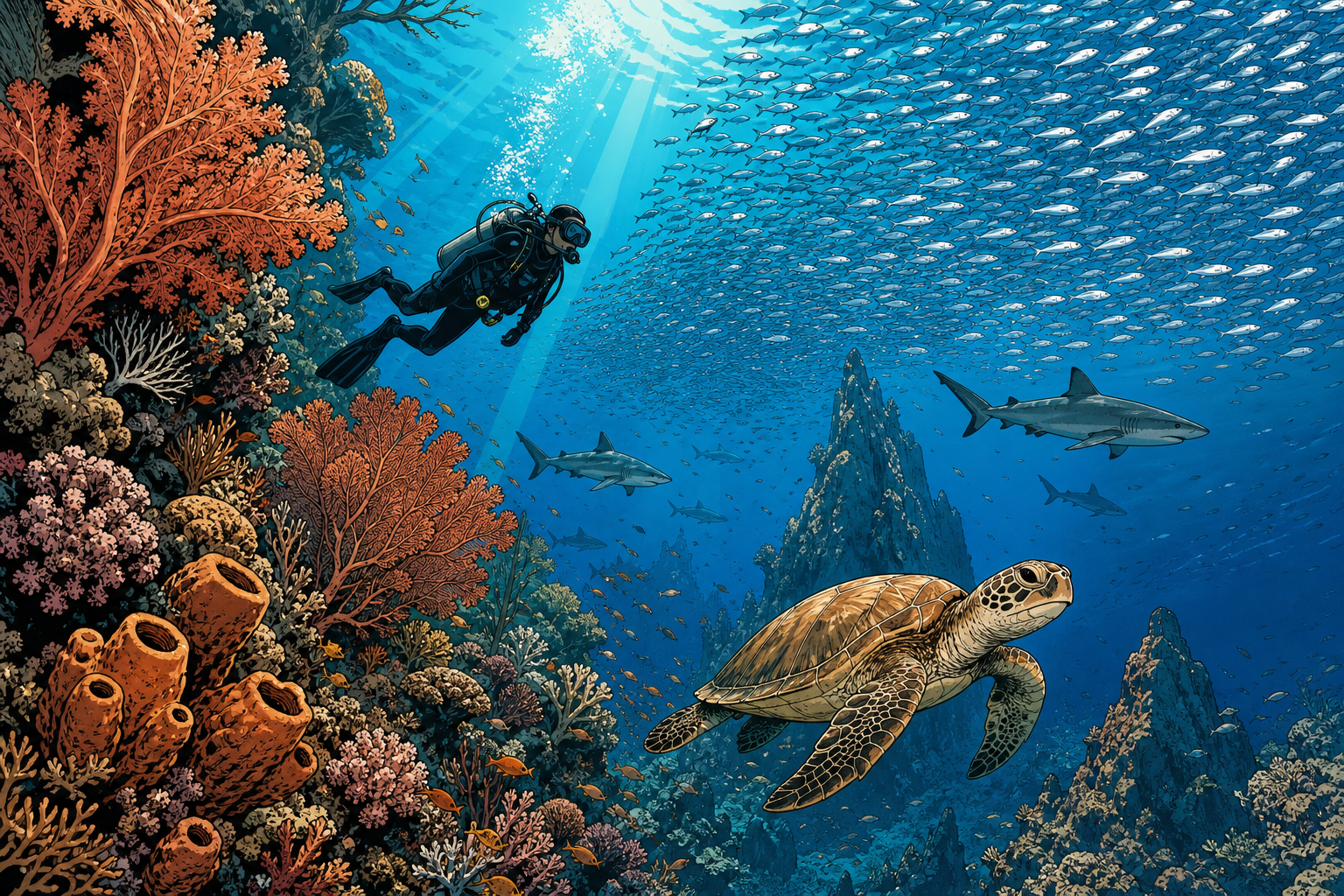
Wir lieben es, Taucher zum „Cannibal Rock“ auf Komodo mitzunehmen, da dieser Ort eine unglaubliche Vielfalt an großen und kleinen Meereslebewesen in einem einzigen Tauchgang bietet. Der Tauchplatz liegt im Süden des Komodo-Nationalparks in der Horseshoe Bay, einem natürlichen Amphitheater mit geschütztem, ruhigem Wasser. Riesige Trevallies und Barrakudas durchstreifen die Wassersäule, Königsmakrelen schwimmen vorbei, und Schwärme von Red Snappern, Füsilieren und Doktorfischen füllen die mittleren Wasserschichten.
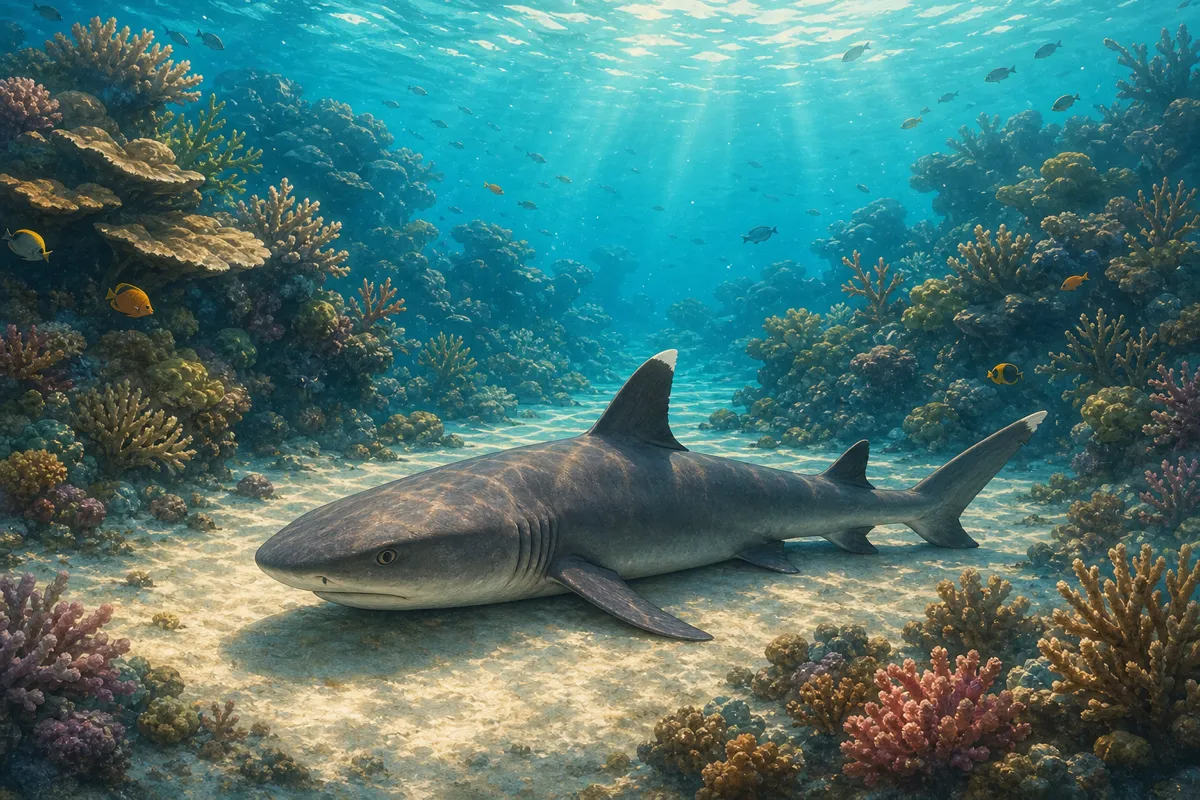
Bei genauerem Hinsehen offenbart das Riff eine ganz andere Welt: Eine Vielzahl von Skorpionfischen verschmilzt mit farbenprächtigen Krustenschwämmen, Bambushaie ruhen auf dem Meeresboden, und blaue Drückerfische huschen zwischen den Korallenköpfen hin und her. Wenn die Bedingungen für Makrofotografie günstig sind, verstecken sich Nacktschnecken und Anglerfische zwischen den Schwämmen. Tiefen von etwa 5 bis 30 Metern sorgen für Tauchgänge, die für alle Erfahrungsstufen geeignet sind.
Den Cannibal Rock erreichen Sie meist mit einem Tauchsafari-Schiff, obwohl auch längere Tagesausflüge für Taucher möglich sind, die bereit sind, die Anreise aus dem Norden auf sich zu nehmen. Wir organisieren die Ausflüge über unser Tauchzentrum in Komodo und nehmen diesen Tauchplatz regelmäßig in die Routen der Tauchsafaris an Bord der „Komodo Sea Dragon“ und der „King Neptune“ auf.
Kurzübersicht
Tiefenbereich
5 bis 30 Meter
Stufe
Alle Niveaustufen
Standort
Horseshoe Bay, südlich des Komodo-Nationalparks
Wasserbedingungen
Geschützte Bucht, meist ruhige See
Am besten geeignet für
Große und kleine Meereslebewesen, Makroaufnahmen, sofern die Bedingungen es zulassen
Zugang
Hauptsächlich Tauchsafaris; längere Tagesausflüge sind möglich
Highlights
Stachelmakrelen, Barrakudas, Bambushaie, Skorpionfische, Red Snapper, Nacktschnecken
Zeit auf dem Boot
ca. 90 Minuten von der Insel Sebayur entfernt (häufig als Tauchsafari)
Was Sie erwartet
Das „Cannibal Rock“-Tauchabenteuer
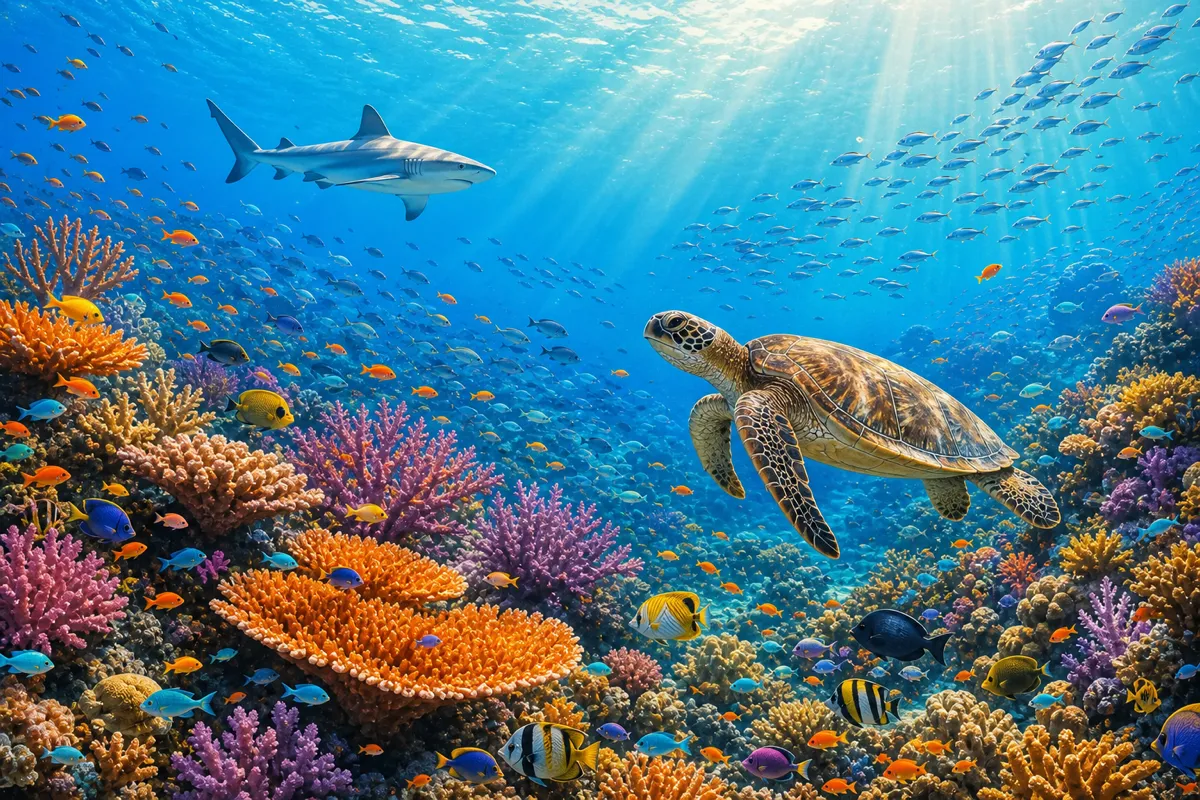
In der Regel tauchen wir an sanften Hängen und Felsvorsprüngen ab, wo sich Schwämme in Schichten aus Orange, Violett und leuchtendem Blau übereinanderlagern. Fast sofort machen sich die größeren Bewohner bemerkbar: große Trevallies, die über dem Riff auf Beutejagd sind, umkreisende Barrakuda-Schwärme und Rotbarsche, die sich in dichten Gruppen entlang der Wand versammeln.
Während wir uns einleben, weisen uns unsere Tauchleiter auf Bambushaie hin, die auf dem Meeresboden ruhen, auf blaue Drückerfische, die in der Nähe von Korallenköpfen schweben, und auf Königsmakrelen, die durch das Blau ziehen. Wenn die Gruppe das Tempo für Makroaufnahmen drosseln möchte, suchen wir die mit Schwämmen bewachsenen Flächen nach Skorpionfischen, Anglerfischen und Nacktschnecken ab. Der Tauchplatz „Cannibal Rock“ bietet sowohl für Weitwinkel- als auch für Nahaufnahmen reizvolle Motive.
Da Horseshoe Bay geschützt liegt, können wir uns ganz darauf konzentrieren, die Unterwasserwelt zu genießen, ohne gegen starke Strömungen ankämpfen zu müssen. Deshalb bezeichnen wir diesen Ort als einen Favoriten für Taucher, die in einem einzigen Tauchgang alles erleben möchten, von pelagischen Fischen bis hin zu den kleinsten Lebewesen.
Meereslebewesen
Was Sie am „Cannibal Rock“ erleben werden
Tauchgang „Cannibal Rock“
Sind Sie bereit für einen Tauchgang am „Cannibal Rock“ in Komodo?
Wir helfen Ihnen gerne bei der Planung von Tauchsafari-Etappen, die Horseshoe Bay einschließen, oder stellen den Kontakt zu unserem Team her, um Ihnen längere Tagesausflüge anzubieten, sofern es der Zeitplan zulässt. Beginnen Sie mit unserem Tauchzentrum und entdecken Sie anschließend die Routen „Sea Dragon“ und „King Neptune“ für die komplette Rundreise im südlichen Komodo.
Häufig gestellte Fragen
Häufig gestellte Fragen
Welche Meereslebewesen kann ich am „Cannibal Rock“ beobachten?
„Cannibal Rock“ bietet sowohl große als auch kleine Attraktionen. Große Stachelmakrelen und Barrakudas durchstreifen die Wassersäule, Königsmakrelen schwimmen vorbei, Bambushaie ruhen auf dem Meeresboden, und Schwärme von Roten Schnappern, Füsilieren und Doktorfischen füllen den mittleren Wasserbereich. In den kleineren Ecken verstecken sich Skorpionfische zwischen Schwämmen, Nacktschnecken bedecken das Riff wie ein Teppich, und Anglerfische verschmelzen mit der Bewuchsdecke. Es ist einer der wenigen Tauchplätze auf Komodo, an denen sowohl Makro- als auch Weitwinkelfotografen gleichermaßen auf ihre Kosten kommen.
Ist „Cannibal Rock“ lediglich eine Makro-Website?
Ganz und gar nicht. Zwar ist der Tauchplatz für seine Makro-Schätze wie Nacktschnecken und Anglerfische bekannt, doch das Geschehen in den oberen Wasserschichten ist ebenso beeindruckend. Riesige Trevallies jagen über dem Riff, Barrakuda-Schwärme wirbeln umher, und Blaue Drückerfische sind häufig anzutreffen. Bei ruhigen Bedingungen können Taucher beide Welten in einem einzigen Tauchgang genießen und zwischen Weitwinkelaufnahmen von Fischen und der Nahaufnahmejagd auf Kleintiere wechseln.
Wie gelangen wir zum „Cannibal Rock“: mit einem Tauchsafari-Schiff oder einem Tagesausflugsboot?
Die meisten Taucher erleben den „Cannibal Rock“ auf Komodo im Rahmen einer Tauchsafari-Route, die die südlichen Tauchplätze rund um die Horseshoe Bay umfasst. Die Fahrt von Sebayur dauert mit dem Boot etwa 90 Minuten, daher betrachten wir diesen Ort für die meisten Gäste als Tauchplatz im Rahmen einer Tauchsafari. Längere Tagesausflüge sind zwar manchmal möglich, doch wir empfehlen in der Regel, sich unseren „Komodo Sea Dragon“- oder „King Neptune“-Programmen anzuschließen, um eine entspannte mehrtägige Route zu genießen.
Wodurch unterscheidet sich „Cannibal Rock“ von anderen Tauchplätzen auf Komodo?
Cannibal Rock vereint Dichte mit Vielfalt. Hier erleben Sie pelagische Action mit Trevallies, Barrakudas und Königsmakrelen sowie farbenprächtige Krustenschwämme, in denen Skorpionfische und Nacktschnecken versteckt sind. Die geschützte Bucht bietet ruhigere Bedingungen als die nördlichen Riffe, sodass Taucher mehr Zeit haben, sowohl die großen Fischschwärme als auch die kleineren Riffbewohner zu bewundern.
Ist „Cannibal Rock“ für Anfänger geeignet?
Ja. Die Tiefen sind moderat und die Tauchprofile im Bereich von 5 bis 30 Metern flexibel gestaltet, sodass wir auch Tauchanfänger herzlich willkommen heißen, die sich im Umgang mit dem Auftrieb in der Nähe empfindlicher Riffe sicher fühlen. Dank der geschützten Bucht sind die Strömungen überschaubar, und unsere Tauchguides geben vor jedem Tauchgang eine Einweisung in die Flossensteuerung.
Wann ist die beste Zeit für einen Tauchgang am „Cannibal Rock“?
Die Unterwasserwelt im Süden ist das ganze Jahr über hervorragend, auch wenn die Seebedingungen für die Anfahrt zur Horseshoe Bay oft während der Trockenzeit am besten sind, wenn sich die Tauchsafaris auf den Komodo-Nationalpark konzentrieren. Wir planen die Besuche am Tauchplatz „Cannibal Rock“ unter Berücksichtigung der Gezeiten und des Wetters, damit Sie möglichst ruhige Bedingungen an der Wasseroberfläche vorfinden.
Mehr entdecken
Weitere Tauchplätze auf Komodo
Siaba Besar
Turtle City und sanfte Hänge, ideal für entspanntes Rifftauchen.
Weitere InformationenManta Point
Die legendäre Reinigungsstation für Riff- und Ozeanmantas.
Weitere InformationenBatu Bolong
Komodos Kronjuwel mit dichten Weichkorallen und einer reichen Unterwasserwelt.
Weitere InformationenAlle Tauchplätze auf Komodo
Vergleichen Sie alle Tauchplätze mithilfe unserer interaktiven Karte und unserer Vergleichstabelle.
Weitere Informationen