About
About Halmahera Liveaboard
Halmahera is the largest island in the Maluku archipelago and one of the last true frontiers of Indonesian diving. Its reefs are almost untouched, its bays hide wrecks from the Second World War, and it is home to a shark found nowhere else on Earth.
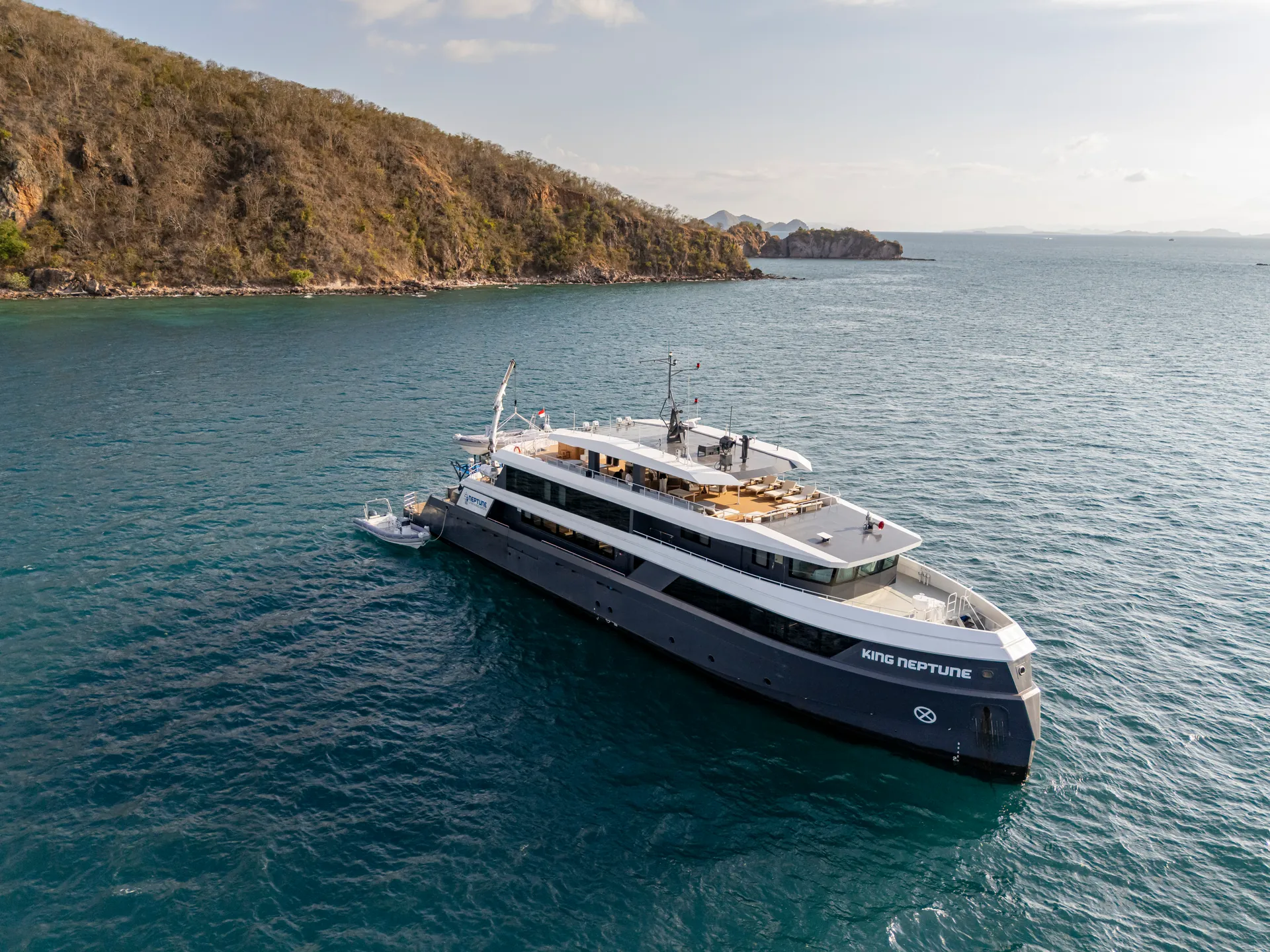
Our ship King Neptune explores Halmahera with unlimited satellite internet and Nitrox blended on board by a Bauer membrane compressor.
Our Trip Snapshot
- Flexible booking
- Wartime wreck diving
- Small dive groups
- Travel assistance
- Multilingual crew
Experience
The Halmahera Diving Experience
Halmahera is for divers who want to see somewhere new. It lies where Pacific water meets the seas of eastern Indonesia, and its mix of wrecks, endemic species and healthy reefs is hard to find anywhere else.
Second World War wrecks
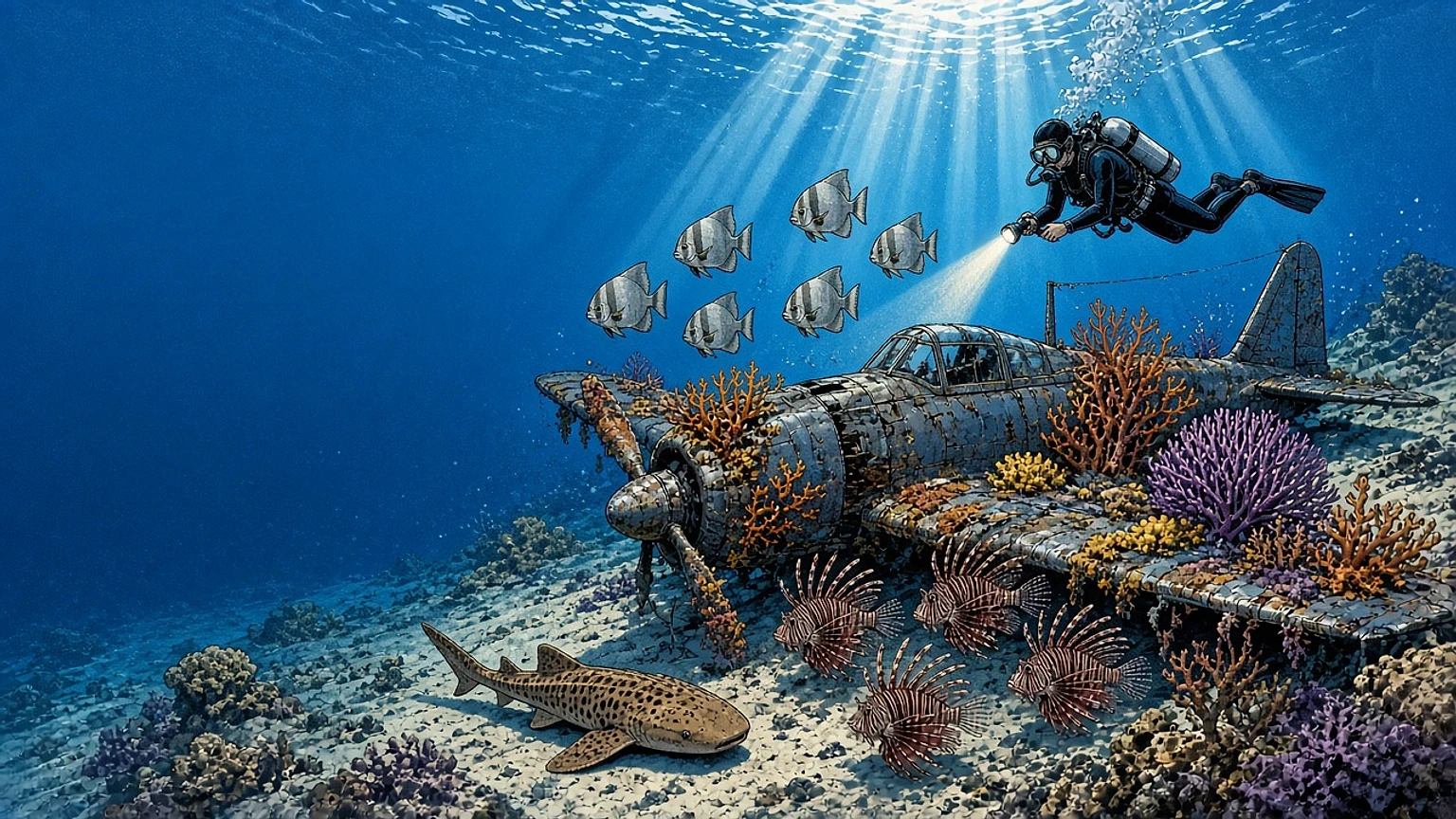
Japanese fighter planes, cargo ships and a submarine from the Pacific War rest on the seabed, now overgrown with coral and full of fish.
Walking sharks and rare species
The Halmahera walking shark (Hemiscyllium halmahera) lives only here. Night dives also reveal blue-ringed octopus, bobtail squid and a host of other critters.
Untouched reefs
With hardly any dive tourism, the reefs are in remarkable condition: giant sea fans, hard coral gardens and walls of soft coral, with barracuda, reef sharks and turtles.
Dive sites
Top Dive Sites in Halmahera
Halmahera combines endemic walking sharks with coral-covered wrecks, a mix of natural history and wartime history that you will not find anywhere else.
Walking Shark Bay
All levels↕ 3–15m
A shallow night dive to look for the Halmahera walking shark, a species that lives nowhere else on the planet.
Japanese Zero Wreck
Intermediate↕ 12–25m
A Japanese fighter plane on a coral slope, with batfish and lionfish around it and soft corals growing on the fuselage.
Cargo Ship Wreck
Advanced↕ 15–35m
A large Japanese freighter covered in soft coral and sponges, with schooling barracuda and big groupers in residence.
Lava Reef
All levels↕ 5–25m
Old lava flows overgrown with hard and soft coral, and rich in macro life such as nudibranchs, frogfish and ghost pipefish.
Dodola Island
All levels↕ 5–20m
Twin islands joined by a sandbar, with shallow reefs, plenty of fish and coral gardens made for relaxed dives.
Submarine Wreck
Advanced↕ 20–38m
A Japanese submarine sitting upright on the seabed, encrusted in coral and home to groupers, moray eels and batfish.
Best time to visit
Halmahera Diving Season Calendar
The diving season in Halmahera runs from March to November. July to October brings the clearest water and the calmest seas.
| Month | Water temperature | Visibility | Currents | Season highlight |
|---|---|---|---|---|
| Jan | 29°C | 15–20m | Moderate | Wetter season |
| Feb | 29°C | 15–20m | Moderate | Wetter season |
| Mar | 29°C | 20–25m | Mild | Season opens |
| Apr | 29°C | 20–25m | Mild | Good conditions |
| May | 29°C | 20–30m | Mild | Great visibility |
| Jun | 28°C | 20–30m | Mild | Great diving |
| Jul | 28°C | 25–30m | Mild | Peak season |
| Aug | 27°C | 25–30m | Mild | Peak season |
| Sep | 28°C | 25–30m | Mild | Peak visibility |
| Oct | 28°C | 20–30m | Mild | Excellent |
| Nov | 29°C | 15–25m | Moderate | Season ends |
| Dec | 29°C | 15–20m | Moderate | Wetter season |
Recommended months
Conditions
Water Conditions and Gear
- Temperature
- 27–30°C (81–86°F)
- Visibility
- 15–30m (50–100ft)
- Currents
- Mild to moderate, generally gentle
- Best visibility
- July to October
- Thermoclines
- Rare; the water stays warm
- Wetsuit
- 3mm full wetsuit
- Certification
- Open Water for most sites, Advanced for the wrecks
- Nitrox
- Available for wreck and repeat dives
Marine life
What You Will See in Halmahera
Halmahera brings together endemic species, wartime history and pristine reefs, with the walking shark as its star.
Endemic species
- Halmahera walking shark, found nowhere else
- Mandarinfish
- Flasher wrasse
- Unusual nudibranch species
Wartime wrecks
- Japanese fighter planes
- Cargo ships
- A submarine
- All overgrown with coral and marine life
Macro life
- Nudibranchs
- Frogfish
- Ghost pipefish
- Pygmy seahorses
- Blue-ringed octopus
Reef life
- Pristine hard coral
- Giant barrel sponges
- Gorgonian sea fans
- Clouds of anthias
- Sweetlips
Pelagics
- Reef sharks
- Eagle rays
- Schooling barracuda
- Giant trevally
- Napoleon wrasse
Travel
How to Get to Halmahera
Our Halmahera trips start or finish in Ternate, the historic spice island off Halmahera’s west coast. Ternate’s Sultan Babullah airport (TTE) has daily flights from Jakarta, Makassar and Manado. Some departures are crossings that begin in Ambon or continue to Raja Ampat, so check the route in the trip name.
Our team helps you plan domestic flights, and transfers between Ternate airport and the boat are included.
Departure port: Ternate
Sultan Babullah Airport (TTE) has daily flights from Jakarta, Makassar and Manado.
Departure ports can change. Our reservations team confirms the exact meeting point when you book.
Travel tips
Tips for Travellers
- 1
Plan around the season
Dive Halmahera between March and November, outside the monsoon. The water is 27 to 30°C, and the late season brings the clearest water and the calmest seas.
- 2
Take out travel insurance
Halmahera is remote and medical facilities are limited. Choose a travel and dive policy that includes emergency evacuation.
- 3
Prepare for the diving
Intermediate to advanced certification is recommended. Entering wrecks requires the right training, and night dive experience helps on the walking shark dives.
- 4
Dive gently
The reefs here are almost untouched. Never touch the coral or the marine life, and never take anything from the wrecks.
Travel essentials
Practical Travel Information
- Visa
- Most nationalities can buy a 30-day visa on arrival, extendable once. Your passport must be valid for at least six months.
- Currency
- Indonesian rupiah (IDR). There are ATMs in Ternate, so withdraw the cash you need before the trip.
- Language
- Bahasa Indonesia is the national language. Our dive guides and crew speak English.
- Tipping
- Tipping the crew is customary. As a guide, guests leave Rp 270,000 to 360,000 per person per day.
- What to pack
- A good torch for the walking shark night dives, a wreck reel, reef-safe sunscreen, insect repellent and your camera.
- Health
- Malaria prophylaxis is recommended. No vaccinations are required; hepatitis A and B and typhoid are recommended.
- Electricity
- 220V, 50Hz, with European two-pin plugs (types C and F). Bring a universal adapter.
- Time zone
- Eastern Indonesia Time (WIT), UTC+9, two hours ahead of Bali.
Our itinerary
Discover Halmahera's Hidden Wonders
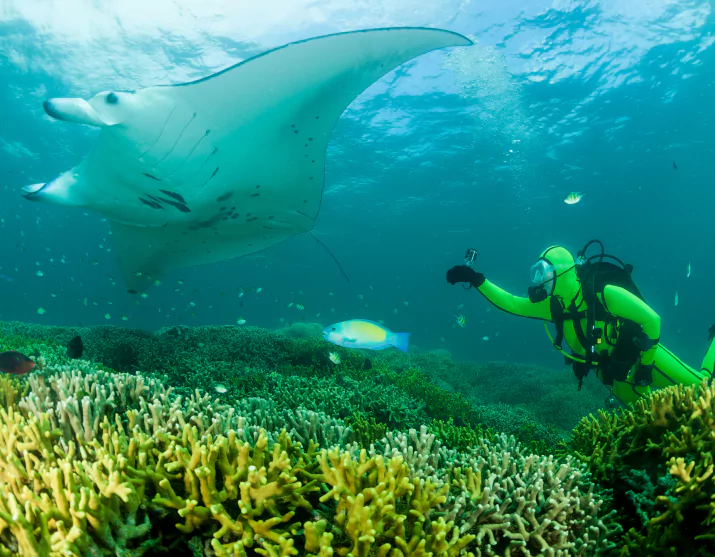
Our Halmahera itineraries explore the best of this vast island, from wartime wrecks to remote coral gardens and the bays where walking sharks hunt at night. Trips start in Ternate or Ambon, and some continue to Raja Ampat.
Schedule
Upcoming Halmahera Trips
Live availability and prices. Crossings that start or end in Halmahera are included.
The fleet
Your Boat
Your trip
What Your Trip Includes
Included in the price
- Cabin accommodation with en-suite bathroom
- Airport and hotel transfers in Ternate on departure and return days
- All scheduled dives, with tanks, weights and weight belts
- Three meals and three snacks a day
- Coffee, tea and snacks all day
- Unlimited satellite internet
- Snorkelling gear
- A maximum of four divers per guide
- Stand-up paddle boards and kayaks
Not included
- Nitrox
- Rental equipment such as BCD, regulator and wetsuit
- Single cabin supplement
- Park and port fees
- Private dive guide
- Alcohol and soft drinks
FAQ
Frequently Asked Questions
When is the best time to dive Halmahera?
The season runs from March to November, with the clearest water and calmest seas late in the season. The water is 27 to 30°C all year. Our scheduled Halmahera departures run in October and November.
Can I see walking sharks in Halmahera?
Yes. Halmahera is home to its own species of walking shark, Hemiscyllium halmahera. Night dives give you the best chance of seeing one.
Which wrecks can I dive in Halmahera?
The area holds Japanese fighter planes, cargo ships and a submarine from the Pacific War. They are now covered in coral and full of marine life.
How do I get to Halmahera?
Fly to Ternate (Sultan Babullah airport, TTE) via Jakarta, Makassar or Manado. Our trips start there, and the crew meets you at the airport.
What diving experience do I need for Halmahera?
Intermediate to advanced certification is recommended. Entering wrecks requires the right training, and night dive experience helps on the walking shark dives.
Explore more
See Other Destinations
Banda Sea
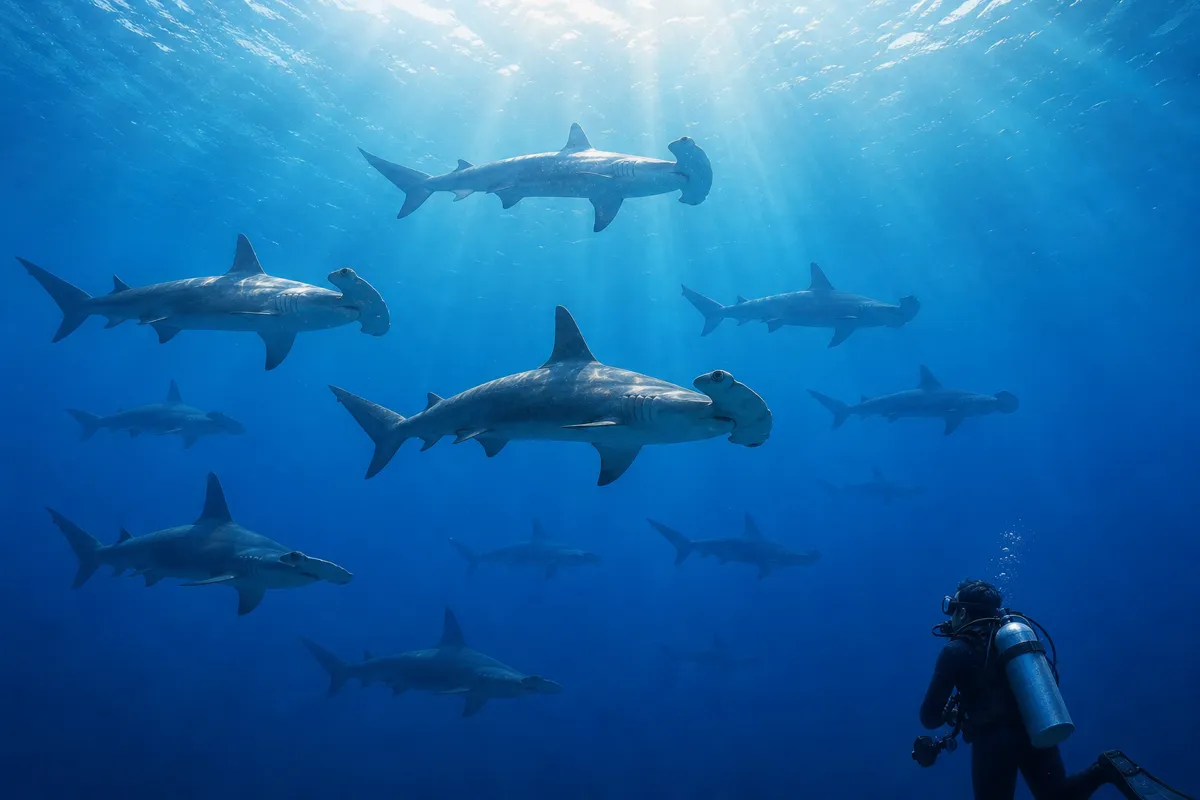
Schooling hammerheads, volcanic islands and deep blue walls in the old Spice Islands.
Explore →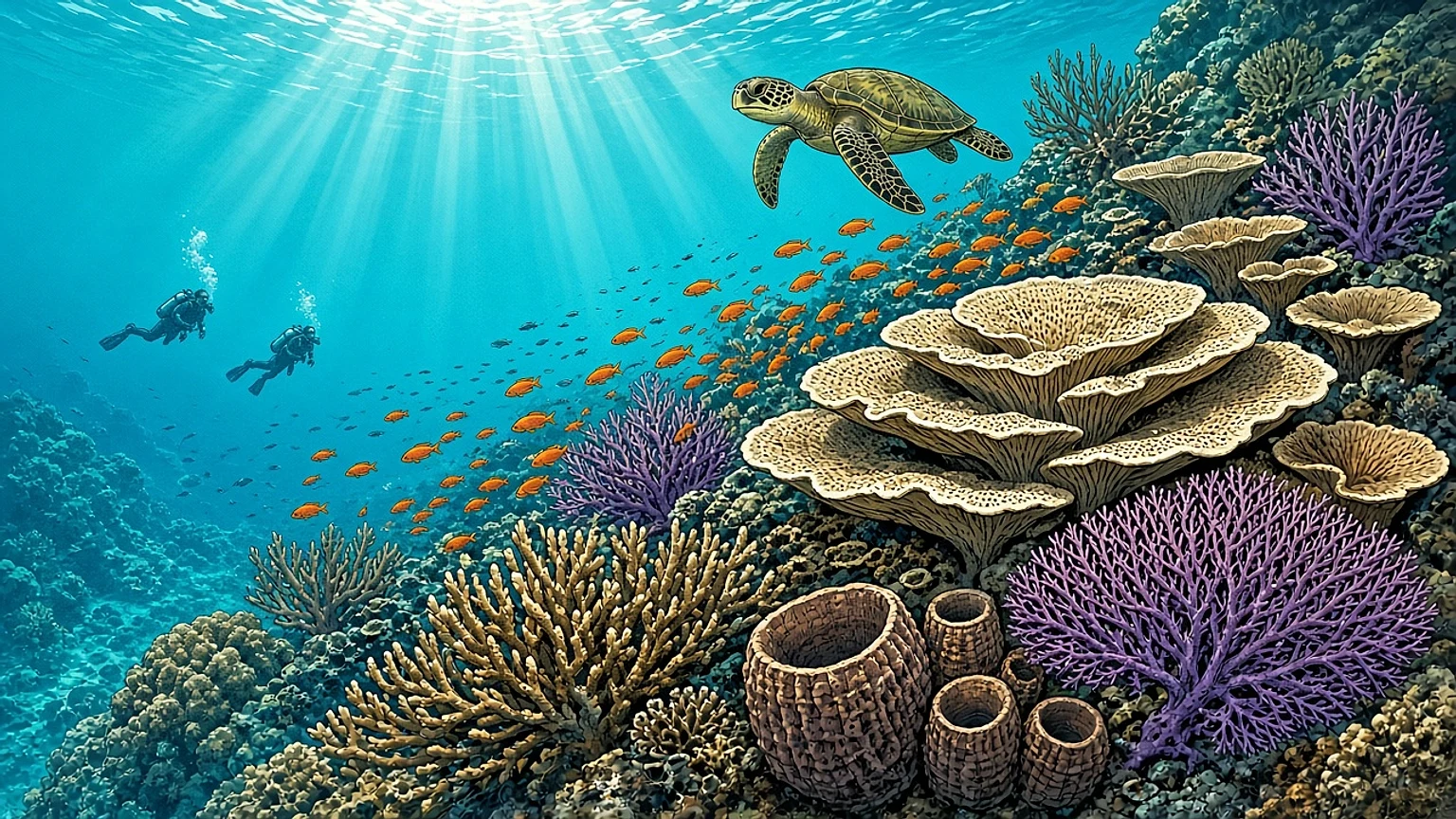
Wakatobi
A UNESCO biosphere reserve with some of the healthiest hard coral and the clearest water in Indonesia.
Explore →
Raja Ampat
The richest reefs on the planet, with more than 1,500 fish species and manta cleaning stations.
Explore →Get in Touch
Have a question? We'd love to hear from you. Send us a message and we'll respond as soon as possible.
Contact Us