About
About Raja Ampat Liveaboard
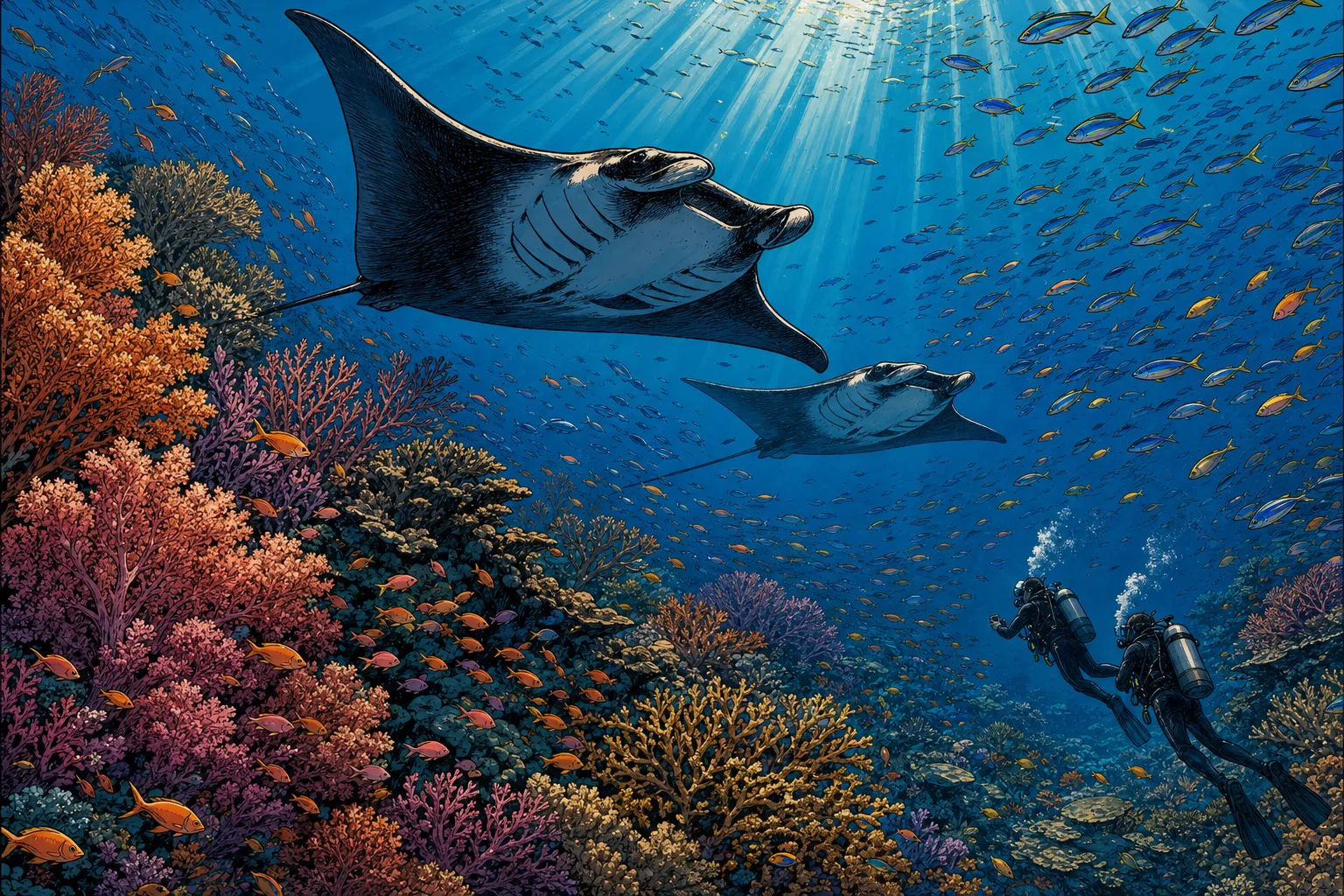
Raja Ampat is famous for colourful coral, dense schools of fish and rare animals around every corner. On a single trip you might meet wobbegong and epaulette sharks, manta rays, bobtail squid, pygmy seahorses and, with luck, a whale shark.
Our sister ships King Neptune and Neptune One spend every season here, with unlimited satellite internet and Nitrox blended on board by a Bauer membrane compressor. For background reading, see our Raja Ampat liveaboard guide.
Our Trip Snapshot
- Flexible booking
- Capital of marine biodiversity
- Small dive groups
- Travel assistance
- Multilingual crew
Experience
Raja Ampat's Rich Underwater World
Raja Ampat is a chain of islands with every kind of diving, from easy reefs to deep walls and fast drifts. Above all, it has more species of marine life than anywhere else on Earth, and a liveaboard is the best way to see it.
The stars of the show
Wobbegong sharks and manta rays draw the headlines, but there are also huge schools of fish, the walking epaulette shark and the blue-ringed octopus.
Three regions
Raja Ampat divides into the north, the centre and the south around Misool. Each trip combines two of them, and every region has its own character.
Easy to reach
Sorong has direct flights from Jakarta, Makassar and Manado, and the harbour where the boats wait is about 15 minutes from the airport.
Dive sites
Top Dive Sites in Raja Ampat
Raja Ampat holds the world’s richest reefs, and its dive sites keep breaking records for the number of fish and coral species found on a single dive.
Cape Kri
All levels↕ 5–30m
The world record holder for fish species counted on one dive: 374. A riot of colour, with huge schools of fusiliers, surgeonfish and jacks.
Blue Magic
Intermediate↕ 10–30m
A seamount in the current where reef mantas, grey reef sharks, schooling barracuda and Napoleon wrasse gather.
Manta Sandy
All levels↕ 8–18m
A shallow sand patch and cleaning station where reef mantas wait their turn while cleaner wrasse work on them.
Melissa's Garden
All levels↕ 5–25m
A sprawling hard coral garden with giant table corals, colourful reef fish and pygmy seahorses on the sea fans.
The Passage
All levels↕ 5–18m
A river-like channel between Waigeo and Gam, with layers of fresh water, soft coral walls and schools of batfish.
Sardine Reef
All levels↕ 5–25m
Shimmering walls of sardines and fusiliers, with jacks and trevally hunting around a colourful reef.
Best time to visit
Raja Ampat Diving Season Calendar
The main season runs from October to April, with calm seas, the clearest water and the best manta encounters. Diving is possible all year.
| Month | Water temperature | Visibility | Currents | Season highlight |
|---|---|---|---|---|
| Jan | 29°C | 20–30m | Mild | Manta season |
| Feb | 29°C | 20–30m | Mild | Peak manta season |
| Mar | 29°C | 20–30m | Mild | Great conditions |
| Apr | 30°C | 15–25m | Mild | Manta season ends |
| May | 29°C | 15–20m | Moderate | Transition |
| Jun | 28°C | 10–20m | Moderate | Rougher seas |
| Jul | 28°C | 10–20m | Moderate | Off-peak |
| Aug | 28°C | 10–20m | Moderate | Off-peak |
| Sep | 28°C | 15–20m | Moderate | Whale sharks possible |
| Oct | 29°C | 20–30m | Mild | Season opens |
| Nov | 29°C | 25–30m | Mild | Peak visibility |
| Dec | 29°C | 25–30m | Mild | Excellent diving |
Recommended months
Conditions
Water Conditions and Gear
- Temperature
- 27–30°C (81–86°F)
- Visibility
- 15–30m (50–100ft)
- Currents
- Mild to moderate, generally gentle
- Best visibility
- October to April
- Thermoclines
- Rare; the water stays warm
- Wetsuit
- 3mm full wetsuit
- Certification
- Open Water is enough for most sites
- Nitrox
- Available and recommended on days with several dives
Marine life
What You Will See in Raja Ampat
Raja Ampat holds the world record for marine biodiversity, with more than 1,500 fish species and 600 coral species. Every dive is different.
Sharks and rays
- Reef manta rays
- Oceanic manta rays
- Wobbegong sharks
- Epaulette walking sharks
- Grey reef sharks
- Whale sharks, rarely
Record biodiversity
- More than 1,500 fish species
- More than 600 hard coral species
- About 75% of the world’s coral species
- More species per dive than anywhere else
Pelagics
- Schooling barracuda
- Giant trevally
- Dogtooth tuna
- Napoleon wrasse
- Bumphead parrotfish
Macro life
- Several species of pygmy seahorse
- Ornate ghost pipefish
- Nudibranchs
- Mandarinfish
- Blue-ringed octopus
And more
- Green and hawksbill turtles
- Dolphins
- Dugongs, rarely
- Cuttlefish
- Octopus
Travel
How to Get to Raja Ampat
Fly to Sorong (SOQ) in West Papua, which has daily flights from Jakarta, Makassar and Manado. The crew collects you from the airport or your hotel and takes you to the boat in the harbour, about 15 minutes away.
Some departures are crossings that start or finish in Ambon, Kaimana or Ternate, so check the route in the trip name. Our team helps you plan the flights.
Departure port: Sorong, West Papua
Domine Eduard Osok Airport (SOQ) has daily flights from Jakarta, Makassar and Manado.
Departure ports can change. Our reservations team confirms the exact meeting point when you book.
Travel tips
Tips for Travellers
- 1
Plan around the season
Visit between October and April, when the sea is calm and the water is clear. Manta season peaks from November to April.
- 2
Book early
Raja Ampat trips are popular, and cabins in the main season from October to April fill up well in advance.
- 3
Respect local customs
Raja Ampat has a rich local culture. Dress modestly in the villages and always ask before photographing people.
- 4
Dive gently
The reefs are fragile. Avoid single-use plastic, never touch the marine life and choose operators who look after the reef.
Travel essentials
Practical Travel Information
- Visa
- Most nationalities can buy a 30-day visa on arrival, extendable once. Your passport must be valid for at least six months.
- Currency
- Indonesian rupiah (IDR). ATMs in Sorong are few and often empty, and there are none in the islands. Withdraw cash in Bali or Jakarta before you fly.
- Marine park permit
- Every visitor needs the Raja Ampat marine park entry permit, known as the PIN card. The fee supports local conservation, and our team tells you at booking how it is paid for on your trip.
- Tipping
- Tipping the crew is customary. As a guide, guests leave Rp 270,000 to 360,000 per person per day.
- What to pack
- Light clothing, a waterproof camera bag, reef-safe sunscreen, insect repellent and your personal medication.
- Health
- Malaria prophylaxis is recommended for West Papua. No vaccinations are required; hepatitis A and B and typhoid are recommended.
- Electricity
- 220V, 50Hz, with European two-pin plugs (types C and F). Bring a universal adapter.
- Time zone
- Eastern Indonesia Time (WIT), UTC+9, two hours ahead of Bali.
Our itinerary
Experience the Best of Raja Ampat
Our most popular route covers the north and centre, with famous sites such as Blue Magic and Cape Kri. Others combine the centre with the soft corals of Misool in the south. Expect up to three dives a day plus night dives. From May to September our boats sail to the Banda Sea and Komodo instead.
Schedule
Upcoming Raja Ampat Trips
Live availability and prices. Crossings that start or end in Raja Ampat are included.
The fleet
Choose Your Boat
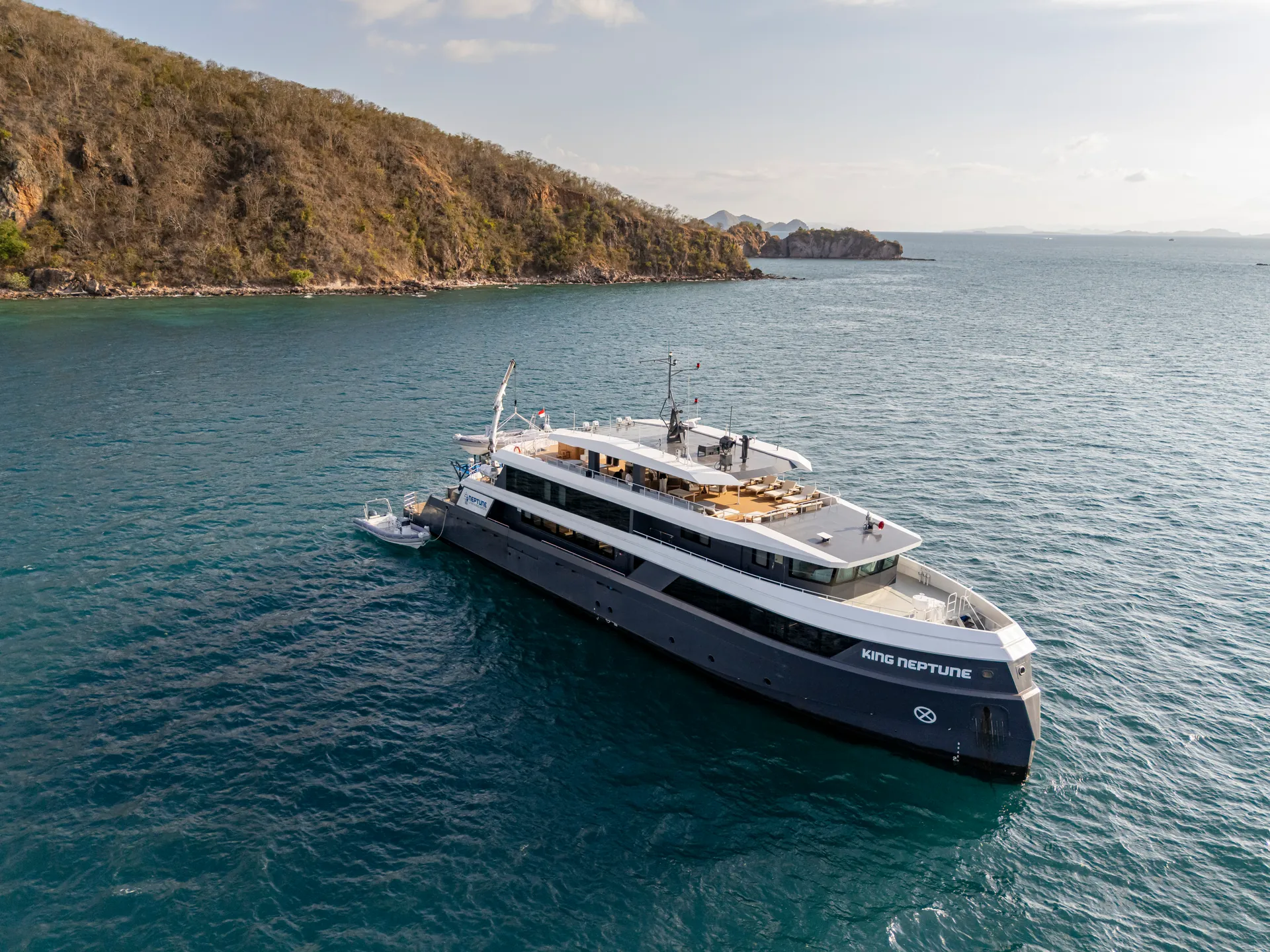
King Neptune
A 46-metre motor yacht with 10 en-suite cabins for up to 22 guests, a jacuzzi on the sun deck, a camera station and two dive tenders. Nitrox is blended on board.
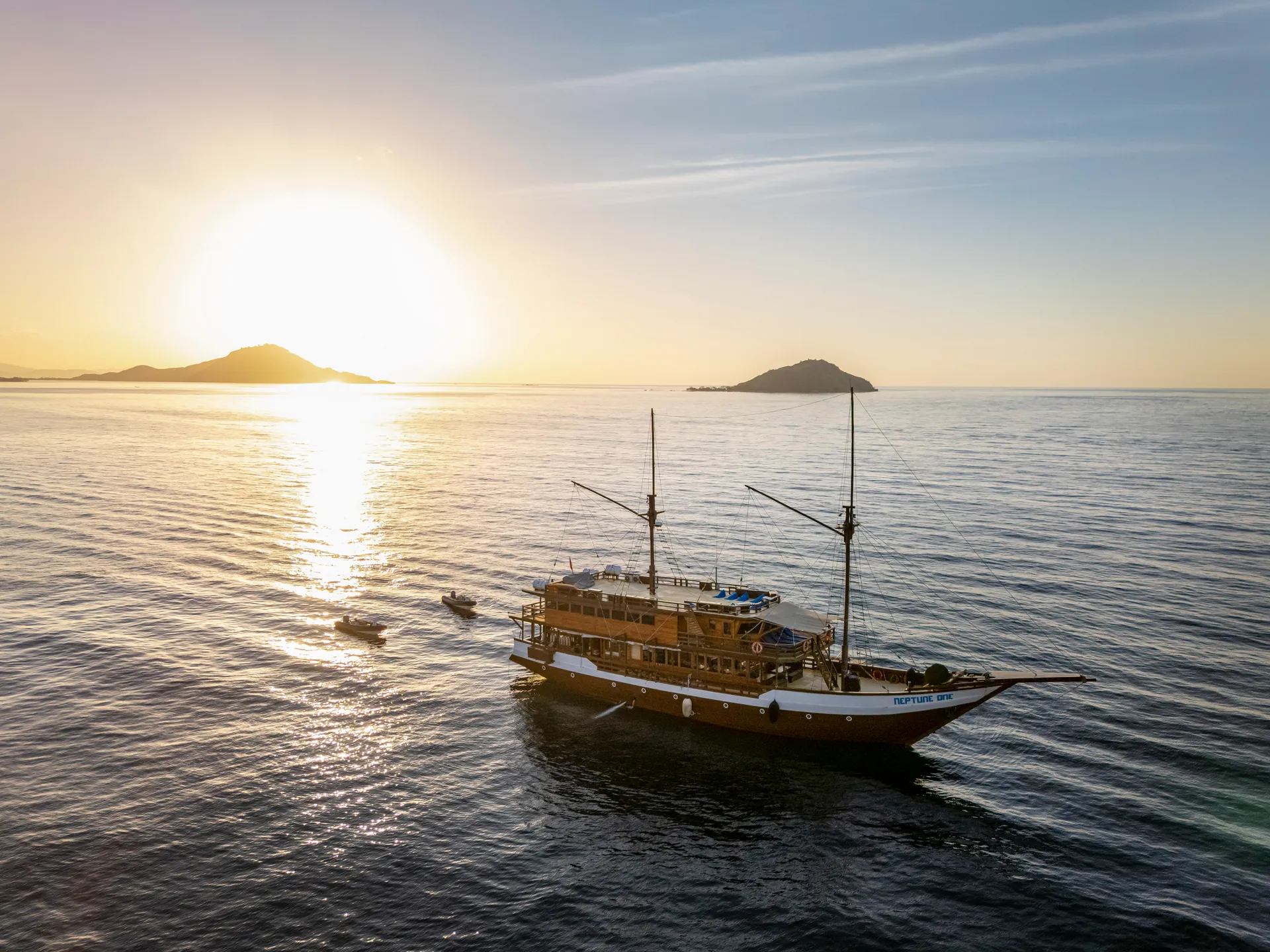
Neptune One
A 39-metre phinisi with 8 cabins for 16 guests, including balcony cabins and a deluxe suite. A smaller group, Nitrox on board and free satellite internet.
Your trip
What Your Trip Includes
Included in the price
- Cabin accommodation with en-suite bathroom
- Airport and hotel transfers in Sorong on departure and return days
- All scheduled dives, with tanks, weights and weight belts
- Three meals and three snacks a day
- Coffee, tea and snacks all day
- Unlimited satellite internet
- Snorkelling gear
- A maximum of four divers per guide
- Stand-up paddle boards and kayaks
Not included
- Nitrox
- Rental equipment such as BCD, regulator and wetsuit
- Single cabin supplement
- Park and port fees
- Private dive guide
- Alcohol and soft drinks
FAQ
Frequently Asked Questions
When is the best time to visit Raja Ampat?
October to April is the main season, with calm seas, 25 to 30 metres of visibility and water at 28 to 30°C. Manta season peaks from November to April. From May to September the seas are rougher, and our boats move to the Banda Sea and Komodo.
How do I get to Raja Ampat?
Fly to Sorong (SOQ) in West Papua, which has daily flights from Jakarta, Makassar and Manado. The crew meets you at the airport or your hotel and takes you to the boat.
Why is Raja Ampat so special for diving?
It sits in the heart of the Coral Triangle and holds the world record for marine biodiversity, with more than 1,500 fish species and 600 coral species recorded.
Do I need a permit to dive in Raja Ampat?
Yes. Every visitor needs the regional marine park entry permit, known as the PIN card. The fee supports conservation and local communities, and our team tells you at booking how it is paid for on your trip.
What diving experience do I need for Raja Ampat?
Raja Ampat suits every level, from new Open Water divers to very experienced divers. Sites range from gentle coral gardens to fast drifts, and our guides match each dive to the conditions and the group.
Which boat should I choose, King Neptune or Neptune One?
King Neptune is a 46-metre motor yacht with 10 cabins for up to 22 guests, a jacuzzi and a large dive deck. Neptune One is a 39-metre phinisi with 8 cabins for 16 guests and a more intimate atmosphere. Both have Nitrox on board, the same guide ratio and the same Raja Ampat routes.
Explore more
See Other Destinations
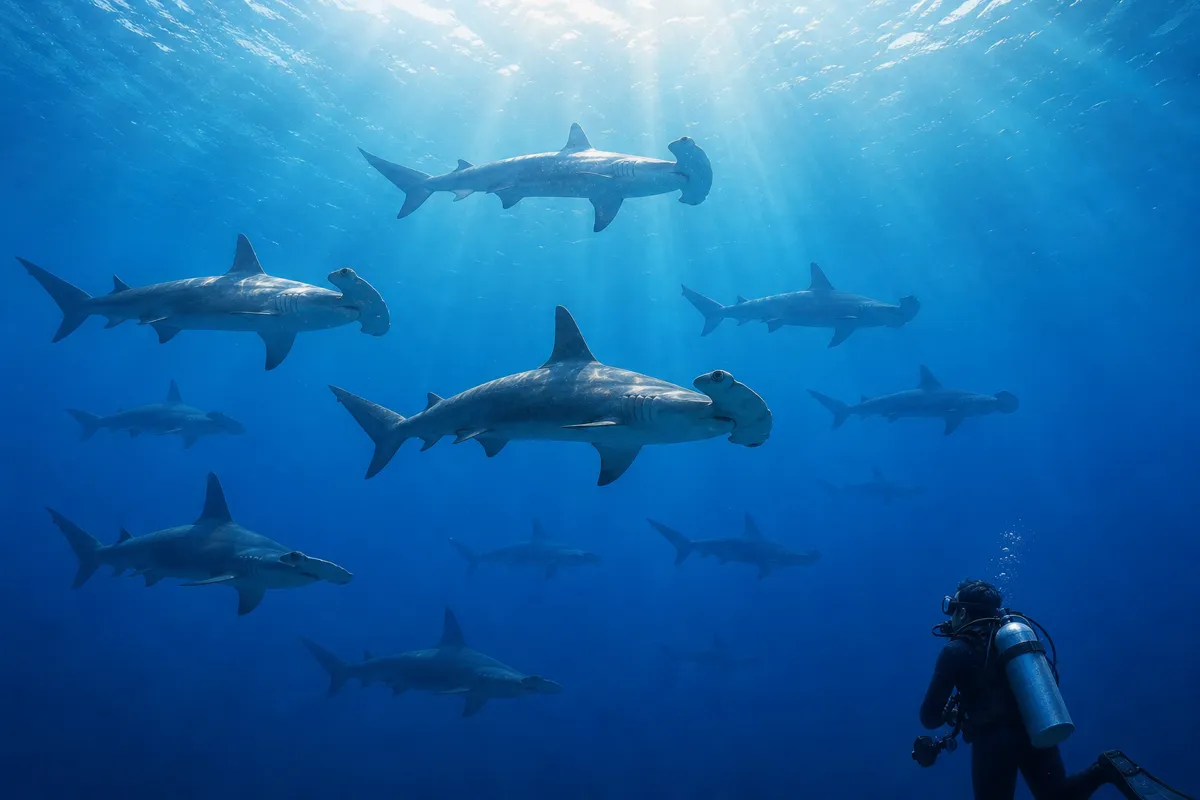
Banda Sea
Schooling hammerheads, volcanic islands and deep blue walls in the old Spice Islands.
Explore →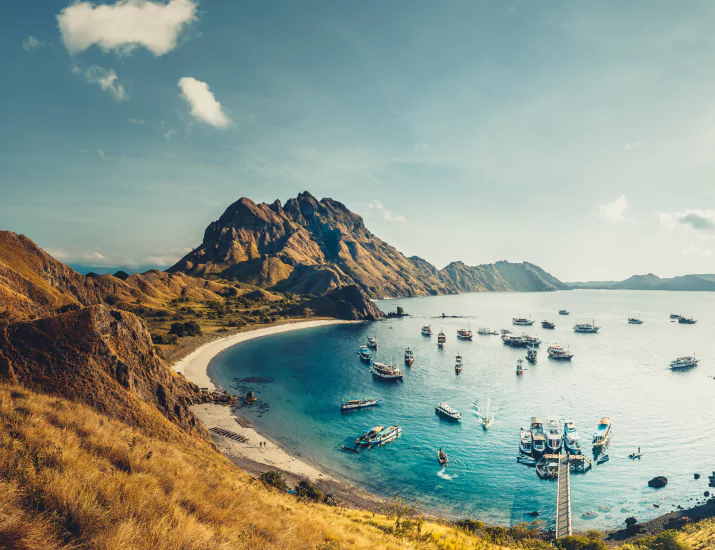
Komodo
Manta rays, strong-current reefs and the Komodo dragons, in a UNESCO World Heritage national park.
Explore →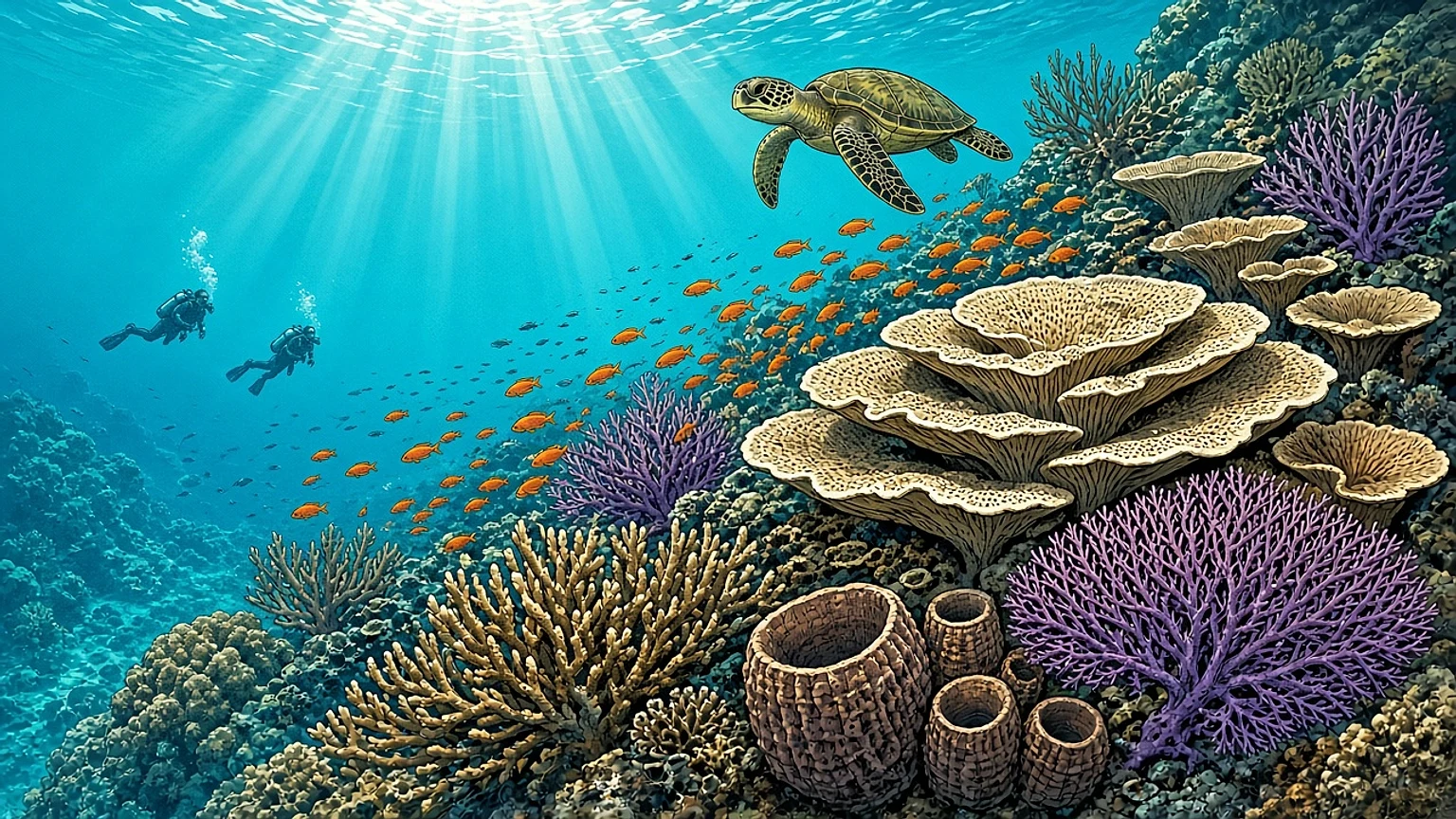
Wakatobi
A UNESCO biosphere reserve with some of the healthiest hard coral and the clearest water in Indonesia.
Explore →Get in Touch
Have a question? We'd love to hear from you. Send us a message and we'll respond as soon as possible.
Contact Us