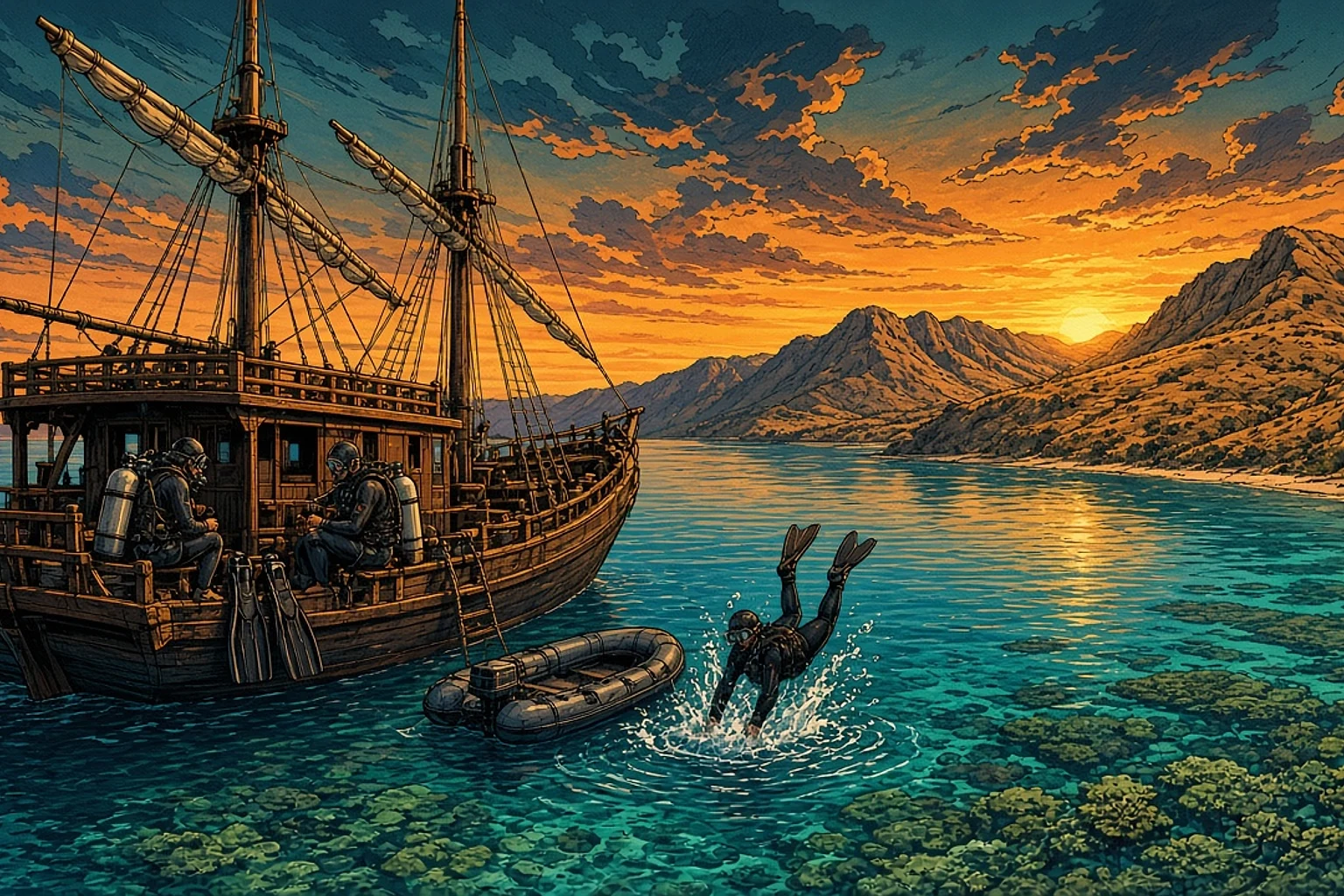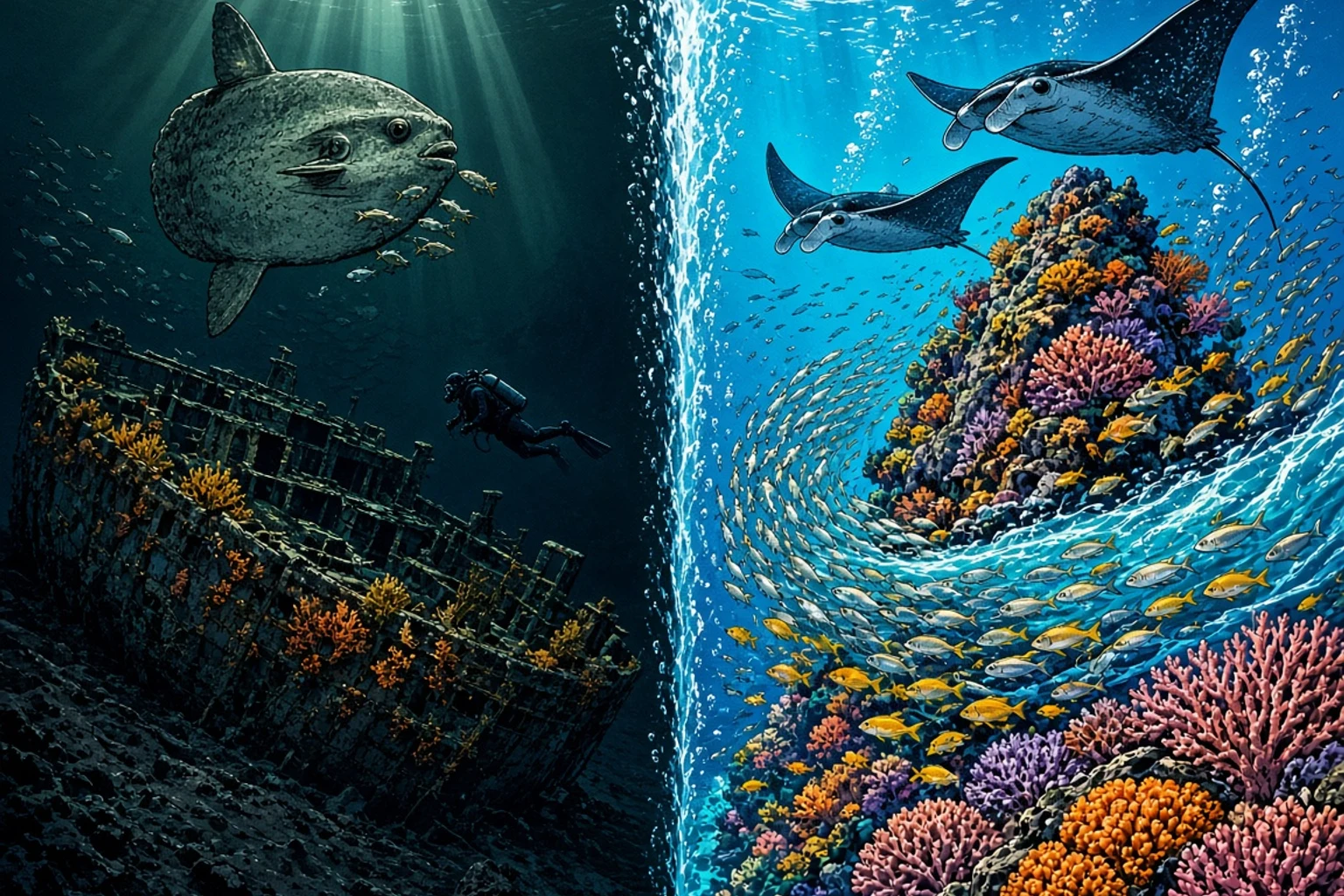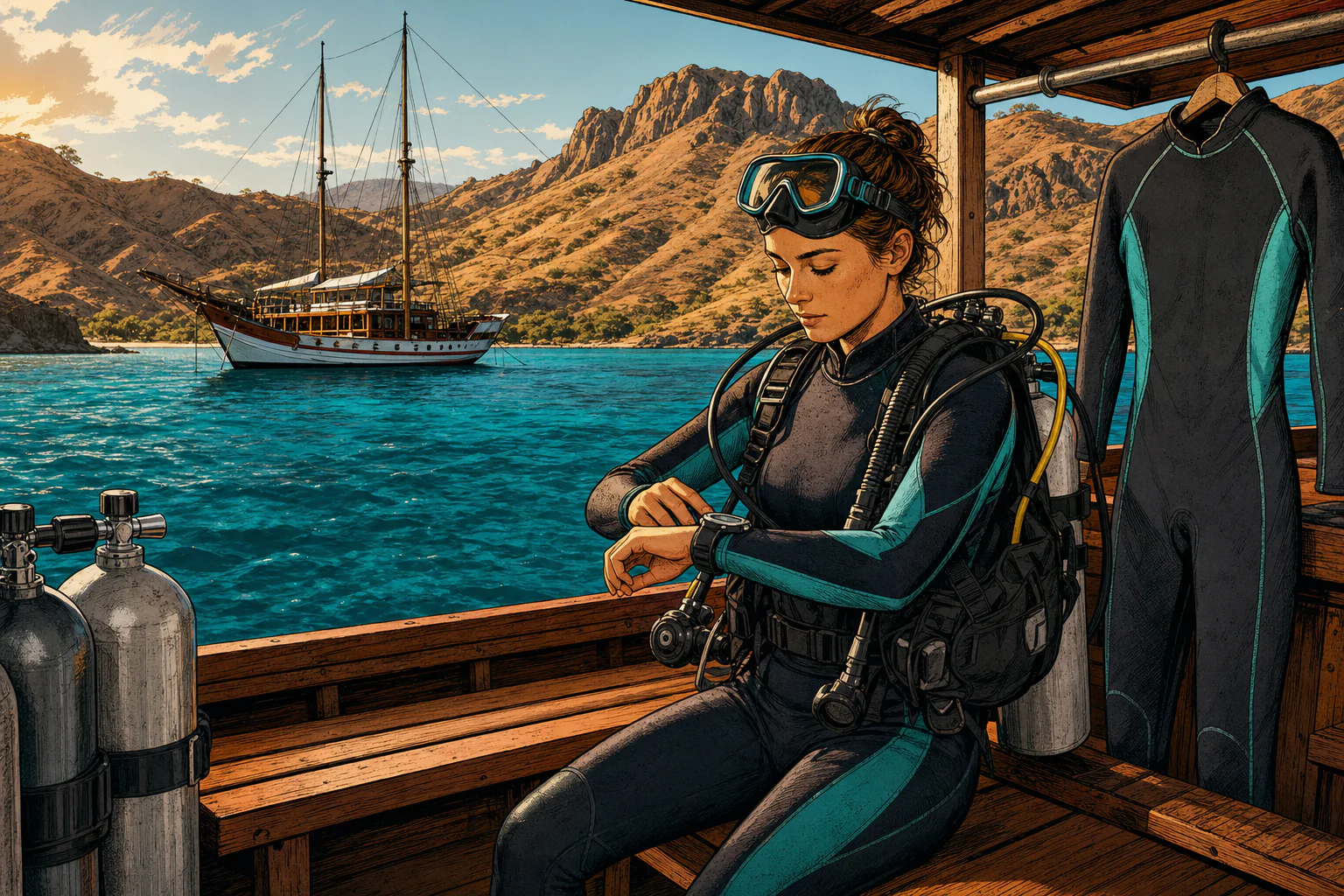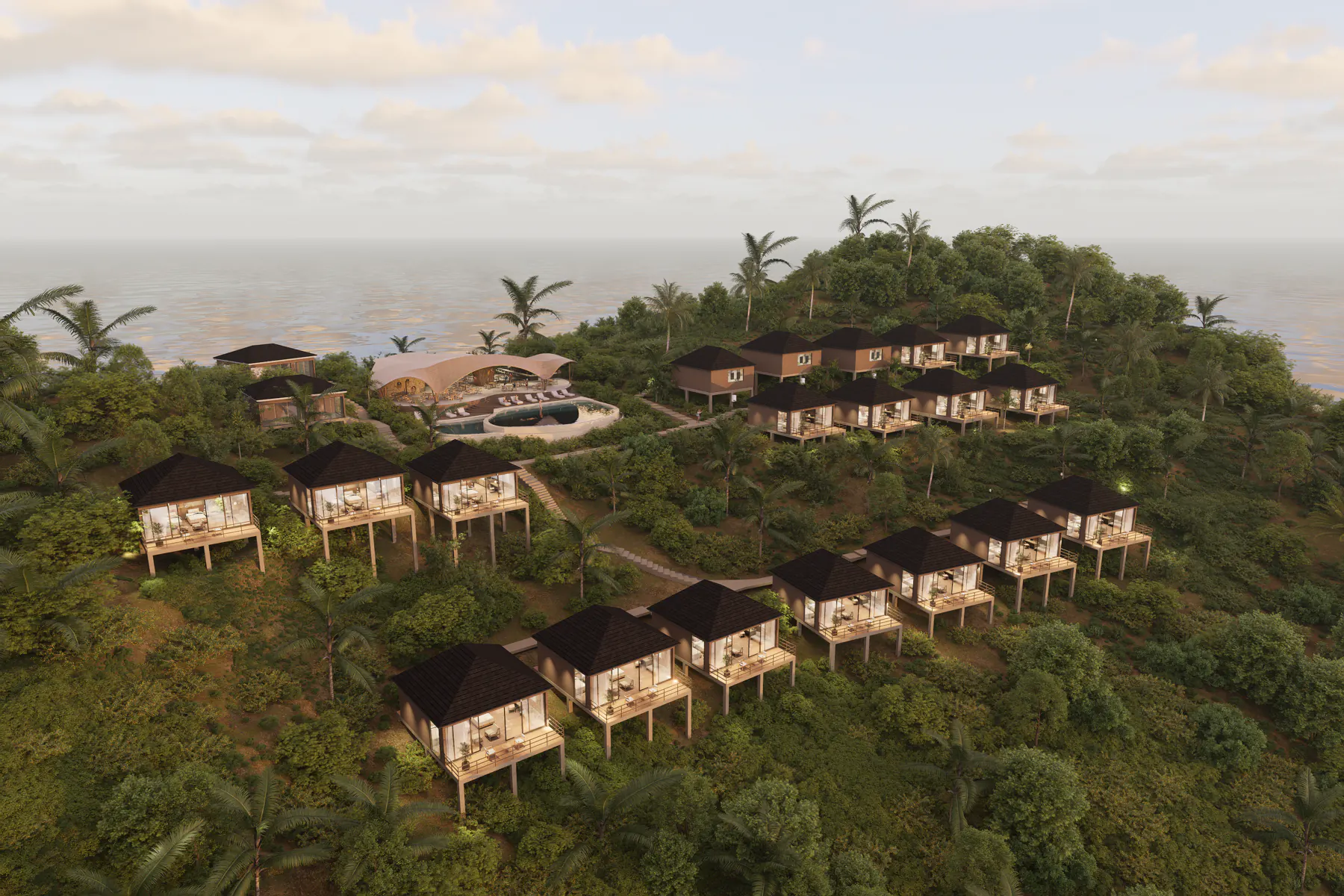
If you have ever wondered why Indonesia keeps appearing at the top of every diver's bucket list, the answer has a name: the Coral Triangle. This vast stretch of ocean, spanning six countries in the western Pacific, is the single richest marine environment on the planet, and Indonesia sits squarely at its heart. When you drop beneath the surface in Komodo National Park or Raja Ampat, you are not just diving a good reef; you are diving the global epicenter of marine biodiversity.
This guide explains what the Coral Triangle actually is, why it holds more life than anywhere else in the ocean, which Indonesian destinations let you experience it best, the threats it faces, and how you can dive it responsibly. Whether you are a diver, a snorkeler, or simply curious about the natural world, understanding the Coral Triangle changes the way you see a trip to Komodo and beyond.
What Is the Coral Triangle?
The Coral Triangle is a roughly triangular region of tropical ocean covering about 5.7 million square kilometers, an area larger than half of the continental United States. Its three points reach across the Indo-Pacific, and it encompasses the waters of six countries: Indonesia, Malaysia, the Philippines, Papua New Guinea, Timor-Leste, and the Solomon Islands. These nations are often referred to collectively as the CT6.
The term was popularized in the late 1980s and 1990s by marine scientists, notably the Australian coral expert Charlie Veron, who mapped coral species distribution across the Indo-Pacific and found that diversity peaked dramatically in this one region. The name stuck, and the Coral Triangle is now recognized worldwide as the most biologically diverse marine ecosystem on Earth, sometimes called the Amazon of the seas.
Indonesia contains the largest share of the Coral Triangle, and within Indonesia, destinations like Komodo, Raja Ampat, the Banda Sea, and Wakatobi are among its crown jewels. When you plan a dive trip to Indonesia, you are almost always diving inside the Triangle.
Why Is the Coral Triangle So Biodiverse?
The numbers are staggering, but the reasons behind them are what make the Coral Triangle truly fascinating. Several factors combine to create this explosion of life.
A Crossroads of Ocean Currents
The Coral Triangle sits at the meeting point of the Pacific and Indian Oceans, where the Indonesian Throughflow, a massive current system, funnels warm water between the two. These currents carry larvae, nutrients, and plankton across huge distances, constantly mixing populations and delivering food to the reefs. In Komodo especially, powerful tidal currents pull cold, nutrient-rich water up from the deep, fueling an extraordinary density of life.
Millions of Years of Stability
The region has enjoyed warm, stable tropical conditions for tens of millions of years. While ice ages reshaped and destroyed reefs elsewhere, the Coral Triangle remained a refuge where species could survive, evolve, and diversify without interruption. This deep evolutionary history has allowed an enormous number of species to accumulate.
A Maze of Islands and Habitats
Indonesia alone has over 17,000 islands, creating a near-endless variety of habitats: sheltered lagoons, current-swept channels, deep walls, mangrove forests, seagrass beds, muck-diving slopes, and shallow coral gardens. Each niche supports its own specialized community of creatures. The sheer physical complexity of the region gives life countless ways to make a living.
The Center of Origin
Many scientists believe the Coral Triangle acts as a center of origin, a place where new species evolve and then spread outward to colonize the rest of the Indo-Pacific. Others see it as a center of accumulation, where species from surrounding regions gather. Either way, the result is the same: nowhere else concentrates so much marine life in one place.
The Numbers: Just How Rich Is It?
The biodiversity statistics of the Coral Triangle are almost hard to believe:
- Over 600 species of reef-building coral live here, about 76 percent of all known coral species on Earth.
- More than 2,000 species of reef fish have been recorded, the highest diversity anywhere in the world.
- Six of the world's seven species of marine turtle nest and feed in these waters, including green, hawksbill, and leatherback turtles.
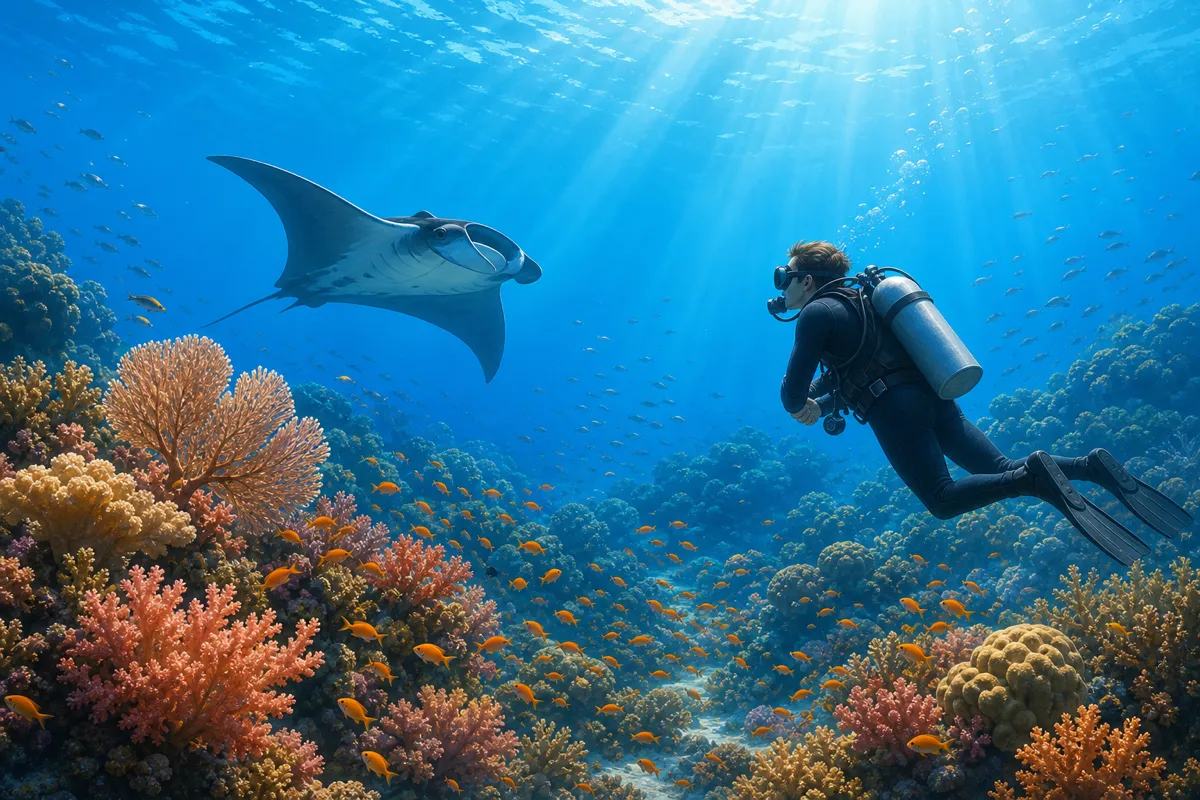
- Whales, dolphins, dugongs, manta rays, and whale sharks all rely on the region.
- The mangroves and seagrass beds are among the most extensive on the planet, acting as nurseries for countless species.
To put that in perspective, a single reef in the Coral Triangle can host more fish species than the entire Caribbean Sea. When divers describe Indonesian reefs as overwhelming, they are responding to a genuine, measurable density of life that exists nowhere else.
The Coral Triangle vs the Great Barrier Reef and Caribbean
Divers often ask how the Coral Triangle compares to the world's other famous reef systems, and the contrast is striking. Australia's Great Barrier Reef is the largest single reef structure on Earth and utterly magnificent, but it sits at the edge of the Coral Triangle's influence and hosts fewer coral and fish species: around 400 coral species compared to the Triangle's 600-plus. The Caribbean, meanwhile, is a separate marine region with its own charm but far lower diversity, home to roughly 65 coral species, barely a tenth of what thrives in Indonesian waters.
This is why a diver who has explored reefs worldwide will still describe their first Indonesian dive as a revelation. It is not that other destinations are poor; it is that the Coral Triangle operates on a different scale entirely. The density of species, the health of the coral, and the frequency of big-animal encounters combine into an experience that simply cannot be matched elsewhere. When you compare Komodo with the Maldives or other tropical destinations, the biodiversity gap is the recurring theme.
Indonesia's Best Coral Triangle Destinations
Indonesia offers more access to the Coral Triangle than any other country. Here are the destinations that best showcase it, each with its own character.
Komodo National Park
Komodo is the most accessible world-class slice of the Coral Triangle. The park's position between the Flores Sea and the Indian Ocean creates strong currents that feed a spectacular concentration of life. On a single trip you can see manta rays, reef sharks, turtles, and vast schools of fish, all against a backdrop of vibrant hard and soft coral. Sites like Batu Bolong and Castle Rock rank among the finest reefs in Indonesia. Our Komodo dive sites guide covers the north, central, and southern zones in detail, and because the park is compact and close to Labuan Bajo, it works beautifully for both liveaboards and resort-based diving.
Raja Ampat
If Komodo is the Coral Triangle's most accessible jewel, Raja Ampat is its absolute pinnacle. Located off the northwest tip of Papua, this archipelago holds the highest recorded marine biodiversity on Earth: over 1,700 species of reef fish and around 600 species of coral in one region. The reefs here are almost impossibly dense, and the topside scenery of mushroom-shaped limestone islands is just as breathtaking. Raja Ampat is remote and best explored by liveaboard, but for serious divers it is the trip of a lifetime.
The Banda Sea
For a wilder, more remote face of the Coral Triangle, the Banda Sea delivers deep-water drama: schooling hammerhead sharks, sea snakes, pristine walls, and the historic Spice Islands. Only reachable by liveaboard during seasonal crossings, it represents the Coral Triangle at its most untouched.
Wakatobi and Beyond
The Wakatobi islands in Southeast Sulawesi protect some of the healthiest reefs in the country, with spectacular wall diving and rich macro life. Elsewhere, North Sulawesi's Bunaken and the Lembeh Strait offer legendary reef and muck diving. Together these destinations show the sheer range of the Coral Triangle within Indonesia's borders alone. For a broader overview of the country's dive regions, see our guide to Indonesia diving resorts.
Life You Can Encounter in the Coral Triangle
Part of what makes diving the Coral Triangle so rewarding is the sheer variety of encounters possible on a single trip:
- Manta rays: Cleaning stations and feeding aggregations, especially in Komodo, offer close encounters with these gentle giants. See our guide to swimming with manta rays.
- Reef sharks: Whitetip, blacktip, and grey reef sharks patrol healthy reefs; the region is a global stronghold for them, as covered in our sharks of Komodo guide.
- Sea turtles: Green and hawksbill turtles are common sights, grazing on seagrass and resting on coral ledges.
- Macro life: Pygmy seahorses, nudibranchs, frogfish, and mimic octopus draw underwater photographers from around the world.
- Schooling fish: Walls of fusiliers, jacks, barracuda, and snapper turn the water silver.
- Coral gardens: Fields of hard and soft coral in colors that seem almost artificial, forming the living foundation of the whole ecosystem.
Even snorkelers experience this abundance. Many of the Coral Triangle's richest scenes are in shallow water, which is why our Komodo snorkeling guide is relevant to anyone visiting, not just certified divers.
Why the Coral Triangle Matters Beyond Diving
The Coral Triangle is not only a paradise for visitors; it is a lifeline for people. More than 120 million people live within the region, and many depend directly on its reefs and fisheries for food and income. The tuna fisheries of the Coral Triangle supply markets worldwide. Healthy reefs also protect coastlines from storms and erosion, and support the tourism economies of entire nations.
This human dimension is why conservation here is about more than protecting pretty reefs. It is about food security, livelihoods, and cultural heritage for tens of millions of people across Southeast Asia and the Pacific.
Threats Facing the Coral Triangle
For all its richness, the Coral Triangle is under serious pressure. Understanding the threats is part of being a responsible visitor.
- Climate change and coral bleaching: Rising sea temperatures cause corals to expel the algae that feed them, turning them white and, if the heat persists, killing them. Bleaching events have become more frequent and severe worldwide.
- Destructive fishing: Blast fishing with explosives and cyanide fishing for the live-fish trade have devastated reefs in some areas, though enforcement in protected zones like Komodo has improved dramatically.
- Overfishing: Removing too many fish, especially predators and herbivores, throws reef ecosystems out of balance and lets algae smother coral.
- Plastic and pollution: Runoff, sewage, and plastic waste degrade water quality and harm marine life throughout the region.
- Coastal development: Poorly planned development smothers reefs with sediment and destroys the mangroves and seagrass beds that nurseries depend on.
The good news is that Indonesia has responded with a growing network of marine protected areas. Komodo National Park is a UNESCO World Heritage Site, and Raja Ampat is a celebrated marine protected area where shark and manta populations have rebounded thanks to local conservation leadership. The Coral Triangle Initiative, a partnership between the six member countries, coordinates protection across borders.
How to Dive the Coral Triangle Responsibly
Visitors are part of the solution when they travel thoughtfully. Simple choices make a real difference:
- Perfect your buoyancy. The single biggest impact a diver has is physical contact with the reef. Good buoyancy control means never touching or kicking coral.
- Never touch or chase marine life. Keep a respectful distance from manta rays, turtles, and sharks, and never handle animals for a photograph.
- Choose reef-safe sunscreen. Many common sunscreen chemicals are toxic to coral. Mineral-based, reef-safe formulas protect both you and the reef.
- Pick responsible operators. Dive with centers and liveaboards that follow park rules, use mooring buoys instead of anchors, manage waste properly, and support local communities.
- Pay park fees gladly. Entrance and conservation fees fund the rangers and patrols that keep these areas protected. See our entrance fees guide.
- Reduce single-use plastic. Bring a reusable water bottle and avoid disposable plastics on your trip.
Choosing a land-based island resort or a well-run Komodo liveaboard that prioritizes sustainability means your trip actively supports the ecosystem you came to see.
Planning Your Coral Triangle Adventure
For most travelers, Komodo is the ideal entry point to the Coral Triangle: accessible, spectacular, and suitable for divers and snorkelers alike. The best time to visit is during the dry season from April to November, when visibility peaks. From there, more experienced divers often graduate to Raja Ampat or the Banda Sea for deeper immersion in the region's biodiversity.
However you plan it, diving the Coral Triangle is more than a holiday. It is a chance to witness the living heart of the ocean at its most abundant, in the one place on Earth where marine life reaches its fullest expression. To start building an itinerary, see our Komodo itinerary guide, and to compare the region's headline destinations, our Komodo vs Raja Ampat comparison is a useful next read.
The Coral Triangle has taken tens of millions of years to become what it is. Experiencing it, and helping protect it, is one of the great privileges of traveling in Indonesia.