Komodo National Park is one of the best places in Indonesia to see sharks in the wild. The same powerful currents that make Komodo a world-class dive destination also draw in an abundance of marine life, and sharks sit right at the top of that food chain. On a single dive here, it is common to see multiple reef sharks patrolling the current lines, resting on sandy patches, or cruising along coral walls.
For many divers, sharing the water with sharks is the highlight of a trip to Komodo. Yet there is still a lot of fear and misunderstanding around these animals. This guide covers the shark species you can realistically expect to see, the best places to find them, and the truth about how safe it is to dive and snorkel alongside them.
Shark Species You Can See in Komodo
Komodo is home to a healthy population of sharks thanks to strong conservation efforts and the nutrient-rich waters flowing through the park. Here are the species you are most likely to encounter.
Whitetip Reef Shark
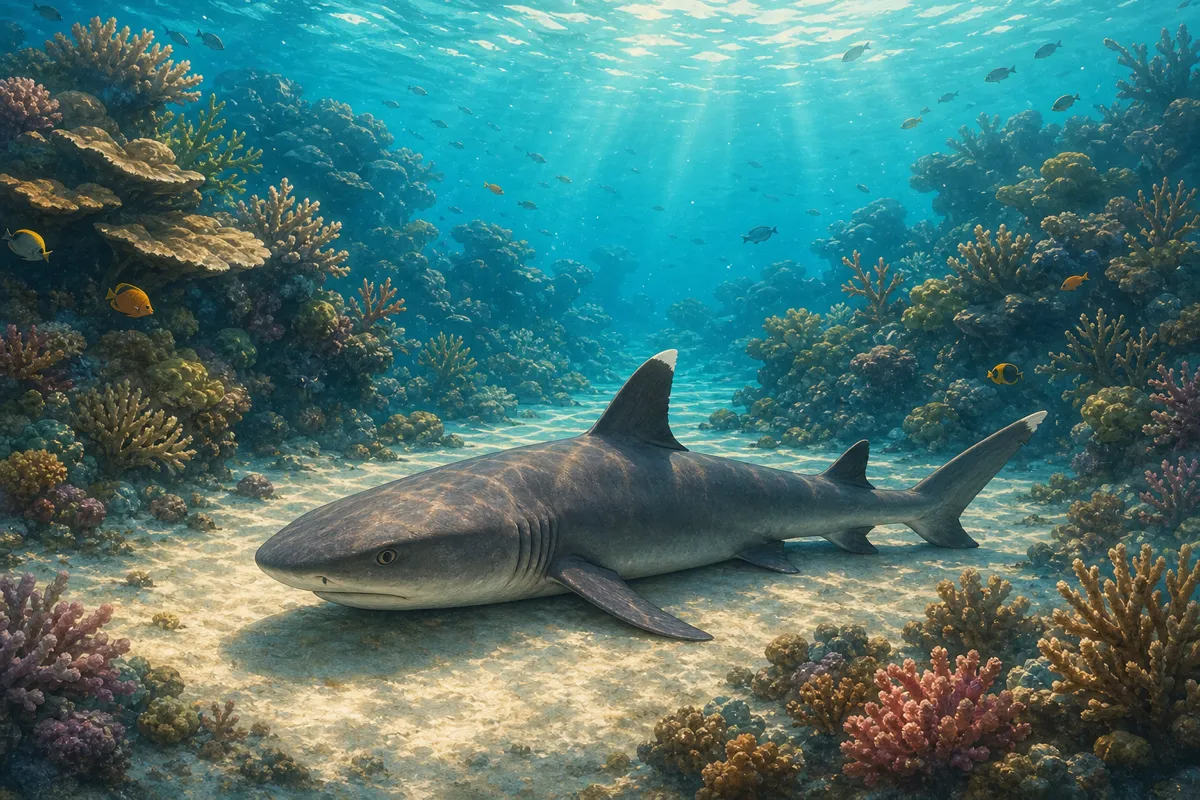
The whitetip reef shark is the most common shark in Komodo and the one you are almost guaranteed to see. Named for the white tips on their dorsal and tail fins, these slender sharks grow to about 1.6 meters. They are often found resting motionless on sandy bottoms or tucked into crevices during the day, becoming more active hunters at night. Whitetips are shy and pose no threat to divers.
Blacktip Reef Shark
Blacktip reef sharks are commonly seen in the shallows, often patrolling reef edges and lagoons. Their distinctive black-tipped fins make them easy to identify. They rarely exceed 1.5 meters and are skittish around people, usually keeping their distance. Snorkelers frequently spot blacktips cruising over shallow reefs.
Grey Reef Shark
Grey reef sharks are the classic current-loving sharks of Komodo. You will often see them hanging in the blue at sites with strong current, sometimes in groups. They are more robust than whitetips and blacktips, reaching around 1.9 meters. Sites like Castle Rock and Crystal Rock in the north of the park are famous for reliable grey reef shark action.
Whale Shark
The whale shark, the largest fish in the ocean, is an occasional and unforgettable visitor to Komodo waters. These gentle filter-feeders can reach over 12 meters but are completely harmless, feeding only on plankton and small fish. Sightings are seasonal and unpredictable, often occurring in the southern part of the park where cooler, plankton-rich water rises to the surface.
Bamboo and Wobbegong Sharks
For fans of smaller, stranger sharks, Komodo also hosts bamboo sharks and the occasional wobbegong. These bottom-dwelling species are masters of camouflage and are usually found tucked under ledges or resting on the seabed, especially on macro and muck dives in the south.
Best Dive Sites for Sharks in Komodo
Sharks can turn up almost anywhere in the park, but a few sites stand out for consistent encounters. If seeing sharks is a priority, build your trip around the northern sites where currents are strongest.
- Castle Rock: A submerged pinnacle in the north famous for schooling fish and packs of grey reef sharks hunting in the current. One of the best shark dives in the park.
- Crystal Rock: Close to Castle Rock, this site offers dramatic topography, big schools, and regular reef shark sightings.
- Shotgun (The Cauldron): A thrilling drift dive where you fly through a channel alongside sharks, mantas, and huge schools of fish.
- Batu Bolong: A stunning coral pinnacle where whitetip and grey reef sharks patrol the walls amid some of the healthiest coral in the park.
For a full overview of where these sites sit within the park, see our complete Komodo dive sites guide. To understand the currents and conditions that bring in the sharks, read about Komodo diving conditions.
Is Shark Diving in Komodo Safe?
Yes. Diving with sharks in Komodo is safe, and shark attacks on divers here are effectively unheard of. The species found in the park are reef sharks that have no interest in humans. They are far more likely to swim away from you than toward you.
Understanding the Real Risk
Sharks are apex predators, but they are also cautious animals. The reef sharks in Komodo feed on fish and are naturally wary of large, unfamiliar creatures like scuba divers. The bubbles, size, and movement of a diver make us unappealing and slightly intimidating to them. Statistically, you are in far greater danger during the drive to the airport than you are diving with reef sharks.
Simple Rules for Diving With Sharks
- Stay calm and move slowly. Sudden, erratic movements can make sharks nervous.
- Do not chase, touch, or corner a shark. Give them space and let them come to you.
- Maintain good buoyancy and stay close to your group and guide.
- Avoid diving with open wounds, and be mindful in low visibility.
- Never feed sharks. Baiting alters their natural behavior and is not practiced by responsible operators in Komodo.
The dive center teams in Komodo are experienced with current diving and shark encounters, and they will brief you thoroughly before every dive. If you are newer to diving, our guide on trying scuba in Komodo is a good starting point.
Can You See Sharks While Snorkeling?
Yes, though encounters are less predictable than on dives. Blacktip reef sharks in particular are often seen from the surface as they patrol shallow reefs and lagoons. Snorkeling trips to reefs around the park's islands offer a real chance of spotting sharks in clear, shallow water. For the best snorkeling spots and what to expect, see our Komodo snorkeling guide.
Sharks and Conservation in Komodo
The healthy shark population in Komodo is not an accident. It reflects decades of protection as a national park and marine reserve. Sharks are essential to the health of coral reef ecosystems, keeping fish populations balanced and reefs resilient. Globally, shark numbers have plummeted due to overfishing and the shark fin trade, which makes places like Komodo increasingly important as strongholds.
When you dive or snorkel with sharks here responsibly, you are supporting a form of tourism that gives these animals real economic value alive rather than dead. Choosing operators that follow park regulations and practice low-impact diving helps keep Komodo's sharks thriving for future generations. You can learn more about the wider ecosystem in our guide to Komodo wildlife.
Planning a Shark-Focused Trip to Komodo
To maximize your chances of great shark encounters, timing and trip style both matter.
- Best time to go: The dry season from April to November offers the best visibility and diving conditions. See our best time to visit guide for a month-by-month breakdown.
- Best trip style: A Komodo liveaboard is the ideal choice for shark diving, as it gives you access to the remote northern sites like Castle Rock and Crystal Rock where shark activity is highest. Multiple dives per day dramatically increase your encounters.
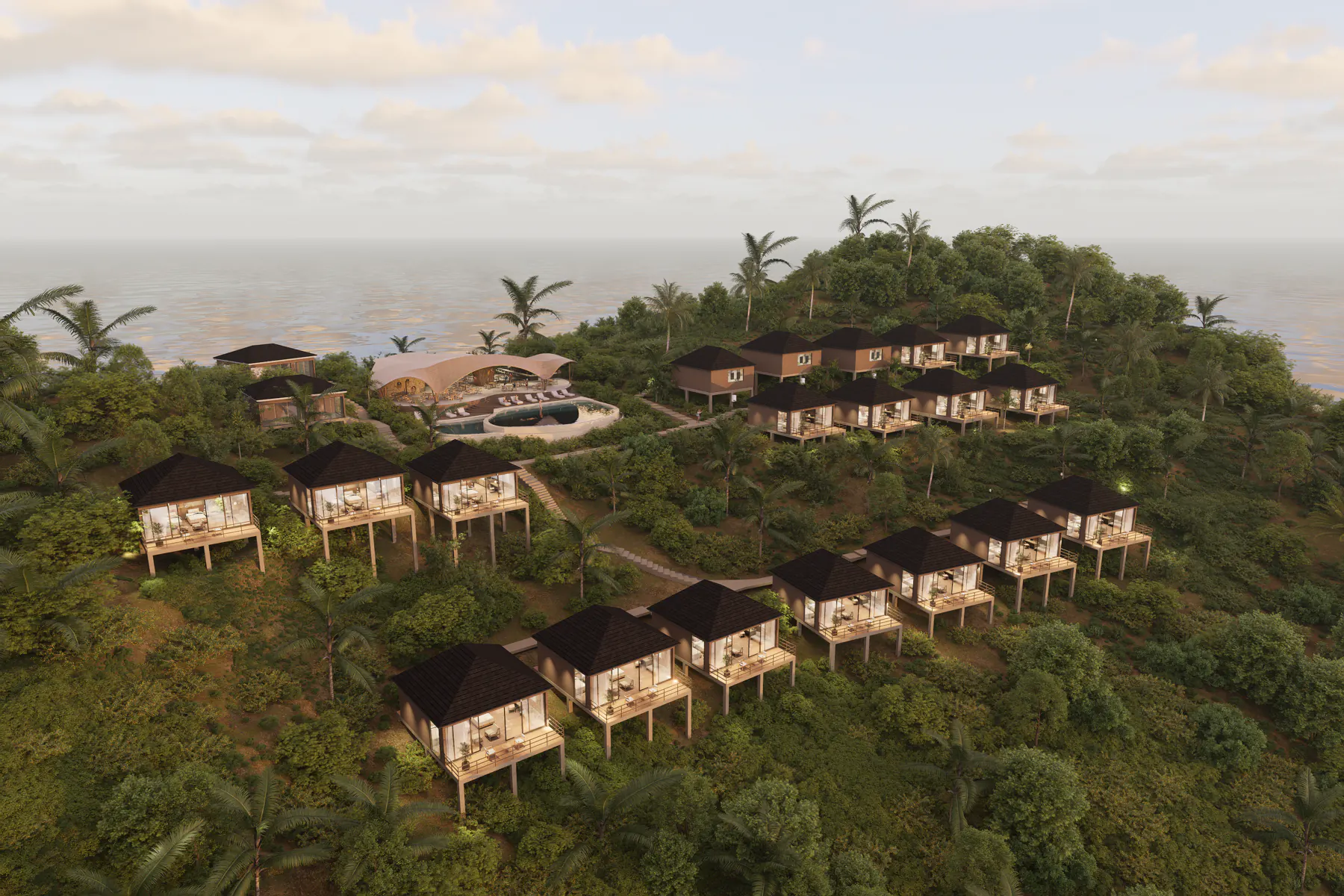
- Land-based option: If you prefer to stay on land, an island resort inside the park still puts you within reach of excellent dive sites with regular shark sightings.
However you choose to explore, sharks are one of the great rewards of diving in Komodo. Far from something to fear, they are a sign of a thriving, well-protected ocean, and seeing them glide through the current is an experience that stays with you long after the trip ends.