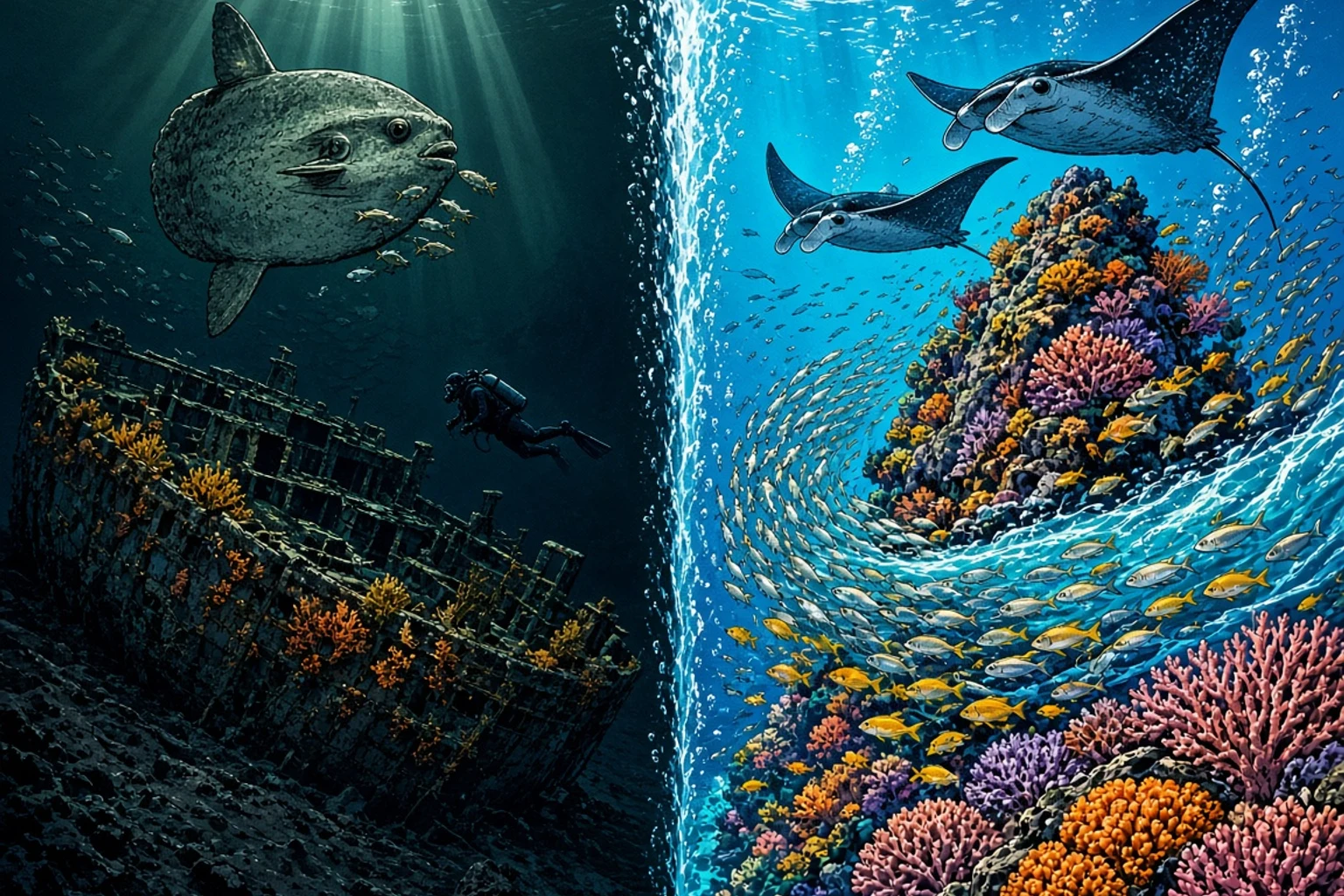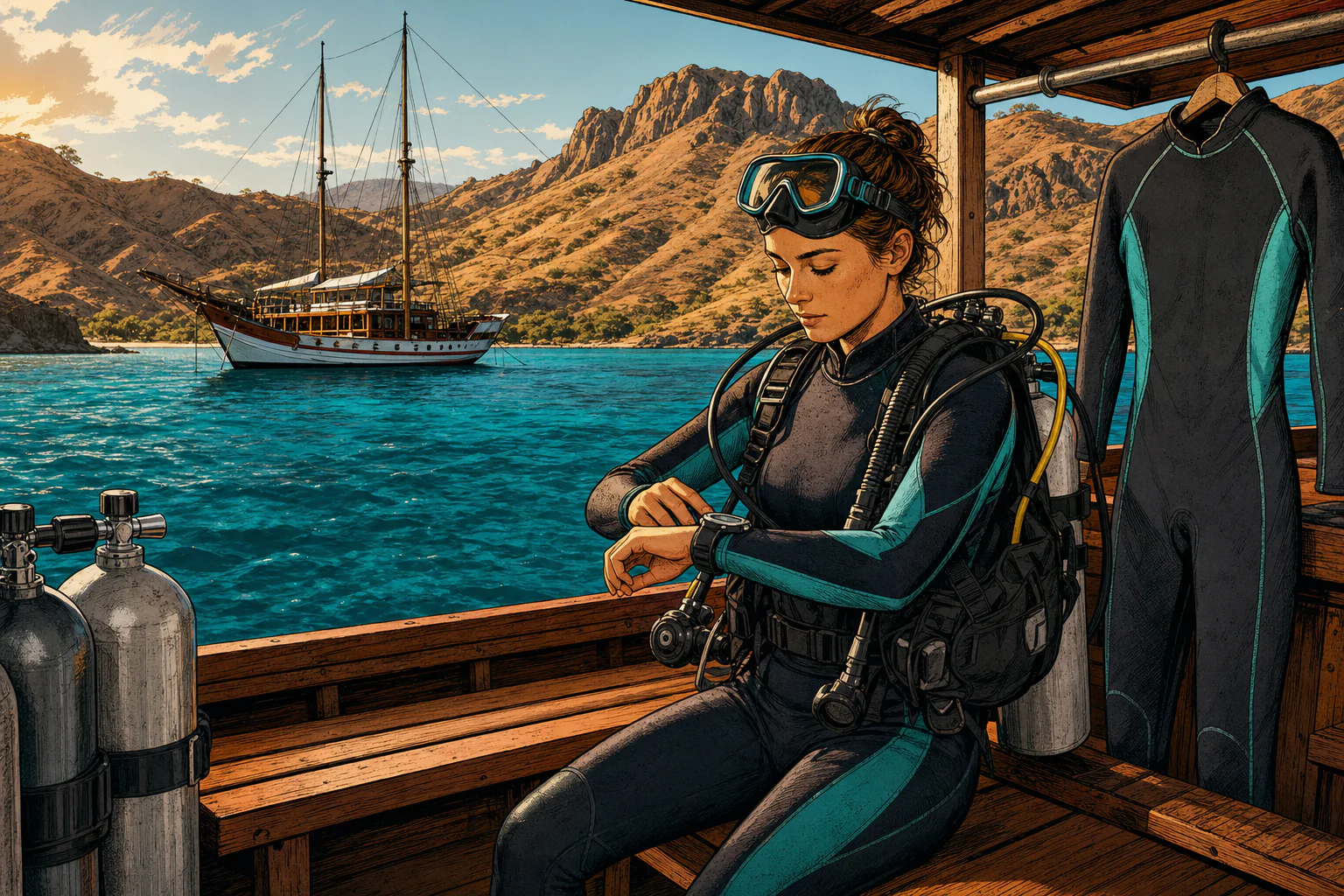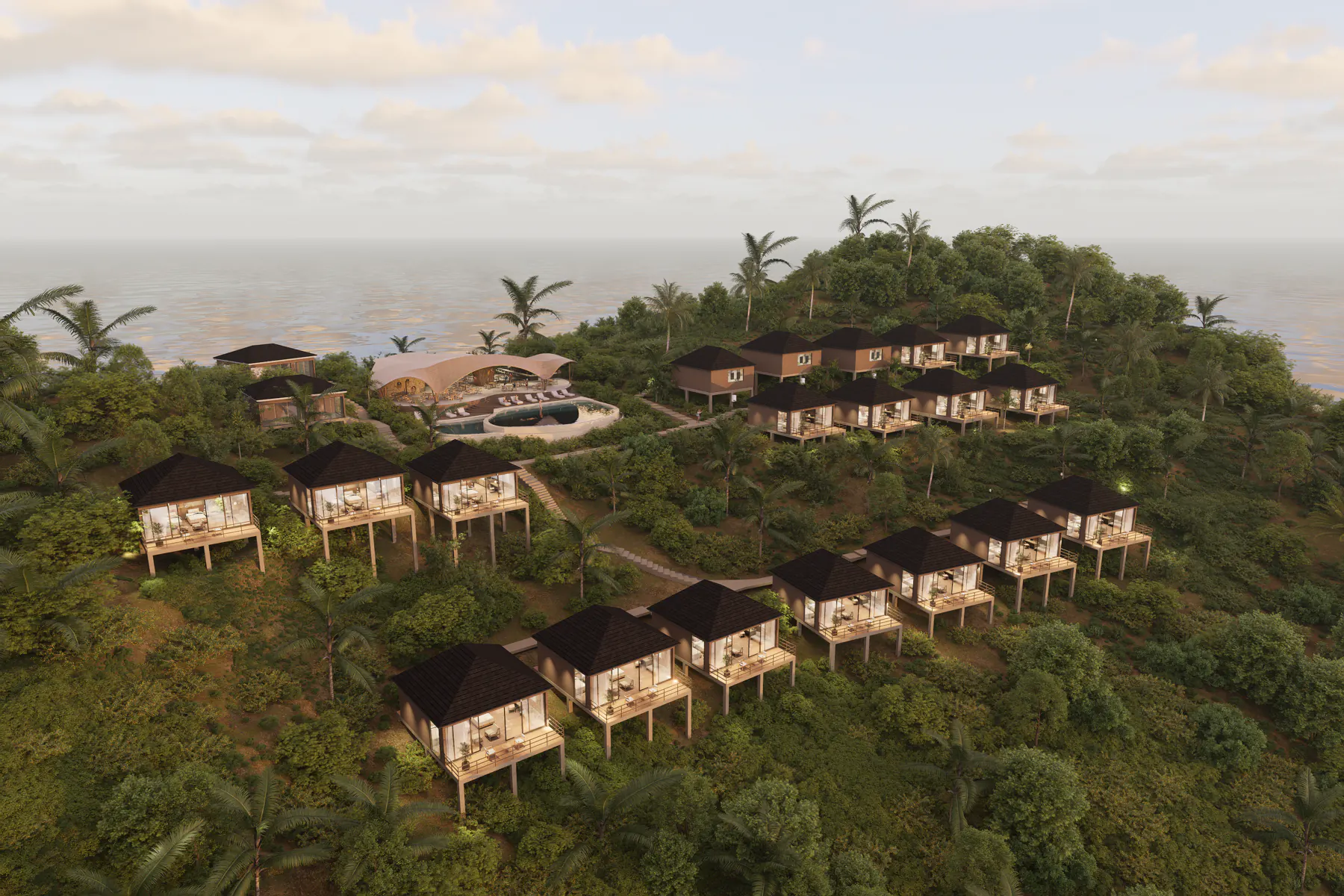
Your first liveaboard is a milestone in any diver's life. Instead of racing back to shore after two tanks, you wake up on the water, roll off the dive deck before breakfast, and spend your surface intervals watching islands drift past. Most divers who try one never want to dive any other way again.
But if you have never done it before, a liveaboard can feel like a leap. A week on a boat with strangers, limited luggage, no dive shop around the corner: it raises questions. This guide answers all of them, from choosing the right boat and destination to what a typical day looks like, so you can step aboard your first liveaboard feeling like you have done it before.
What Exactly Is a Liveaboard?
A liveaboard is a boat built for multi-day dive trips. You sleep, eat, and dive from the same vessel for anywhere from 3 to 12 nights, reaching sites that day boats simply cannot. What that eating looks like in practice, including allergies and vegan diets, is covered in our guide to liveaboard food and dietary requirements. Boats range from simple wooden vessels to luxury yachts like King Neptune, a 46-meter, 22-guest vessel with en-suite cabins, multiple decks, and a dedicated dive team.
The core appeal is simple: more diving, less commuting. On a typical liveaboard you dive three to four times per day, including night dives, and the boat repositions while you eat and sleep. In a destination like Komodo National Park, that means covering the park's best dive sites from north to south in a single trip, something impossible from land.
Choosing Your First Liveaboard
Pick a Forgiving Destination
Some liveaboard regions are better suited to first-timers than others. Komodo is one of the best choices: trips are relatively short (typically 3 to 6 nights), the boat stays in sheltered waters within the park, seasickness risk is low, and there is a mix of easy and advanced sites so guides can match dives to your level. Remote crossings like the Banda Sea are best saved for when you have more experience.
Match the Boat to Your Comfort Level
Liveaboards come in three broad tiers: budget, mid-range, and luxury. For a first trip, mid-range or luxury is worth the extra cost. Better boats mean more stable hulls, smaller guest-to-guide ratios, nitrox, camera stations, and crew who handle everything from gear setup to towel service. Our guide to choosing a Komodo liveaboard breaks down what to look for in detail.
Check the Experience Requirements
Most Komodo liveaboards ask for an Open Water certification and around 20 to 30 logged dives, since some park sites have current. If your logbook is thin, do a few days of land-based diving first, or book a trip that includes a check dive and easier itinerary. If you are not certified yet, consider learning to dive in Komodo before your trip so the liveaboard becomes the reward.
What a Day on Board Actually Looks Like
Liveaboard days follow a rhythm that becomes addictive within 24 hours:
- 6:30 - Light breakfast. Coffee, fruit, toast. Enough to fuel the first dive without weighing you down.
- 7:30 - Dive 1. Usually the best conditions of the day. Briefing, gear up, dive.
- 9:00 - Full breakfast. The real one. Eggs, pancakes, and everything else.
- 11:00 - Dive 2. Followed by lunch and a long surface interval, often with the boat moving to a new site.
- 14:30 - Dive 3. Afternoon light, different site, different marine life.
- 18:00 - Night dive or sunset on deck. Optional but unforgettable, especially in Komodo where the reef transforms after dark.
- 19:30 - Dinner and logbooks. Then an early night, because tomorrow starts at 6:30 again.
Between dives, life is deliberately slow: naps, books, drone views from the sun deck, and in Komodo, land excursions to see the dragons and hike the Padar Island viewpoint. Trips like these mix diving with topside adventures, so non-diving partners can enjoy them too; many boats welcome snorkelers, as covered in our Komodo snorkeling guide.

What to Pack (and What to Leave at Home)
Cabins are comfortable but compact, and soft bags stow far better than hard suitcases. The golden rule: half of what you think you need, in a duffel.
- Dive gear: Mask, computer, and exposure protection are the personal items worth bringing; rental gear covers the rest on good boats. A 3mm wetsuit suits Komodo's north; consider 5mm for the cooler southern sites.
- Clothing: Swimwear, a few t-shirts, shorts, one warm layer for windy night crossings, and a rain shell. Nobody dresses up on a dive boat.
- Essentials: Reef-safe sunscreen, sunglasses, motion sickness tablets, a dry bag, chargers, and a power bank. Check whether your boat uses Indonesian two-pin sockets.
- Documents: Certification cards, dive insurance details, and your passport. Sort your Indonesian visa before you fly, since a missed immigration queue can mean a missed boat.
Our full Komodo packing list covers everything in more detail.
Seasickness: The First-Timer's Biggest Fear
Ask any first-timer what worries them most and the answer is usually seasickness. The reassuring truth: in sheltered waters like Komodo, most people feel nothing at all. Larger, modern vessels are remarkably stable, and the boat is anchored or moving slowly most of the time.
Still, come prepared. Take motion sickness tablets the night before departure rather than after symptoms start, choose a mid-ship cabin on a lower deck if you are sensitive, stay hydrated, avoid heavy alcohol (which also does not mix with diving, as we cover in our guide on drinking and diving), and spend time on deck watching the horizon rather than below in your cabin. Symptoms almost always fade within the first day as your body adapts.
Liveaboard Etiquette for First-Timers
Boats are shared spaces with their own unwritten rules. Master these and the crew will love you:
- Be on time for briefings. The schedule exists so everyone dives safely; one late diver delays the whole group.
- Keep your station tidy. Your gear has an assigned spot on the dive deck. Use it, and never touch another diver's equipment.
- Rinse cameras first. The camera rinse tank is sacred. No masks, no computers, no wetsuits in it.
- Respect dry areas. Salons and cabins are dry zones; drip off on deck first.
- Follow your guide's briefing. Currents in Komodo demand it, and the briefing is where you learn how to enjoy them safely.
- Tip the crew. On Indonesian liveaboards, a tip of around 5 to 10 percent of the trip price, shared among the crew, is customary for good service.
Getting the Most Out of Your Trip
- Get nitrox certified. With three to four dives per day, nitrox keeps your no-decompression limits comfortable. Many boats offer the course on board.
- Arrive a day early. Fly into Labuan Bajo at least one day before departure. Airlines lose bags, flights get delayed, and boats do not wait.
- Consider travel and dive insurance. Standard travel policies often exclude diving; make sure yours covers it, or add specialist dive cover.
- Log everything. Your logbook is your ticket to more advanced trips later, from southern Komodo's Manta Point to the hammerheads of the Banda Sea.
- Put the camera down sometimes. Your first manta, your first shark, your first night dive: some moments are better lived than filmed.
Is a Liveaboard Right for You?
If you love diving enough to want three or four dives a day, the answer is almost certainly yes. If you are still unsure, a good first step is a stay at an island dive resort, where you can dive intensively but sleep on land, then graduate to a liveaboard on your next trip. Many guests at Komodo Resort do exactly that, and plenty return the following year to board King Neptune for the full liveaboard experience.
However you start, one warning applies: liveaboard diving is habit-forming. Your first trip will not be your last.