Komodo Marine Life Guide
We wrote this field guide for divers who want the real story on Komodo marine life, from pygmy seahorses to oceanic mantas, so you know what to expect before you roll backward off our boat.
Heart of the Coral Triangle
Why Komodo Marine Life Feels So Alive
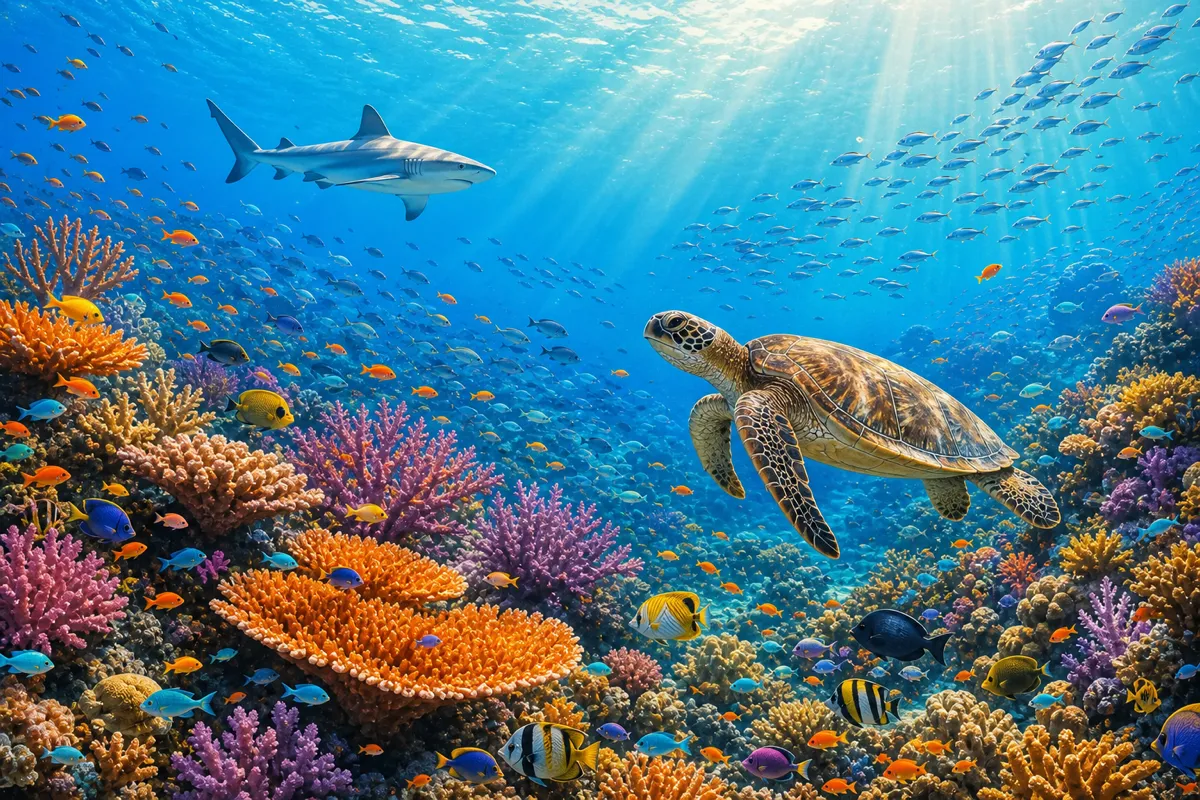
Komodo sits where the Indian and Pacific Oceans exchange water through narrow straits, stirring nutrients that feed everything from zooplankton to schooling jacks. Scientists catalog more than one thousand fish species here, layered over sponges, sea fans, and coral gardens inside a UNESCO-listed seascape we are proud to call our backyard.
Whether you are planning your first trip or returning for another season of marine life Komodo diving, start with our Komodo dive center team, then explore the wider context on our Komodo diving hub for boats, courses, and daily schedules.
Predators of the blue
Sharks & Rays
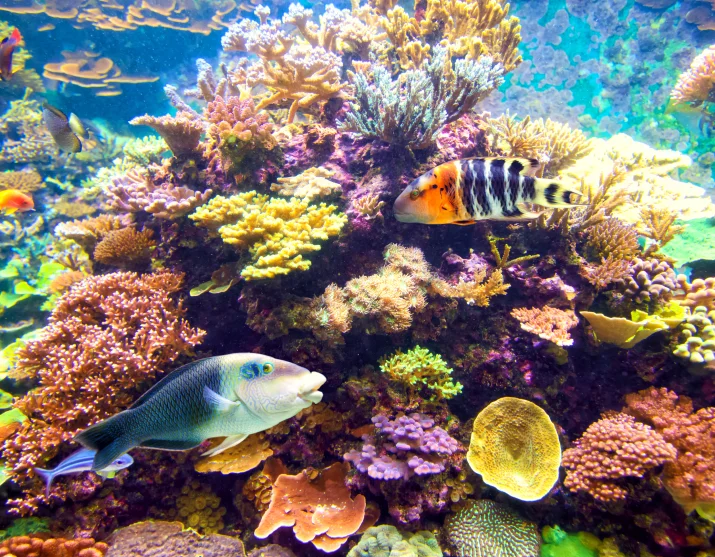
From bamboo sharks tucked under ledges to reef mantas stacking up at cleaning stations, Komodo marine life in this group keeps wide-angle photographers busy on almost every trip. We time channels and pinnacles with the tide so you can hover calmly while grey reef sharks patrol, mobula rays pass in formation, and Manta Point delivers the bucket-list manta show. For sheer density of reef sharks and hunting trevallies in the water column, we also love Castle Rock, Batu Bolong, and Shotgun when currents are running.
Open water hunters
Pelagics
Nutrient-rich upwellings pull giant trevally, dogtooth tuna, and barracuda schools onto the same reefs where sweetlips and surgeonfish mass in the thousands. We watch Napoleon wrasse cruise cleaning stations at Batu Bolong and bumphead parrotfish crunch coral on morning drifts. When you ask us what to see diving Komodo for adrenaline, we point to current-swept pinnacles such as Castle Rock, Crystal Rock, and Shotgun, where jacks flash in the sun and the whole food chain feels wide awake.
Critters & color
Macro Life
Marine life Komodo diving is not only big animals. On slow, shallow profiles we hunt nudibranchs, scorpionfish, and frogfish hiding in the reef. Cannibal Rock delivers both large and small marine life, with trevallies, barracudas, and bamboo sharks sharing the reef with macro critters when conditions suit. Siaba Besar remains a calm haven for close-up exploration, with frogfish, ghost pipefish, and the smaller wonders that make Komodo a Coral Triangle favorite.
Graceful swimmers
Reptiles & Turtles
Green and hawksbill turtles glide along bommies at Tatawa Besar and rest on the sand at Siaba Besar, while banded sea snakes ribbon through the reef in search of prey. Komodo dragons are not an underwater species, but no honest Komodo marine life guide skips them: we visit Rinca and Komodo Island on land excursions so you can pair world-class diving with seeing the park’s famous reptiles on shore.
Living reef tapestry
Reef Life
Soft coral gardens, sea fans, and anthias clouds define the postcard shots you probably already associate with Indonesia. Clownfish defend anemones in ten or more color morphs, sweetlips stack under overhangs, and giant clams pulse along current lines. From Batu Bolong to Tatawa Besar, we find crinoids and sea apples decorating slopes that remind us why this UNESCO-listed seascape belongs in every diver’s story.
Plan your highlights
Where to See What
This matrix is a practical shorthand for what to see diving Komodo at our eight most requested sites. Currents and season still write the final script, but our guides use tables like this every week when we match divers to reefs.
| Category | Batu Bolong | Castle Rock | Crystal Rock | Manta Point | Siaba Besar | Shotgun | Tatawa Besar | Cannibal Rock |
|---|---|---|---|---|---|---|---|---|
| Sharks & rays | ||||||||
| Pelagics | · | · | ||||||
| Macro life | · | · | · | · | ||||
| Turtles & sea snakes | · | · | · | |||||
| Reef gardens & schooling fish |
Timing your trip
Seasonal Encounters
Year-Round
Turtles, white-tip reef sharks, and dense reef fish communities stay on our briefings no matter the month. If you want dependable marine life Komodo diving without chasing a narrow window, we can build a schedule around classic reefs and gentle sites.
Dry Season Apr to Nov
Calmer seas and the clearest water columns bring out the best in wide-angle work and pelagic schools. We often pair north and central pinnacles on the same day when tides line up, so you see both big animals and healthy reefscapes in crisp light.
Manta Season Nov to Feb
Plankton blooms draw reef mantas, oceanic mantas, and mobula rays to cleaning stations and channels. This is when we laugh with guests who cannot believe how many animals fit into one frame, especially at Manta Point and current-fed sites in the south.
Transition Mar, Nov
Shoulder months can mix manta-friendly water with improving visibility, and every season someone reports a whale shark passing through. We stay flexible on the boat plan so you get a taste of both moods when conditions look promising.
Underwater craft
Photography Tips
Wide-Angle
Bring a fisheye or rectilinear wide-angle lens when you want mantas, sharks, and reef scapes to fill the frame. Dual strobes help balance sun rays and blue water, especially when we shoot upward at cleaning stations. Our favorite wide-angle playgrounds include Manta Point, Batu Bolong, and Castle Rock.
Macro
Pack a 60mm or 100mm macro lens and a focus light for nudibranchs, scorpionfish, and cryptic frogfish. We move slowly, breathe lightly, and let subjects come to us. Cannibal Rock is great for both lenses, with large trevallies for wide-angle and critters in the sponges for macro. Siaba Besar remains our dedicated macro haven.
Join us underwater
Ready to Meet Komodo’s Marine Life?
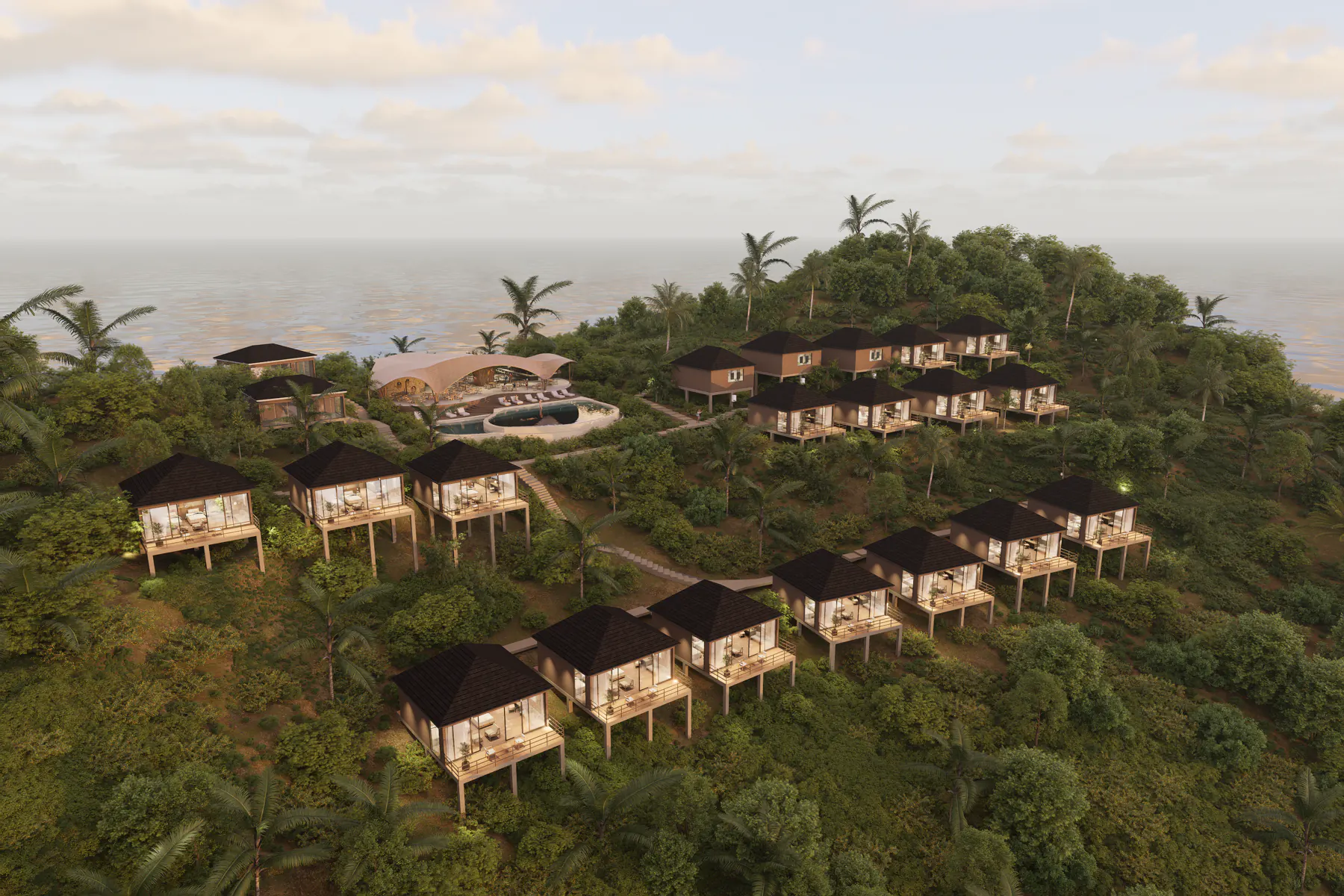
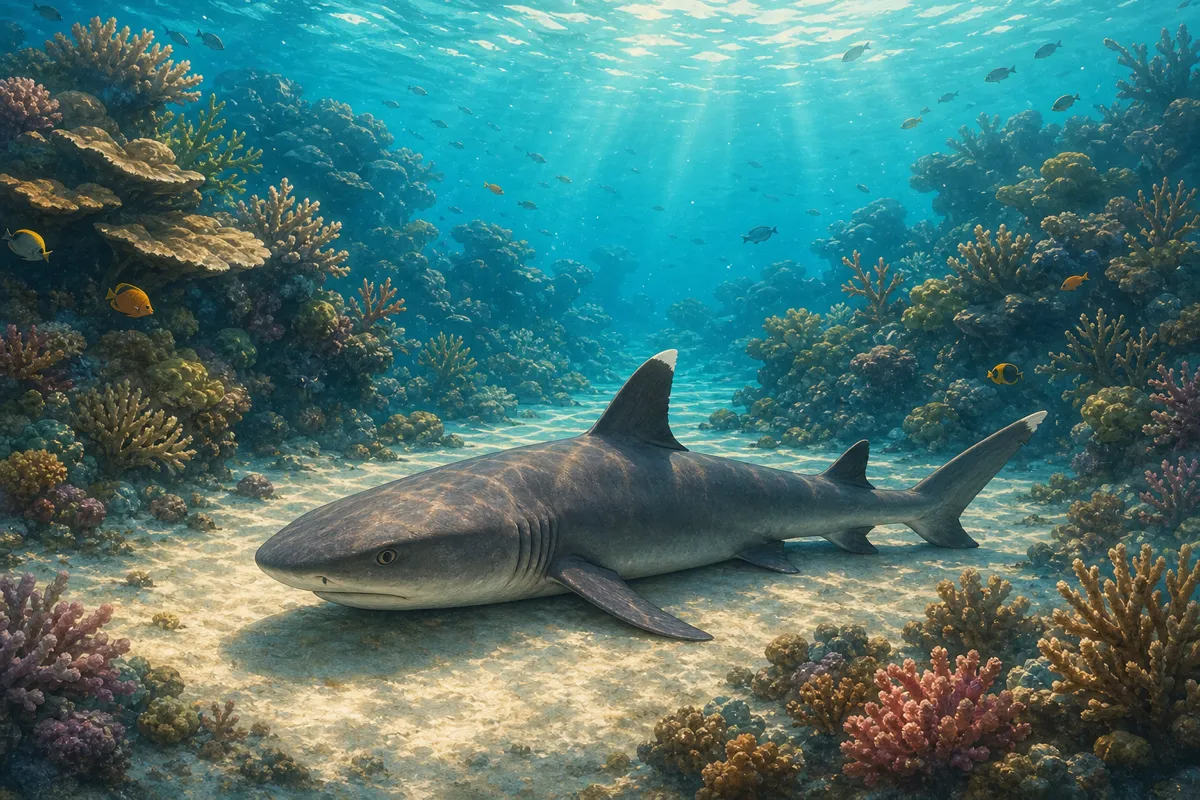
Book a bungalow, stack dives with our PADI team, or extend your trip on a liveaboard when you want even more time with the species you just read about.
FAQ
Marine Life Questions
What is the most common marine life we will see in Komodo?
On a typical week of Komodo diving you should expect anthias and butterflyfish in huge numbers, healthy hard and soft corals, turtles on many shallow sites, white-tip reef sharks on current lines, and a rotating cast of rays and pelagics depending on tides. We customize briefings around what marine life Komodo is showing that day, not a generic checklist.
When is manta ray season for Komodo diving?
Reef and oceanic mantas appear year-round, but November through February often concentrates the largest gatherings at cleaning stations. Outside those months we still schedule Manta Point and southern routes whenever forecasts suggest plankton and current patterns that mantas love.
Are there dangerous marine species in Komodo?
Komodo is wild, but with respectful diving the risk stays low. We give clear briefings on blue-ringed octopus, sea snakes, and seasonal jellyfish, and we teach calm positioning around sharks and rays so animals keep relaxed body language. Follow your guide, watch your buoyancy, and the animals usually reward you with calm passes rather than drama.
What is the best dive site for underwater photography?
For wide-angle megafauna we love Manta Point, Batu Bolong, and Castle Rock. Cannibal Rock is versatile, with large trevallies and barracudas for wide-angle alongside macro critters in the sponges. Siaba Besar is our go-to for dedicated macro sessions. If you only have a few days, tell us your camera setup in advance and we will match sites to your lens choice.
How many fish species live in Komodo National Park?
Scientists record more than one thousand fish species across the park, and new surveys still add names to the list. Even on a single dive at a pinnacle like Batu Bolong you can log dozens of families in one hour when the current is gentle enough to linger.
Can beginners still see the big animals?
Yes. Open Water divers regularly enjoy mantas at Manta Point, turtles at Siaba Besar and Tatawa Besar, and schooling fish at forgiving depths. We save the strongest currents for experienced groups, but we never want anyone to feel excluded from the Komodo marine life story.
Explore more
Related Pages
Komodo Diving
Our full overview of diving in Komodo National Park, from drift dives to resort logistics.
Learn more
Komodo Dive Sites
Maps, depths, and quick facts for the eight signature sites we visit by boat.
Learn more
Diving Conditions
Month-by-month visibility, currents, and water temperature so you pack the right suit.
Learn more