Indonesia is made up of more than 17,000 islands, and choosing where to go can feel overwhelming. Each island has a different character, from the surf breaks of Bali to the underwater world of Komodo, the tribal cultures of Sumba, and the untouched reefs of Raja Ampat. Some travelers want nightlife and rice terraces, others want to dive with manta rays or see wild Komodo dragons up close.
This guide breaks down the best Indonesian islands by what they offer, so you can match your interests to the right destination. Whether you are planning a first trip to Indonesia or looking for somewhere new beyond Bali, these are the islands worth putting on your list.
Komodo Island and the Komodo Archipelago
The Komodo archipelago sits between the islands of Sumbawa and Flores in East Nusa Tenggara. It is home to Komodo National Park, a UNESCO World Heritage Site and one of the most biologically diverse marine environments on the planet. If you are drawn to wildlife, diving, or raw natural landscapes, this is the most rewarding destination in Indonesia.
Why Visit Komodo
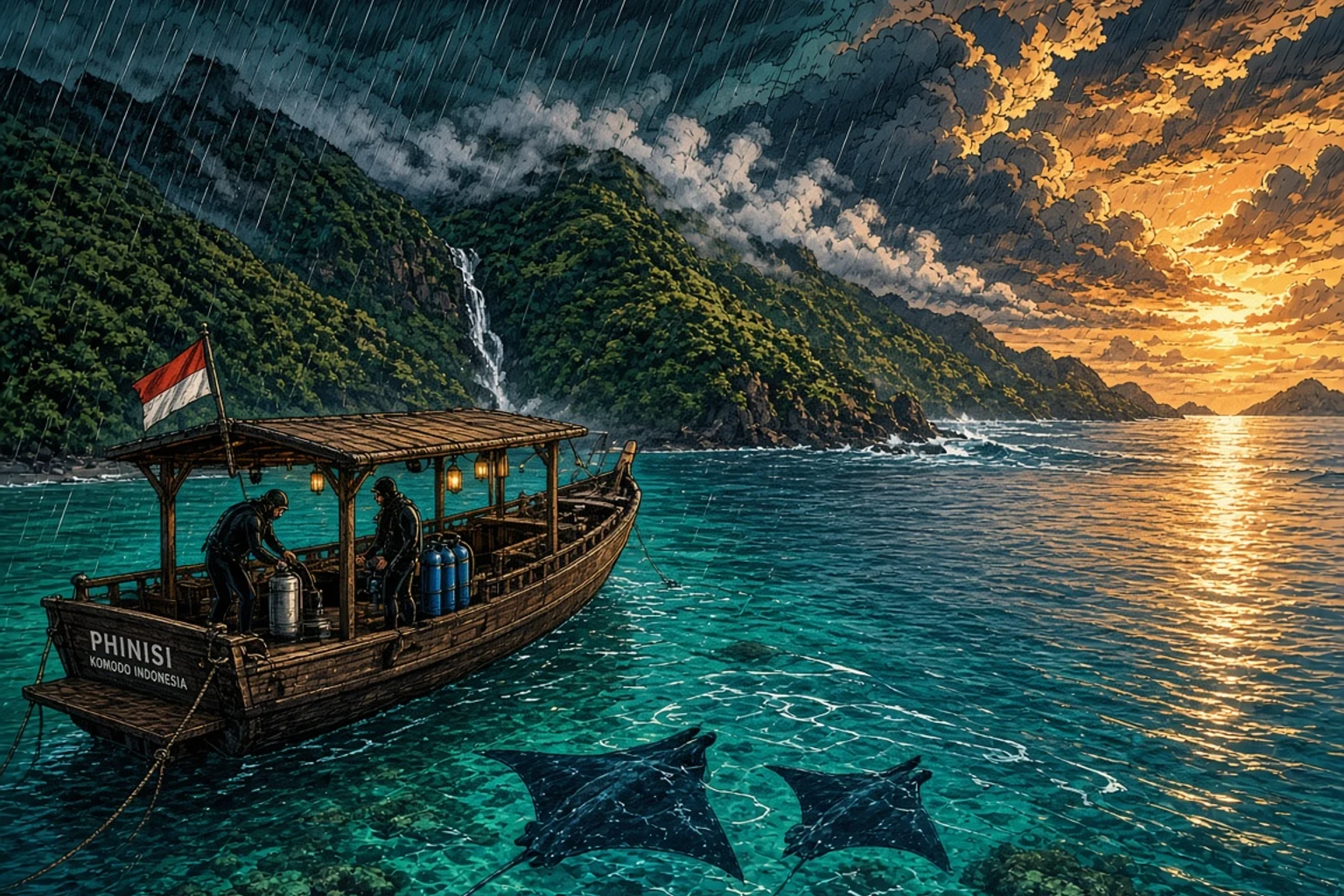
Komodo is the only place on Earth where you can see wild Komodo dragons in their natural habitat. These apex predators roam freely across Komodo Island and Rinca Island, and guided treks bring you within safe viewing distance. Beyond the dragons, the park protects some of the best coral reefs in Southeast Asia, with over 1,000 species of fish and regular sightings of manta rays, reef sharks, turtles, and dolphins.
The diving here is world-class. Sites like Batu Bolong, Castle Rock, and Manta Point are consistently ranked among the best in the world. Strong currents bring nutrient-rich water that supports an extraordinary density of marine life. For a full breakdown of the top sites, see our Komodo dive sites guide.
How to Experience Komodo
There are three main ways to explore the park. A Komodo liveaboard lets you cover the most ground, sleeping on the boat and diving multiple sites each day across both the northern and southern sections of the park. Staying at an island resort inside the park gives you land-based comfort with easy access to nearby reefs. Day trips from Labuan Bajo are the most affordable option and work well for short visits.

The best time to visit Komodo is during the dry season from April to November, when visibility is best and seas are calmest. Getting there is easy with direct flights from Jakarta and Bali to Labuan Bajo. For flight details, see our Jakarta to Komodo and Bali to Komodo travel guides.
Bali
Bali needs little introduction. It is the most visited island in Indonesia and the entry point for the majority of international travelers. The island blends Hindu culture, terraced rice paddies, volcanic peaks, surf beaches, and a thriving food scene into something genuinely unique.
Why Visit Bali
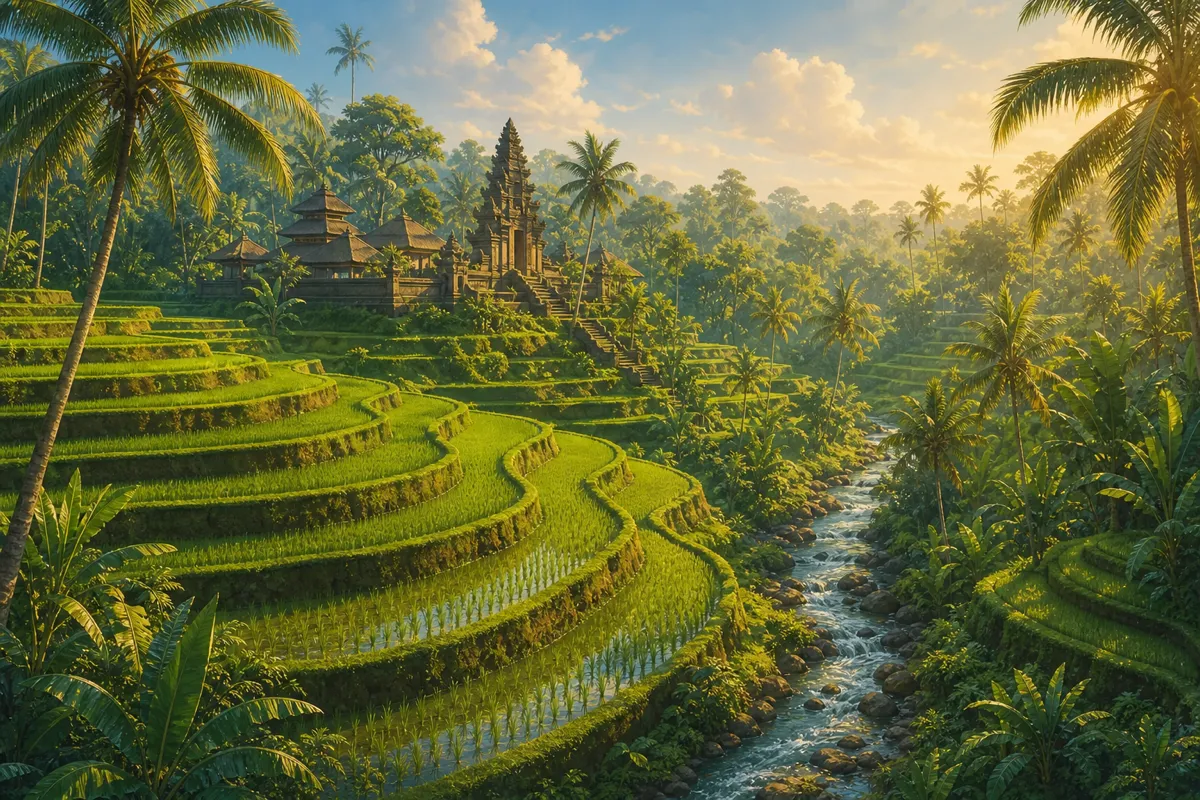
Bali works for almost every type of traveler. The southern coast around Kuta, Seminyak, and Canggu has surf, beach clubs, and nightlife. Ubud in the central highlands offers temples, art galleries, yoga retreats, and walks through rice terraces. The east coast around Amed and Tulamben has excellent shore diving, including the famous USS Liberty shipwreck. Nusa Penida, a short boat ride off the southeast coast, has dramatic cliffs, crystal-clear water, and reliable manta ray encounters.
Bali as a Gateway
Bali is also the most practical hub for reaching other Indonesian islands. Direct flights connect Bali to Labuan Bajo (for Komodo), Makassar (for Sulawesi), and Sorong (for Raja Ampat). Many travelers combine a few days in Bali with a diving trip in Komodo or a liveaboard in Raja Ampat.
Flores
Flores is the large island east of Komodo that most visitors pass through on the way to the national park. But Flores deserves far more than a transit stop. It is one of the most scenically stunning and culturally rich islands in all of Indonesia, and tourism is still relatively low compared to Bali or Lombok.
Why Visit Flores
The standout attraction is Kelimutu, a volcano with three crater lakes that change color over time, shifting between turquoise, green, red, and black depending on mineral reactions. The sunrise hike to the crater rim is one of the most memorable experiences in Indonesia. Beyond Kelimutu, Flores has traditional villages like Wae Rebo (a cluster of cone-shaped thatched huts perched in the mountains), the spider web rice fields of Cancar, and the old Portuguese colonial town of Ende.
Labuan Bajo, on the western tip of Flores, is the gateway to Komodo National Park and has grown into a small but lively town with restaurants, sunset bars, and boat tour operators. Many travelers use it as a base for exploring the park before continuing overland across Flores.
Raja Ampat
Raja Ampat is an archipelago of over 1,500 small islands off the northwest tip of Papua. It is widely considered the most biodiverse marine region on Earth, with more coral and fish species recorded here than anywhere else. If diving or snorkeling is the primary purpose of your trip, Raja Ampat is the ultimate destination.
Why Visit Raja Ampat
The underwater world here is staggering. Scientists have counted over 1,700 species of reef fish and 600 species of hard coral in Raja Ampat's waters. Dive sites range from gentle coral gardens to deep walls, mangrove channels, and blue-water encounters with schools of barracuda, mobula rays, and wobbegong sharks. The topside scenery is equally striking, with mushroom-shaped limestone islands rising from perfectly clear water.
Raja Ampat is remote and more expensive to reach than Komodo, but the payoff is unmatched biodiversity and very few crowds. The best way to explore is by liveaboard, which gives you access to the most remote dive sites across the archipelago.
Lombok and the Gili Islands
Lombok sits just east of Bali and offers a quieter, less developed alternative with equally beautiful beaches and better surf. The Gili Islands, three small coral islands off Lombok's northwest coast, are a major draw for backpackers, divers, and anyone looking for a car-free island escape.
Why Visit Lombok
Mount Rinjani, Indonesia's second-highest volcano, dominates the landscape and draws trekkers for a multi-day summit hike with views of the crater lake. The southern coast has some of the best surf in Indonesia, particularly around Kuta Lombok (not to be confused with Kuta in Bali). The Gili Islands each have a distinct personality: Gili Trawangan for nightlife, Gili Air for a relaxed vibe, and Gili Meno for honeymooners. All three have decent snorkeling right off the beach and easy access to dive sites with turtles.
Sumba
Sumba is one of Indonesia's least-visited major islands and one of the most culturally fascinating. Located south of Flores and Sumbawa, it feels like a different country entirely, with ancient megalithic traditions, horseback jousting festivals, and landscapes that range from rolling grasslands to dramatic sea cliffs.
Why Visit Sumba
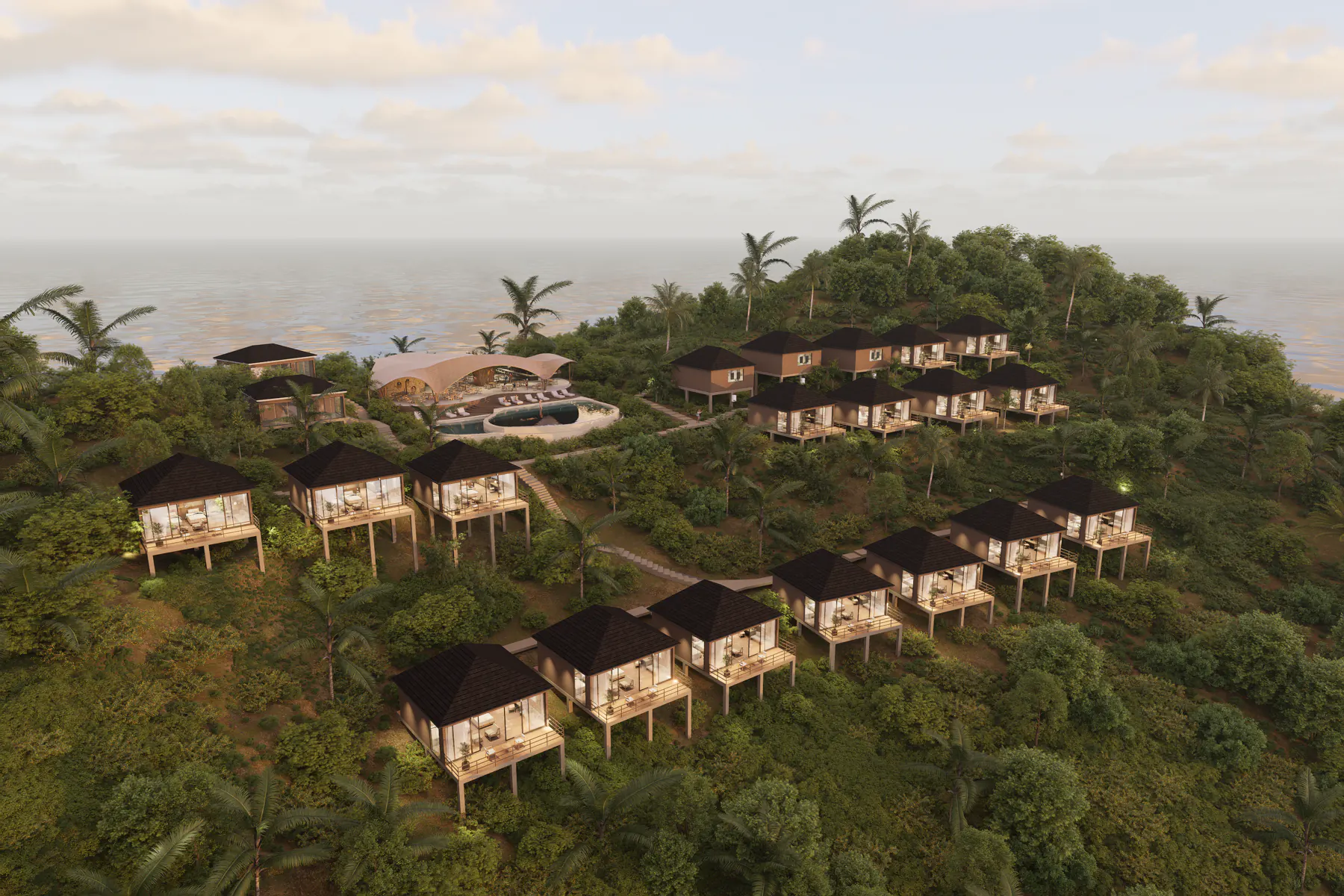
The main draw is the culture. Traditional villages with towering thatched-roof houses and carved stone tombs dot the western half of the island, and the annual Pasola festival (a horseback spear-throwing competition held each February and March) is one of the most extraordinary cultural events in Southeast Asia. For beaches, Weekuri Lagoon and Mandorak Beach are stunning and often completely empty. Sumba has seen a rise in high-end eco-resorts in recent years, making it a compelling choice for travelers who want something truly off the beaten path.
Sulawesi
Sulawesi is a large, oddly shaped island in central Indonesia known for two things: the elaborate funeral rites of the Toraja people in the highlands and the exceptional diving around Bunaken Marine National Park in the north.
Why Visit Sulawesi
Tana Toraja, in the mountainous interior of South Sulawesi, is home to one of the most unique funeral cultures in the world. Ceremonies can last several days and involve buffalo sacrifices, traditional dancing, and cliff-side burial sites with carved wooden effigies. It is unlike anything else in Indonesia. In the north, Bunaken's vertical reef walls drop to over 40 meters and are covered in sponges, gorgonian fans, and an astonishing variety of nudibranch species. Lembeh Strait, nearby, is the muck diving capital of the world, drawing underwater photographers looking for bizarre critters like hairy frogfish, mimic octopus, and flamboyant cuttlefish.
Nusa Penida
Technically a small island off the southeast coast of Bali, Nusa Penida has become a destination in its own right. The dramatic coastline, crystal-clear water, and reliable manta ray sightings have turned it into one of the most photographed spots in Indonesia.
Why Visit Nusa Penida
Kelingking Beach, with its T-Rex-shaped cliff, is the most iconic viewpoint. Angel's Billabong and Broken Beach are natural rock formations where the ocean crashes through carved-out arches. The snorkeling at Manta Bay and Crystal Bay is accessible even for beginners, and manta ray encounters are common year-round. A day trip from Bali takes about 30 minutes by fast boat, making Nusa Penida easy to add to any Bali itinerary.
How to Choose the Right Island
With so many options, picking the right island comes down to what matters most to you:
- Best for diving: Komodo and Raja Ampat. Komodo is more accessible and offers a mix of big pelagics and vibrant reefs. Raja Ampat has the highest biodiversity on Earth but requires more planning and budget.
- Best for beaches: Lombok, Nusa Penida, and Sumba. All three have world-class beaches without the crowds of Bali.
- Best for culture: Bali, Sulawesi, and Sumba. Each offers something completely different, from Hindu ceremonies to funeral rites to megalithic traditions.
- Best for wildlife: Komodo, for Komodo dragon encounters and manta ray dives.
- Best for adventure: Flores and Lombok. Hiking in Komodo, the Kelimutu sunrise trek, and the Rinjani summit all deliver serious adventure.
- Best for first-timers: Bali as a base, with a 3 to 5 day extension to Komodo. This combination covers culture, beaches, and wildlife in one trip. See our Komodo itinerary guide for help planning.
Indonesia rewards travelers who look beyond the obvious. Every island on this list offers something the others do not, and the domestic flight network makes it possible to combine two or three destinations into a single trip. Start with what excites you most, and build from there.