Pick a Komodo tour operator by who runs the boat, not who sells the ticket. Check its licence and Labuan Bajo office, the safety kit and briefing, the group size, the weather policy and exactly what the price leaves out.
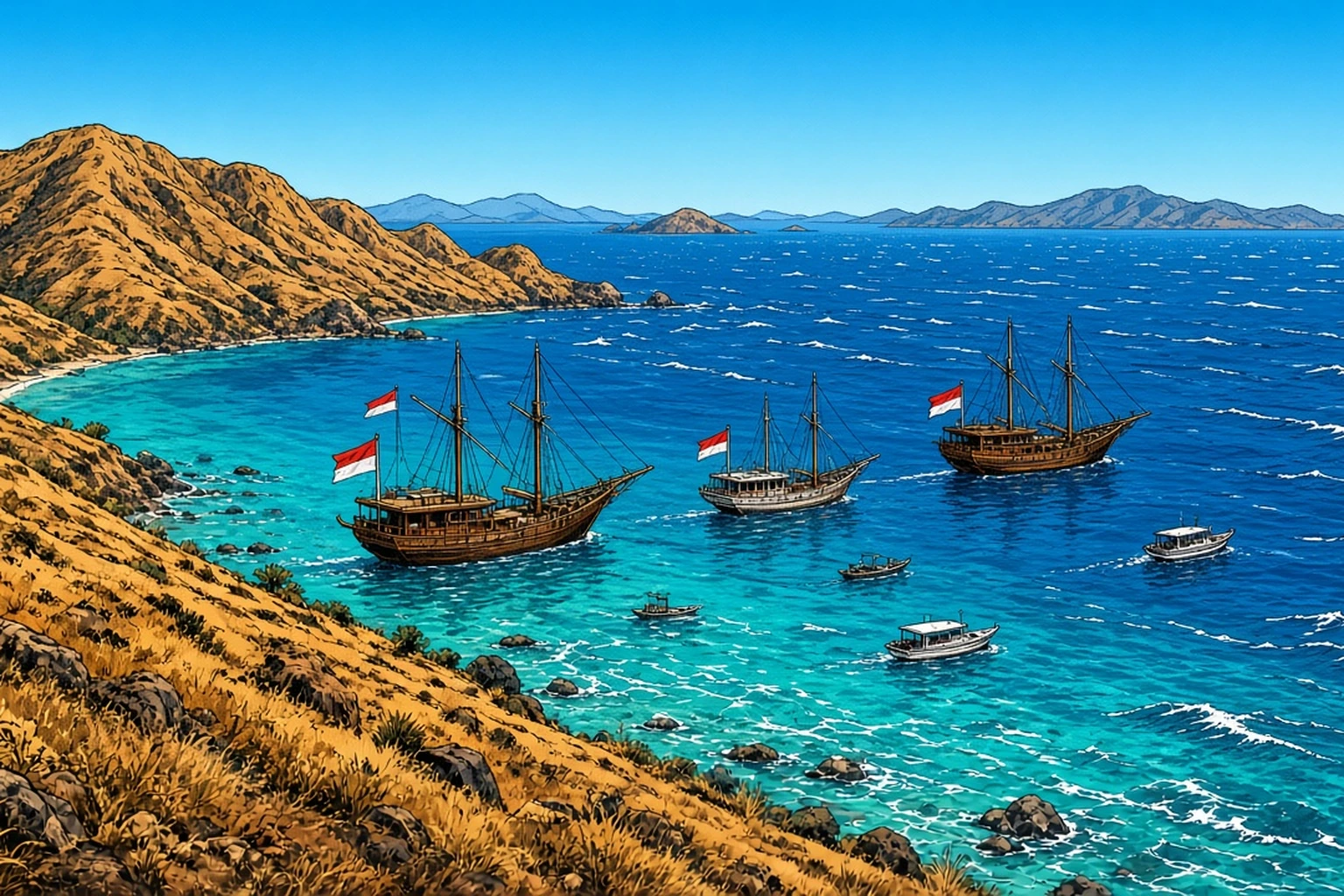
Hundreds of boats leave Labuan Bajo every morning, and from a booking page they all look the same: Padar at sunrise, Pink Beach, the dragons and a manta snorkel. The difference between a great Komodo island tour and a bad one is almost never the itinerary. It's the boat, the crew, the group size and what the operator does when the sea turns.
That question stopped being theoretical on 26 December 2025, when a tourist boat sank in the Padar Strait at night and four members of one family were lost. The rules have tightened since, but the port authority has said openly that it relies on paperwork and the captain's word rather than inspecting each boat before it sails. So the checking falls partly on you. Whether you book a Komodo boat tour for a day or a week, the checks below take ten minutes and are worth every one.
How do you choose a Komodo island tour operator?
Choosing a Komodo island tour operator means checking who actually runs the boat, its safety equipment and paperwork, the group size, and what the quoted price leaves out.
- Find out who runs the boat.
- Check the licence and local office.
- Ask about safety and weather.
- Compare what each price includes.
How hard you check depends on the trip: a short day tour needs less scrutiny than three nights at sea.
Ways to see the park with an operator you can verify:
- Daily Komodo National Park tours for guests of an island resort
- A multi-day Komodo liveaboard with a named boat and crew
A good operator answers all of these questions without hesitation, and that alone tells you most of what you need to know.
Operator, agent or booking platform: what's the difference?
The word "operator" gets used for three quite different businesses, and most bad experiences start with not knowing which one you've paid.
Tour operator
The operator owns or runs the boat and employs the captain, crew and guides. It's the company responsible for your safety, and the only one that can tell you exactly which boat you'll be on.
Local travel agent
An agent in Labuan Bajo sells trips on boats run by other companies and often buys your park tickets. Since the 2025 reforms, the park authority has been limiting ticket access to licensed local agents with an office in town.
Online booking platform
Sites such as Klook, GetYourGuide and the booking side of TripAdvisor list trips from many sellers. They handle payment and reviews, but the boat is run by a local operator, sometimes through one or two agents in between.
The distinction that matters:
- Only the operator can answer safety questions with certainty. Agents and platforms are passing on what they've been told.
- Whoever you pay, ask for the name of the boat and the company that runs it before you book.
Types of Komodo island tour
Different trip formats suit different travellers, and each has its own weak points to check.
| Type | How it works | Best for | Watch out for |
|---|---|---|---|
| Speedboat day trip | Fast boat, four or five stops in one day | Short stays, seeing the highlights | Overloading, rough rides in wind |
| Shared wooden boat day trip | Slower boat, fewer stops, lower price | Budget travellers, relaxed pace | Crowding, long transits |
| Open trip, 2D1N or 3D2N | Shared cabins on a phinisi, nights at anchor | Solo travellers, sunrise at Padar | Night sailing, cabin and toilet standards |
| Private charter | Whole boat for your group, own itinerary | Families, groups, photographers | Price per boat, what fuel and fees cover |
| Dive liveaboard | Several days of guided diving at sea | Certified divers, southern sites | Guide ratios, dive policies, gear |
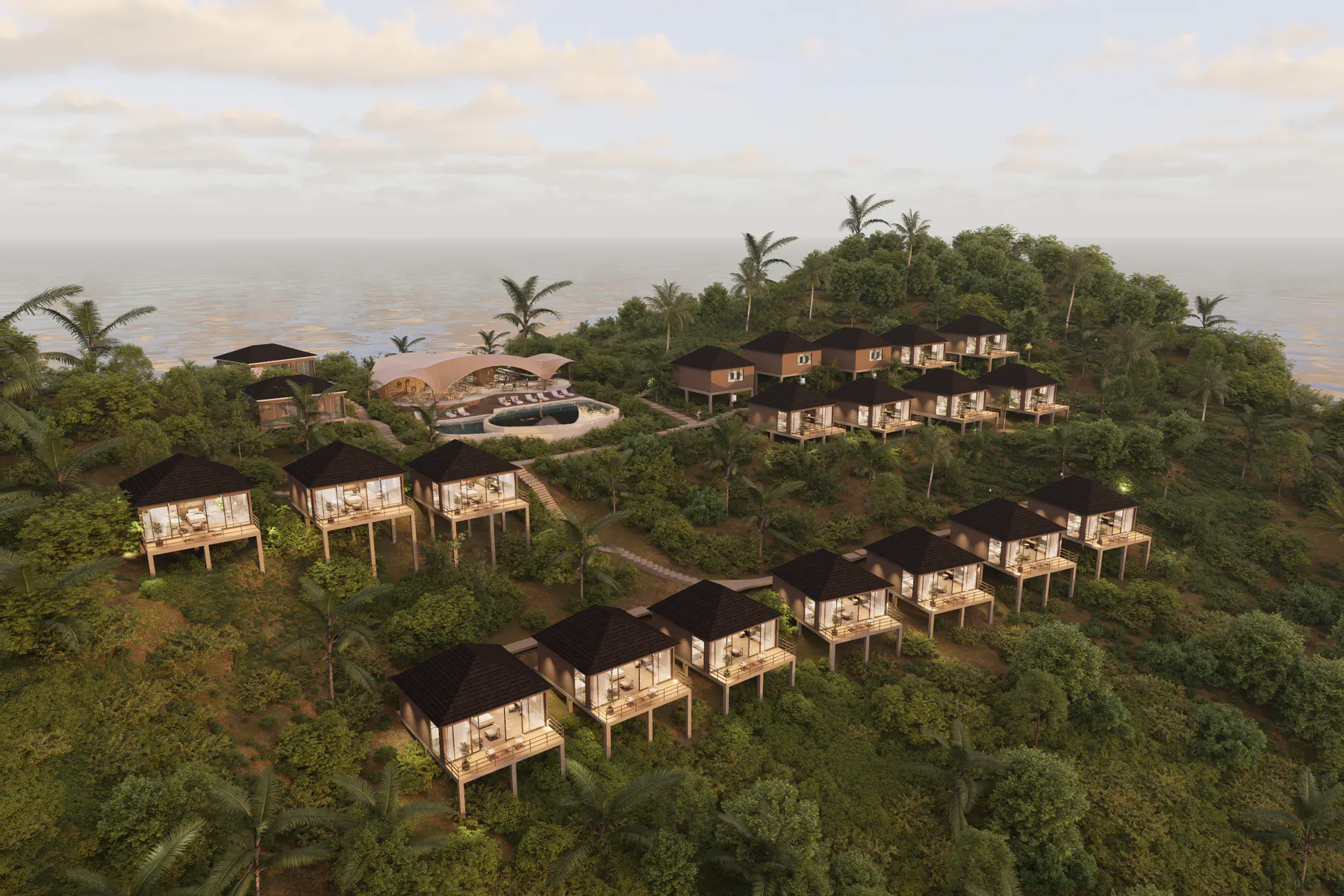
| Resort-based tours | Day trips from an island resort | Guests wanting short boat rides | Usually only for resort guests |
Our guides to the open trip in Komodo and to a Komodo day trip go deeper into those two formats and what they cost.
Why the choice matters more since 2025
On the evening of 26 December 2025, the KM Putri Sakinah, a semi phinisi, left Komodo Island at 20:00 to sail to Padar for a sunrise trek. Half an hour later its engine failed, and it sank in a sudden swell of two to three metres in the Padar Strait. Seven people were rescued. Four passengers, all members of one Spanish family, were lost. When the search closed on 9 January 2026, three bodies had been recovered and one person was still missing.
Two things changed afterwards. On 9 January 2026, the port authority, the KSOP, banned tourist boats from sailing at night, especially through ten danger points it had already identified. Then, at a council hearing in February 2026, its head explained how sailing approvals actually work. The approval depends on a seaworthiness certificate, renewed every three months in Labuan Bajo, and on the weather forecast. The port authority isn't required to inspect the boat before each departure. The guarantee is the captain's signed declaration that the boat is fit to sail.
The port authority's safety instructions for tourist boats are worth knowing, because they give you a list of what a compliant boat should have. Captains must check the weather at least six hours before sailing. The passenger manifest must match the tickets and stay within the boat's approved capacity. There must be enough life jackets and life rafts for everyone on board, working navigation equipment and fire extinguishers. And the crew must demonstrate the safety equipment before the boat leaves. None of that is unusual by international standards, which is exactly why a crew that skips it should worry you.
In other words, the system trusts the operator. Most operators earn that trust, and the great majority of boat trips in Komodo pass without incident. But the difference between a careful operator and a careless one is something you can partly check yourself, and since 2025 it's worth the effort. Our guide to whether Komodo Island is safe covers the wider picture, and our Komodo rainy season guide explains when the weather risk is highest.
Park tickets changed too. Since July 2025, entry has been booked only through the park's SiOra system, with your passport details registered in advance, and the authorities have been restricting ticket access to licensed local agents with a Labuan Bajo office. A seller who can't get you a ticket through the official route is a red flag in itself.
How booking a Komodo tour works, step by step
The process is the same whether you book a day trip in town or a liveaboard months ahead.
1. Shortlist by trip type
Decide first between a day trip, an open trip, a private charter or a liveaboard, using the table above. Comparing a speedboat day trip with a three-night phinisi on price alone tells you nothing.
2. Identify the operator
For each option, get the name of the boat and the company that runs it. If you're on a booking platform, ask the seller through the platform's messages.
3. Ask the safety and policy questions
Use the ten checks in the next section. Ask in writing, by email or WhatsApp, so you have the answers on record.
4. Compare the full price
Line up what each price includes: park entry, ranger fees, lunch, snorkel gear, guides, hotel pickup and any fuel surcharge. The cheapest headline price is often not the cheapest trip.
5. Send passport details and confirm the tickets
The operator or its agent needs your passport details to book park entry through SiOra. Ask for written confirmation that your entry is booked for your date.
6. Reconfirm the day before
Check the pickup time and place, the weather outlook and what happens if the harbourmaster stops sailing.
A worked example
A couple staying at Komodo Resort want one full day in the park. They choose the shared Padar, Pink Beach, Komodo and snorkelling trip at IDR 2,400,000 each, so IDR 4,800,000 for both, plus park entrance fees and taxes, which are charged separately. The price includes lunch and a snorkelling guide with a ratio of four guests to one guide. They know the boat, the crew and who to call, because the trip is run by the resort itself. The evening before, the team confirms the departure time and checks the weather forecast, and the boat is back well before dark.
A traveller staying in Labuan Bajo has a different job. Say she gets two quotes for a 2D1N open trip. The first is cheaper, but the seller can't name the boat, says park fees are "paid on the day" and mentions a night crossing to reach Padar for sunrise. The second costs more, names the boat and its operator, lists park entry, rangers and meals as included, asks for her passport details straight away and anchors near Padar before dark. Once the extras on the first quote are added up, the gap shrinks, and the second is the only one that passes the checks below.
What to look for in a Komodo tour operator
These ten checks cover the things that separate a well-run trip from a risky one. You won't need every answer for a short day trip, but for anything overnight, ask them all.
1. A named boat and operator
You should know which boat you'll be on and which company runs it, not just "a comfortable phinisi". Ask: "What is the boat's name, and who operates it?"
2. A licence and a Labuan Bajo office
Indonesian businesses carry a registration number, the NIB, which can be checked on the government's OSS portal. A physical office in Labuan Bajo also matters, because it's where you go if something goes wrong. Ask: "What is your NIB, and where is your office in Labuan Bajo?"
3. A current seaworthiness certificate
Every tourist boat needs one to get sailing approval, and in Labuan Bajo it's renewed every three months. Ask: "When was the boat last inspected?"
4. Life jackets for everyone, including children
The port authority requires life jackets and life rafts for everyone on board. Adult jackets don't fit small children. Ask: "Do you carry child-sized life jackets, and is there a life raft?"
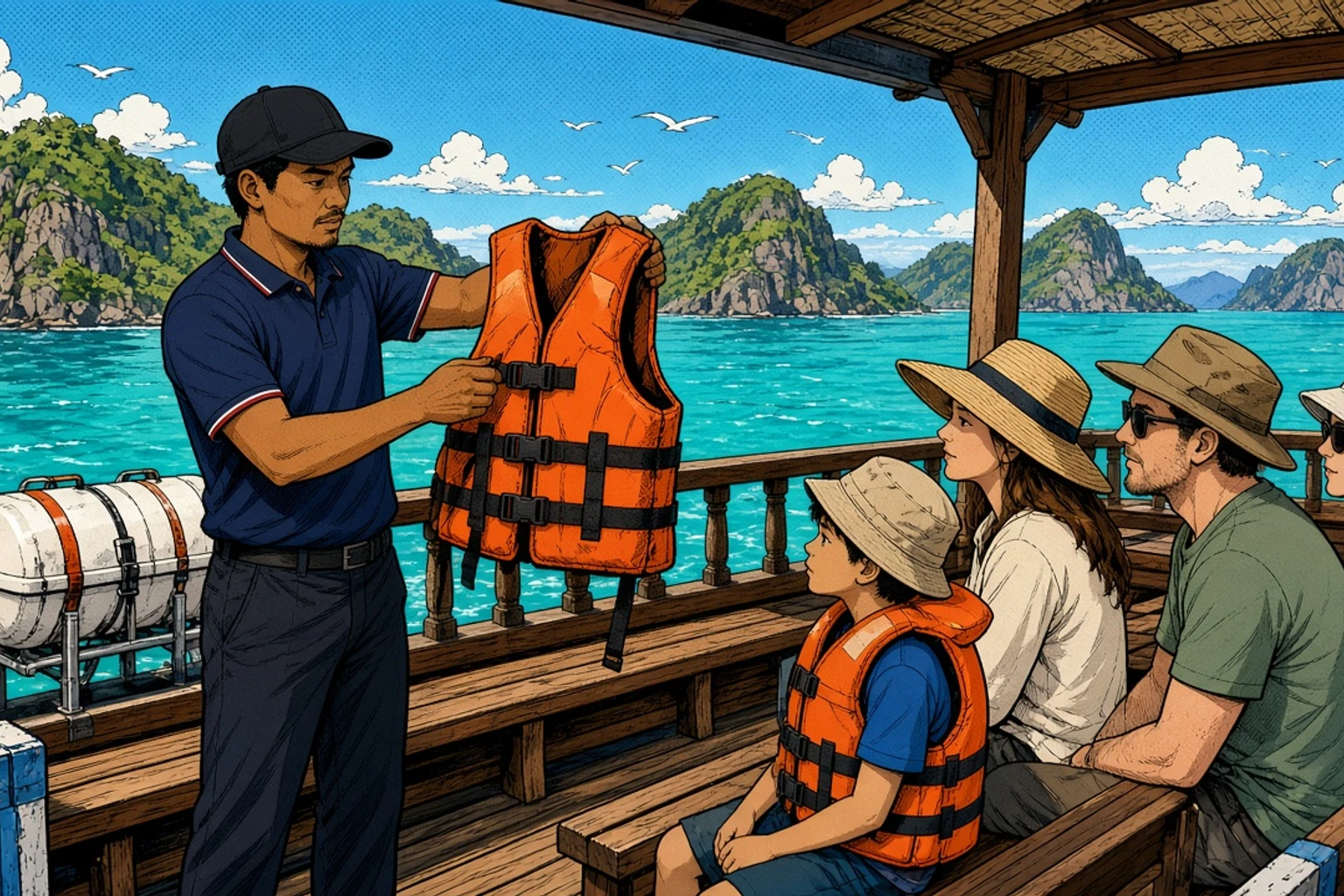
5. A safety briefing before departure
Crews are required to demonstrate the safety equipment before sailing. If nobody shows you where the life jackets are, ask, and take note of how the crew responds.
6. A clear weather and night sailing policy
Night sailing for tourist boats has been banned since January 2026, and the harbourmaster can stop all boats in bad weather. Ask: "Do any of your crossings happen after dark, and what happens to my booking if sailing is suspended?" An operator who promises night crossings to "beat the crowds" has given you your answer.
7. Group size and guide ratio
Crowded boats mean crowded snorkelling and less attention when the current picks up. Ask: "How many guests are on the boat, and how many guides are in the water?" On our own trips, snorkelling guides take four guests each.
8. What the price includes
Park entrance fees, ranger fees, lunch, gear and pickups vary from seller to seller. Ask: "Is this the total price, and which fees will I pay on the day?"
9. Respect for the wildlife
Dragon walks on Komodo and Rinca are led by park rangers, and no operator should promise close-up encounters or bait animals for photos. In the water, a good guide keeps snorkellers from touching or chasing mantas. Ask: "What are your rules for guests around mantas and dragons?"
10. For divers, a real dive centre
If the trip includes scuba diving, check that the dive operator is a registered PADI or SSI centre, ask about the guide-to-diver ratio, and ask what the emergency plan is. The nearest hyperbaric chamber is at Siloam Hospitals Labuan Bajo, covered in our guide to the hyperbaric chamber in Labuan Bajo.
Red flags when booking a Komodo tour
Any one of these is a reason to ask more questions. Two or more is a reason to walk away.
- The seller can't or won't tell you the name of the boat.
- The price is far below every other quote for the same trip.
- Nobody asks for your passport details to book park entry.
- The itinerary includes sailing between islands after dark.
- Payment goes only to a personal bank account, with no invoice.
- The seller guarantees mantas or dragons. Wild animals can't be promised.
- The crew skips the safety briefing, or the life jackets are locked away.
- The boat sails when you know the harbourmaster has suspended sailing.
Questions to send before you book
You don't need to interrogate anyone. One short message covers almost everything, and the way an operator replies is part of the answer. Copy this into an email or WhatsApp and adjust it for your trip:
- What is the name of the boat, and which company operates it?
- What is your NIB, and where is your office in Labuan Bajo?
- How many guests will be on board, and how many guides?
- Do you have life jackets for every passenger, including children, and a life raft?
- Does the itinerary include any sailing after dark?
- What happens to my booking if the harbourmaster suspends sailing?
- Does the price include park entry, ranger fees, lunch and snorkel gear?
- Will you book my park entry through SiOra, and what details do you need?
Good answers are specific: a boat name, a number, a yes or no, a clear refund or rebooking policy. Vague answers such as "all safe, no problem" or "don't worry, we handle everything" aren't necessarily dishonest, but they don't tell you anything, so ask again. An operator who takes offence at safety questions has told you something too.
Keep the replies. If anything on the day doesn't match what you were told, such as a different boat, more guests or a surprise fee, you have it in writing, and a platform or agent can act on it.
Reading reviews on TripAdvisor, Klook and GetYourGuide
Reviews are useful, but on the big platforms a five-star score often belongs to the seller rather than to the boat you'll be on. A seller with good reviews may be booking guests onto several different boats.
Read the recent reviews, not the average. Look for reviews that name the boat, mention the crew by name, and describe what happened when something went wrong, such as a cancelled day or a rough crossing. How a company handles a weather cancellation tells you more than a dozen reviews of a sunny day.
Look for mentions of safety, good or bad: a proper briefing, life jackets handed out, a captain who turned back in rough water. Be wary of a run of short, similar five-star reviews posted close together. And remember that a tour bought through a platform is still a trip on a local boat, so the questions in the checklist above apply in exactly the same way.
How to choose a Komodo tour for your trip
The right operator depends on who's travelling.
Non-divers and snorkellers
Look for small groups and a guide in the water at the current-prone snorkel sites. Our Komodo snorkeling page explains which sites suit which swimmers.
First-time divers
Choose a registered dive centre with small groups and a clear briefing culture, rather than a day boat that adds a dive as an extra. Our guide to learning to dive in Komodo explains the options.
Certified divers
For the strong-current sites and the south of the park, a dedicated dive liveaboard with experienced guides is the right tool. Ask about guide ratios and how the boat handles currents.
Families
Child-sized life jackets, shade on deck, short crossings and daylight sailing matter most. A private charter often works out better than a crowded shared boat. Our Komodo with kids guide has more on planning with children.
Couples
A private day charter or a small, well-run boat makes a quieter day than a crowded speedboat. Our Komodo for couples guide has ideas.
Solo and budget travellers
Open trips are the cheapest way to see the park and a good way to meet people. Apply the red flags above with extra care, because the lowest prices attract the least careful sellers. See our solo travel guide to Komodo.
Who Komodo Resort tours are for, and who they are not for
Komodo Resort runs its own park tours every day, with our own team, exclusively for guests staying with us on Sebayur Island. Subject to availability, there are two shared day trips: Padar, Pink Beach, Komodo and snorkelling at IDR 2,400,000 a person, and Rinca and Kalong at IDR 1,800,000 a person. Private boats cost IDR 13,000,000 to 21,000,000 per boat, depending on the route. Park entrance fees and taxes are extra.
Because the tours start from the island, there's no early transfer from town, and the same team looks after you on land and at sea. Divers can also book with our PADI five-star Komodo dive centre, and you can see the Komodo Resort rooms before you book a stay.
We're not the right choice for everyone. If you're staying in Labuan Bajo rather than with us, you can't join our resort tours, and a licensed operator in town will suit you better. If you want the cheapest possible open trip, ours aren't it. And if you want several days at sea to reach the southern dive sites, a liveaboard is the better tool. Our sister company runs three: King Neptune, Komodo Sea Dragon and Neptune One.
Key takeaways
- Choose a Komodo tour by the company that runs the boat, not the website that sells the ticket.
- Ask for the boat's name, the operator's NIB and its Labuan Bajo office before you pay.
- Check for life jackets for everyone, a safety briefing and no sailing after dark, which is banned since January 2026.
- Park tickets go through SiOra with your passport details, so a seller who doesn't ask for them is a red flag.
- Compare full prices including park fees, rangers, lunch and gear, not just the headline price.
- On review sites, read recent reviews that name the boat and describe how bad weather was handled.