Nobody puts it on the packing list, nobody mentions it in the group chat, and yet it's the single most common worry we hear whispered at the jetty: "I get seasick, am I going to ruin this trip?" Fair question. Komodo National Park is a place you experience by boat, there's no road to the dragons, no bridge to the manta rays, and for travelers whose stomachs mistrust the ocean, that geography can feel like a threat. Here's the honest reassurance up front: seasickness is one of the most manageable problems in travel, the science of preventing it is well understood, and thousands of self-declared "terrible sailors" join our Komodo boat tours every year and come back grinning. This guide covers everything: why it happens, what actually works against it (and what's folklore), how Komodo's specific waters and seasons behave, and how to choose an itinerary that matches your stomach.
We're writing this from experience on both sides of the rail. Our crews run boats through the park every single day of the year, from 45-minute resort transfers to multi-night liveaboard itineraries, and over the years they've quietly perfected the art of keeping queasy guests comfortable: where to seat them, when to hand over ginger tea, which anchorages stay glassy when the wind picks up. None of what follows is theoretical.
Why a Komodo Trip Means Boat Time, and How Much
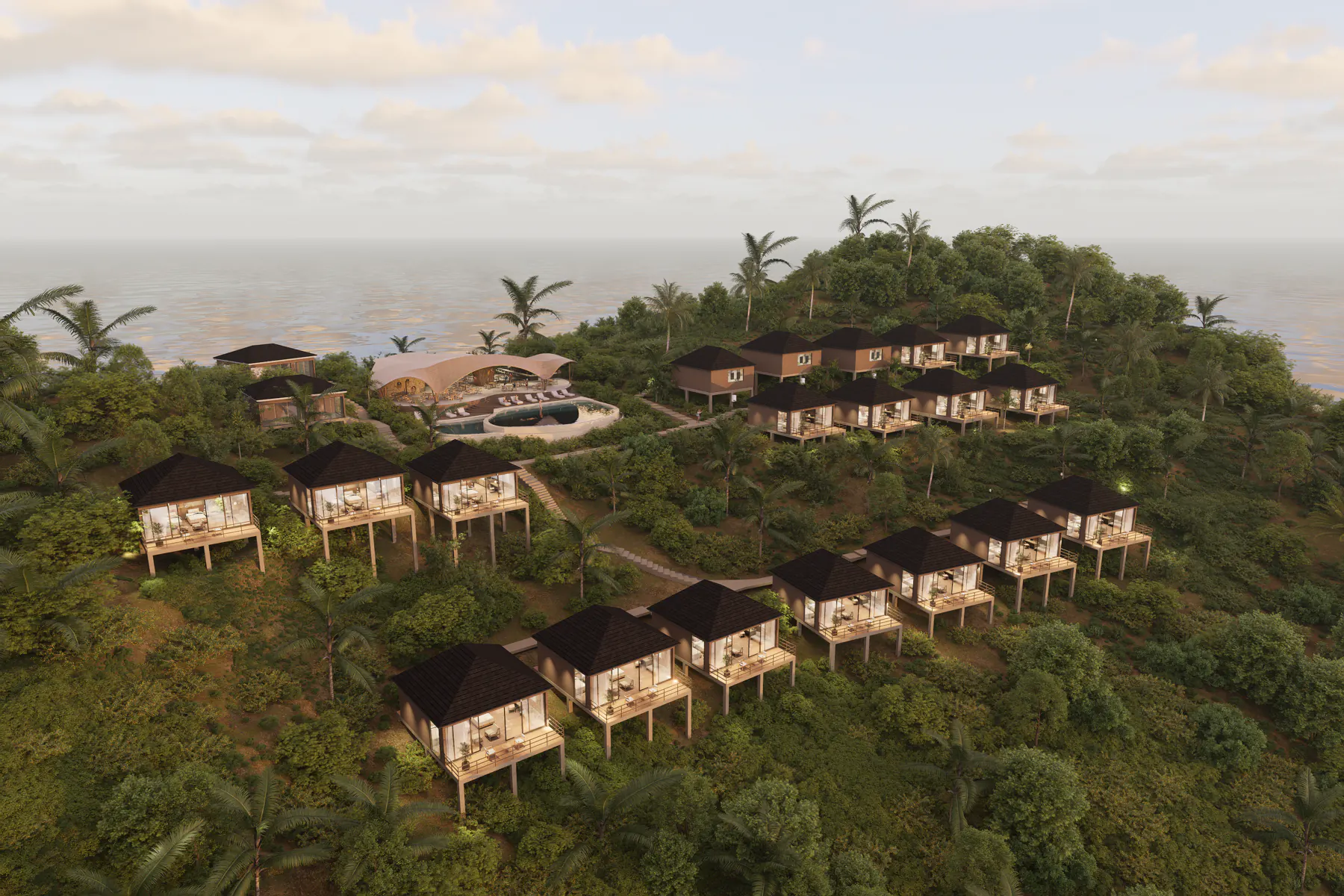
Let's set expectations with real numbers, because "boat trip" can mean anything from a millpond cruise to an open-ocean crossing. Komodo National Park is an archipelago between the islands of Sumbawa and Flores; its gateway town, Labuan Bajo, sits on Flores's western tip. From the harbor, the park's headline stops are spread across roughly 30 to 60 kilometers of sea: Rinca Island is about 45 minutes to an hour away by speedboat, Padar and Komodo islands roughly 1.5 to 2 hours, and the famous northern dive sites somewhere in between. A classic day trip means four to six hours on the water in total. A liveaboard means living aboard, obviously, but mostly in short hops between anchorages, rarely more than an hour or two of motoring at a stretch. Guests staying at our resort on Sebayur Island do one 45-minute transfer from town, and after that everything in the northern park is a short ride away.
The crucial detail for sensitive stomachs: most of this is not open ocean. The park's islands shelter one another, creating long stretches of protected water, and captains route with the conditions. The genuinely exposed sections, the Molo Strait out of Labuan Bajo and the crossings on the park's outer edges, are short, predictable, and, in the right season, frequently calm enough to disappoint anyone hoping for drama.
What Seasickness Actually Is
Understanding the mechanism helps, because almost every remedy that works exploits it. Motion sickness is a sensory disagreement. Your inner ear, the vestibular system, feels the boat rising, falling, and rolling. If your eyes are meanwhile fixed on something that moves with the boat, a phone screen, a book, the cabin wall, they report that nothing is moving at all. Your brain receives two contradictory reports about reality and, for reasons evolutionary biologists still argue about, responds the way it would to a suspected poisoning: cold sweat, yawning, drowsiness, salivation, and eventually nausea. That's the whole disease. Nobody is "weak" for getting it; the reflex sits in ancient brain wiring that has nothing to do with toughness. Admirals get seasick. Astronauts get spacesick. An estimated one in three people is noticeably susceptible in moderate conditions.
Two encouraging corollaries follow from the mechanism. First, anything that brings the two sensory reports back into agreement, watching the horizon, feeling the wind, steering the boat, reduces the sickness. Second, brains adapt: given a day or two of consistent exposure, most people's vestibular systems recalibrate and the symptoms fade, which is why even rough-start liveaboard guests usually feel fine by the second morning. Sailors call it getting your sea legs, and it's a real, measurable neurological process, not a saying.
Komodo's Waters by Season: When It's Calm and When It Kicks Up
Not all Komodo boat rides are equal, and the calendar is your first line of defense. During the dry season, roughly April through November, the park's northern waters are typically kind: mornings often start glassy, a moderate southeast trade wind builds through midday, and crossings are comfortable on any decent boat. This is also peak season for a reason; our guide to Komodo's seasons covers the full picture. The wet season, December through March, brings the northwest monsoon: more rain, more wind from the north, and lumpier crossings, particularly in January and February. Trips still run on most days, captains here read weather obsessively, but a traveler who knows their stomach is fragile should weight their plans toward the dry months and toward mornings, when the sea is at its flattest almost year-round.
Geography matters as much as season. The southern reaches of the park face the Indian Ocean swell and are always more exposed, which is why southern dive itineraries belong to the wet-season months when the north winds shelter that coast, and why day-trippers rarely go there at all. The northern circuit that most visitors experience, Rinca, Padar, Komodo, Pink Beach, and the northern reefs, threads between islands that block most of the fetch. And within any route there are micro-choices: our captains, like every experienced crew here, adjust course to take swell on the quarter instead of the beam, tuck behind islands for lunch stops, and choose overnight anchorages that stay still. A good crew is, quietly, the best anti-seasickness technology on the boat.

Prevention Starts the Night Before
Seasickness resistance is partly a physiological state, and you can arrive at the jetty with yours high or low. The night before any boat day: sleep properly, go easy on alcohol, and drink water. Fatigue, hangover, and dehydration are the three great amplifiers of motion sickness, and between them they explain why the person who partied in Labuan Bajo until 2 a.m. is so often the one feeding the fish by 10. Breakfast matters too, and the folklore goes both ways here, so let's settle it: an empty stomach is worse than a full one. Eat something modest and bland, toast, rice, bananas, eggs, and skip the greasy, the acidic, and the heroic quantities of coffee. You want something for your stomach to work on that won't fight back. And with breakfast, drink a cup of ginger tea: it's the best-proven natural seasickness prevention there is, it works with your stomach rather than sedating your brain, and starting it before you board, rather than after the queasiness begins, is exactly the right timing. Fresh ginger steeped in hot water works as well as anything from a box, and every warung in Labuan Bajo can make it.
Dress and pack for the win as well: sunglasses (glare fatigue feeds nausea), a hat, water, and any medication you plan to use, taken at the right time, which we'll get to, because timing is where most people sabotage themselves. If you're prone to seasickness, tell the crew when you board. This is not embarrassing; it is information professionals use. Our boat crews will seat you in the boat's calmest spot without being asked twice, and every crew in the park has managed a hundred queasier guests than you.
The Medication Guide, Honestly
Plenty of travelers need nothing more than the behavioral tricks below. But for the reliably susceptible, medication is the difference between enduring a trip and enjoying it, so here's the field guide. The workhorses are the antihistamines: dimenhydrinate (sold as Dramamine and, locally, as the cheap and ubiquitous Antimo) and meclizine (Bonine), which is less sedating. Don't stress if you forgot to pack them: Dramamine and its local equivalents can be bought at any pharmacy in Indonesia, every apotek in Labuan Bajo stocks them for pennies, and almost all liveaboards and dive resorts, ours included, keep a supply aboard for guests, so a tablet is never more than a question away. The critical rule with all of them: take the tablet 30 to 60 minutes before departure, not when you start feeling ill. Once nausea has begun, pills barely help, partly because a nauseated stomach stops absorbing things efficiently. The main side effect is drowsiness, which on a lazy cruise day is practically a feature.
The scopolamine patch (Transderm Scop) is the heavy artillery: a small adhesive disc behind the ear, applied several hours before sailing, effective for up to three days, and beloved by liveaboard guests who want to medicate once and forget it. It's prescription-only in many countries, so arrange it before you travel, and try it once at home first, a minority of users get blurry vision or a memorably dry mouth. Then the gentler tier: ginger, in candy, tea, or capsule form, has genuine trial evidence behind it and zero drowsiness, and our crews keep ginger tea aboard for exactly this reason. Acupressure wristbands (Sea-Bands) have weaker evidence but passionate fans, cost nothing to try, and have no side effects; skeptics may note that believing you'll feel fine is itself a documented anti-nausea force, and take the win either way.
Two cautions. First, don't mix sedating seasickness tablets with alcohol, the drowsiness multiplies. Second, if you're diving, medication choice deserves extra thought, which gets its own section below because the interaction of seasickness and scuba is its own topic.
On the Boat: Behavior Beats Everything
Whatever you've swallowed or stuck behind your ear, what you do aboard matters more. The golden rule follows straight from the mechanism: give your eyes the same story your inner ear is telling. That means looking at the horizon, the one thing out there that doesn't move, and it means absolutely not reading, scrolling, or staring through a camera viewfinder while the boat is underway. Save the phone for the anchorages; Komodo's signal is mostly gone out there anyway, as our practical Labuan Bajo guide notes about connectivity.
Position yourself where the boat moves least: low and central, near the middle of the vessel, is the physics-optimal spot, and on deck in fresh air beats any enclosed cabin. Wind on your face genuinely helps, engine fumes genuinely hurt, so stay upwind of the exhaust. Keep your head still, braced against a rail or seat back if the boat is lively; the sickness comes from head movement more than boat movement. If there's a chance to take the wheel for a while, take it, helmsmen essentially never get seasick, because the brain that's steering can predict every motion before it arrives. And if you feel the first cold-sweat warning signs, act immediately: eyes to the horizon, fresh air, sip of water, slow breathing. Caught early, the spiral is very stoppable. Ignored for ten more minutes of scrolling, it usually isn't.
One more behavioral note for snorkel stops: oddly, the water itself is often the cure. Swimmers rarely feel sick, the body synchronizes with the motion it's immersed in, and many a green-faced guest has slipped off the ladder at Pink Beach and returned twenty minutes later completely reset. Our snorkeling trips have accidentally rehabilitated more queasy travelers than any pharmacy.
Seasickness and Scuba Diving
Divers get a special chapter because the stakes and the questions are different. First, the reassuring physiology: seasickness almost always improves underwater. The rocking that torments you at the surface fades within the first meters of descent, and a diver who was miserable on the boat is usually fine on the reef. The vulnerable windows are the surface interval and the wait at the surface before descending, which is why experienced dive guides get seasick-prone divers geared up efficiently and into the water without unnecessary bobbing.
The questions our dive center hears weekly: Can I dive on seasickness medication? For the common non-drowsy options, and for most divers, yes, but test the medication on land first, never combine a sedating antihistamine with diving, and mention it to your dive guide. Drowsiness plus nitrogen narcosis is an addition nobody needs at depth. What if I actually vomit underwater? It happens, it's manageable, and the technique is taught with a straight face in rescue courses: keep the regulator in, or if you must remove it, keep it close and purge before breathing; the regulator will pass what needs passing. Fish, it must be said, respond with enthusiasm. And the practical scheduling advice: on multi-dive days, eat small and bland between dives rather than facing the buffet like a conquering hero, and remember that dehydration from a queasy morning also worsens both seasickness and decompression stress, so keep sipping. Divers who struggle with pressure changes generally should also read our guide to equalizing your ears, since a congested, uncomfortable diver is a more nausea-prone one.
Choosing Your Trip to Match Your Stomach
Here's the strategic layer most articles skip: itinerary choice moves the odds more than any pill. If you know you're highly susceptible, the gentlest structure is a land base inside the park area with short boat hops, which, not coincidentally, is what our island resort offers: one 45-minute transfer, then day excursions measured in tens of minutes, with solid ground and a still bed every night. Our guide to where to stay near Komodo compares the options in full. Day trips from Labuan Bajo concentrate the boat time into one long day, four to six hours of it, on the theory that you'd rather suffer once; shared open trips are the budget version of the same math, on boats whose size and speed vary widely, and bigger and slower is almost always gentler than small and fast.
Liveaboards deserve their own honest paragraph, because sensitive travelers often write them off unnecessarily. In the dry season, a northern-route liveaboard spends its nights in flat anchorages and its days in short sheltered hops; plenty of guests who feared the worst report the boat feeling barely different from a hotel that hums. Choose a larger vessel, book a cabin low and midship rather than a glamorous bow suite, favor the calm months, and apply the patch the evening before departure, and the odds are firmly on your side; adaptation then does the rest by day two. First-timers will find the fuller picture in our first liveaboard guide. And for families wondering about children: kids between roughly 2 and 12 are statistically the most motion-susceptible humans afloat, but they also adapt fastest, respond well to the same rules (horizon, fresh air, bland snacks, no screens underway), and pediatric doses of the standard medications exist, ask your doctor before the trip, not the boat crew during it. More family-specific planning lives in our Komodo with kids guide.

If It Happens Anyway: Managing an Episode with Dignity
Sometimes the sea wins a round. Knowing the etiquette and the recovery arc makes even that okay. If nausea crests, get to the leeward rail, the side the wind blows toward, or ask the crew for the designated spot; going downwind is a courtesy your fellow passengers will silently grade you on, and crews handle the rest without fuss, they have seen everything and judge nothing. Afterwards, most people feel dramatically better almost immediately; the body got what it voted for. Rinse, sip water in small amounts, nibble a cracker when ready, return your eyes to the horizon, and let the recovery happen, it's usually faster than the sufferer expects. What is NOT wise: lying down in an enclosed cabin with your eyes shut in the fetal position, which feels intuitive and prolongs the misery by keeping the sensory conflict unresolved in the dark. Horizontal on deck with eyes on the sky, however, works fine.
Watch for one genuine medical concern on longer trips: dehydration. A traveler who has been sick repeatedly, in tropical heat, and can't keep water down is drifting toward a real problem, and the answer is small frequent sips, oral rehydration salts (in every Indonesian pharmacy and worth packing anyway, as our packing guide suggests), shade, and telling the crew, who can shorten the route or find calm water. That escalation is rare on park itineraries precisely because calm water is never far away.
Does the Boat Itself Matter? More Than You'd Think
Two boats can cross the same water and deliver two completely different experiences to your inner ear. Size is the first variable: a 30-meter wooden phinisi shrugs off chop that tosses a six-meter speedboat around like a toy, though it pays for the stability with a slower, longer ride. Speed is the second: fast boats slap into waves with a jarring rhythm, while slower displacement hulls roll through them gently, and for most stomachs the slow roll is far kinder than the fast slap. Weight helps too; traditional hardwood hulls carry momentum that smooths the sea's punctuation. The practical translation when booking: if you're susceptible, ask what vessel the trip uses, and given the choice between a cheap fast boat and a bigger slower one, take the bigger one every time. The hour you save on a speedboat is rarely worth spending green.
Five Myths Worth Sinking
- "Seasickness is mental, just tough it out." It's a vestibular reflex, and willpower has no vote. Behavior, timing, and chemistry do.
- "Eat nothing, then there's nothing to bring up." An empty stomach is a more nauseated stomach. Modest bland food helps almost everyone.
- "Stare at the deck and stay busy on your phone." The exact opposite of correct. The screen is the single most reliable seasickness trigger on a modern boat.
- "Pills work whenever you take them." Prevention only. Thirty to sixty minutes before departure, or the tablet mostly just keeps your nausea company.
- "If I got sick once, boats aren't for me." Adaptation is real, conditions vary enormously, and one rough afternoon in the wrong season proves nothing about a calm-morning cruise in the right one.
The Quick Reference: Your Anti-Seasickness Checklist
- Book smart: dry season if you can, morning departures, larger boats, northern routes, or a land base with short hops.
- The night before: real sleep, light on alcohol, hydrate.
- Morning of: bland breakfast with a cup of ginger tea, medication 30 to 60 minutes pre-departure (or patch the night before), sunglasses, water bottle.
- Aboard: midship, on deck, fresh air, horizon; no reading or scrolling underway; tell the crew you're susceptible.
- First warning signs: horizon, wind, water, slow breaths, act immediately.
- Divers: non-drowsy meds only, tested beforehand; descend efficiently; regulator stays in.
- If it happens: leeward rail, no shame, small sips after, recovery is quick.
Here's the closing thought we offer every worried guest at the jetty. In a park this sheltered, in the right season, on a well-run boat, the water spends most of its time being astonishingly, photogenically calm, the kind of calm where the hills reflect and the boat's wake is the only texture on the sea. Seasickness is a real thing with real solutions, and now you have all of them. The dragons, the mantas, and the pink sand are on the other side of a boat ride that will almost certainly be gentler than the one in your imagination. Come find out.